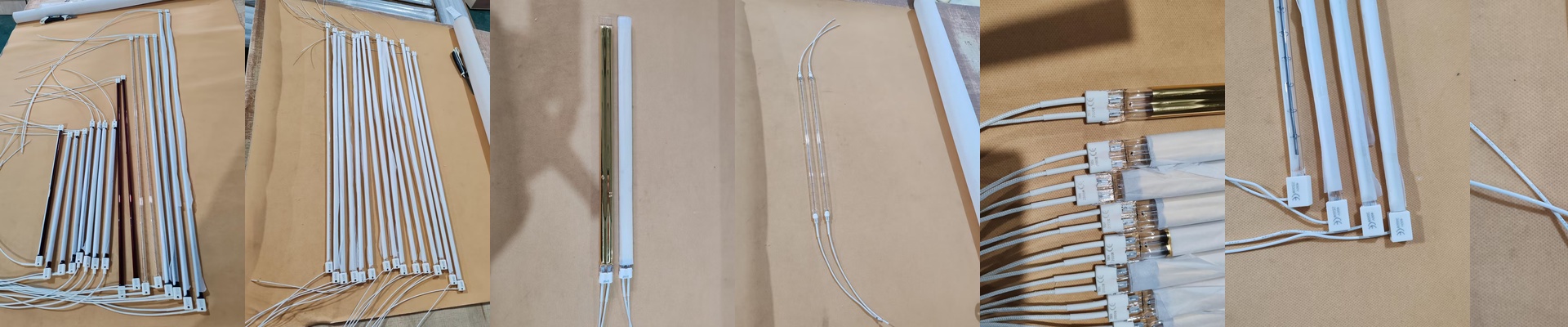
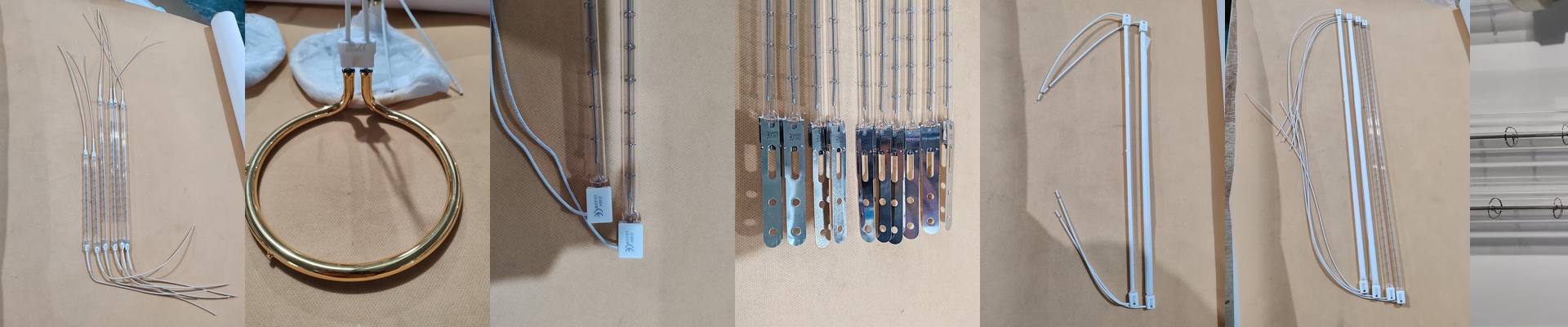
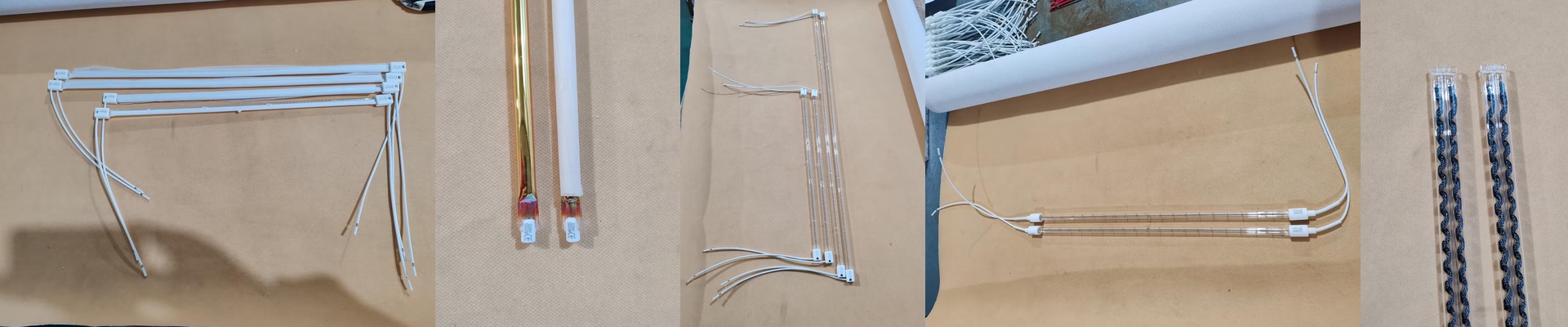
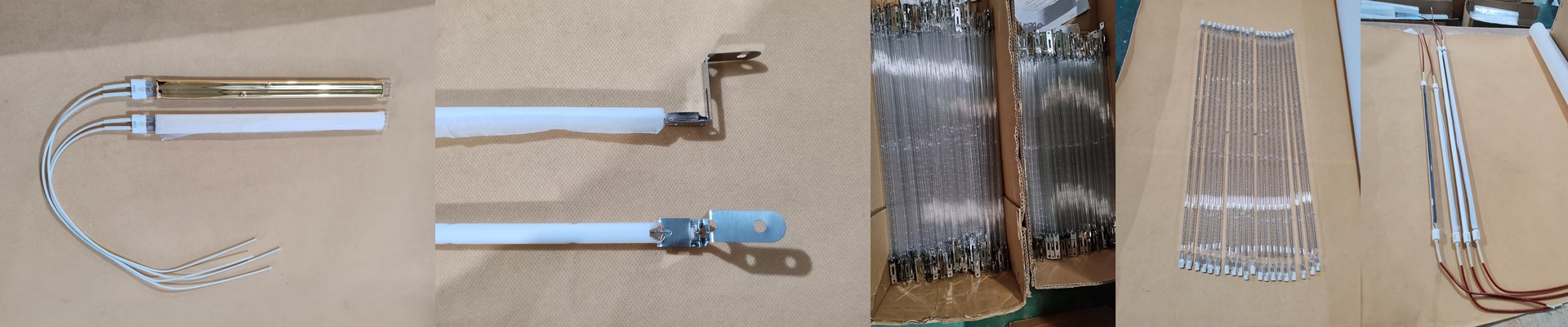
Let’s Talk About Switching Your Industrial Heaters
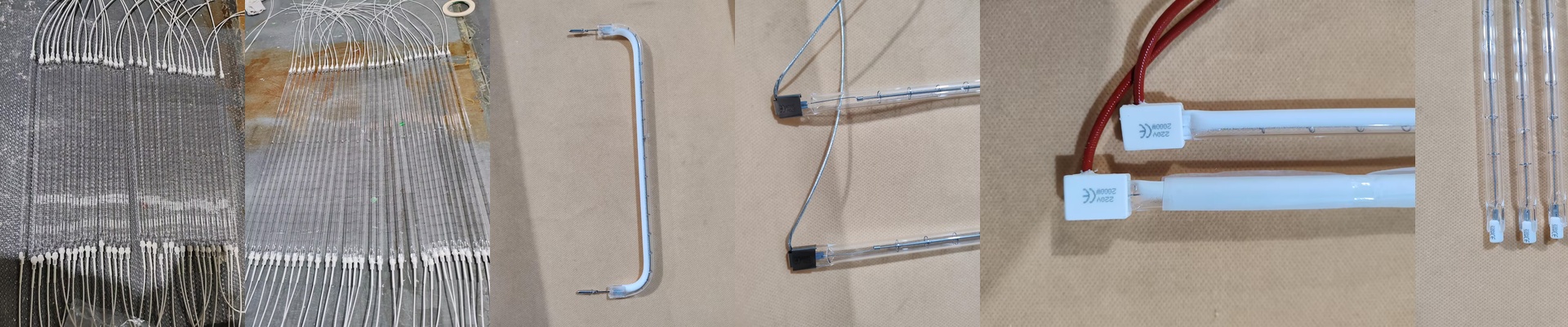
Look, we get it. Swapping out heating elements on a live production line is stressful. It feels like a gamble. When you’re ordering ceramic infrared heaters in bulk, you aren’t just buying some hardware—you’re betting that every single one of those hundreds of units will perform exactly the same. That’s why we do things differently. We don’t want you guessing. We suggest a “test-first” approach. We’ll put our heaters right next to your current setup and see if they actually hit your numbers. If they don’t, we don’t expect the order. Simple as that.
Why Ceramic Actually Works
Here is the thing about these heaters: they’ve got a resistive element tucked inside a ceramic block. It gives them a solid, stable thermal mass. If you’ve ever dealt with quartz tubes, you know they can snap if things get a bit too rough. Ceramic isn’t like that. These blocks can take a beating. Plus, they put out medium-to-long wave radiation, which is great because it actually sinks deep into your plastics or coatings rather than just scorching the surface. You get a nice, even spread of heat. No random “hot spots” ruining your product. And while they might hold onto heat longer than those thin-film options, they get up to temperature quickly—which is exactly what you need when your conveyor is humming along at full speed.
The Power Side of Things
Getting these into your control panel is a breeze. We build them to be drop-in replacements, so you can forget about redesigning your brackets. But, we should be honest about the power. These things are hungry. When you’re planning a big installation, just make sure your electrical setup can handle the total amperage. High-wattage arrays pull a lot of current. If your wiring is too thin, you’ll get voltage drops, and that’s where your heating consistency goes out the window.
No Brochures, Just Proof
We aren’t going to send you a glossy brochure and tell you it works. That doesn’t prove anything. Instead, we use thermocouples and infrared cameras. We’d rather you run a side-by-side test on your own line. If we can’t match or beat your current heat-up times and energy bills, then we aren’t the right fit for you. It’s the only way to be sure the specs actually hold up in the real world.