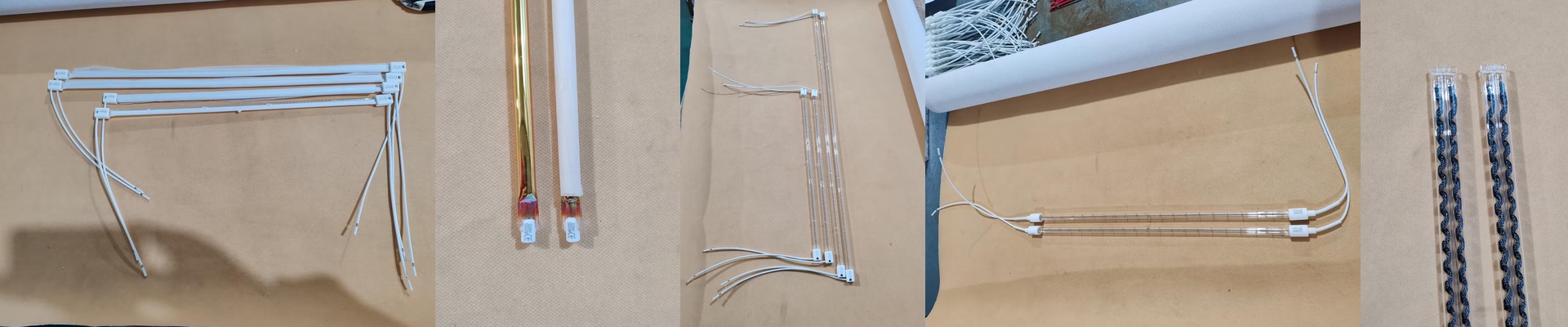

Getting Your Heating Tubes Exactly Right
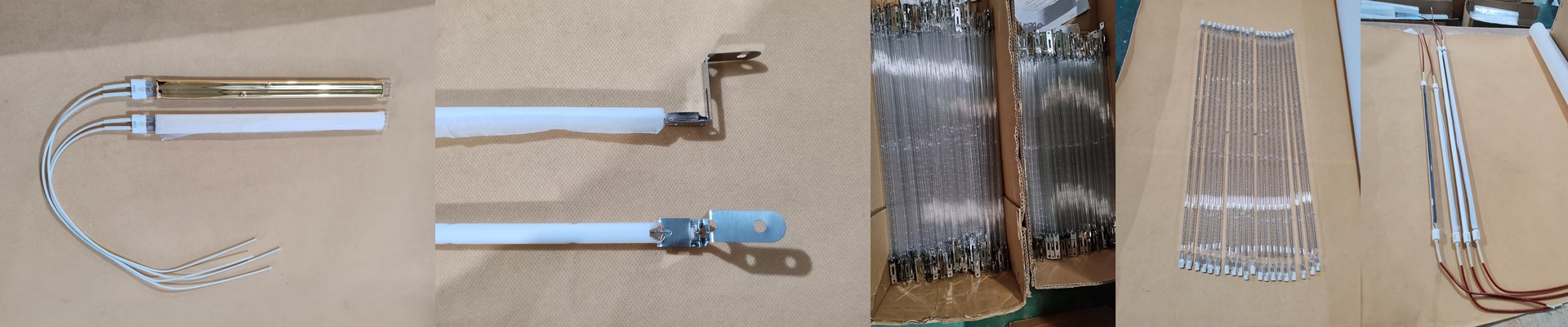
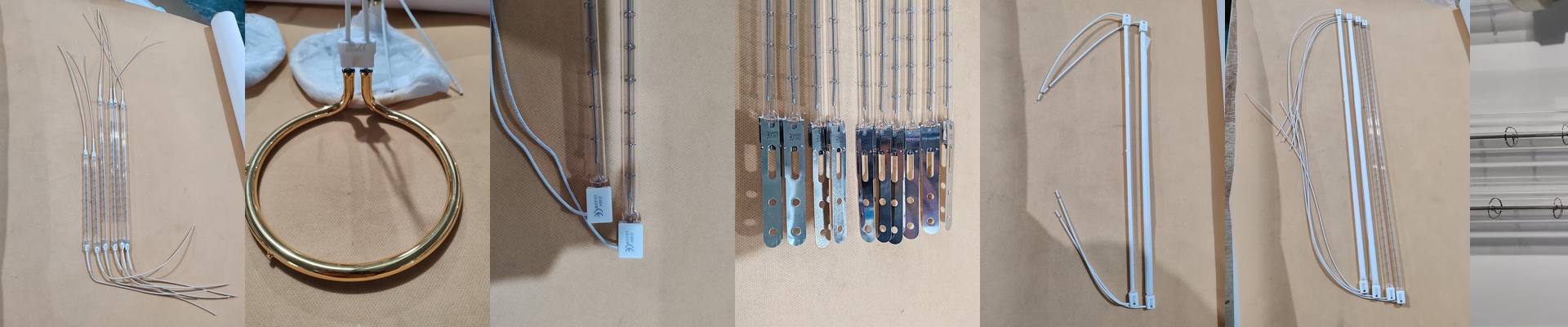
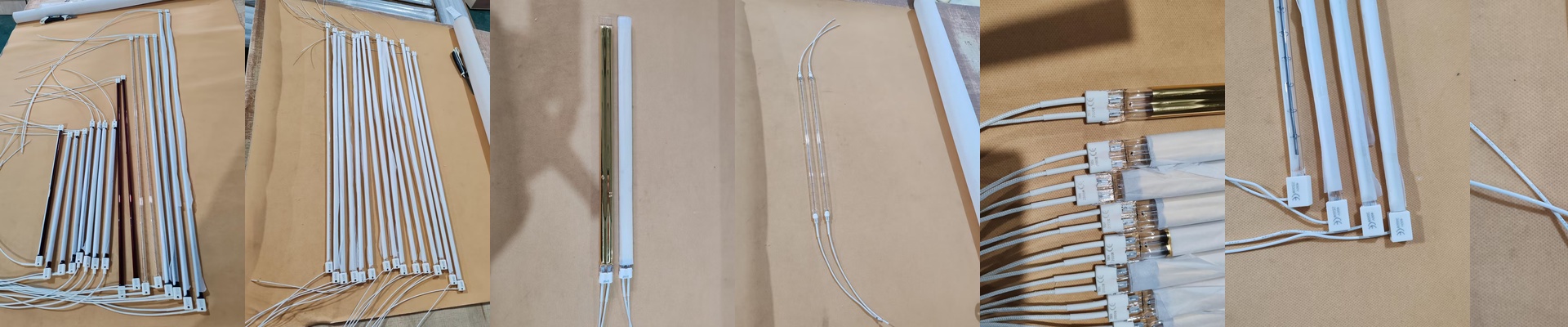
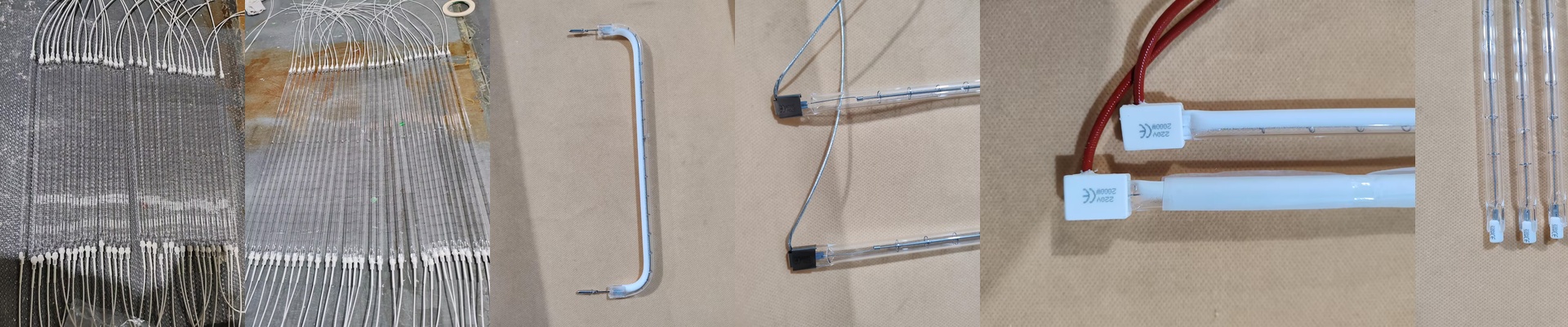
Let’s be honest: off-the-shelf lamps are great until they aren’t. Usually, they’re just a few centimeters off, or they don’t quite fit the footprint of your machine, and suddenly you’re stuck. That’s why we build custom length tubes. We make them fit your specific space, with the exact wattage and voltage your heating zone actually needs. It’s not just about the length. Some people think you just stretch a standard tube to make it longer. We don’t do that. If we did, your heat would be all over the place. Instead, we recalculate the filament density from scratch. This means whether your tube is short or long, the heat stays consistent across every single centimeter. If you’re running a high-voltage setup—say 400V—you’re going to get a much higher heat density. It pushes energy into your workpiece fast. Just a heads-up: make sure your wiring and power supply can actually handle that draw. Otherwise, you’re just asking for a burnout. The nitty-gritty on materials We use high-purity quartz glass because it doesn’t freak out when the temperature swings wildly. We call it thermal shock, but basically, it means the glass won’t crack when things get hot. And if you’re working with PET or thick plastics, we can add specialized coatings. These shift the infrared emission so the heat actually penetrates the material instead of just bouncing off the surface. For the connections, we stick with R7s or Sk15. Why? Because they’re stable. In this business, a loose connection is a nightmare. It leads to arcing, and then—pop—your tube is dead. We also tighten the tolerances on the end-cap seals. It keeps gas from leaking in and stops the filament from oxidizing, which keeps your lamps running longer. Making it work in your machine If you’ve been using high-end brands like OYATE, these are simple drop-in replacements. We’ve spent a lot of time refining how we wind the filaments and where we source our materials, so you get the same performance without the “big brand” price tag. One thing to watch out for, though: when you cram a lot of heat into a short tube, the quartz gets incredibly hot. Check your reflectors. If they’re warped, you’ll get hot spots that can crack the glass. It’s also a good idea to double-check your airflow and shielding. You don’t want the rest of your machine taking a beating just because the heat is dialed up.