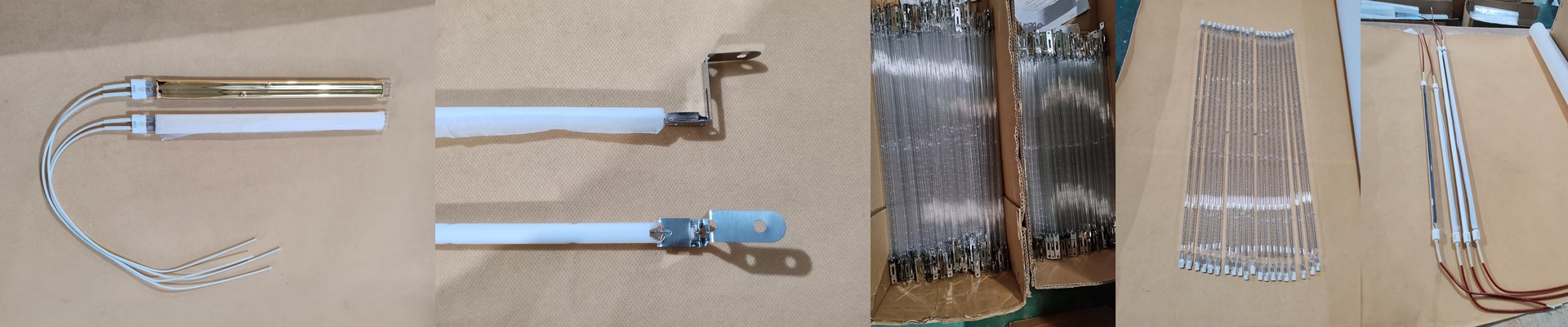
Introduction
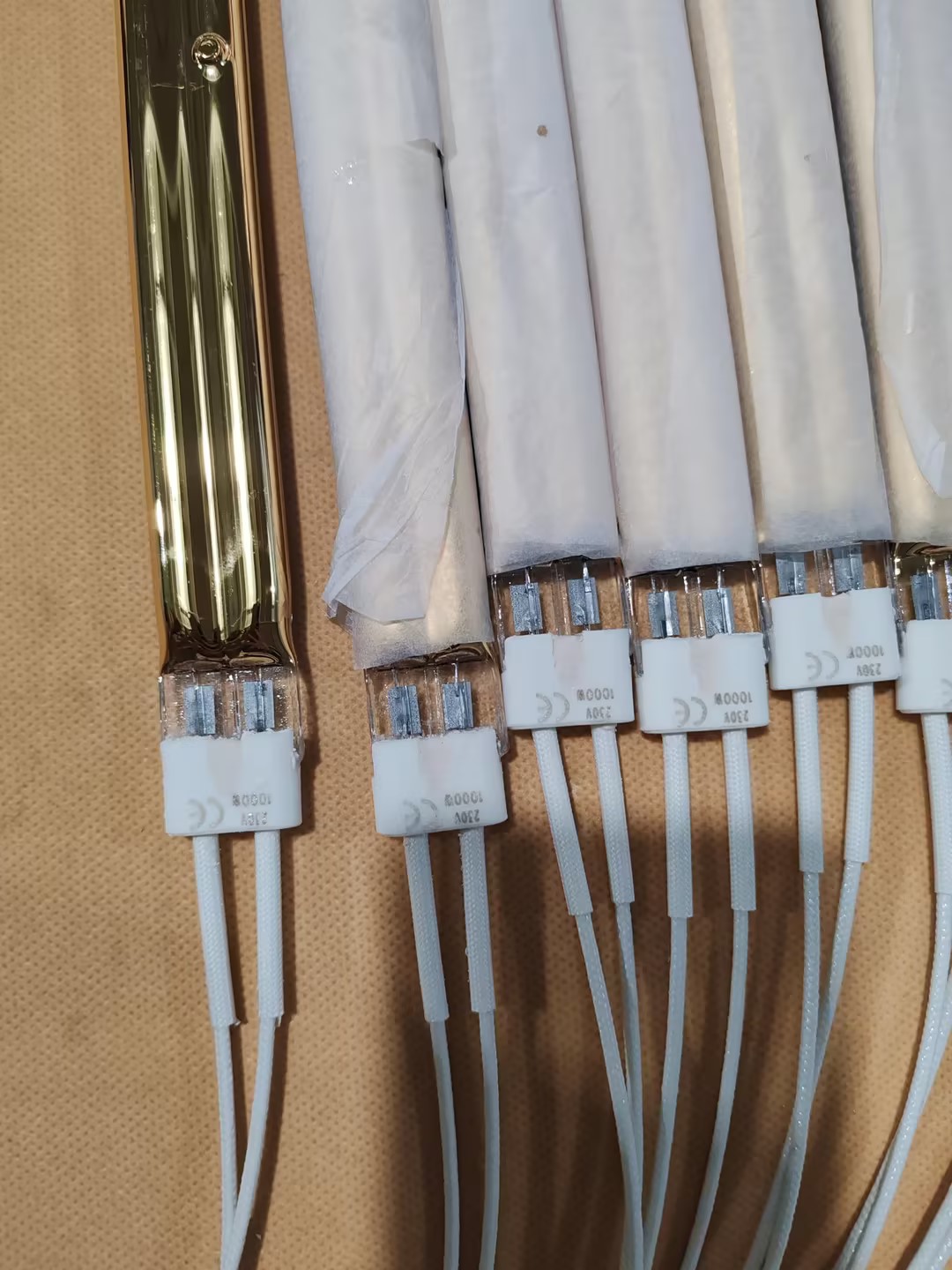
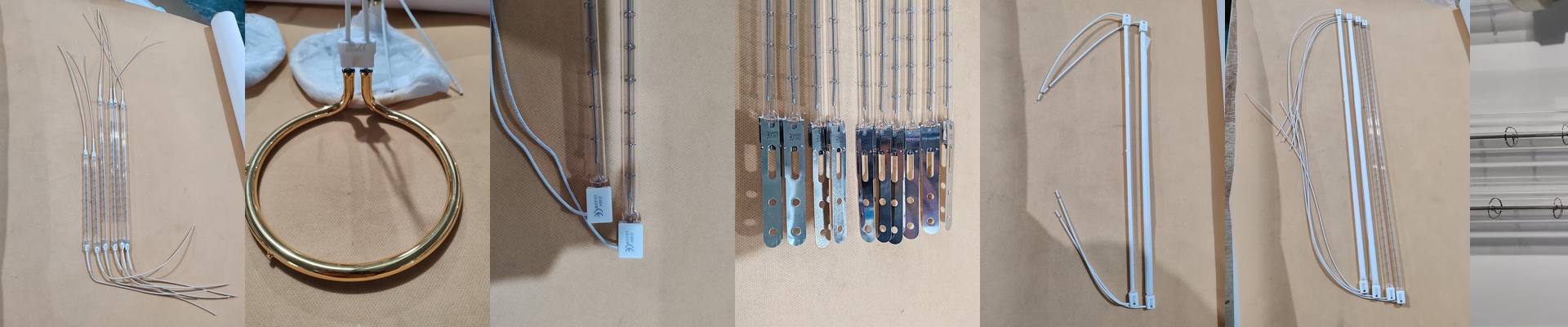
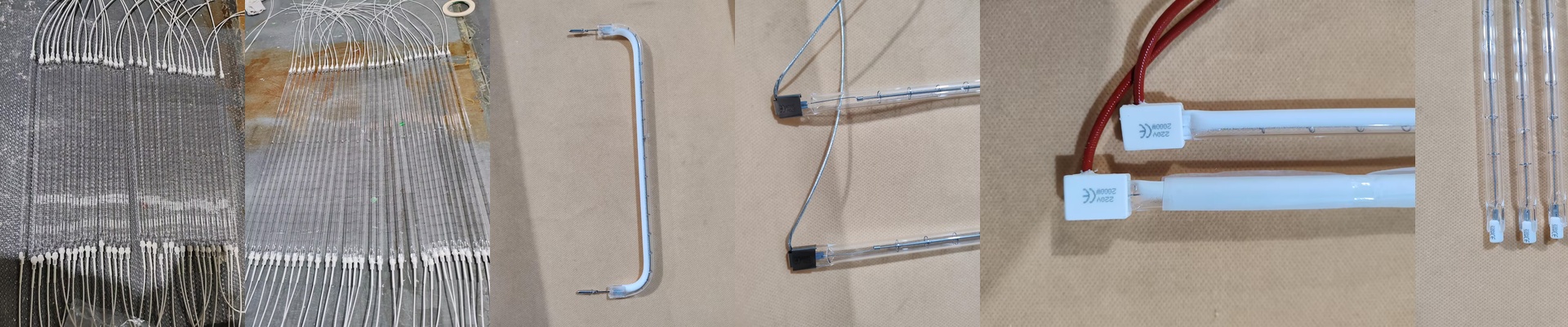
When we talk about a halogen-free tube, we are talking about a rugged industrial infrared heater built for process heating. This is the workhorse you spec for heating plastics, curing coatings, or shrinking components. The “halogen-free” designation means the filament chemistry is engineered to avoid halogen gas, eliminating the risk of corrosive gas release and meeting strict environmental and safety standards.
Technical Deep-Dive: Power, Voltage, and Dimensions
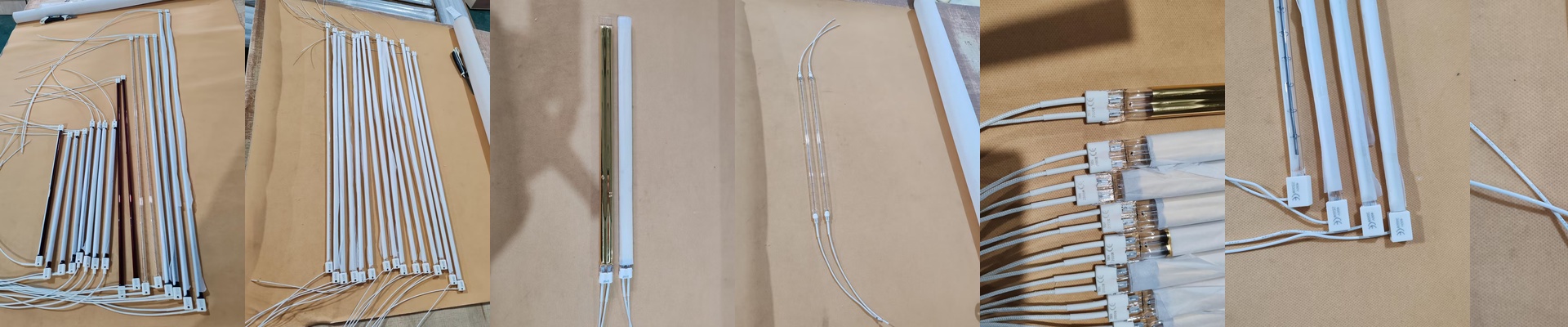
We design these tubes around a specific thermal load profile. Common power ratings run from 500W to 2500W, with lengths typically ranging from 300mm to 1200mm. The wattage density determines the heat flux you get per unit length. A shorter, higher-wattage tube gives you intense heat in a tight footprint; a longer, lower-wattage tube spreads the heat for broader coverage. Voltage is a key driver. Many units are offered at 400V to match three-phase industrial power. Running at higher voltage reduces current for the same power, which means smaller wiring, lower I²R losses, and less heat buildup in the terminals. You can also find 230V versions for single-phase lines. The takeaway: pick the voltage that matches your machine’s supply to keep the control wiring simple and the terminal blocks cool.
Material and Design: Quartz, Coating, and Connectors
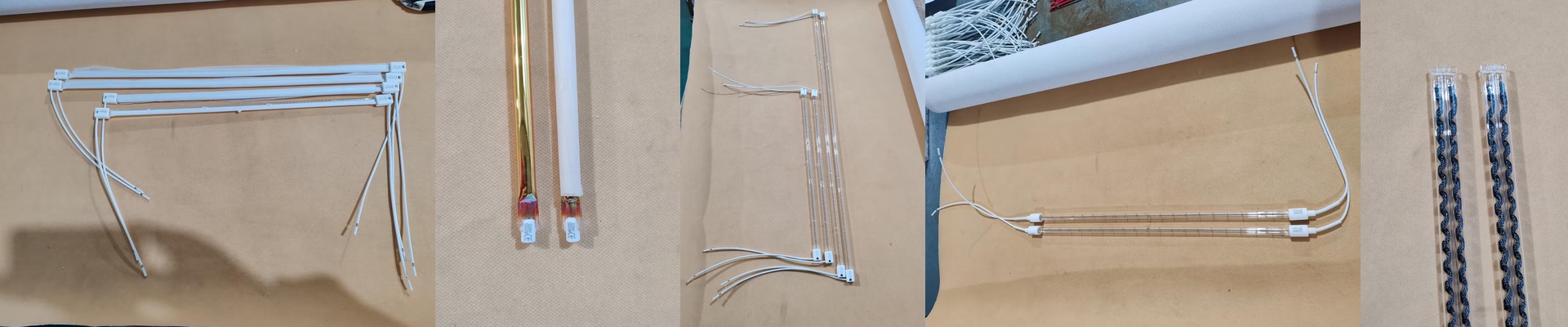
The tube body is high-purity quartz. Quartz handles rapid thermal cycling and transmits infrared energy efficiently. The halogen-free fill gas protects the filament while avoiding halogen-related corrosion risks, which translates to stable output and predictable life. We apply a reflective coating on the outer quartz to direct more IR energy forward, boosting effective power density on the target and reducing wasted heat toward the mounting hardware. This coating also helps shield nearby components from stray radiant heat. For termination, the R7s connector is the standard. It is a double-ended, two-pin ceramic base that locks in quickly and handles the temperatures we see in these applications. R7s gives you a solid mechanical hold and reliable electrical contact, and it makes the tube a drop-in replacement when you are running multiple machines. Where space is tight, we can spec SK15 or other compact terminals, but R7s remains the default for industrial reliability.
Application and Benefits
These tubes are built for production environments. They deliver fast response, so your heating zones reach setpoint quickly after a cold start or when the line speed changes. The compact form factor fits into tight reflector assemblies, and the focused IR profile heats the product surface directly, which is ideal for PET blowing, thermoforming, adhesive curing, and shrink tunnels. You get predictable performance because the output is stable over time, and the halogen-free chemistry reduces corrosion risk in sensitive areas. Installation is straightforward: mount the tube, plug in the R7s base, and set the control parameters. The trade-off is real: high watt density means high surface temperatures. Your machine must provide adequate clearance and cooling to protect surrounding components. Plan the airflow and shielding up front, and the tube will run reliably with minimal maintenance.