Making Heat Part of the Flow
We built this infrared tunnel heater for one reason: to keep pace with your injection molding machine. It’s not a separate oven you have to babysit. It’s a partner that steps right in and syncs with your output. The whole annealing step becomes automatic, so you stop juggling parts by hand and just keep moving.
Power in a Small Space
Here’s the thing—this unit runs on 400V. That higher voltage lets us pack a lot of punch into a tight footprint, so the heaters get up to temperature fast. The tunnel length and wattage are tuned to deliver the right amount of heat, every time. It has the thermal muscle to keep up with a standard injection molding cell without straining your electrical setup.
Built to Work, Not to Fancy
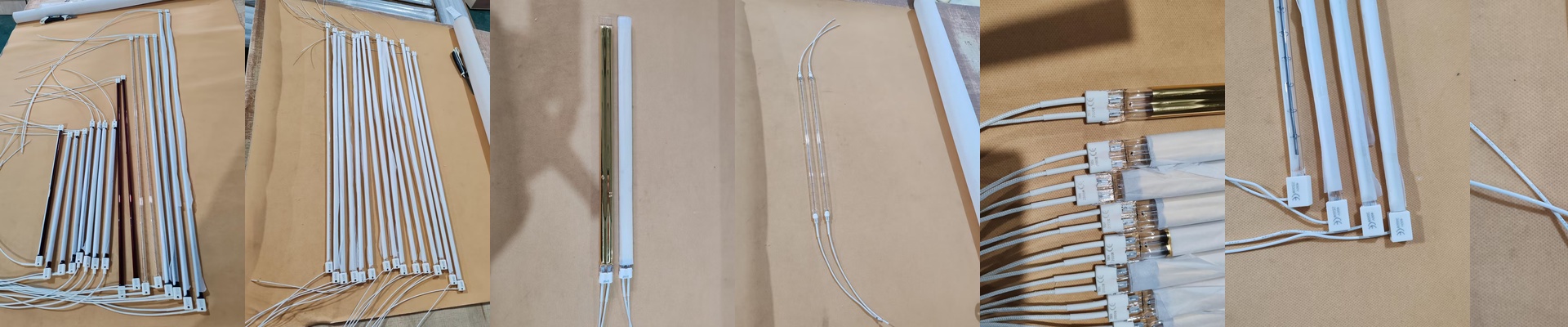
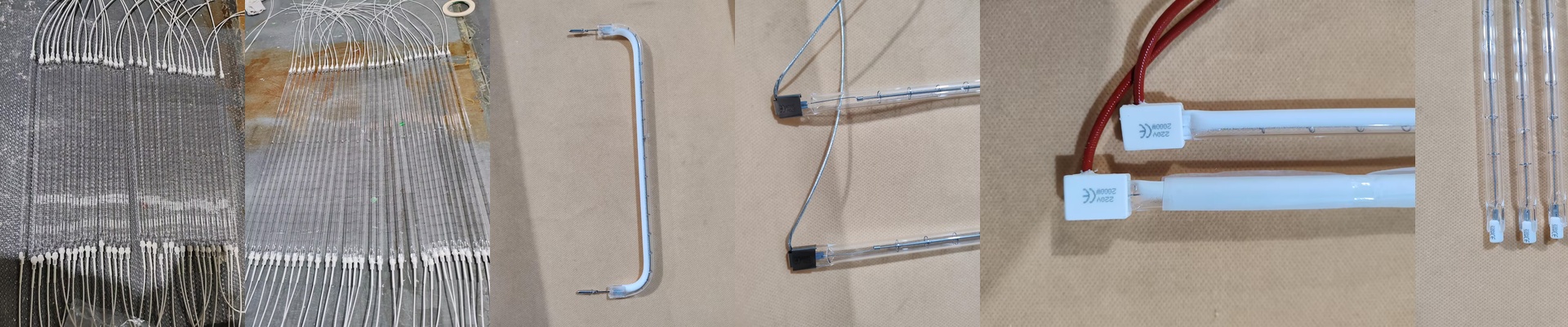
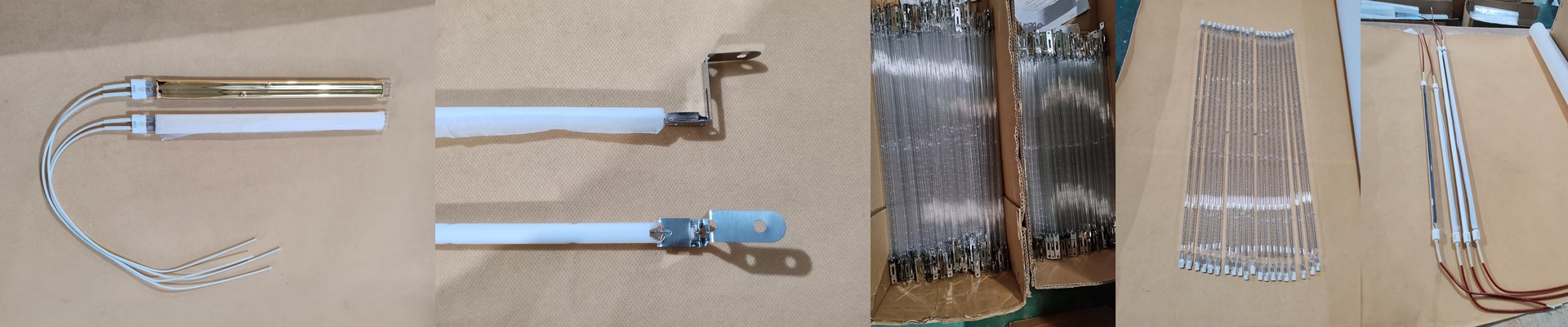
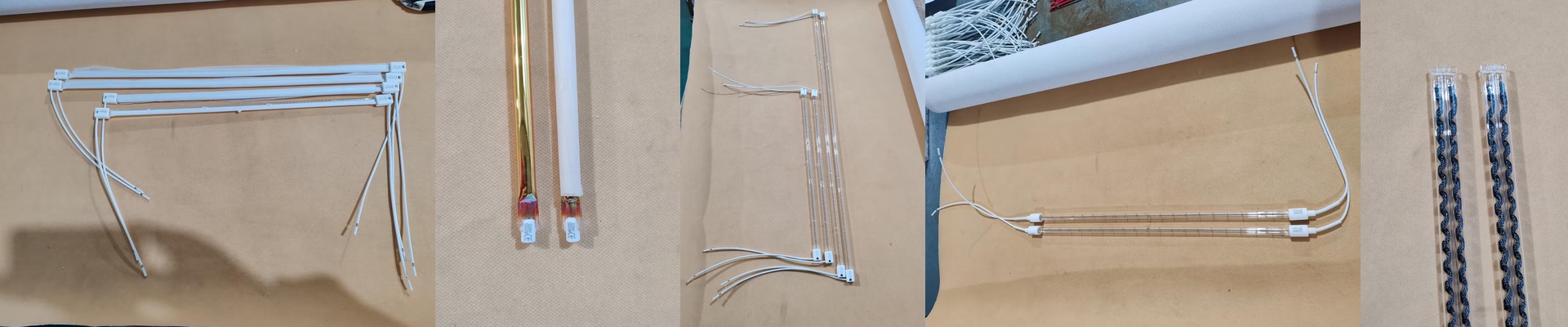
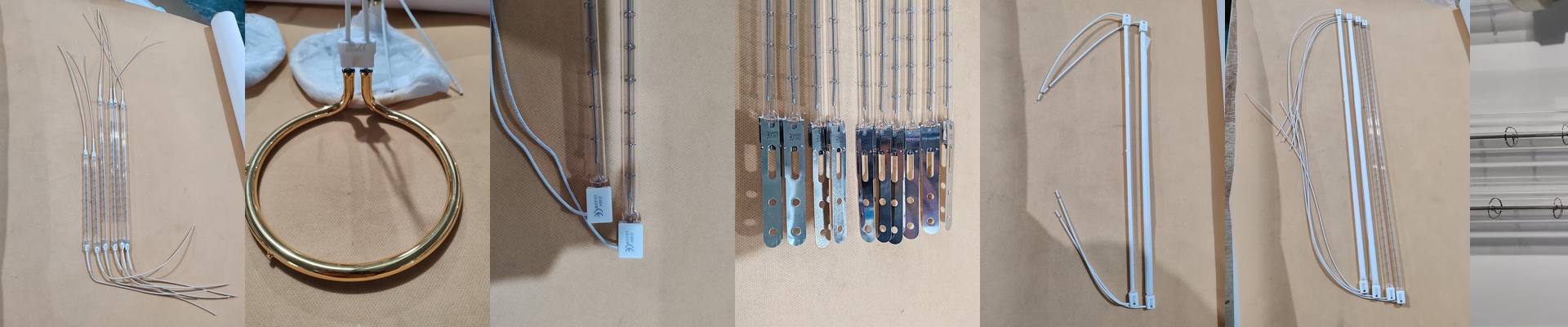
We went with infrared heating elements because they respond quickly and deliver dense heat when you need it. The quartz parts are coated to handle the shock of rapid cycling and resist the chemical stress from nylon off-gassing. That means steady performance and a long life. It plugs into your automation with standard interfaces—no custom gymnastics. And the hardware is ready for the daily grind of a live production line.
What It Changes on the Floor
Forget batch annealing bottlenecks. Parts go straight from the mold into the tunnel, which stabilizes the nylon and keeps warping from sneaking in. Automating the transfer wipes out the labor and the timing guesswork. But there’s a trade-off. The 400V, 2500W setup throws off noticeable localized heat, so your machine’s cooling needs to be ready for that extra ambient load. That’s the price of true in-line automation.
The Payoff
You end up with an annealing process that runs in step with your press—predictable, repeatable, and hands-off. Scrap drops, handling time shrinks, and the line keeps rolling.
The Quick Specs
***Power:**2500W ***Voltage:**400V ***Control:**Automated synchronization ***Application:**Nylon part annealing