Getting the Heat Right for the Job
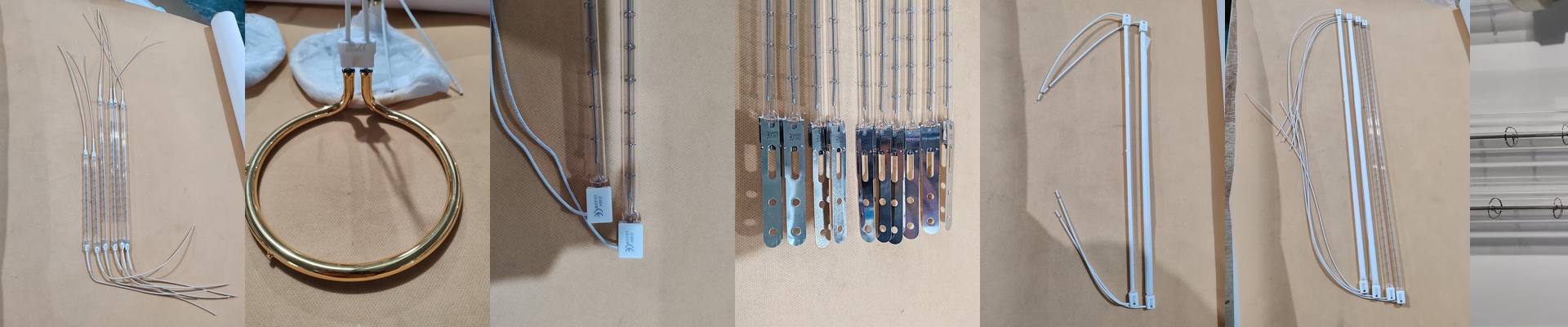
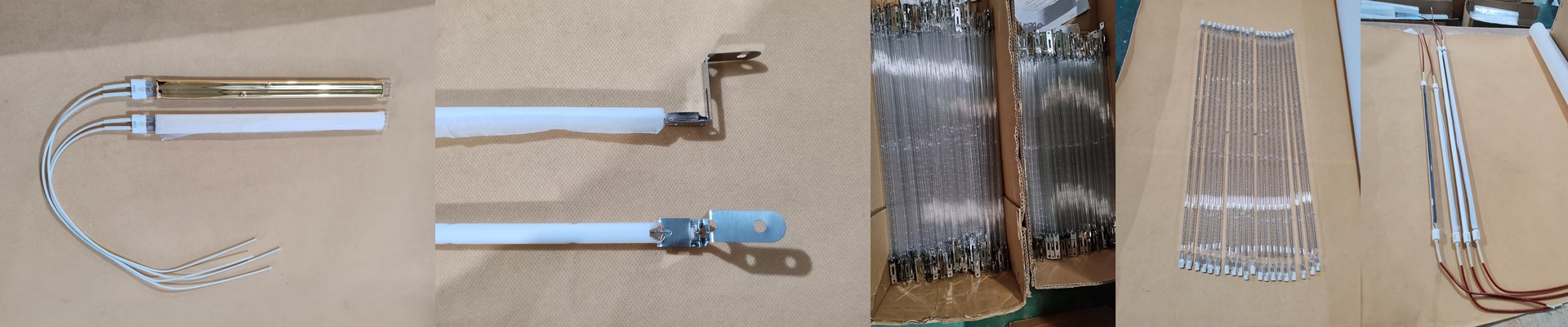
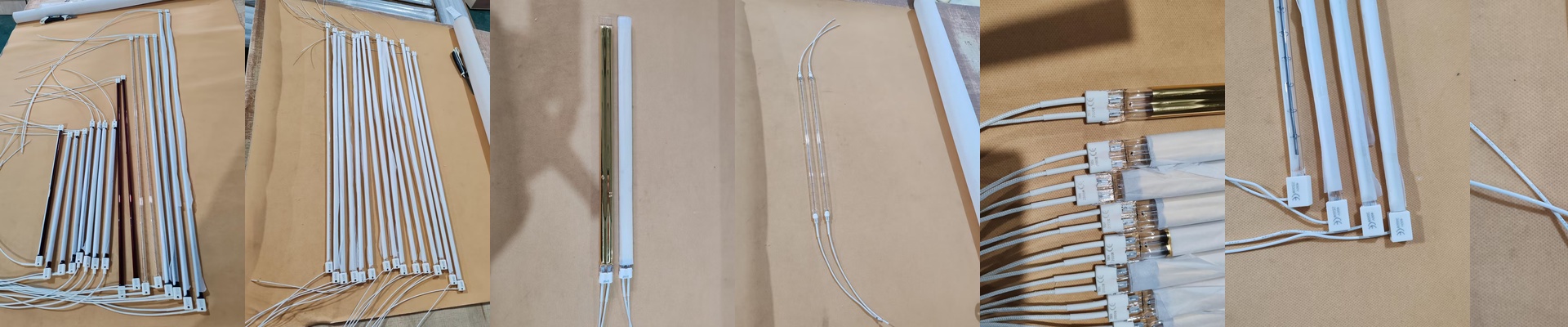
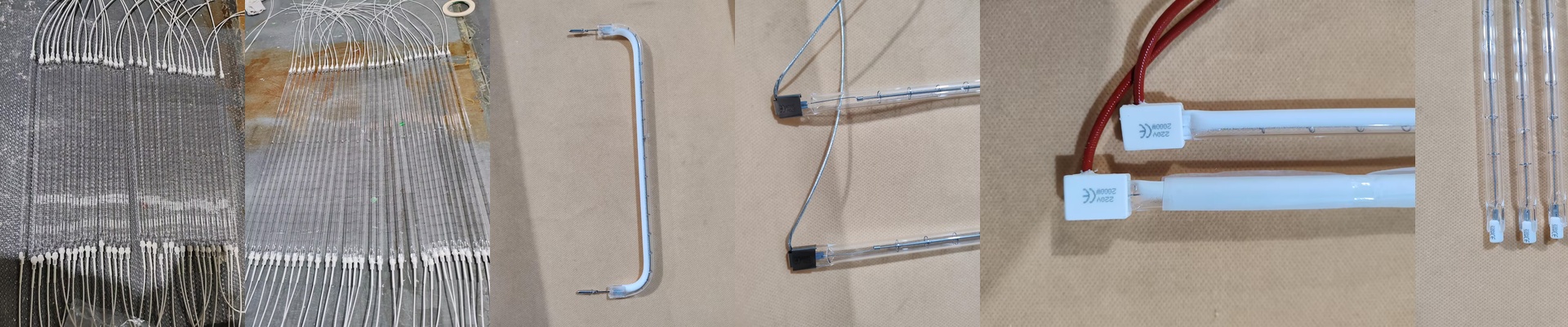
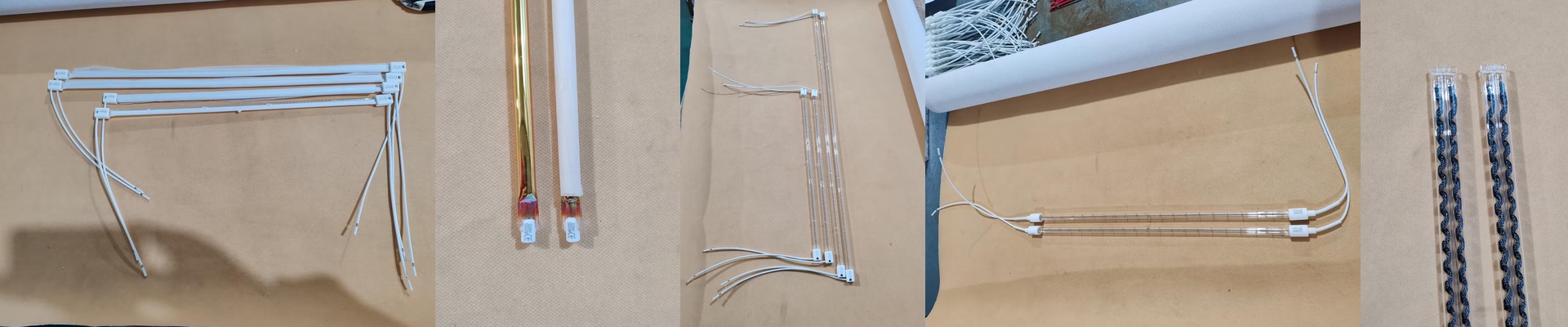
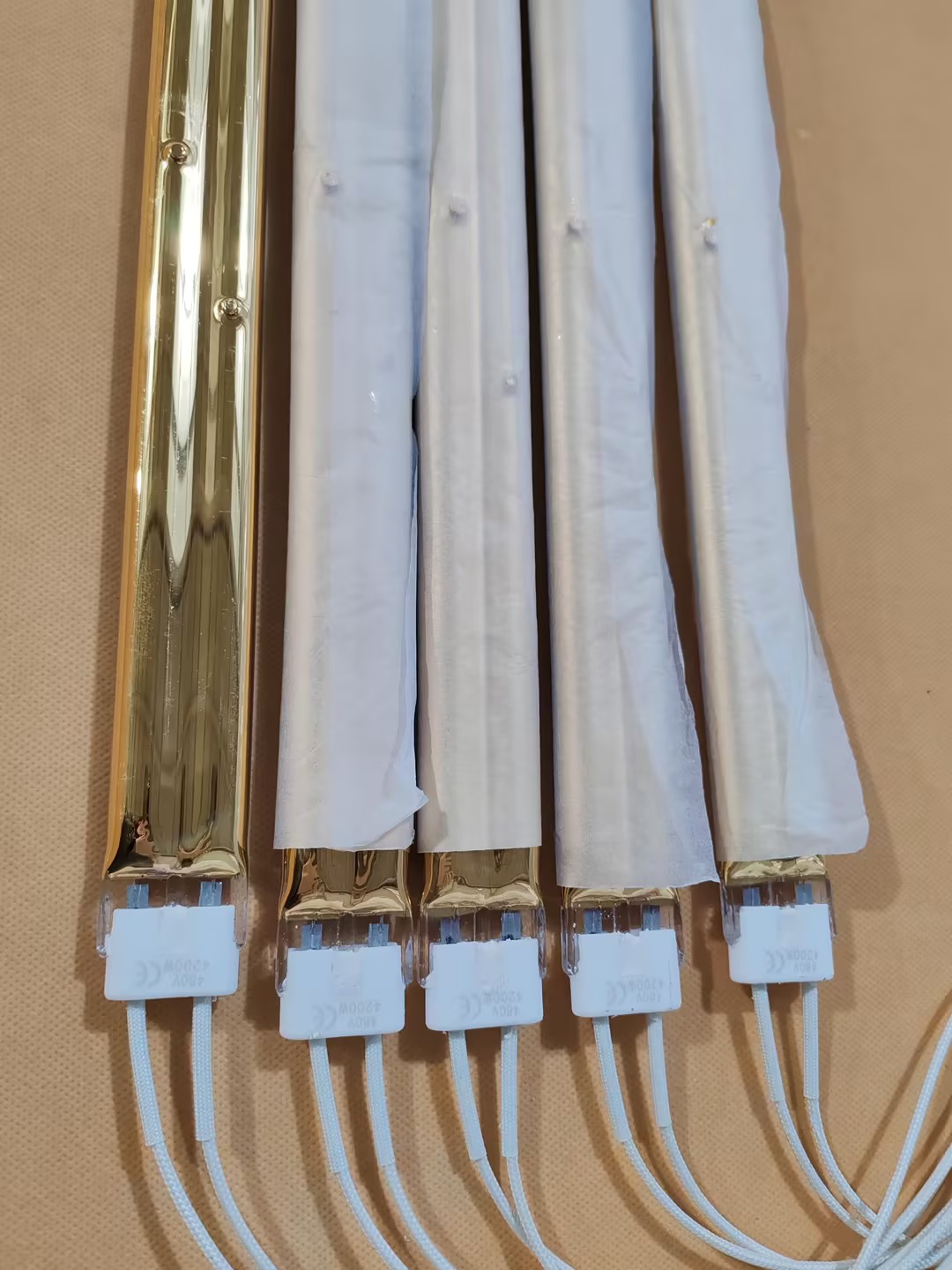
Let’s cut to the chase: this 950mm, 240V, 2000W halogen heat lamp was built for one place—the industrial oven. This isn’t some bulb you’d stick in a lamp at home. It’s a serious piece of equipment, designed to deliver one thing: focused, dependable heat, right where you need it. Inside, a halogen filament sits snug in a quartz envelope, built to take the heat and keep performing, even when things get intense.
Power, Voltage, and Size—Why It Matters
Here’s the thing about that 2000W rating at 240V: it means serious heat, packed into a surprisingly compact frame. And that 950mm length? It wasn’t an accident. It gives you enough surface area to radiate heat effectively, while still fitting neatly into standard oven spaces. Plus, running on 240V means it plugs straight into most industrial power setups. No extra transformers needed. It just works, clean and simple.
Why Halogen is the Right Choice
Halogen technology is what keeps this lamp performing day after day. The halogen cycle helps keep the quartz envelope clear, so you don’t get that blackening that kills output over time. The quartz itself? It’s tough—built to handle the extreme temperatures this wattage throws off. And the R7s base? That double-ended, linear fit is rock solid. It stays tight, even when the oven is cycling through extreme heat and cool-downs. No wobble. No failure.
Performance in the Real World
Inside an oven, this lamp comes alive. It heats up fast, which can seriously speed up your process. And the heat? It’s concentrated, which is perfect when you need direct, intense thermal transfer. But here’s the catch—it runs hot. So your oven components need to be ready for that kind of ambient heat. Good thermal management isn’t optional; it’s essential. Keep things properly managed, and this lamp will perform the way it was designed to.
Installation and Peace of Mind
Swapping one in is straightforward, thanks to the R7s base. Just wire it up, align the contacts, and you’re good to go. It’s a clean fit. We build these for long life, even under constant use, but they still need a check-up now and then. Plan your replacements around your actual operating hours, so you’re never caught off guard mid-production.