Taming the Plastic-Metal Expansion Headache with Smart Infrared Heat
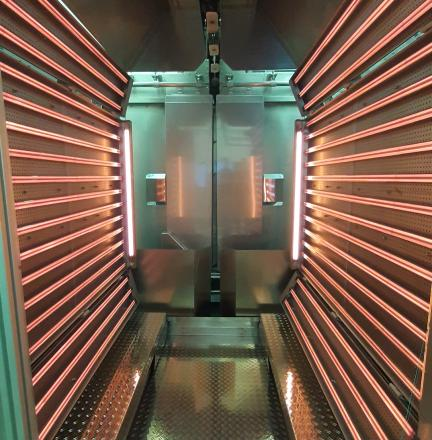
Ever run into that one stubborn problem on the shop floor? You know the one. You’re trying to heat a plastic part with a metal insert, and it just… fights you. The plastic warps, the insert gets loose, or you end up with cracks. It’s frustrating, and it’s all down to a simple, stubborn fact of physics: plastic and metal expand at different rates when they get hot. So, we built a better way. We designed batch ovens that don’t just blast everything with heat. Instead, we use infrared to zero in on the problem. It gives you a precise, localized heat profile that treats the plastic exactly how it needs to be treated, without roasting the metal insert.
The Secret Sauce: Power, Voltage, and a Smart Design
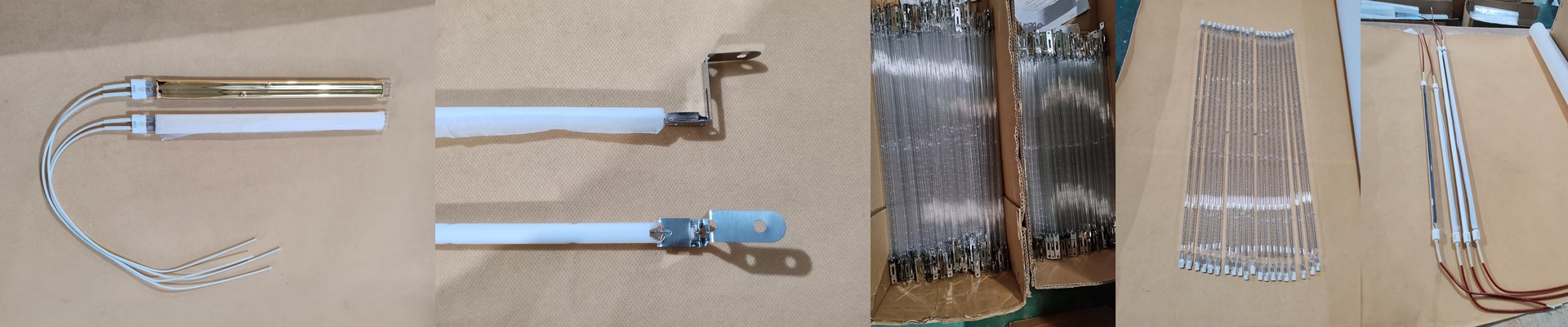
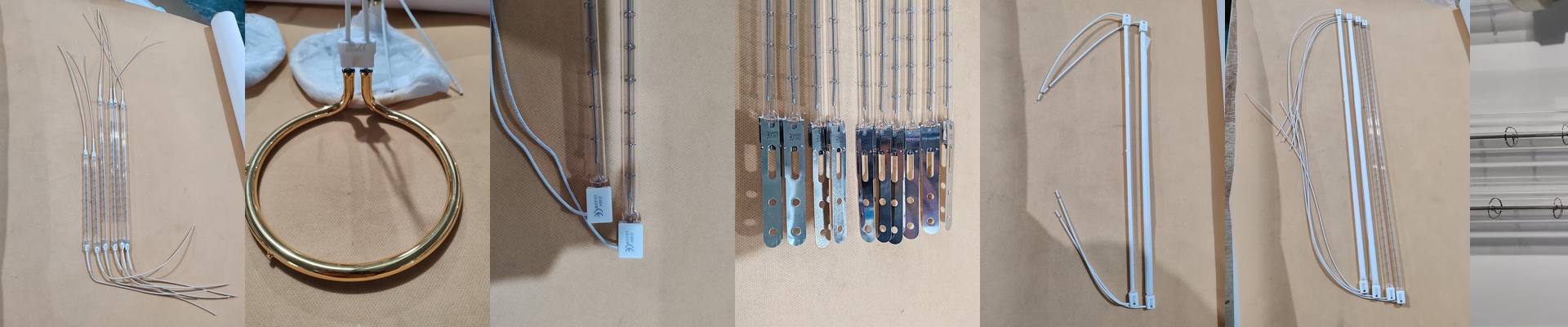
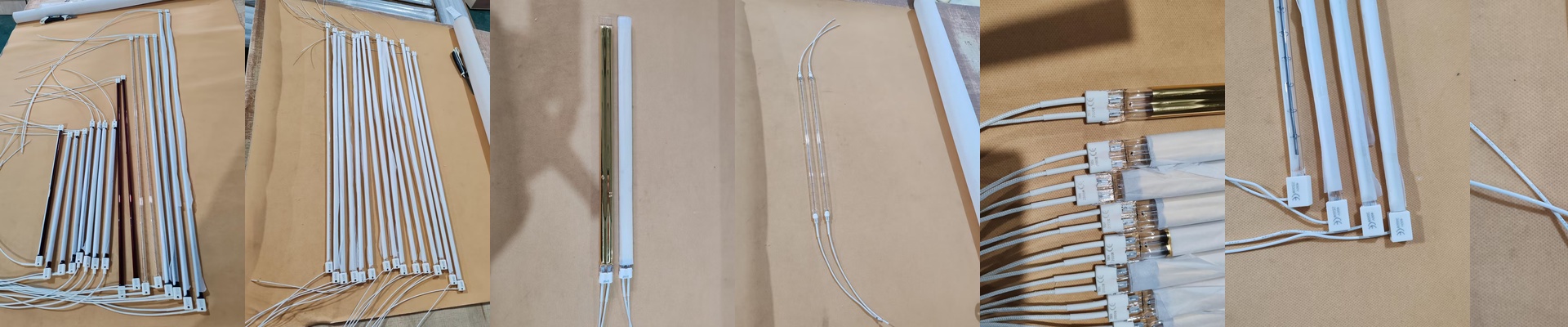
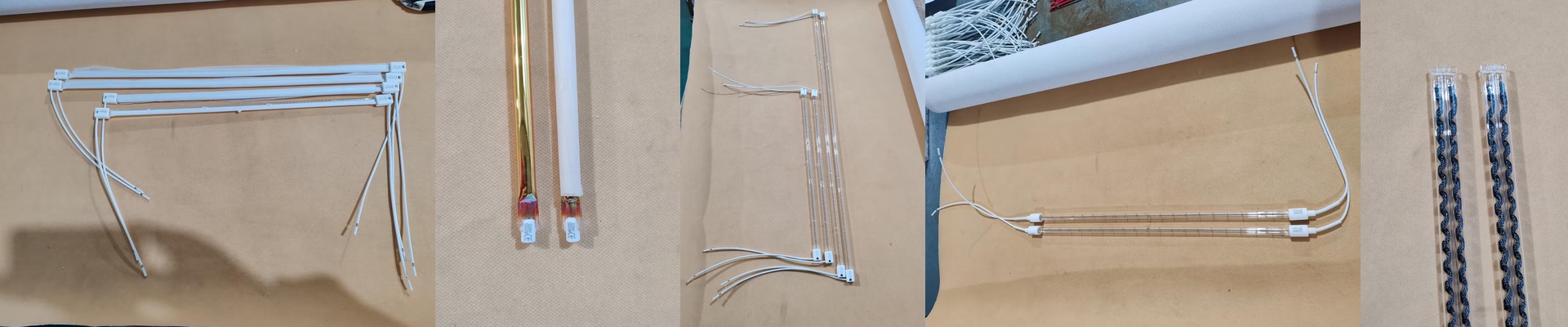
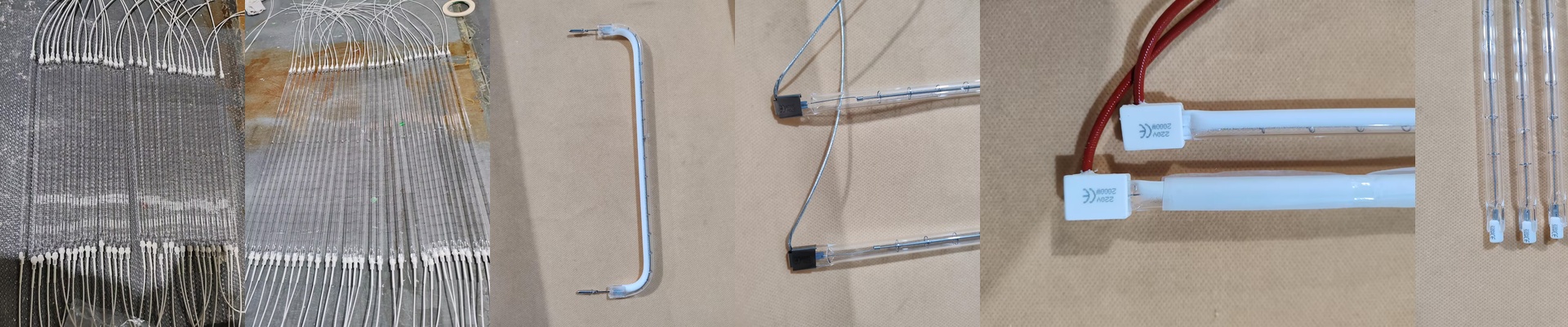
Here’s how it works. Our heating modules are built around shortwave infrared emitters. They pack a serious punch in a small space, delivering high power density. We typically run these on 400V. Why? Because that voltage gives you the stable, high-current operation you need for a lightning-fast thermal response. It keeps the power draw sensible while still giving you the heat you need to keep cycle times moving fast. And the emitters themselves? They’re shaped for the job. We use compact tubes, often around 300mm long, to focus all that energy right where you need it. This tight focus means you’re not wasting heat or accidentally overheating the areas right next door. You get a controlled pattern, not a wide blast that forces you to slow everything down.
Built to Last: The Details That Matter on the Floor
We chose quartz for the emitter tubes. It’s tough, handles rapid temperature changes like a champ, and it lets the infrared energy pass right through. The halogen fill keeps the filament temperature steady, so the output is consistent, cycle after cycle. We also added a special reflective coating to push the energy downward, boosting the power right on the part and keeping the sidewalls from getting too hot. Then there are the connections. We know you need things that work on a busy shop floor. The R7s bi-pin base is a quick, proven way to swap out a lamp without a lot of downtime. And for the high-current runs, the Sk15 terminals are rock-solid. They stay tight, even after countless heating and cooling cycles. These aren’t just specs on a page. They’re practical choices made for real-world maintenance.
What It Feels Like on the Line
So what does this look like in practice? It means you can finally get ahead of the stress problem. The system heats the plastic directly, while the metal insert stays much cooler. You get a controlled temperature gradient, so the plastic expands predictably and the metal stays put. The payoff is real. Your cycle times improve because the oven only heats what needs heating. Reject rates drop because the parts aren’t cracking under stress. Now, there’s one thing to keep in mind. That kind of focused heat density means you need to plan for proper cooling and thermal management around the heating zone. Get your airflow and guarding right, and this system becomes a reliable, repeatable solution. You’re no longer at the mercy of the physics of expansion. You’re back in control.