Let’s Talk Infrared Halogen Heating
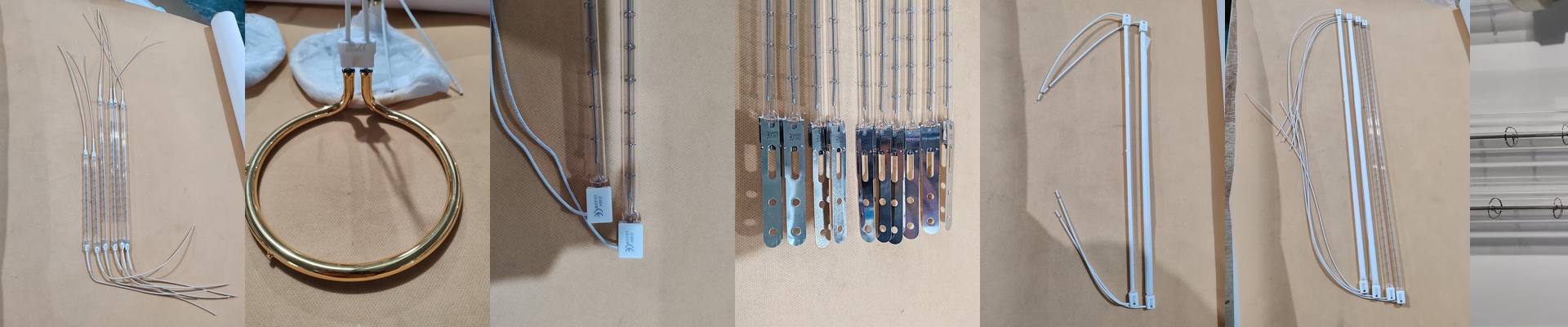
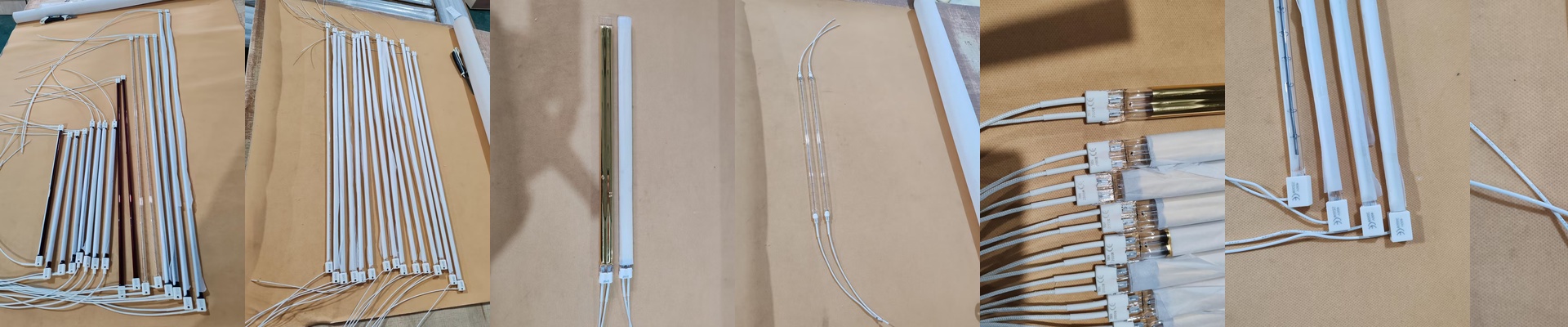
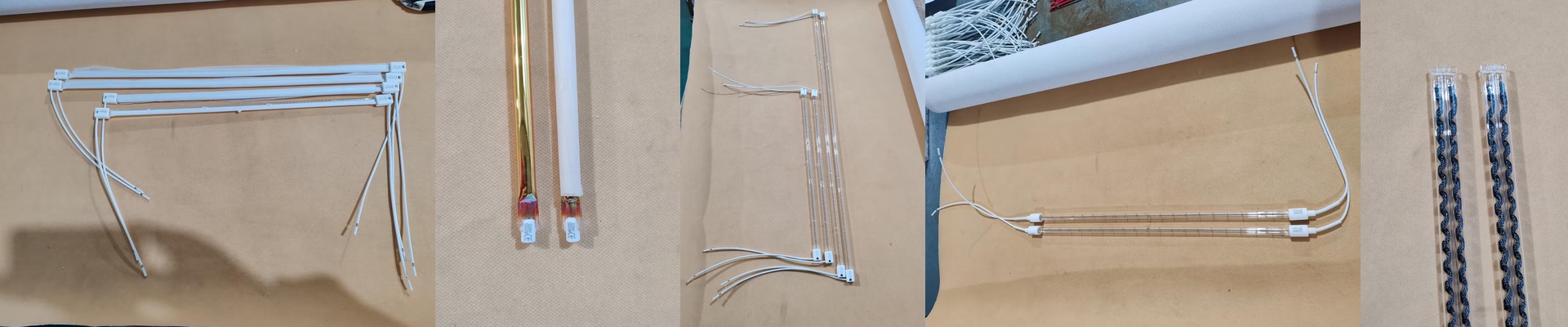
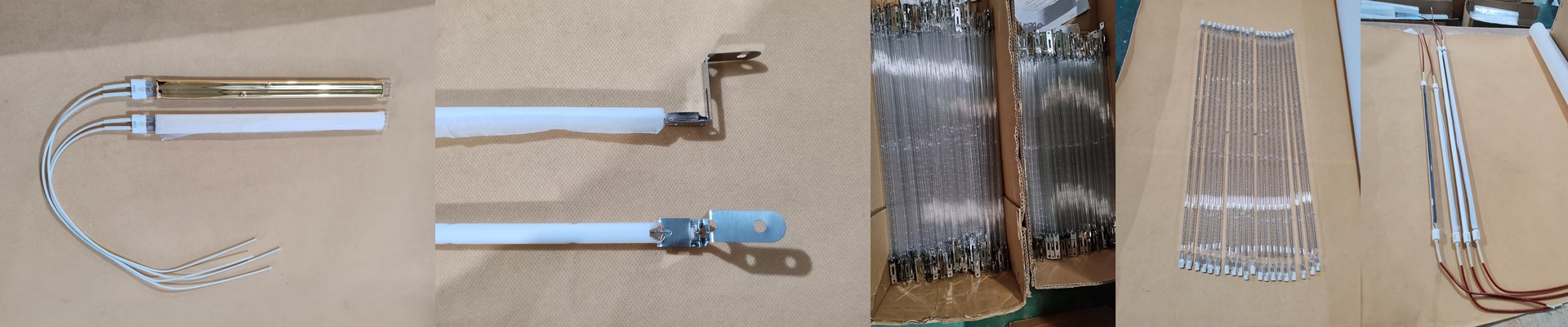
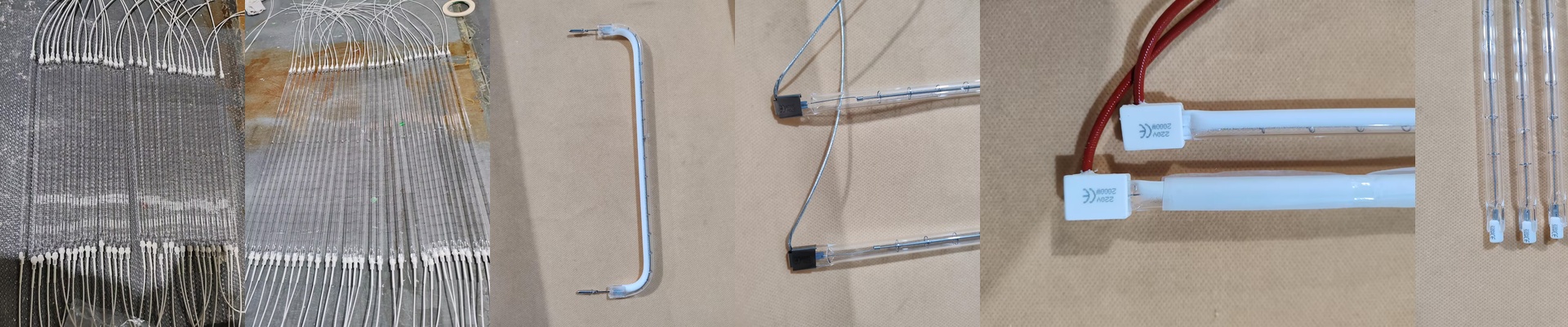
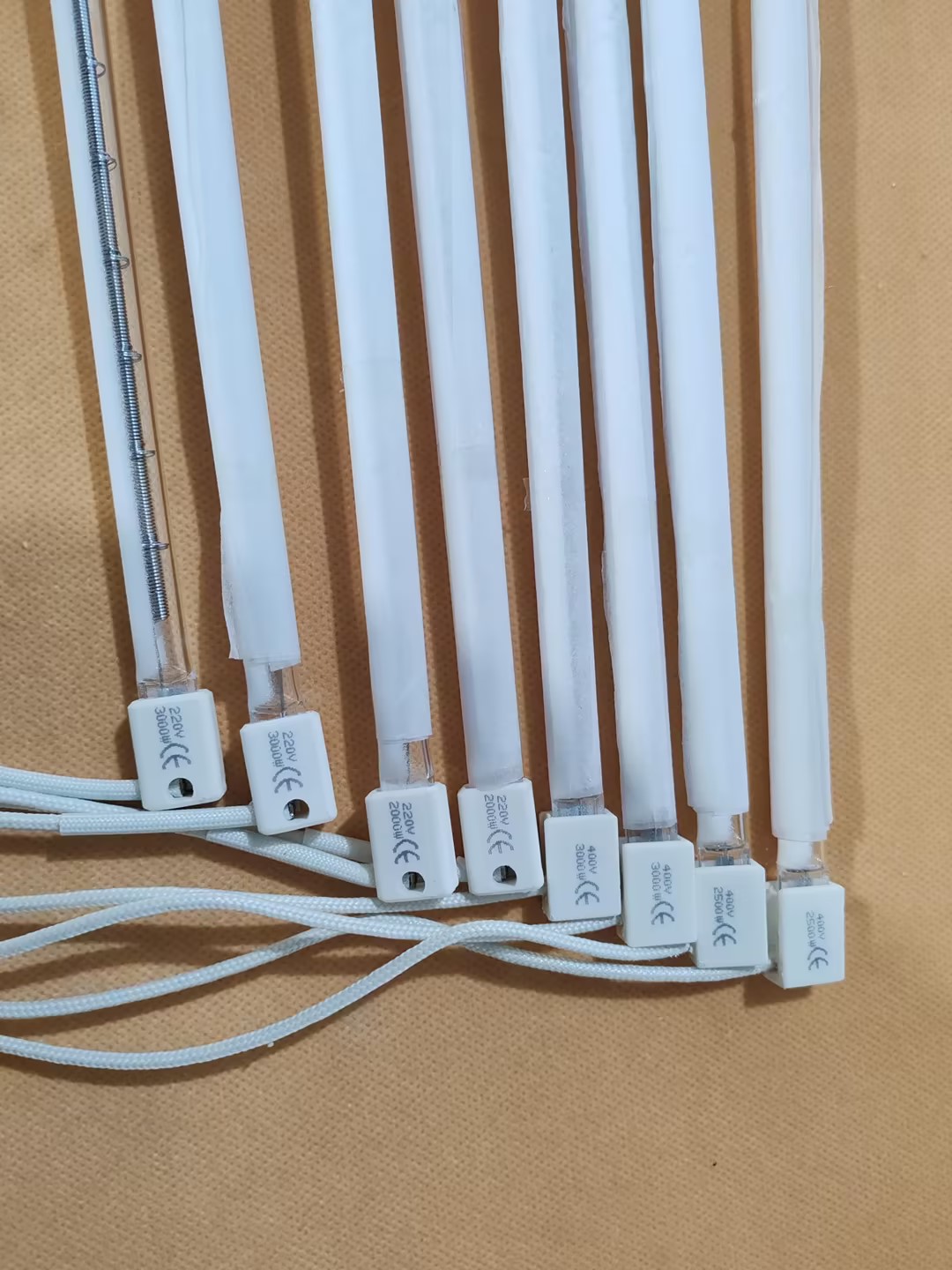
If you’re dealing with high-intensity thermal processing, you know the struggle of keeping your heating elements from burning out or losing their punch. That’s where our halogen lamps come in. Basically, we’ve got a tungsten filament tucked inside a quartz envelope. The secret sauce is the halogen gas cycle. It actually grabs the evaporated tungsten and puts it right back onto the filament. This keeps the glass from turning that nasty dark color and means your lamps actually last. Getting the power right Here’s the thing about performance: it all comes down to how much wattage you can cram into the length of the tube. If you go with high-voltage setups—think 230V or 400V—you can push way more power through a shorter lamp without blowing a circuit. The payoff? Your ramp-up times are incredibly fast. But a word of caution. Make sure your power supplies can take that initial hit of inrush current. And please, don’t skim on the cooling. If your cooling system is weak, those lamp ends will fry themselves pretty quickly. The materials and the “plug-and-play” part We use hard-coated quartz to change how the heat actually hits your project. Clear quartz is okay, but it spreads the energy around. The coated tubes focus everything into shortwave bands. Instead of just warming the surface, the heat actually sinks deep into the material. It’s the difference between a warm breeze and a deep soak. For the wiring, we stick with R7s or Sk15 connectors. They’re standard for a reason. They slide right into most industrial ovens and hold tight, even when the shop floor is vibrating like crazy. Putting them to work You’ll see these most often in PET blowing and plastic curing. Because the shortwave output is so aggressive, you can heat preforms almost instantly. It saves space and speeds up your entire cycle. Just keep an eye on your spacing. These things get scorching hot. If the element is too close to the workpiece, you’re going to burn your product. I always suggest using PID controllers. They stop the temperature from overshooting and protect your filaments from those random voltage spikes that can kill a lamp in a heartbeat.