Let’s Talk About Halogen Infrared Heating
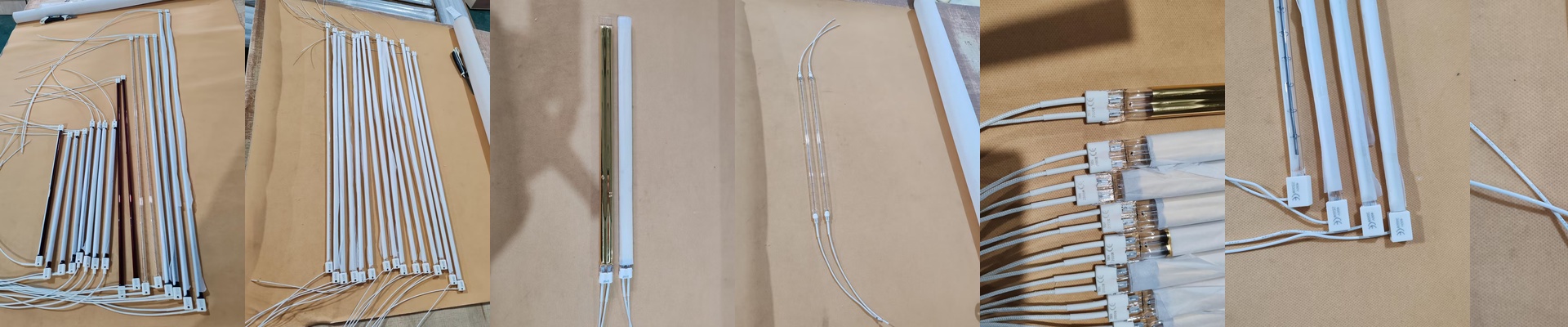
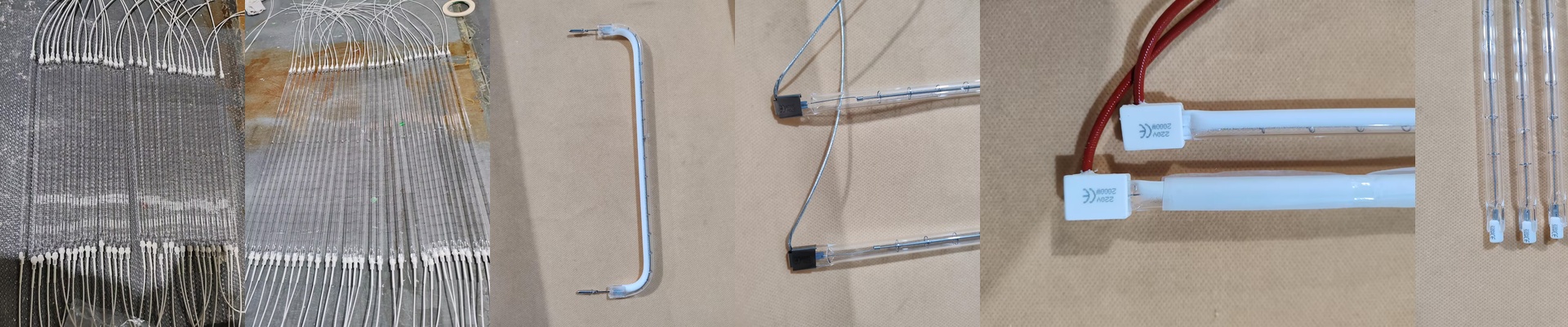
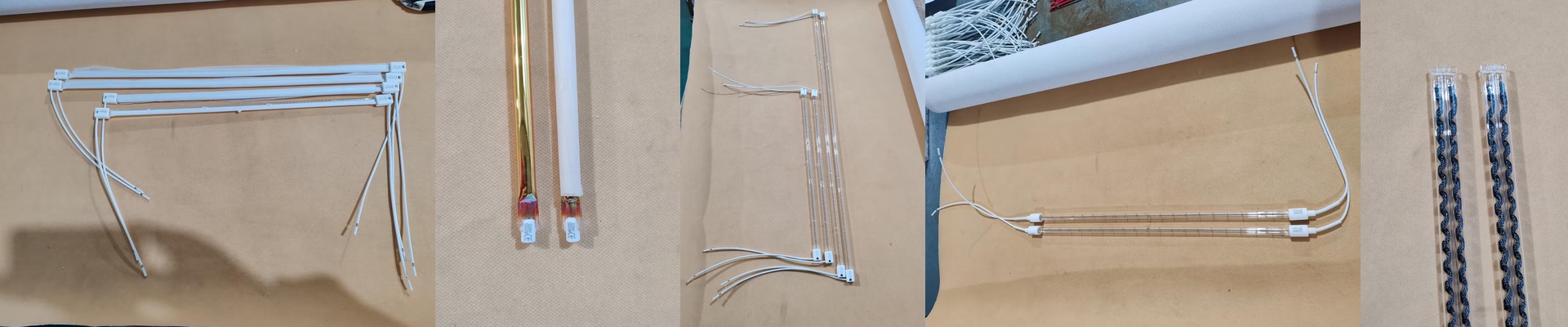
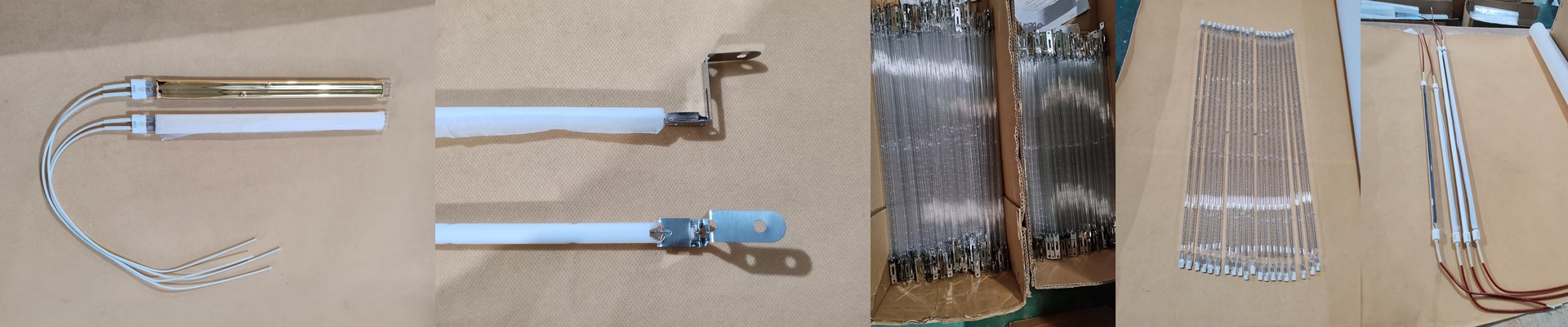
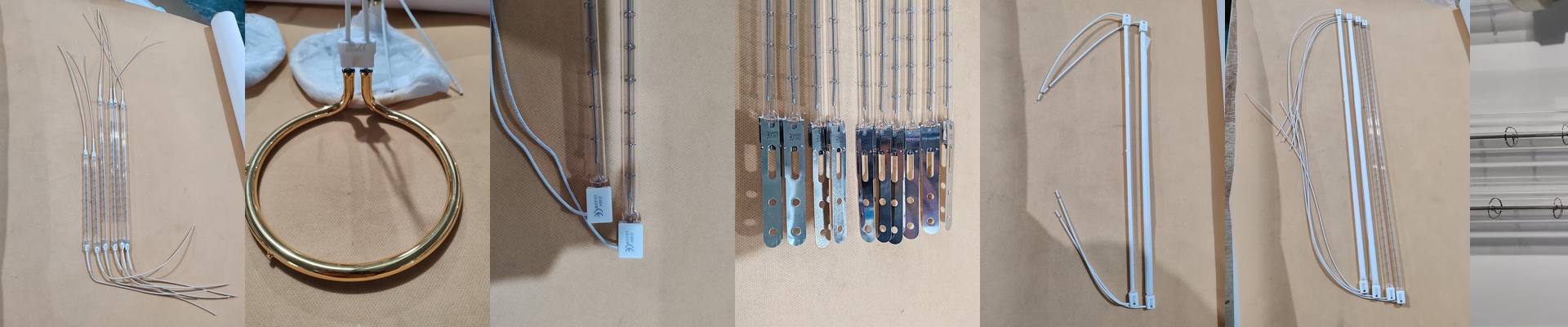
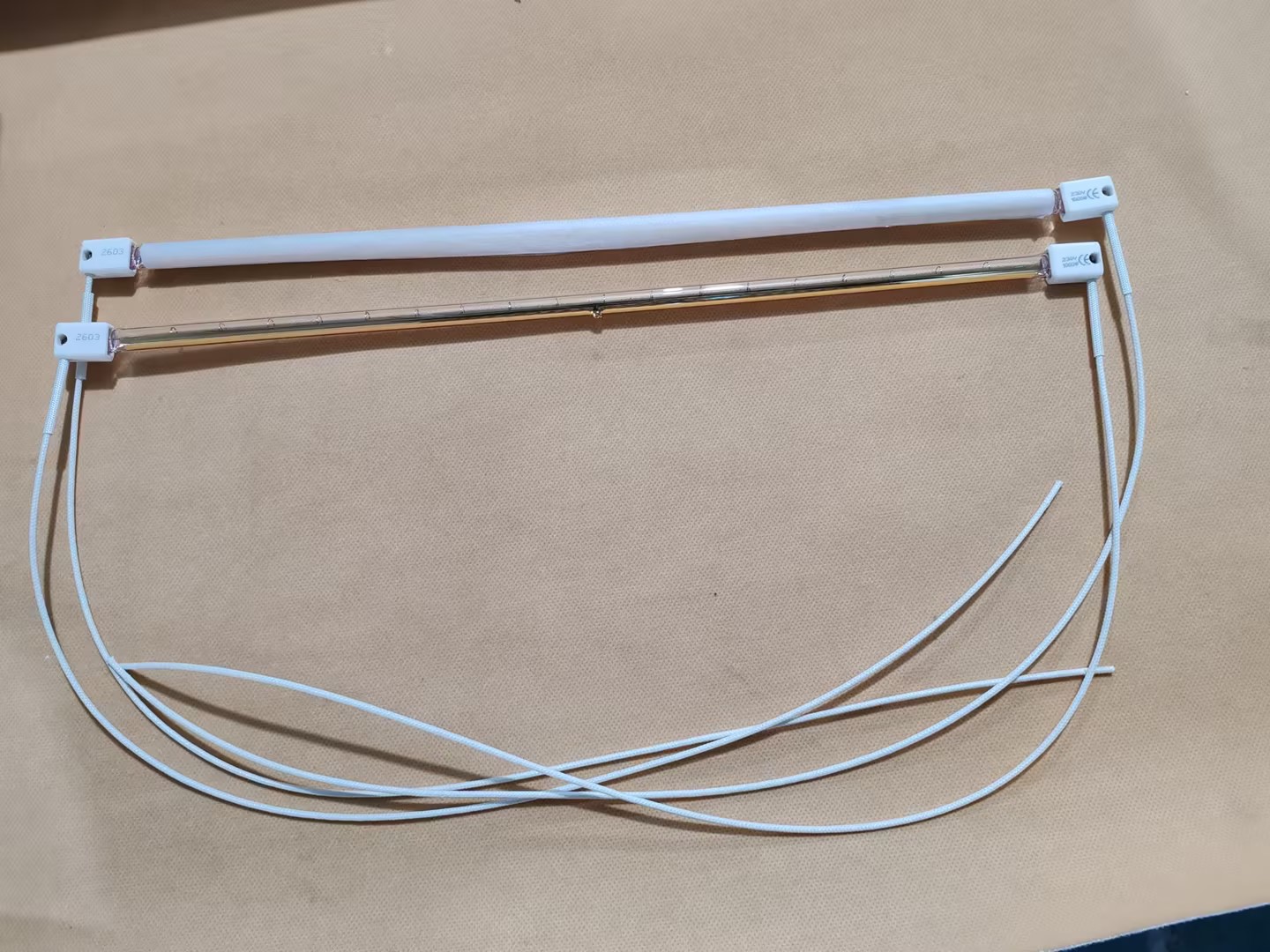
Ever wonder why some heaters just hit instantly while others take forever to warm up? That’s the magic of halogen. Basically, you’ve got a tungsten filament tucked inside a quartz tube, all pressurized with a specific halogen gas mix. This is the secret sauce. It lets the filament run way hotter without the metal evaporating and burning out too fast. The result? You get a blast of shortwave infrared heat the second you flip the switch. The power side of things When we’re picking these lamps, it’s all about the “heat flux”—or, in plain English, how much energy you need to smash into a surface. If you’re running high-wattage tubes at 230V or 400V, you’re dealing with a lot of energy in a very small space. It’s great for when you need a part to hit a specific temperature in a matter of seconds. But here’s the catch: if you cram too much wattage into a short tube, things get dangerously hot. You’ve got to make sure your reflectors are lined up perfectly. And please, don’t skimp on the cooling fans. If the air around the housing gets too stagnant, you’ll end up with melted sockets, and that’s a headache nobody wants. Build and fit The quartz tube isn’t just for show; it keeps the filament from oxidizing. Sometimes we add special coatings to the glass to tweak the heat spectrum or just to keep grime and chemicals from ruining the lamp. As for plugging them in, we stick to the basics like R7s or Sk15 connectors. They’re simple drop-in replacements. They fit tight, which is huge because if your machine vibrates and the connection is loose, you’ll get arcing at the terminals. Not a good look. Where this actually matters You’ll see these things everywhere—blowing PET bottles, welding plastics, or running drying lines. Because shortwave radiation sinks into the material so quickly, you can throw away the slow convection ovens and seriously speed up your cycle times. Plus, these lamps react instantly. If you hook them up to a PID controller, you can dial in your temperature swings with crazy precision. One last thing: treat the quartz with care. It’s fragile. One bad bump or a smudge of oil on the glass creates a “hot spot,” and your lamp will burn out way before its time. Keep them clean, keep them safe, and they’ll do the heavy lifting for you.