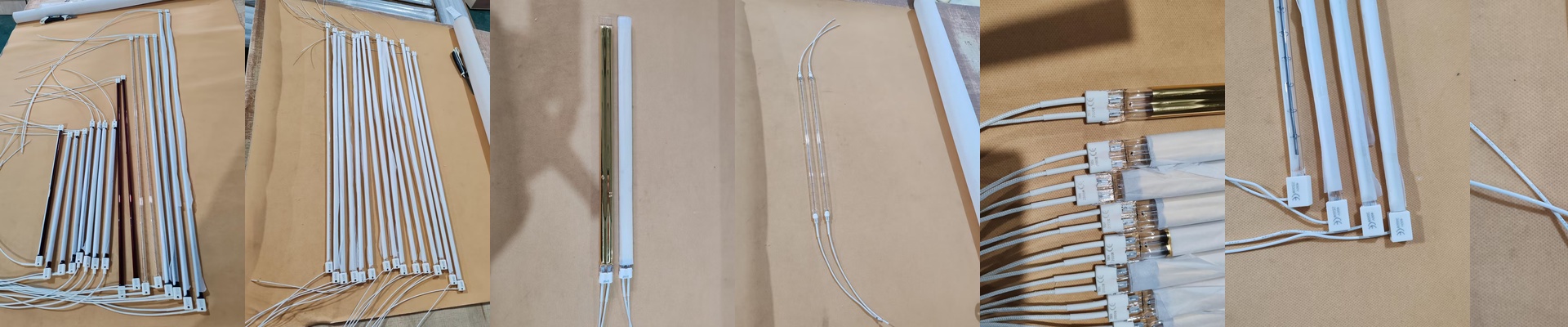
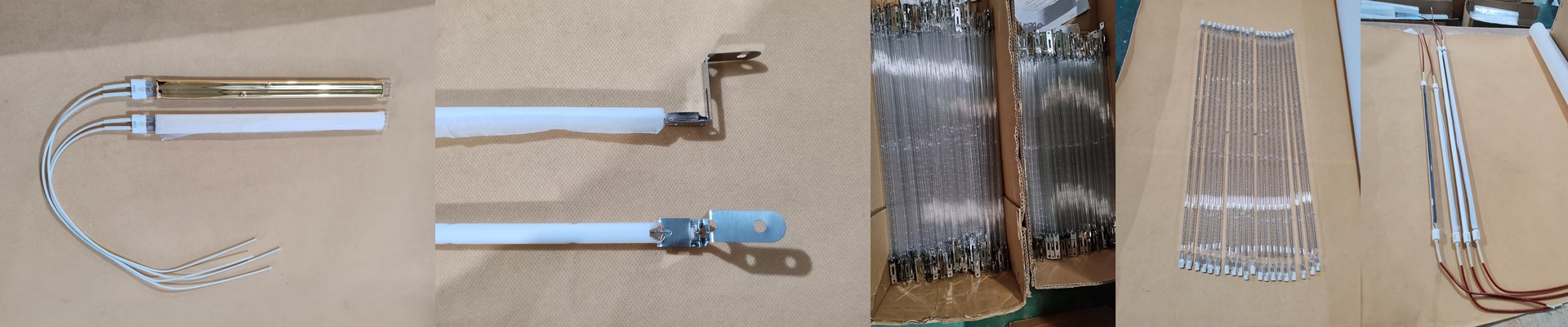
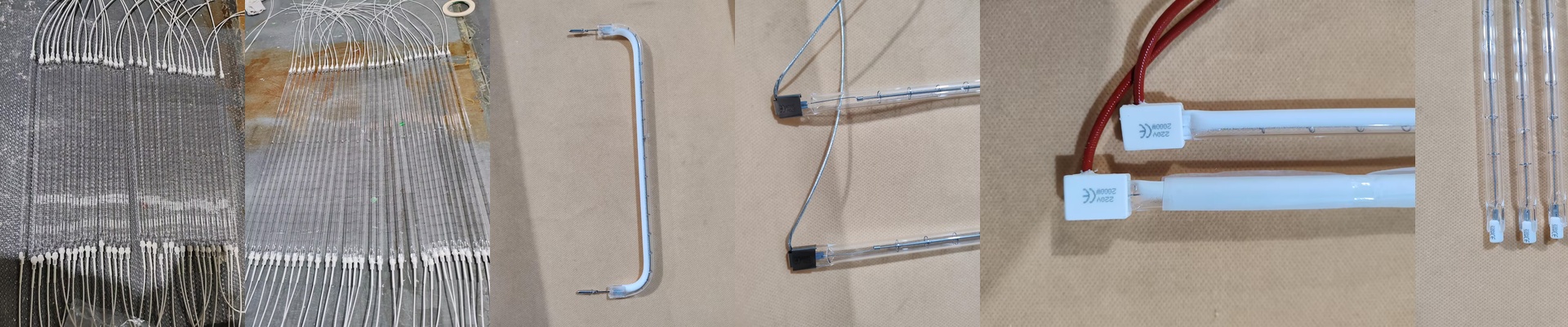
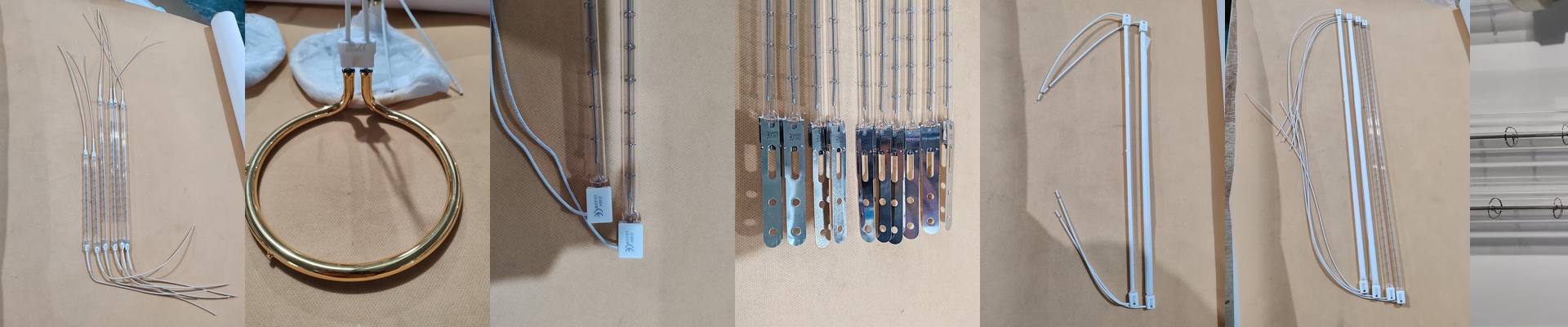
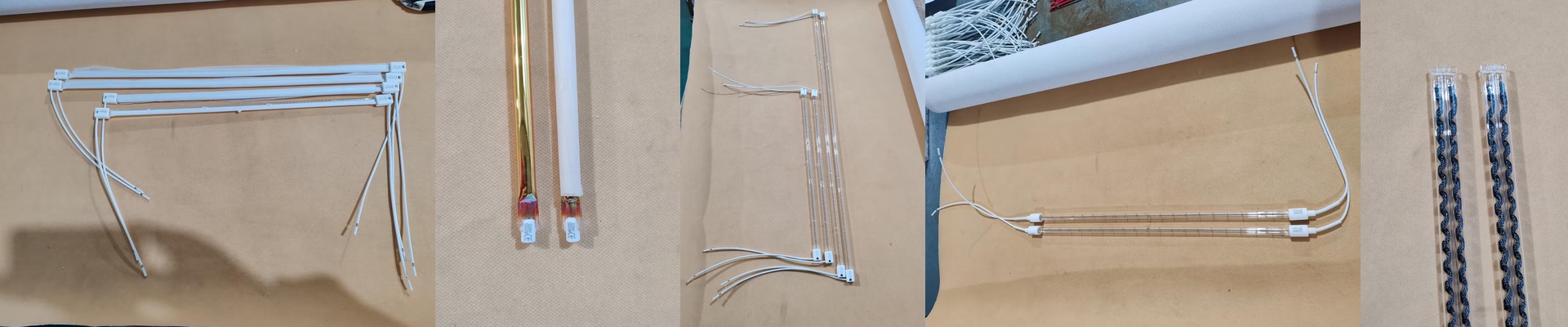
Let’s talk about Quartz Tube Halogen Emitters
If you need to move a lot of heat, fast, these are your best bet. Basically, we’re talking about a tungsten filament tucked inside a high-purity quartz tube and filled with a halogen gas mix. The gas is the secret sauce—it stops the filament from burning out too quickly, so the lamp actually lasts.
Getting the heat right
We build these to hit specific wattage and voltage ratios because, let’s be honest, nobody wants to wait around for a machine to warm up. High-voltage setups let us cram more power into a shorter tube. The result? A concentrated blast of heat that gets your process up to temperature in seconds. Just a heads-up: when you’re pushing that much power into a small tube, you have to be careful. If a drop of cold liquid or a piece of cold metal hits that hot quartz, it can crack.Thermal shock is real.
The build and the fit
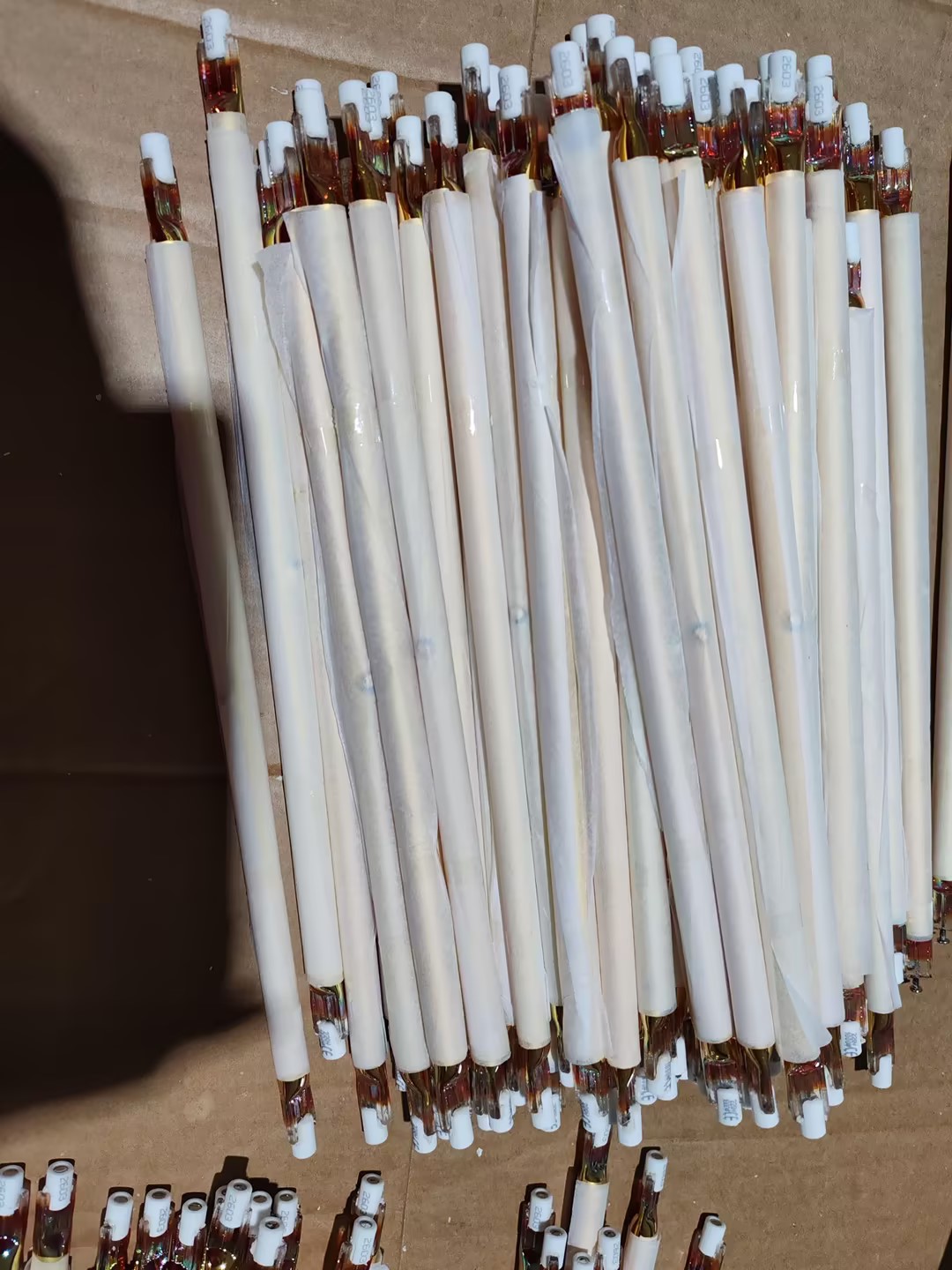
We use quartz because it doesn’t warp or expand much when things get scorching. To make your life easier, we use standard R7s or Sk15 connectors. That means you can just swap them into most industrial ovens without having to rewire the whole thing. You’ll also see some versions with a gold or aluminum coating. Think of it like a mirror. It bounces the infrared energy back toward your product instead of letting it leak into the machine chassis. It’s a simple way to stop wasting energy.
Putting them to work
You’ll see these all over the place in PET bottle blowing and plastic curing. When you’re running a conveyor belt, you can’t afford a lag in heat. These lamps respond instantly. If you pair them with a PID controller, you can keep your temperature swings incredibly tight. But here is the catch: these things getinsanely hot. You’ve got to get your cooling fans right. If the airflow is too weak, the ends of the lamps will overheat and fry. Also, give your material some breathing room. If the emitter is too close to the substrate, you’re going to scorch your work.