Tungsten Infrared Halogen Heaters: Power, Design, and Industrial Performance
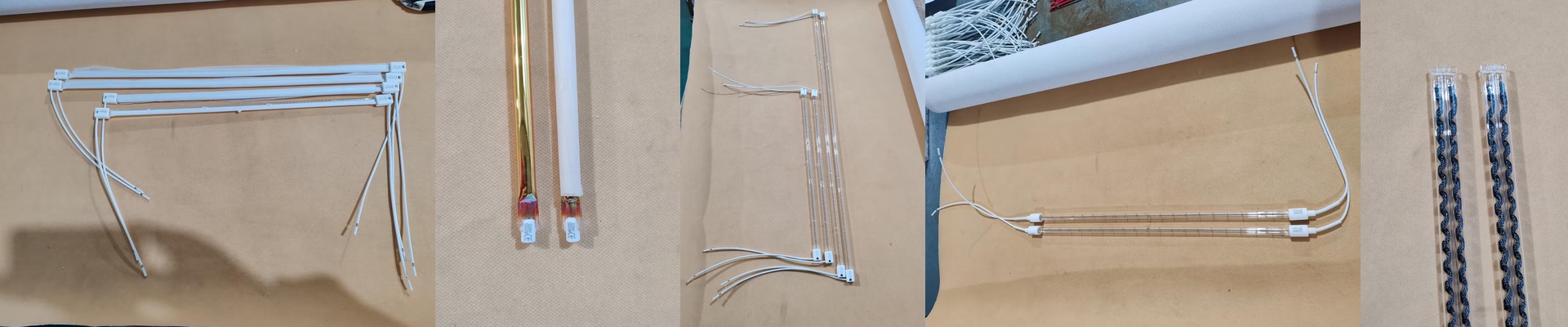
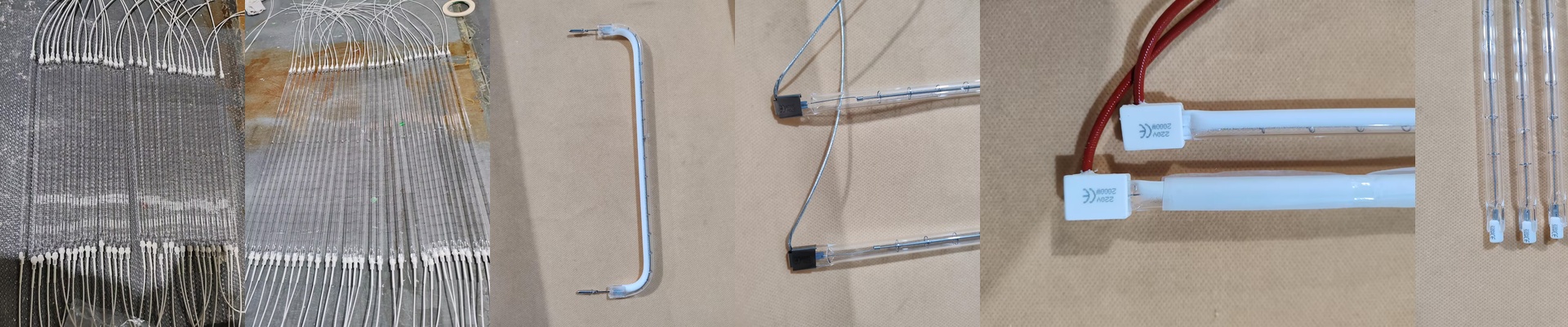
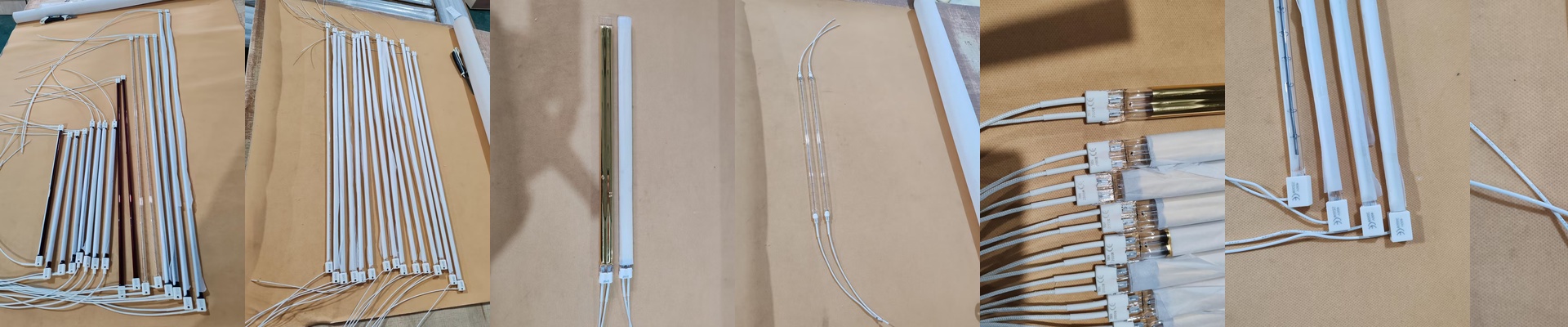
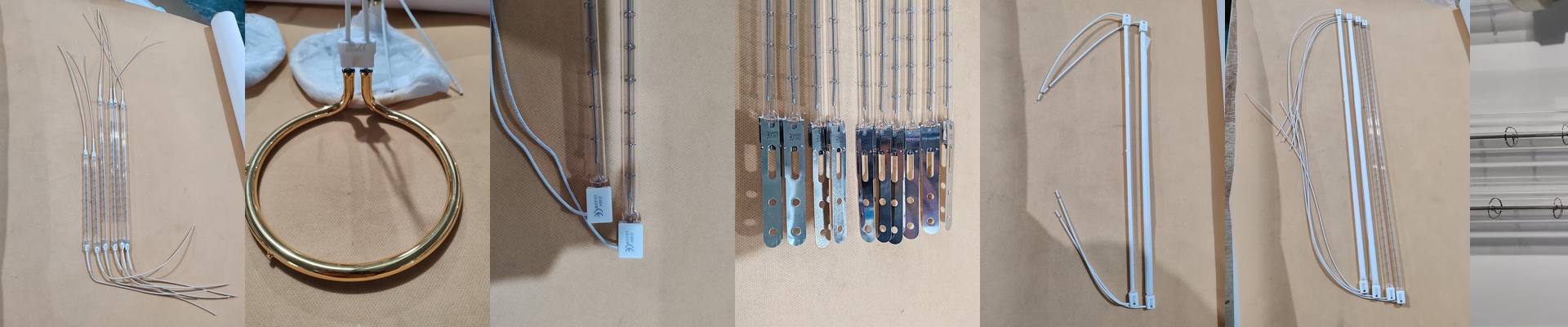
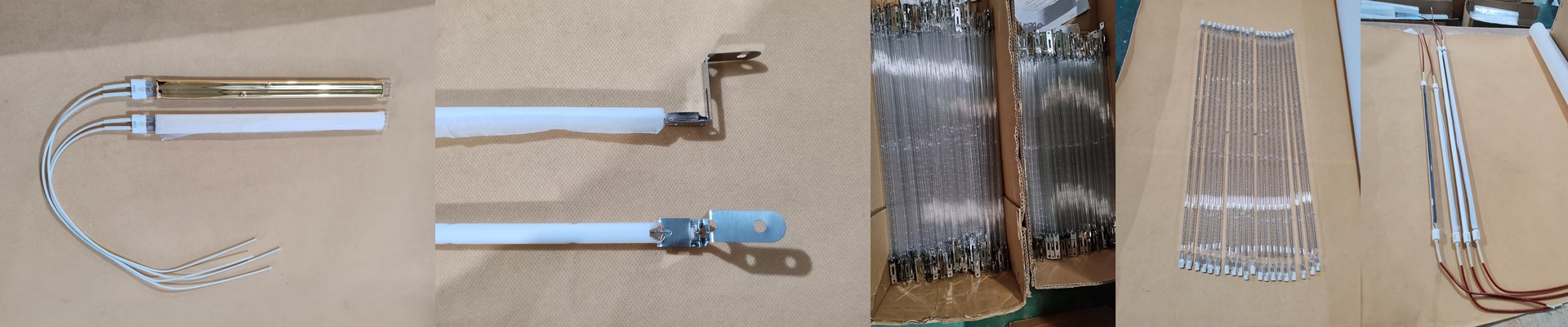
A tungsten infrared halogen heater is not just a light bulb with heat; it is a compact, high-intensity thermal tool built for industrial processes that demand fast response and precise control. We build these heaters around a tungsten filament sealed inside a quartz envelope, with a halogen gas fill that keeps the filament stable at high temperatures. The result is a heater that delivers intense shortwave infrared energy, ready to work in tight spaces where process time is money.
Technical Deep-Dive: Power, Voltage, and Dimensions
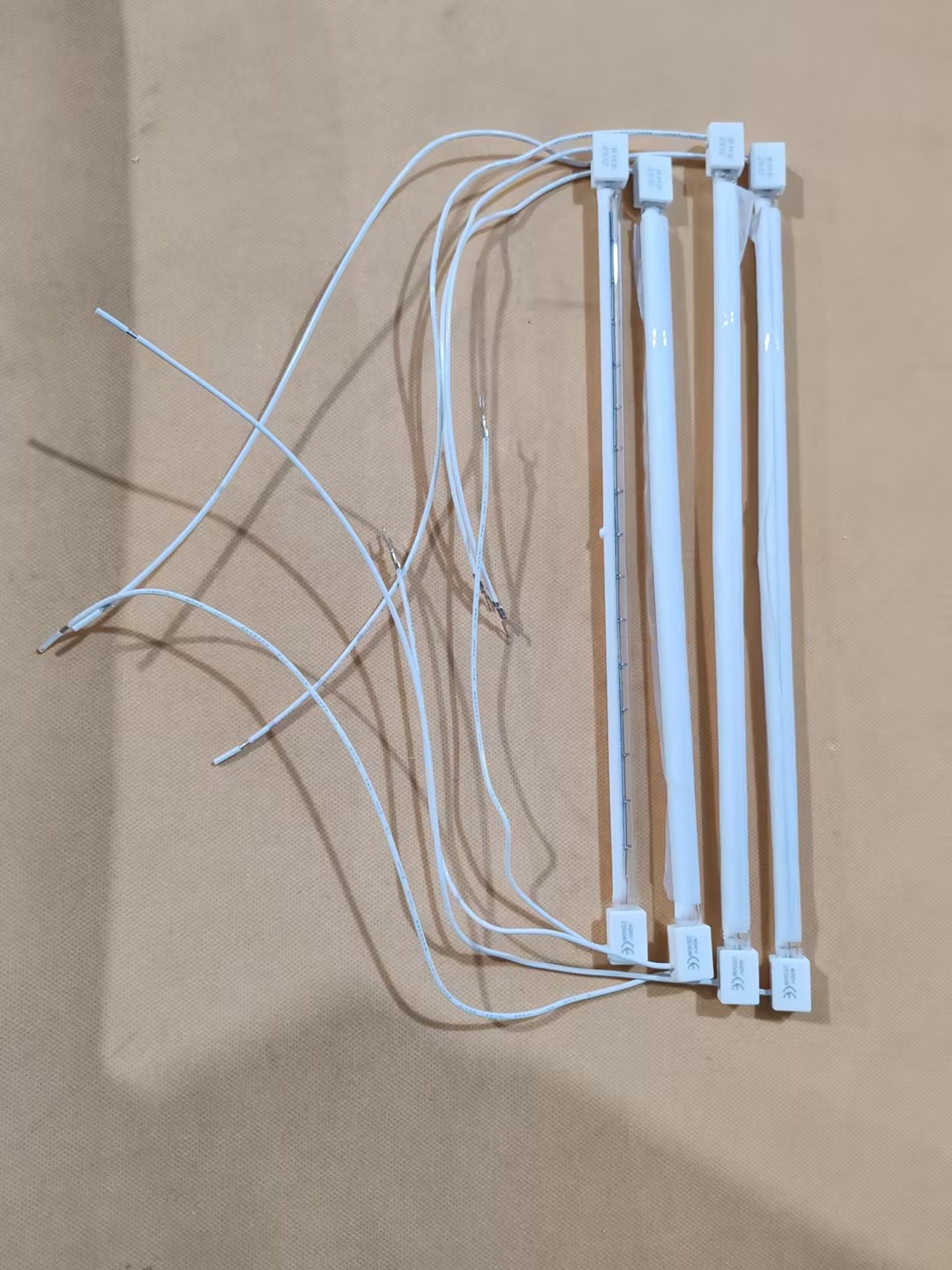
The core specs drive the performance. A 400V, 2500W rating is common for industrial halogen heaters because it gives you high heat output without pushing current too high. Higher voltage lowers the current for a given power, which reduces conductor size and voltage drop over the wiring run. That matters when you are running multiple heaters in parallel across a machine. The 300mm length is a deliberate footprint. It concentrates the heat into a defined zone, letting you match the heated area to the part geometry. Shortwave infrared output peaks fast, so you get rapid temperature rise and quick cool-down when the power is cut. That translates to tighter thermal control on fast cycles. Trade-off: packing 2500W into 300mm produces high heat density. The heater runs hot, and the surrounding mounting area gets hot too. You must design adequate clearance and airflow or heat shielding to protect nearby components.
Material and Design: Halogen Cycle, Quartz, and Connectors
The halogen cycle is the key to long life at high filament temperatures. Halogen gas inside the quartz tube captures evaporated tungsten and redeposits it back onto the filament. This keeps the envelope clear and slows filament thinning, so output stays stable over time. Quartz is the right envelope material for this job. It handles the thermal shock of rapid on/off cycling and stays transparent to infrared, so the energy gets out efficiently. We often add a reflective coating on the quartz to direct more infrared forward, cutting stray heat and improving the intensity on the target. The R7s connector is standard because it is built for high temperature and high current. It gives you solid contacts, straightforward wiring, and a secure mechanical hold in the reflector assembly. The design keeps the joint cool, which helps the heater survive vibration and thermal cycling on the plant floor.
Application and Benefits: Where This Configuration Wins
This heater configuration is the go-to when you need fast, localized heating. In plastics processing, it is a natural fit for preheating parisons in PET blowing, where cycle time and temperature uniformity drive yield. In packaging, it seals films quickly without heating the entire machine frame. It also works well in coating lines where you need to drive off solvents fast, and in assembly processes that require instant heat without waiting for a large oven to ramp up. The benefits come down to engineering practicality. The compact 300mm form factor fits tight spots. The 400V, 2500W rating delivers high intensity with manageable current draw. The halogen cycle and quartz construction keep the output stable, and the R7s connection makes installation a clean, repeatable job. If you need to replace an existing unit, this is a drop-in replacement—just match the voltage, wattage, length, and connector. Reality check: the fast response and high intensity are powerful, but they also mean the heater and its surroundings run hot. Plan your mounting, cooling, and guarding up front, and you will get repeatable performance with minimal downtime.
Spec Sheet at a Glance
- Type: Tungsten infrared halogen heater
- Voltage: 400V
- Power: 2500W
- Length: 300mm
- Connector: R7s
- Envelope: Quartz with reflective coating
- Spectrum: Shortwave infrared