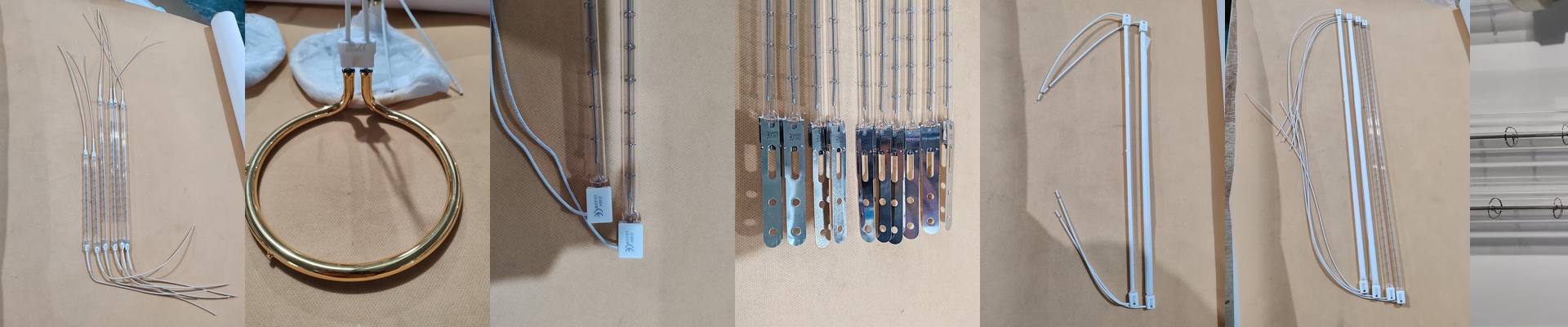
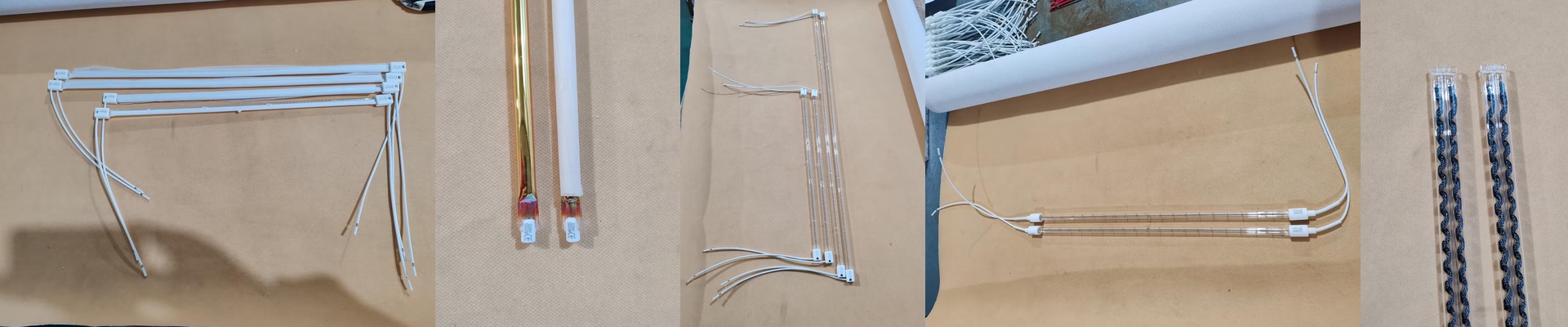
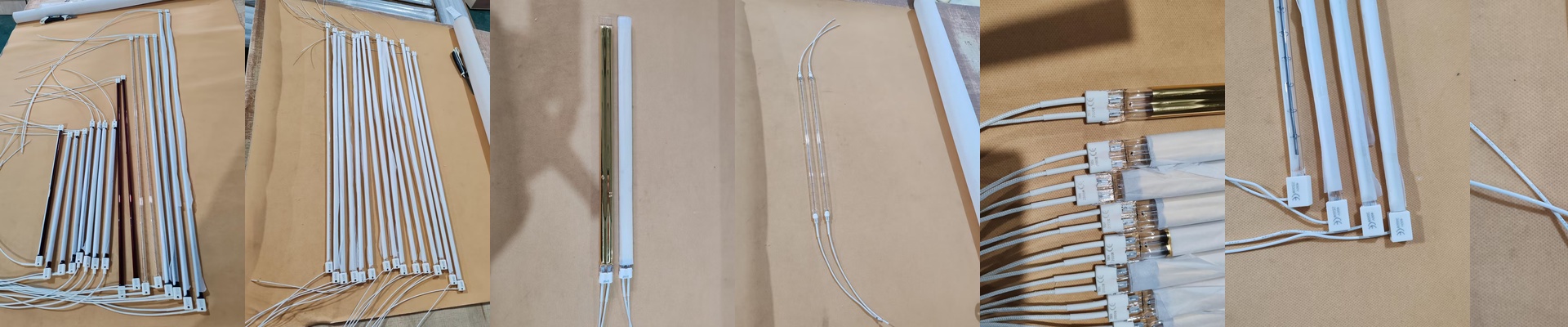
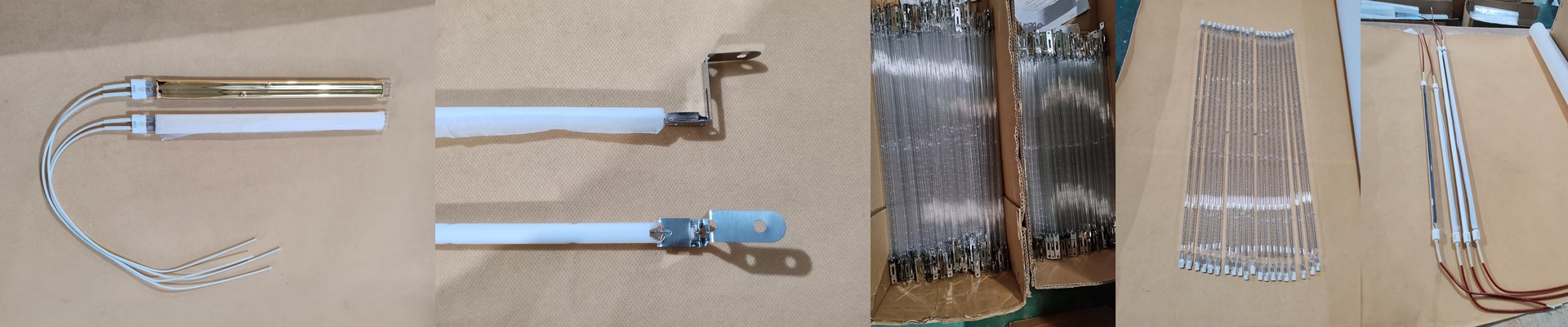
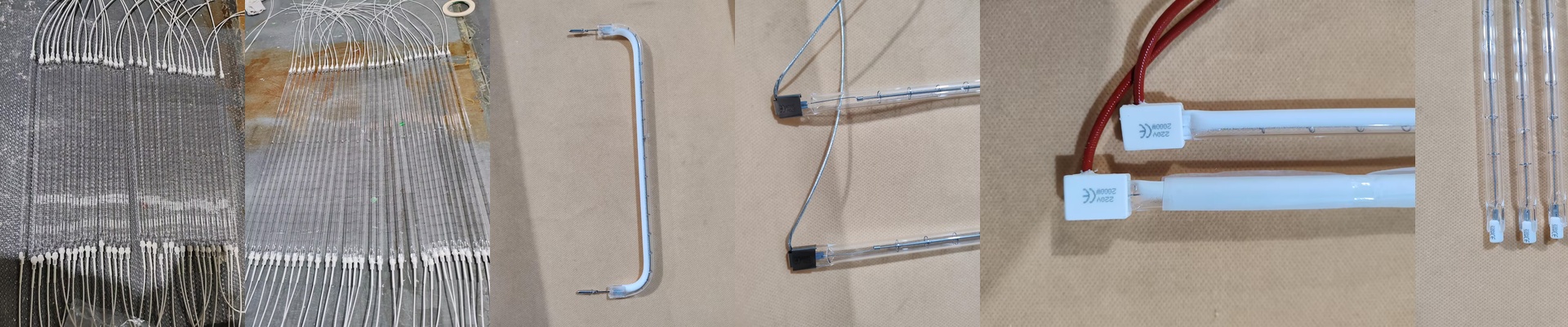
The 300W Halogen Lamp: Heat, Right Where You Need It
Let’s talk about a workhorse that doesn’t mess around: the 300W halogen lamp. It’s not some bulky, over-the-top heater. It’s a compact powerhouse, built to deliver intense, focused heat exactly where you need it most. Think about those industrial jobs where you need to hit a specific spot with serious energy, fast. That’s where this lamp shines. It blasts out radiant heat directly onto the target, which means you’re not wasting energy heating the whole room. It’s all about speed and control.
Power that Fits in the Palm of Your Hand
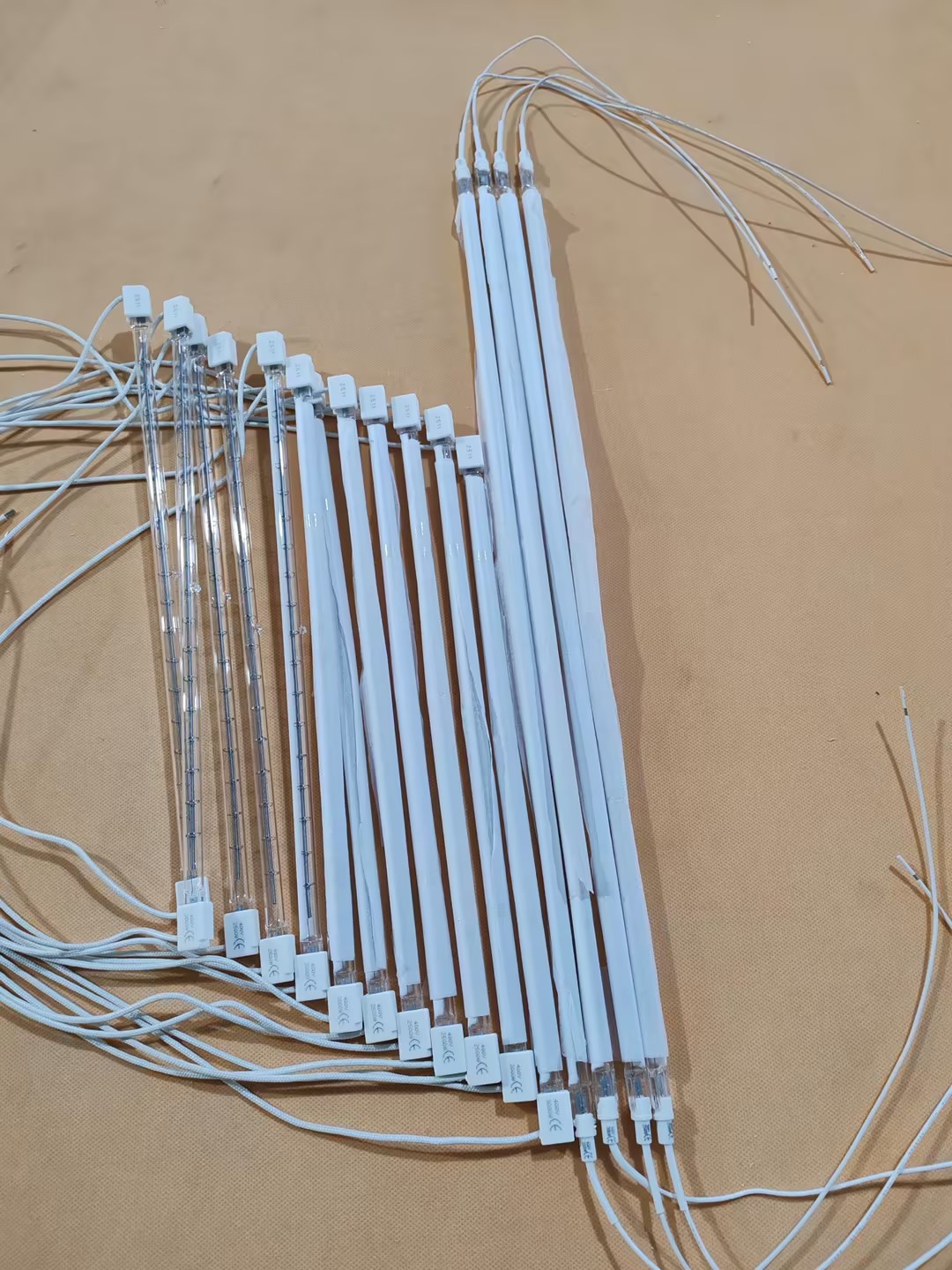
So, what does 300W really mean for you? It means a serious punch of heat, but without demanding a monster electrical setup. It’s the sweet spot between raw power and practicality. And getting it hooked up is a breeze. It runs on standard industrial voltages, either 110V or 220V, so it plays nice with your existing power. The lamp itself is about 300mm long—think of it as the perfect size to slip into a tight spot. It gives you a huge amount of heat from a small footprint, which is a lifesaver when you’re retrofitting old gear or trying to keep a new design sleek.
The Secret to Its Toughness
Here’s the thing about this lamp: it’s built to last. The magic happens inside a quartz tube, filled with halogen gas. This isn’t some delicate glass bulb. It’s designed to handle extreme heat and the constant shock of turning on and off. That halogen cycle is what keeps the filament clean, which in turn keeps the light output steady and extends the lamp’s life. No more worrying about it burning out after a few cycles like a standard bulb. And the R7s connector? It’s a direct, solid link that handles the high current without breaking a sweat. Installation is honestly a drop-in replacement. No fuss.
Built for the Workshop, Proven on the Floor
Out in the real world, this is where the lamp earns its keep. Take plastic processing, for example. You need to heat preforms or seal materials quickly, and this lamp gets the job done. The heat is so concentrated that you get a rapid temperature rise, which can really cut down on cycle times. It’s a rugged piece of equipment, designed to take the knocks and the grime of a tough workshop environment. But here’s the trade-off you need to be aware of: that intense, focused heat means the surrounding area gets hot. So, you’ve got to make sure your machine has proper cooling to manage the ambient temperature. For engineers, it comes down to this: you’re getting a reliable, easy-to-install component that delivers serious performance without making your system any more complicated than it needs to be.