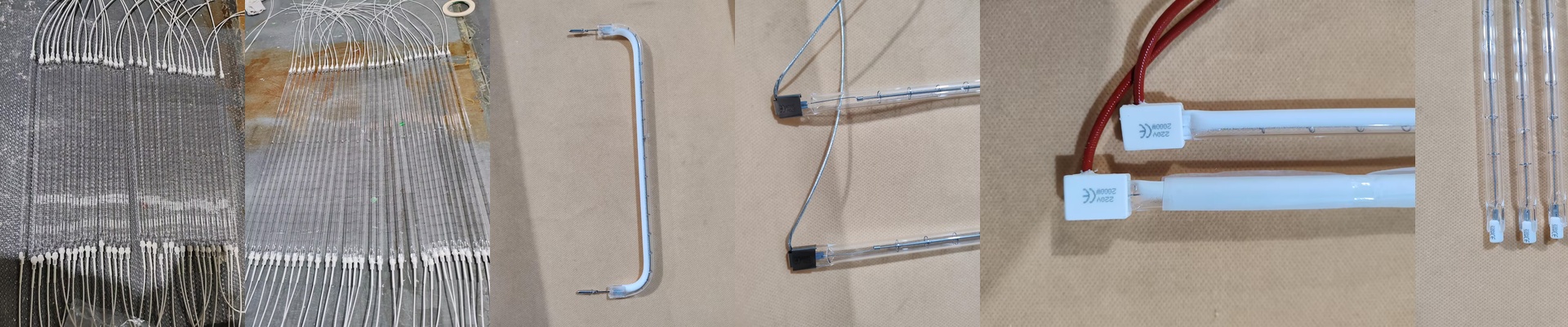
Quartz Halogen Lamp Jacket: The Heat Solution That Actually Gets Out of Your Way
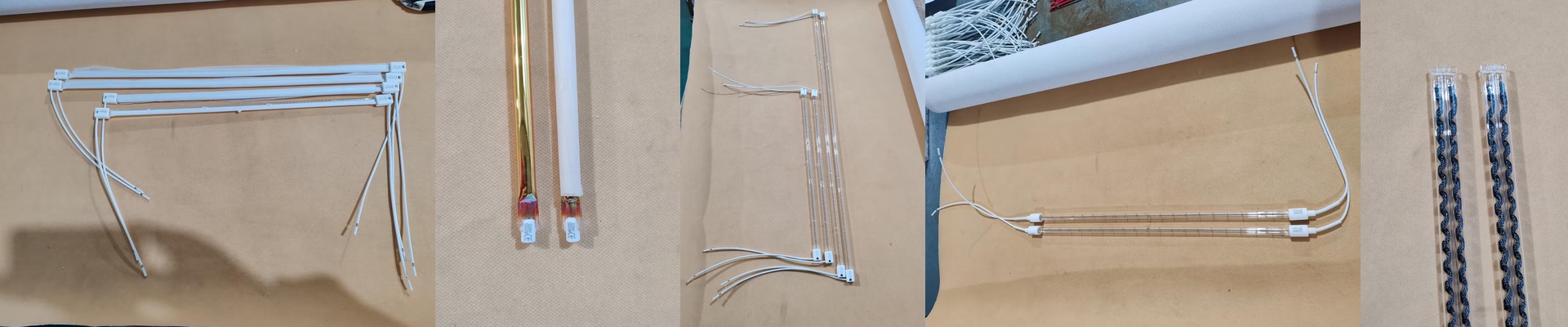
Here’s the thing about industrial heating: sometimes you need a lot of heat, right now, in one tiny spot. That’s exactly what the quartz halogen lamp jacket was built for. It’s compact, intense, and focused. Think of it as a precision tool for engineers who need heat they can trust—predictable, repeatable, and small enough to slip into an existing line without forcing a full machine overhaul.
Why it hits so hard in such a small package
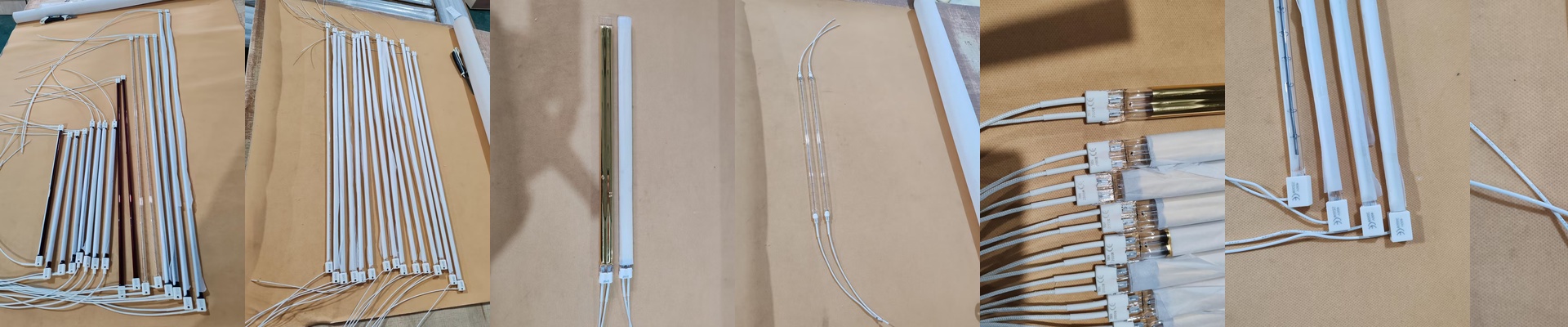
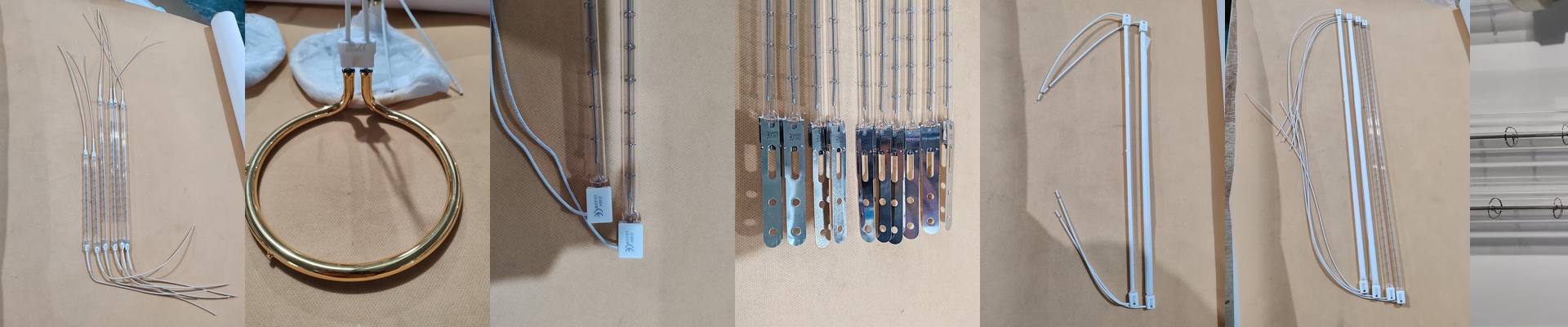
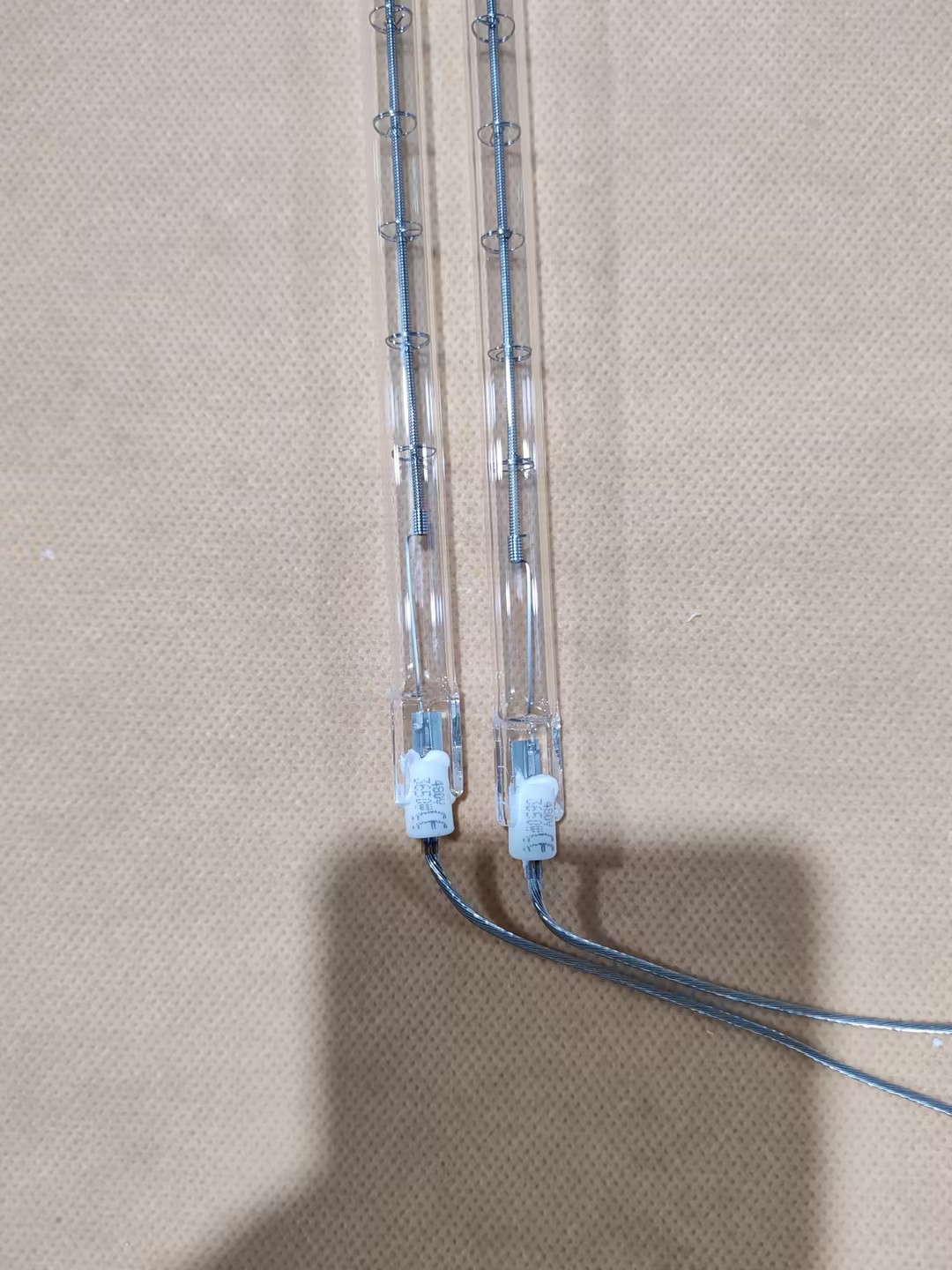
We designed these lamps to pack serious heat density into a tight footprint. That means you can heat your target fast, without turning the whole machine into a sauna. The wattage and voltage are matched carefully to the tube’s shape and what your process actually needs. Take the 400V option, for example—it lets you push high power through a short length while keeping the current manageable. That keeps your wiring simpler and your conductors smaller. But there’s a practical side to that power: your control gear and cooling have to be properly rated. And the length? It’s chosen to match the heating window exactly. No overhang. No wasted heat. Just the right amount, right where you need it.
What it’s made of—and why that matters on the floor
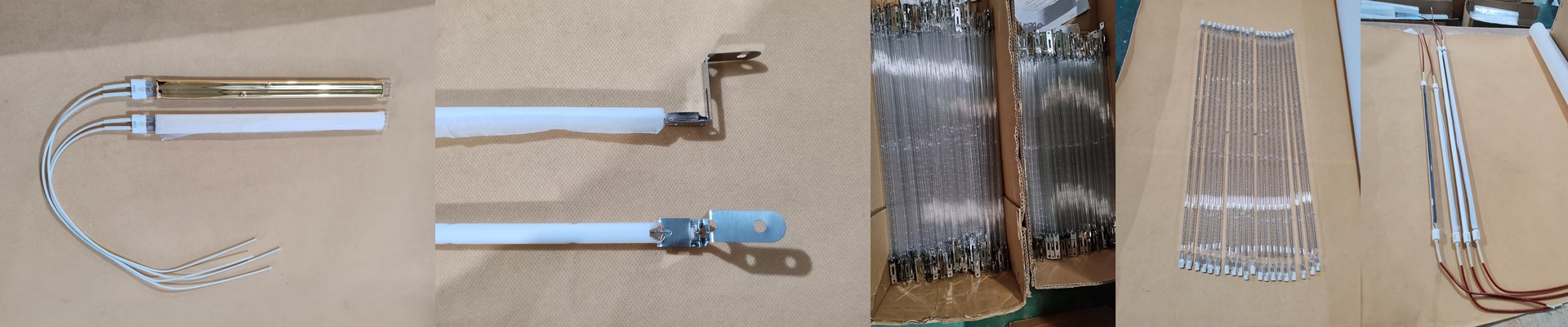
Quartz glass is the backbone here. It can handle the shock of rapid on/off cycling, and it stays steady even when the filament runs hot enough to deliver strong infrared output. The halogen cycle keeps the filament clean by putting evaporated material back where it belongs. That means consistent brightness and stable resistance over the life of the lamp—no surprises when you need the heat to hold steady. A shortwave infrared coating helps focus the energy into the band where many industrial materials soak up heat most efficiently. And the R7s connector? It’s a simple, two-pin setup that makes installation feel like a drop-in job. Solid contact, dependable current delivery—one less headache during setup.
Where it shines—and what to keep in mind
In real-world use, this configuration is perfect for processes like PET blowing, where you need rapid, localized heating to soften preforms without heating everything around them. The response is fast. Warm-up time drops. And because it’s compact, you can place the heater close to the target, so energy transfer is efficient. Now, the trade-off: high power density means you need adequate cooling and the right voltage match. But when you spec it correctly, you get heating that feels predictable, output that stays stable, and a component that keeps taking the heat—day after day.