Introduction
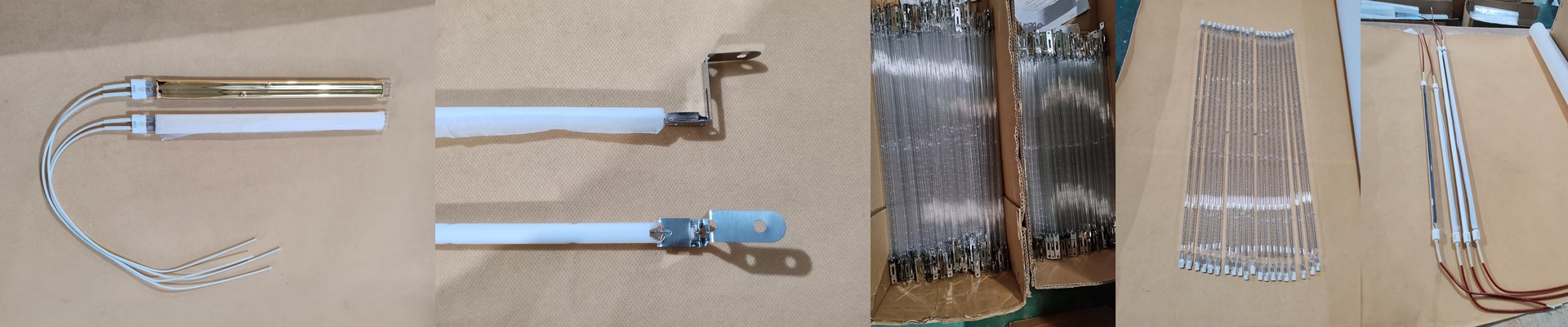
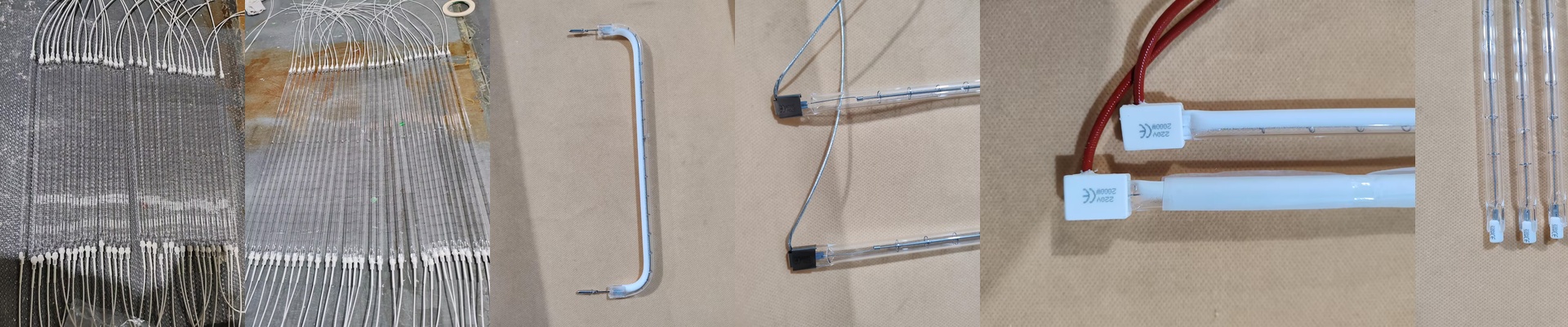
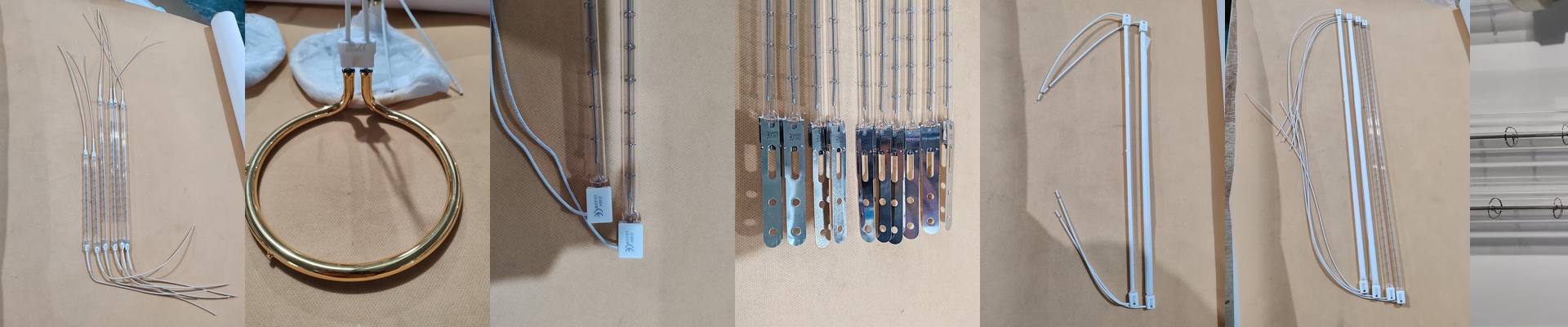
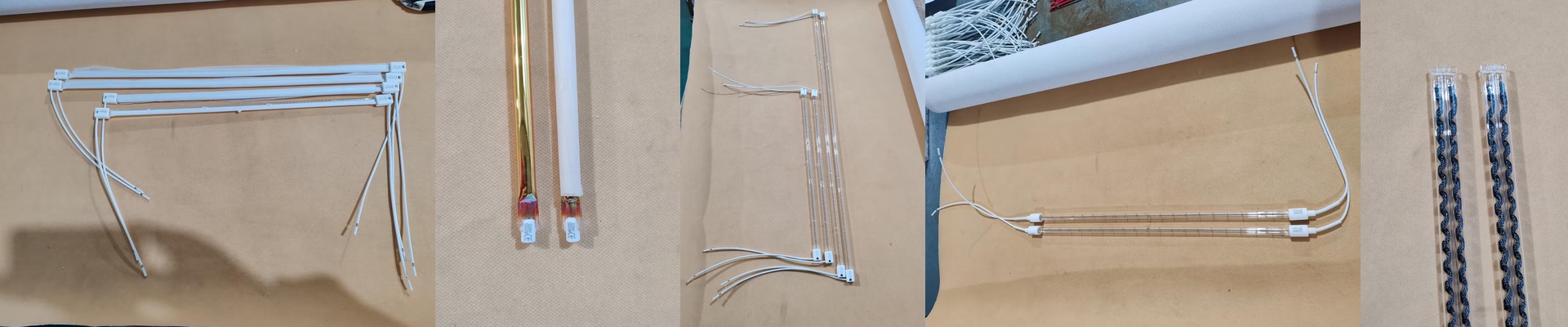
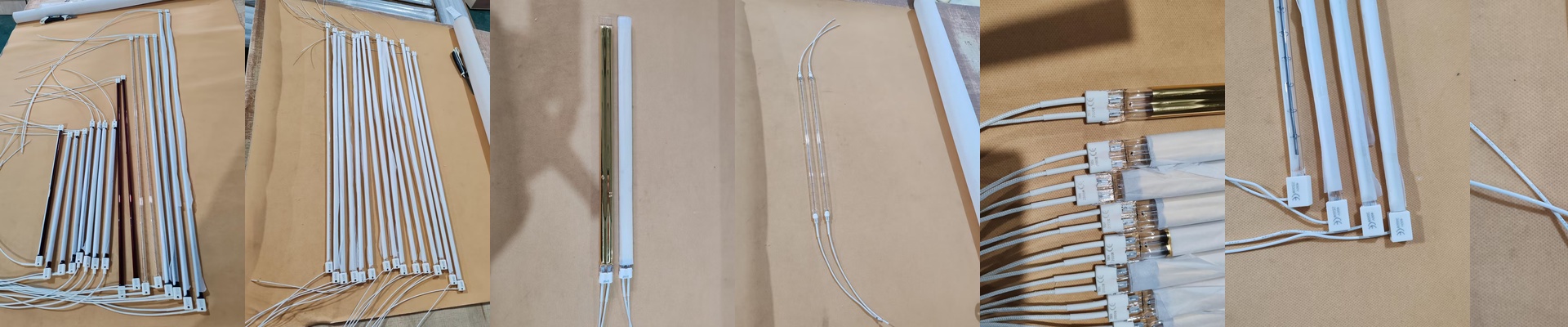
We built this 220V halogen lamp for one reason: to handle industrial heating jobs in US facilities. It’s a compact radiant heater—built around a quartz envelope and halogen gas—and it’s meant to do one thing really well: deliver controllable, high-intensity heat in a small footprint. When you need heat fast, and you need it to stay steady, this is the kind of tool that just gets out of the way and does the work.
Power, Voltage, and Geometry—Why It Matters
The 220V rating isn’t random. It matches standard US plant power, so you can wire it in without overhauling your electrical setup. Halogen lamps run hot, and voltage directly shapes how much current you draw and how dense the heat gets. And the length? It’s not just about fitting the space. It determines the geometry of the heated zone. A shorter tube concentrates the heat into a tighter envelope—perfect when you need serious watt density in a cramped spot.
Materials and Design: Quartz, Halogen, and the R7s Base
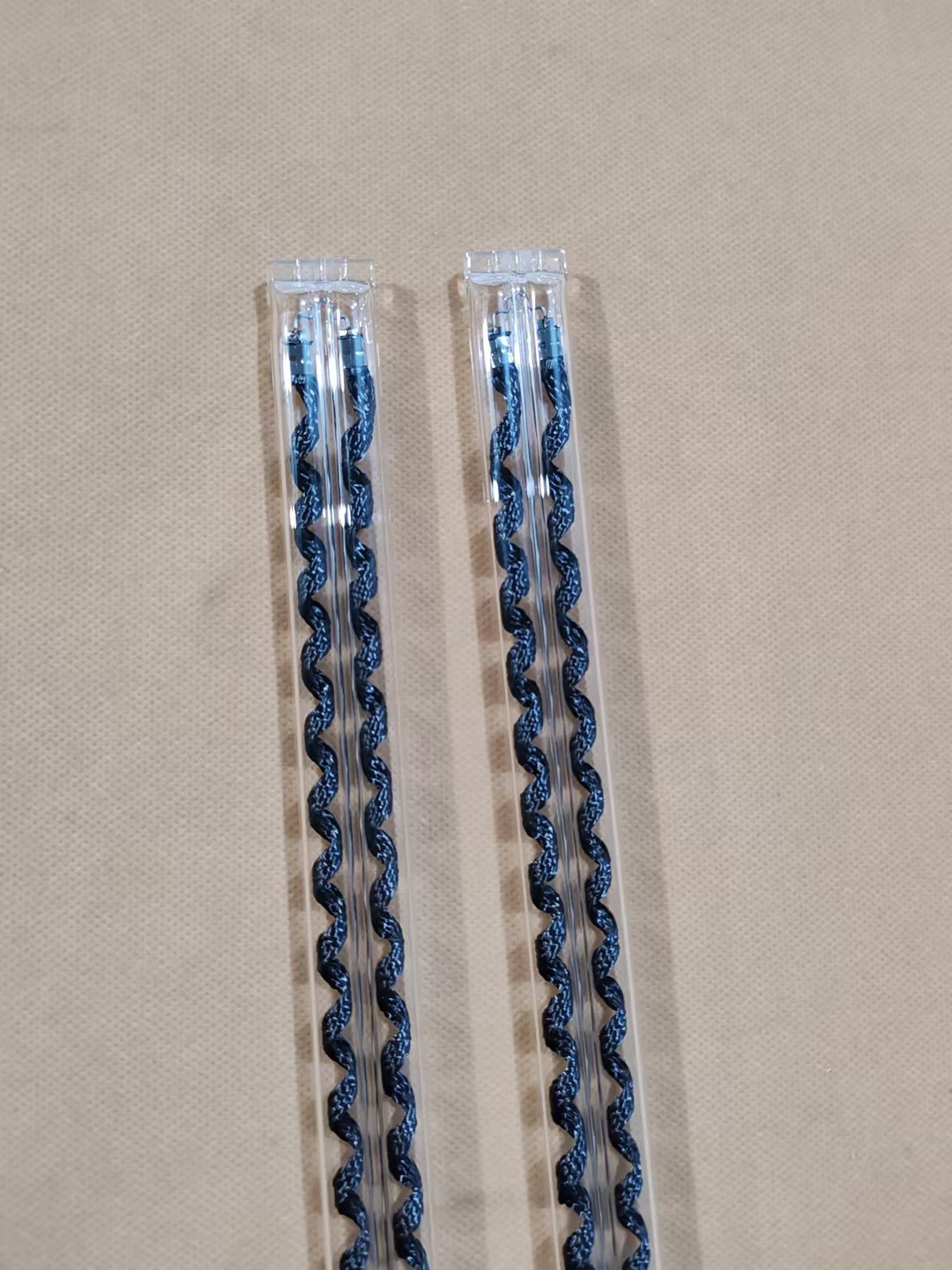
The quartz envelope is there for a reason: it handles rapid on/off cycling without cracking under thermal shock, and it helps keep output stable. Then there’s the halogen gas. It keeps the filament cleaner at high temperatures, which supports longer life and more consistent performance than you’d get from a standard incandescent. And the R7s base? Practical, plain and simple. It gives you a rigid, two-contact termination that can handle high current, and it makes the lamp a drop-in replacement in common industrial fixtures.
Where It Shines—And What to Keep in Mind
Use this lamp when you need fast, focused heat—think plastic softening, adhesive activation, or localized curing. Because it’s 220V-compatible, compact, and built around high-temperature quartz, you get predictable heating that fits into your process without a fight. Here’s the part to plan for: the heat density is high. That means you’ll want proper fixture spacing and enough cooling or shielding so nearby components don’t take the heat—literally.