Technical Deep-Dive: Power, Voltage, and Dimensions
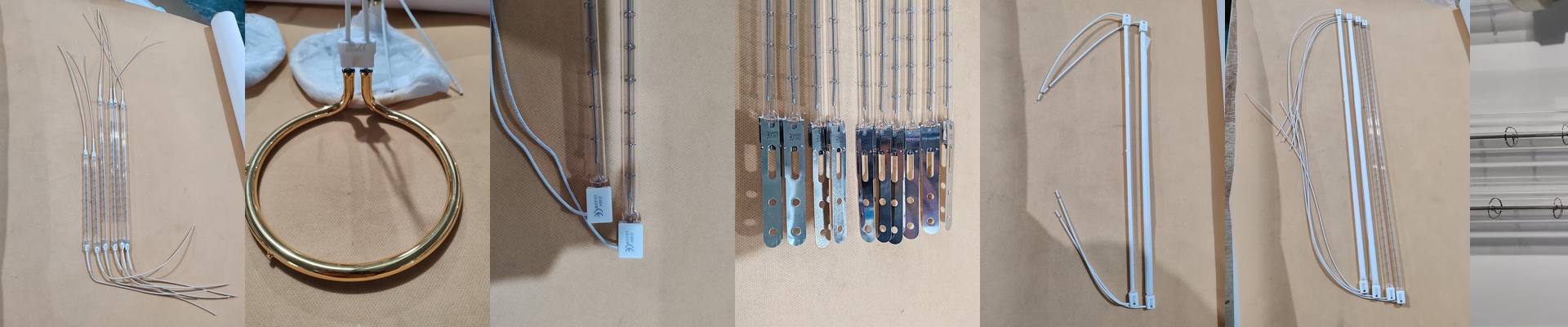
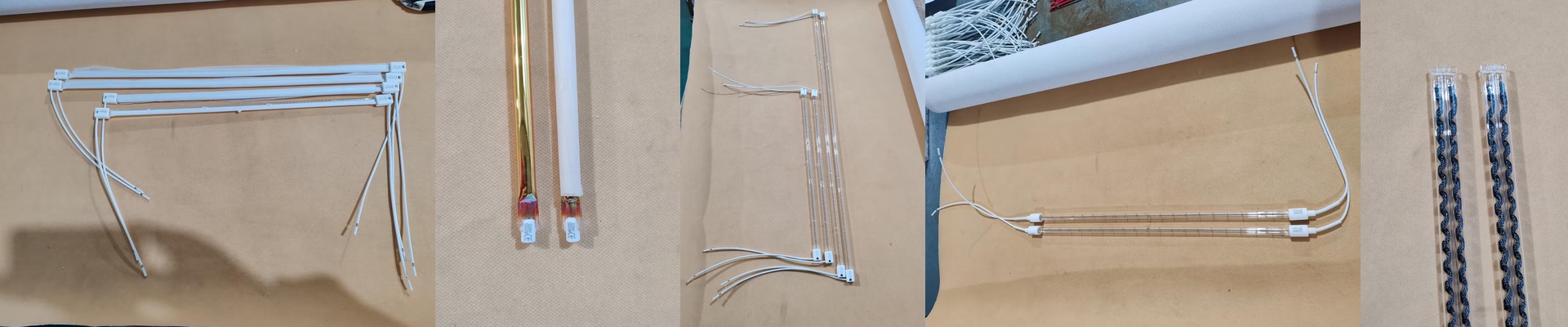
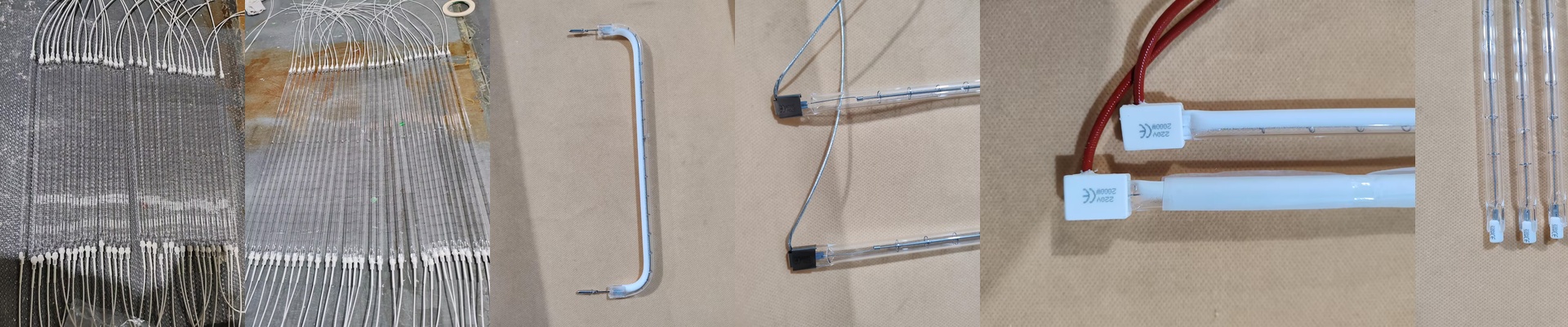
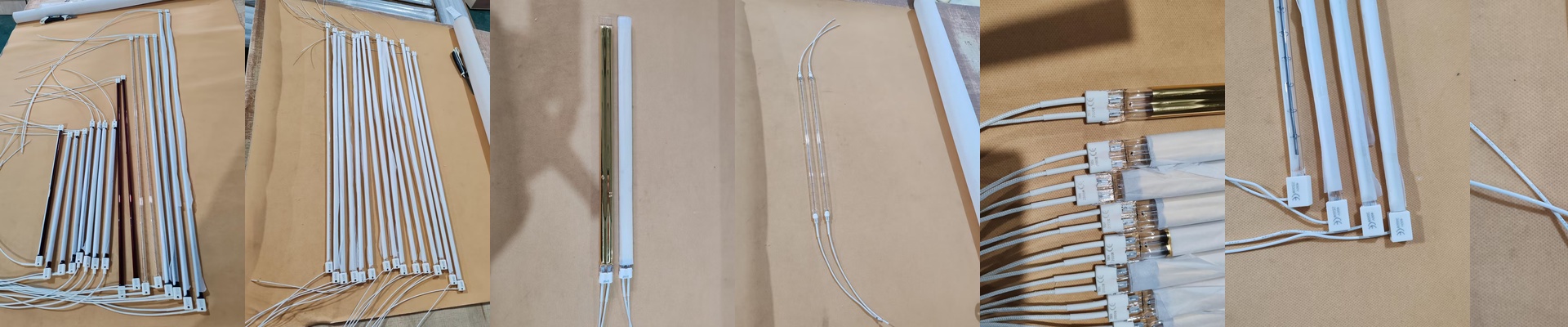
Let’s talk about the 354mm 400V 3000W Halogen IR Lamp. We built this thing to be a serious workhorse—a high-density heating element that doesn’t mess around. The 354mm length? That wasn’t an accident. It’s the standard size for industrial gear, which means you can just pop it in and replace the old one. No redesigning the whole setup. And the 400V? That was picked to line up perfectly with industrial control systems and power distribution. So you won’t be stuck adding step-down transformers all over your shop floor. At 3000W, this lamp throws off serious heat. It’s meant for jobs that need heat, fast. But with that kind of power, you need to make sure the equipment around it can handle the heat, too.
Material & Design: The Halogen Core
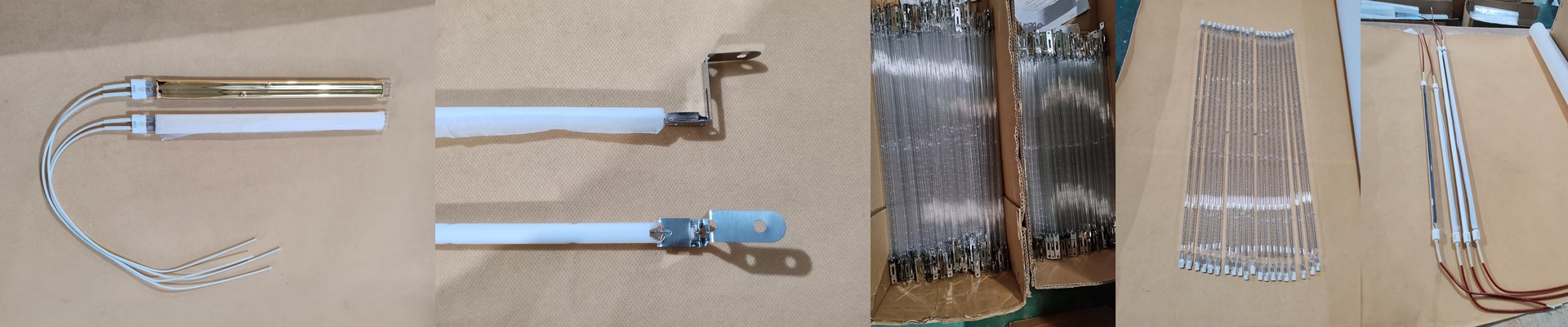
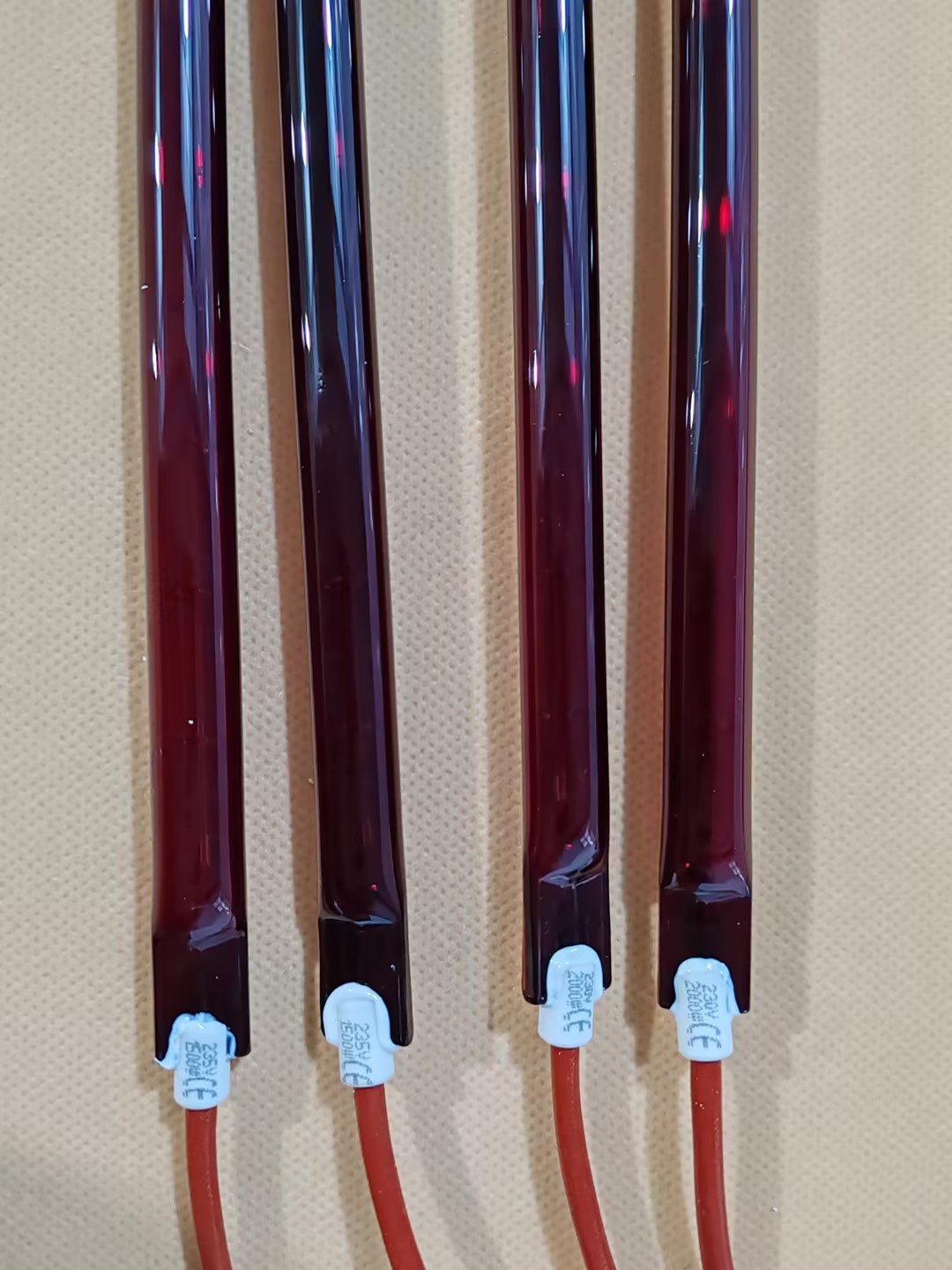
At the heart of this lamp is the semi-transparent quartz envelope, wrapped around a halogen filament. That semi-transparent coating? It’s not just for looks. It’s functional. It lets some of the infrared radiation pass right through, while the rest gets absorbed and re-radiated. That gives you a broader, more effective emission spectrum. And that design keeps the output steady over the lamp’s entire life. Inside, the halogen cycle keeps the quartz tube from blackening. So you don’t get the performance drop you see with standard IR lamps. Then there’s the R7s connector. It’s the standard for this size, and it gives you a solid, two-point electrical connection that can handle the current without getting hot under pressure.
Application & Benefits: Solving Real Engineering Problems
When you need heat that’s fast, reliable, and fits the space you already have, this lamp is the answer. It delivers focused infrared heat that gets right into the material. Perfect for things like plastic welding, curing coatings, or pre-heating components. The 400V/3000W combo gives you a lot of power in a small package. And the halogen tech keeps the output stable, so your process temperatures stay consistent. But here’s the thing—it runs hot. That’s the trade-off. So proper mounting and heat shielding aren’t optional. They’re a must. For engineers, that means you get a predictable, high-performance heating solution that fits cleanly into your standard equipment. No surprises. Just solid performance.