Introduction
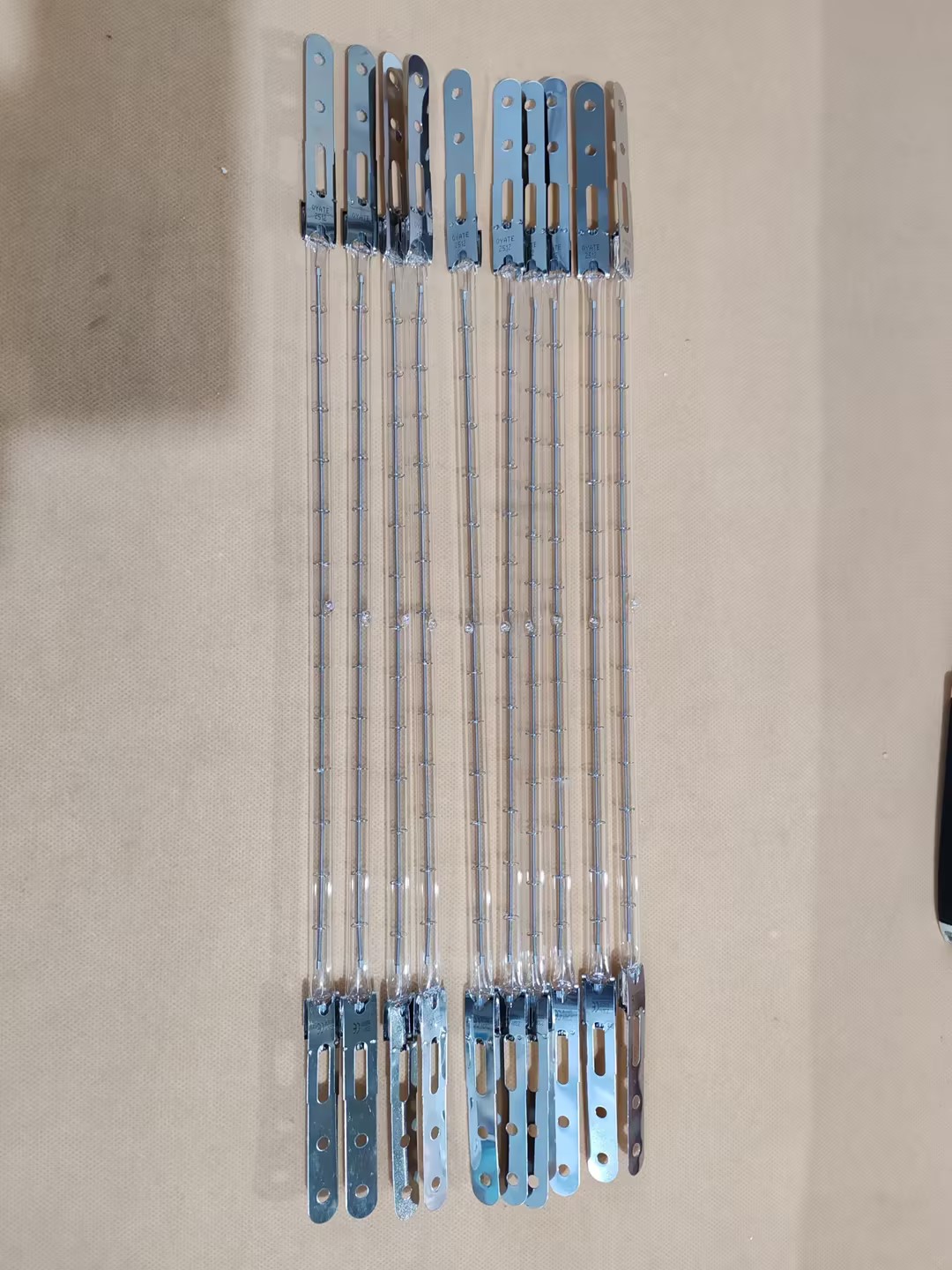
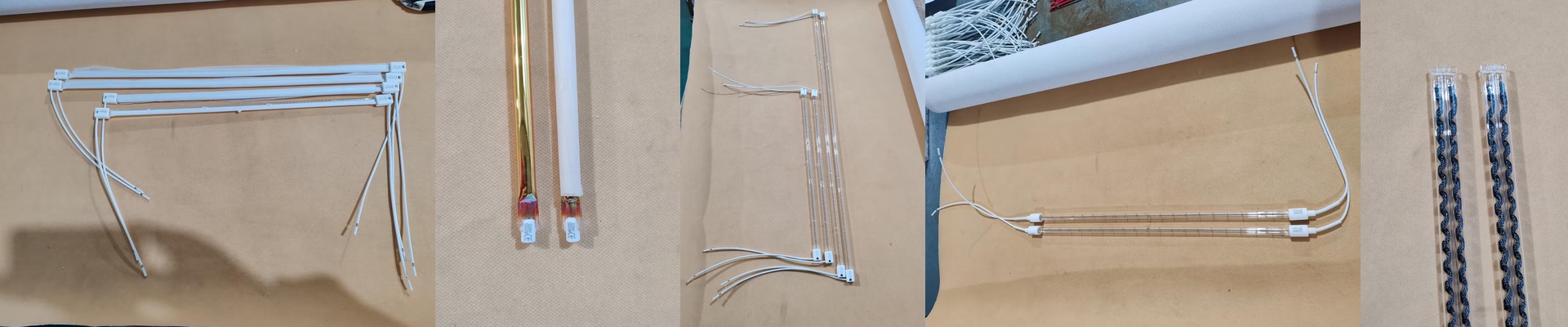
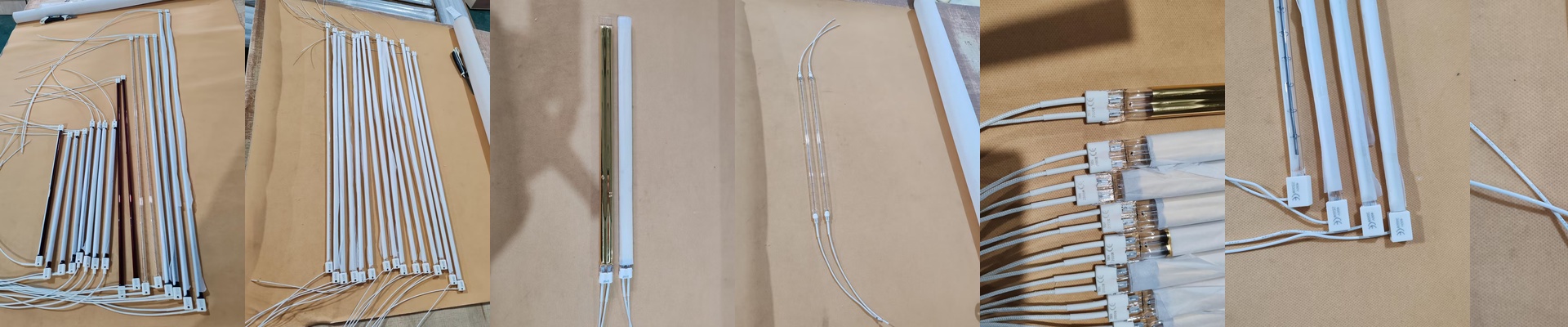
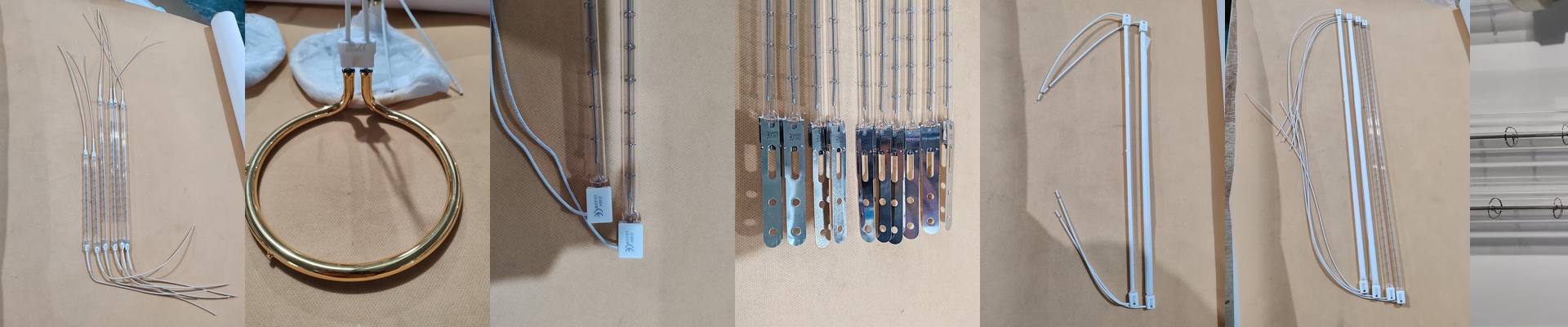
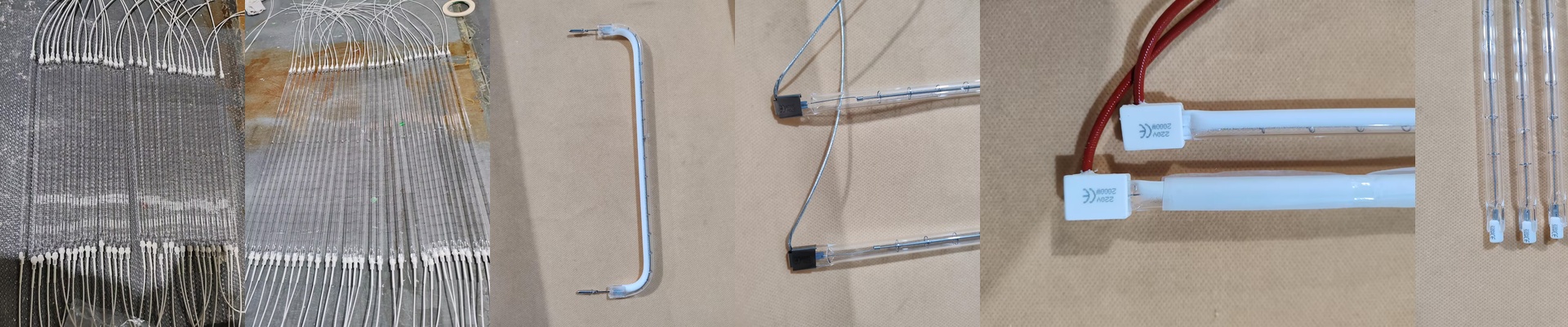
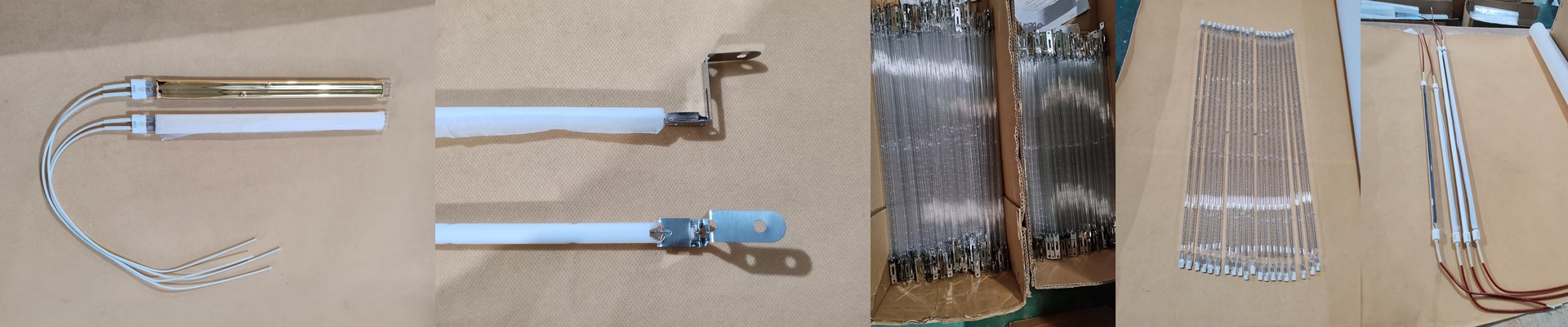
Let’s get real about the 400W halogen lamp. This isn’t your average light bulb. It’s a compact workhorse built to deliver serious, focused heat right where you need it. Think of it as a thermal tool, not a lamp. We designed it for jobs that call for precision—like plastic welding, drying components, or curing finishes. It’s all about getting intense heat into tight spaces, without messing around.
Power and Size: The Real Deal
Here’s the thing about packing 400W into such a small package: it’s all about heat density. The power goes straight into infrared radiation, so you’re not wasting energy heating the air. You get serious output in a tiny footprint. And the length—about 300mm—actually matters. It defines your heating zone. A shorter tube? That gives you a tight, concentrated blast. Go longer, and you get a wider, more even spread. Plus, the voltage (usually 230V or 240V) matches standard industrial setups. So swapping it in is simple. No rewiring headaches.
What’s Inside: The Halogen Edge
At the heart of this lamp is a quartz envelope, filled with halogen gas. Quartz can take the extreme heat needed to keep the tungsten filament running—way more than regular glass could handle. And that halogen cycle? That’s what keeps this thing lasting. It pulls evaporated tungsten back onto the filament, so you don’t get the blackening that kills off standard bulbs. Then there’s the reflective coating inside, angled to push infrared energy forward. More power hits the target, less gets wasted out the back. And the R7s double-ended connector? It locks in tight, even as the quartz tube expands with heat. No wiggle, no failure.
Speed, Power, and the Catch
This lamp is built for speed. It hits operating temperature in seconds—perfect for fast, repeatable processes. And because the heat is focused, it’s ideal for hitting exact spots on a product or working smoothly inside automated machinery. But with that kind of concentrated power comes a trade-off. The lamp runs extremely hot, so your equipment needs proper cooling and shielding. It’s non-negotiable. You get the heat, but your machine has to manage the heat. Bottom line? If you need fast, localized heating in a tight spot, this is the tool that gets the job done.