Thinking About Switching Your Infrared Heaters? Read This First.
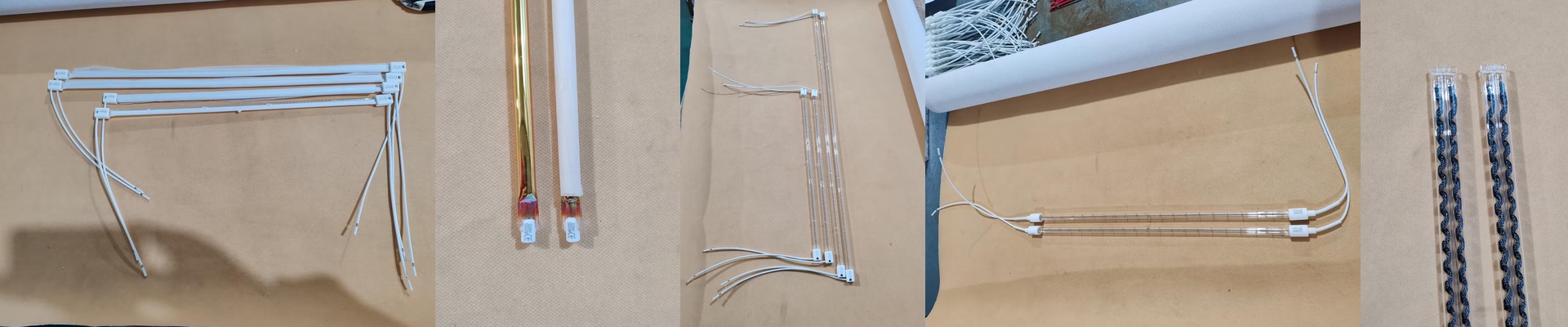
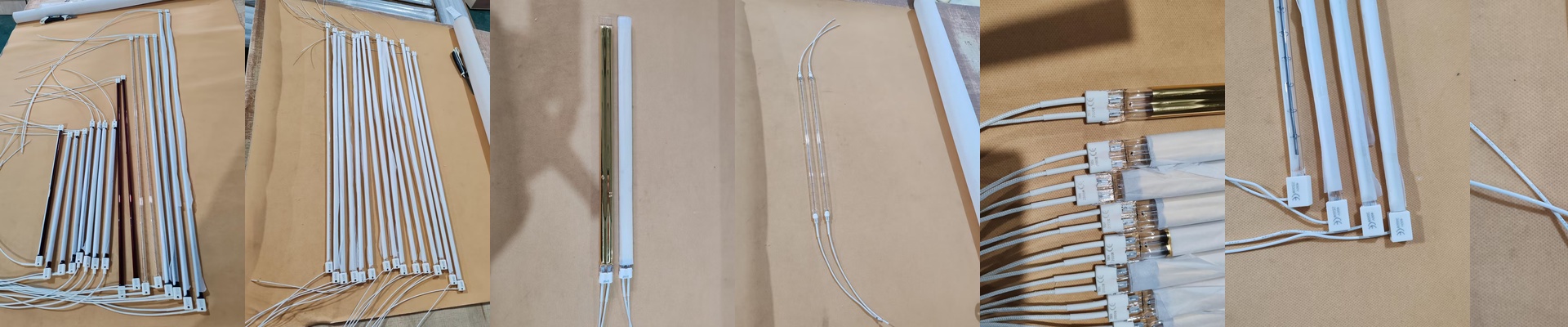
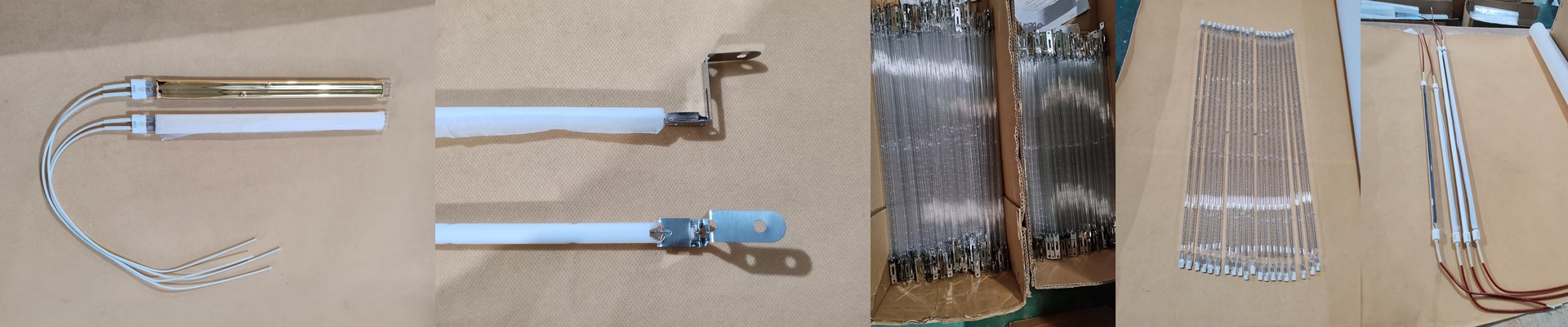
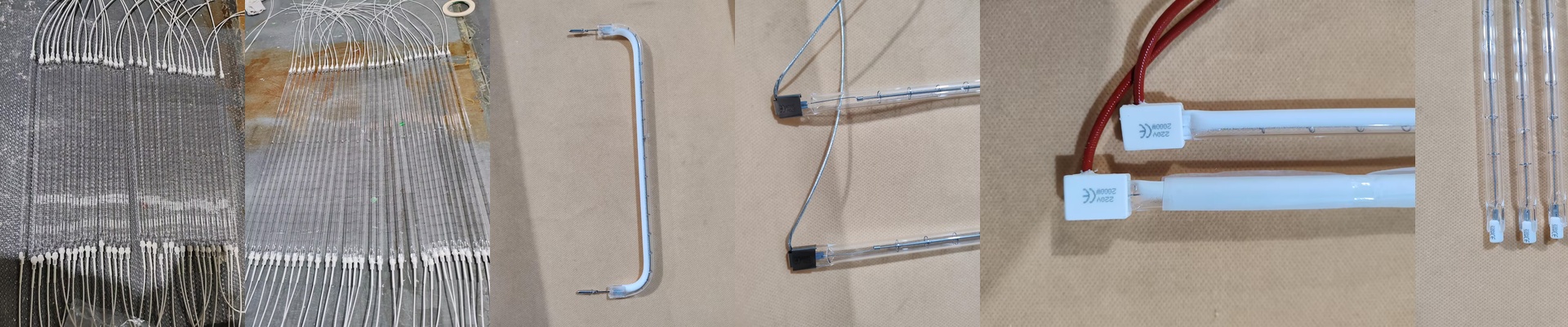
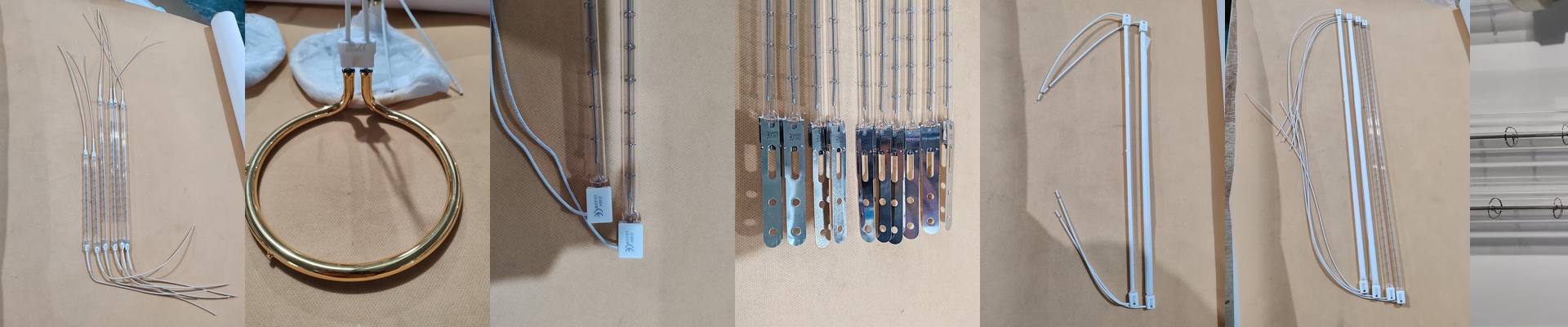
Most automotive injection molding lines are built around European infrared heaters. They’re precise, sure. But when you start looking at domestic alternatives to save some money or speed up shipping, you’ll realize it’s not as simple as just buying a cheaper bulb. If you get this wrong, you aren’t just losing money—you’re risking your cycle times. The “Wattage Trap” I see engineers do this all the time. They look at the wattage, see it matches, and hit “order.” Big mistake. Here is the thing: if your original setup uses short-wave quartz lamps, you can’t just swap in a medium-wave version. Short-wave heat digs deep into the plastic. Medium-wave mostly hits the surface. If you mix them up, you’ll end up with a part that’s scorched on the outside but totally uncured in the middle. Not a great look. And please, double-check your voltage. Pushing a 230V lamp to 400V is a great way to watch your equipment burn out in a few hours. On the flip side, under-volting just makes everything sluggish. Your throughput drops, and suddenly that “cheap” lamp is costing you a fortune in lost production. The Hardware Headache You can’t trust a supplier until you look at the connectors. We stick to standardized R7s or Sk15s because they actually fit. A loose fit is a nightmare. It creates arc points. Once you start arcing, you’re looking at fried sockets and tripped breakers. It’s a mess. We also use high-purity quartz glass. Why? Because cheap glass darkens over time. We keep the tungsten tolerances tight so the heat is steady across the whole tube, rather than having hot spots and cold gaps. The “Plug and Play” Myth Let’s be honest: replacing a big-name heater is almost never “plug and play.” You’re going to need to mess with your PID controller settings. Domestic lamps often have different thermal inertia, meaning they react differently to power changes. You’ll probably need to retune your heating loops so you don’t overshoot your target temperature. One last tip: keep an eye on your cabinet. Some high-output domestic lamps put out a lot of heat. If your cooling system is already struggling, those temps can climb fast. Just watch your ambient temperatures for the first 48 hours. Better to catch a heat spike early than to melt something you can’t replace.