Power, Voltage, and the Kind of Heat That Gets Straight to Work
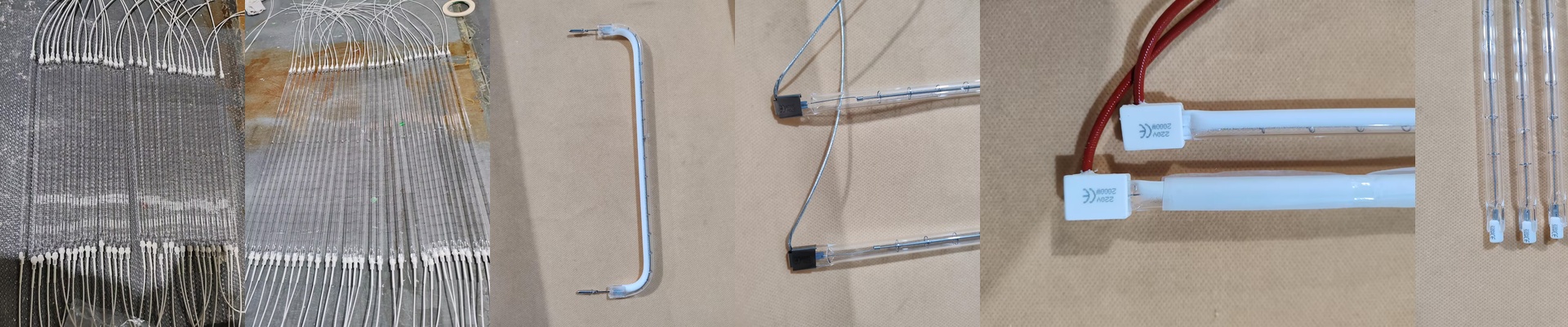
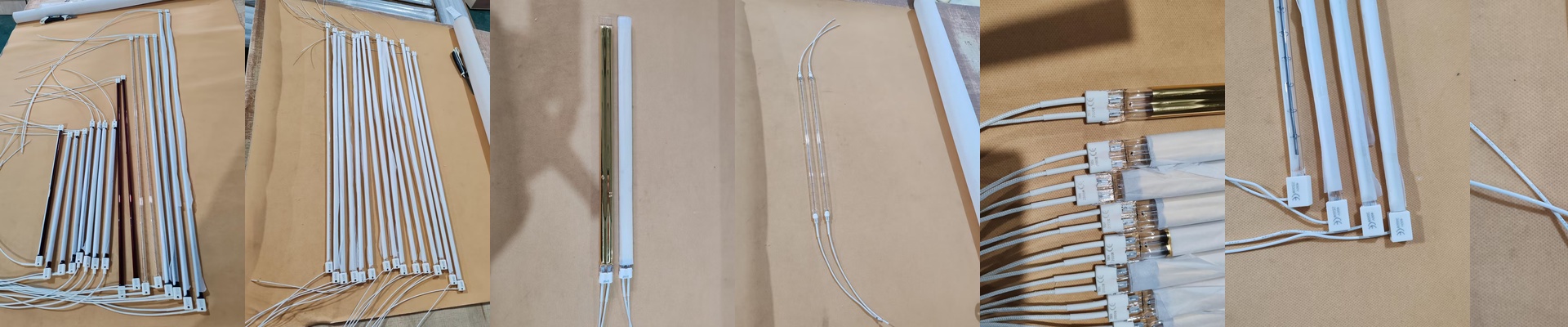
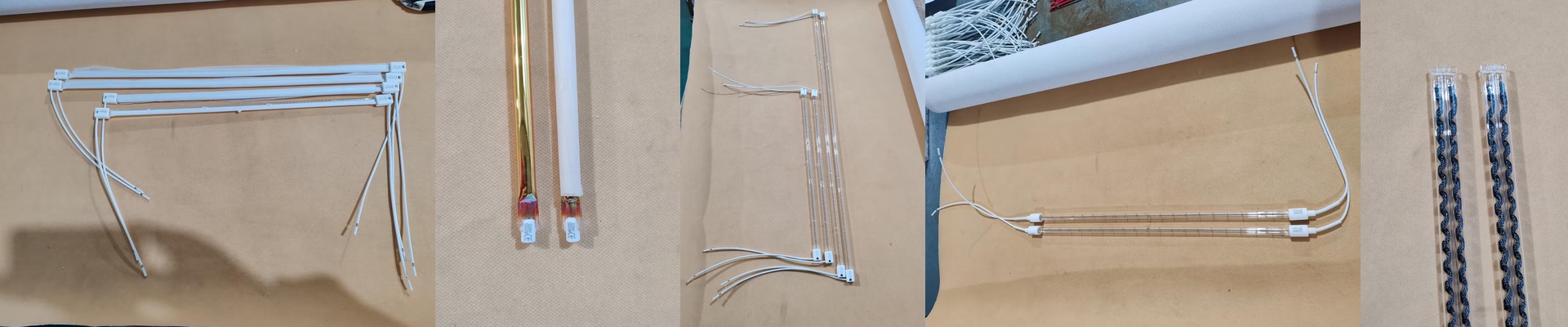
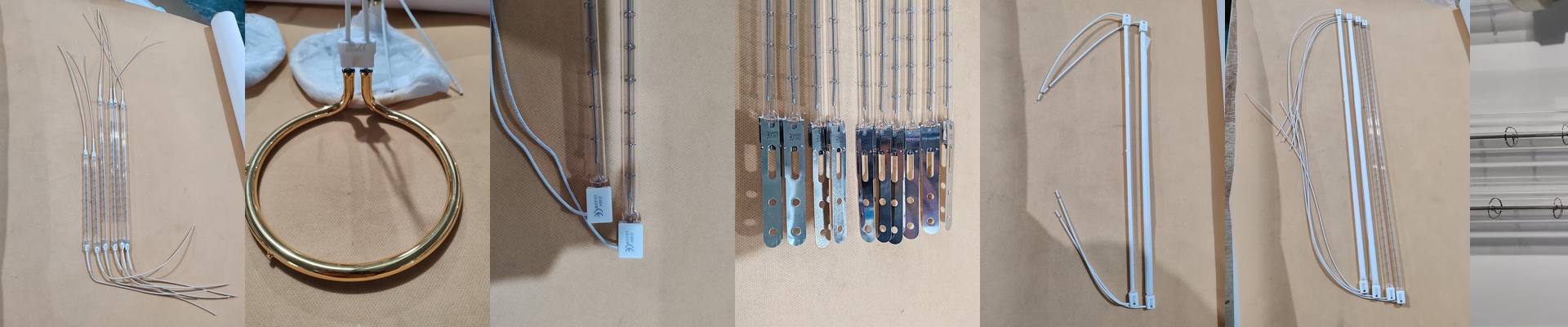
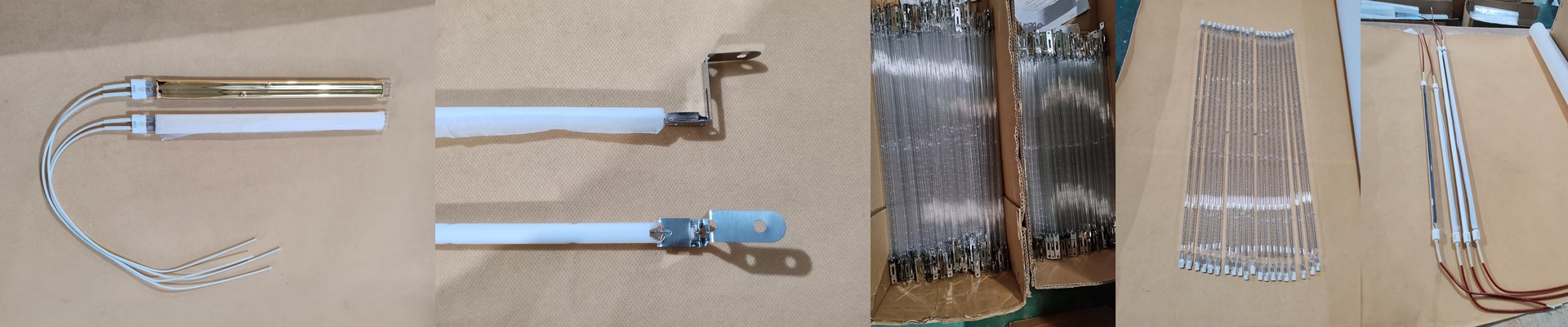
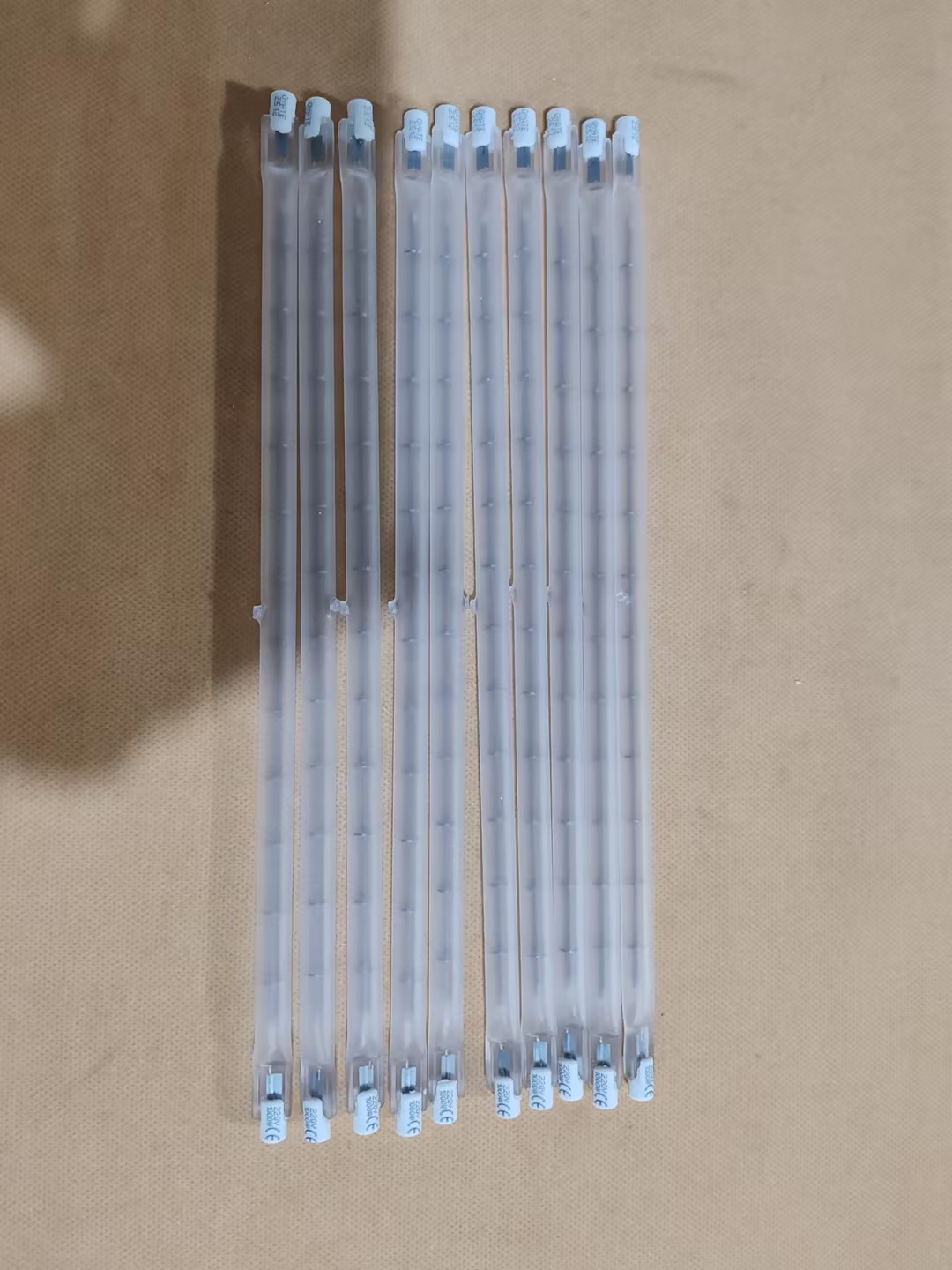
Here’s the thing about oven printing: you don’t have time to wait around for heat to show up. You need it fast—and under control. That’s exactly why we built these halogen heat lamps. They come in1000W and 1200W, running on220V, so they plug right into the voltage you’re already using in industrial settings. No fuss. No mismatch. And because they’re wrapped inquartz, they warm up quickly. You hit your setpoint fast, instead of watching the temperature crawl there. It’s the kind of responsiveness that keeps tight thermal cycles from turning into a headache.
What They’re Made Of—And Why It Matters
The body isquartz glass, built to handle serious heat while staying clear enough to keep infrared output steady. Inside, thehalogen cyclehelps keep the filament clean. Over time, that means more stable performance and less of that annoying blackening that can rob output. We also made sure they fit the fixtures you already use. You can drop them in without reworking the whole chamber. And the footprint is compact, so the heat goes where you need it—without wasted space.
Real-World Use: Heat That Doesn’t Miss
In oven printing, you’re trying to set inks and coatings evenly, without scorching the material underneath. These lamps deliver focused infrared energy that penetrates quickly, which can help youshorten cycle times. But—and this is important—with1000–1200Wof power, the surrounding oven components feel the heat. Make sure your setup can handle it. Think about airflow, insulation, and where you place your sensors, so temperature stays steady instead of drifting.
Installation: Keep It Simple
Wiring is straightforward on220V. Just confirm your fixture is compatible and that the terminals are rated for the load. Use proper shielding and clearance, so nearby parts don’t get blasted by radiant heat.
Keeping the Line Running: Maintenance Made Practical
Plan replacements based on how often you run them. They deliver consistent output, but high-intensity lamps do wear over time. Keep spares on hand. That way, when one needs swapping, downtime stays short—like it should.