Introduction
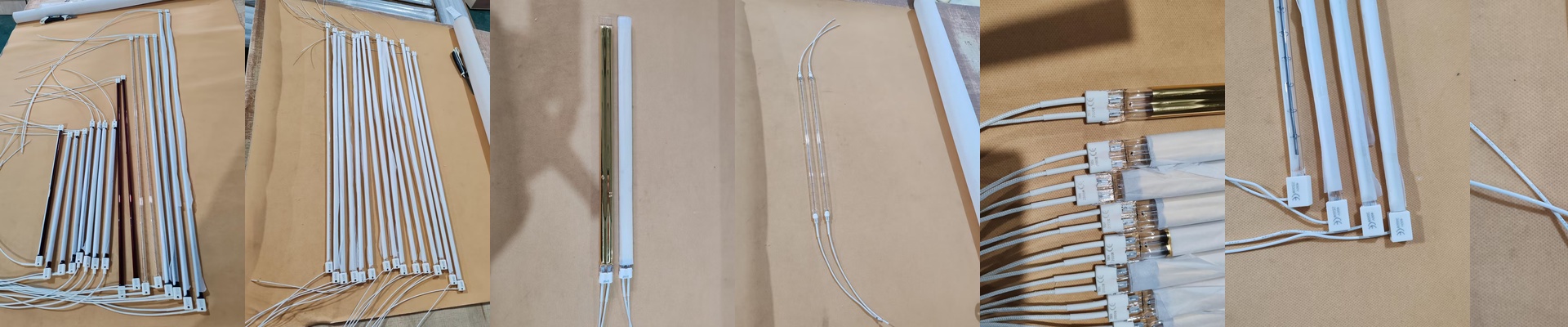
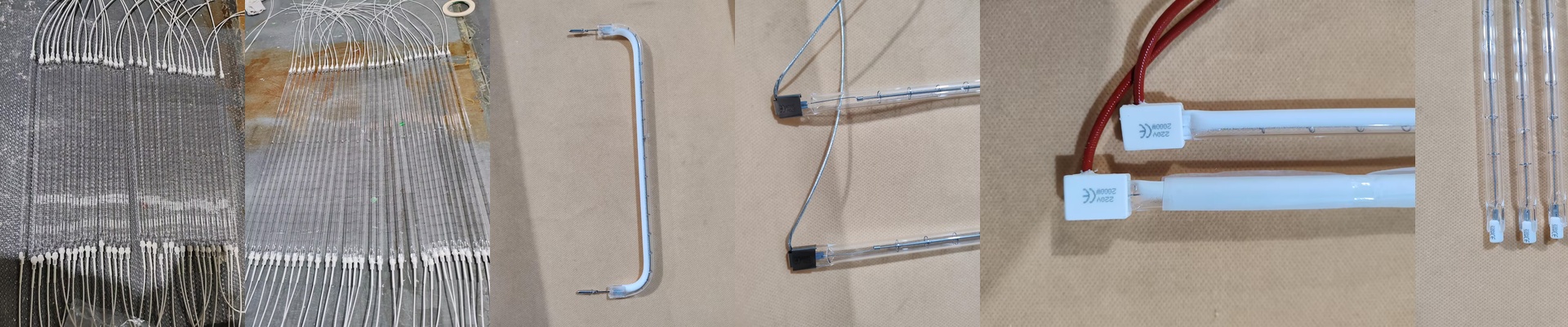
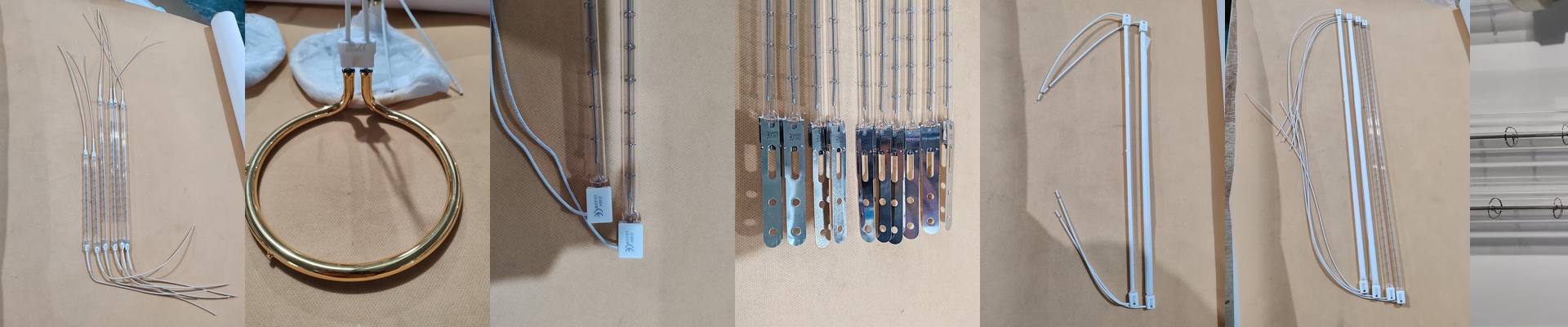
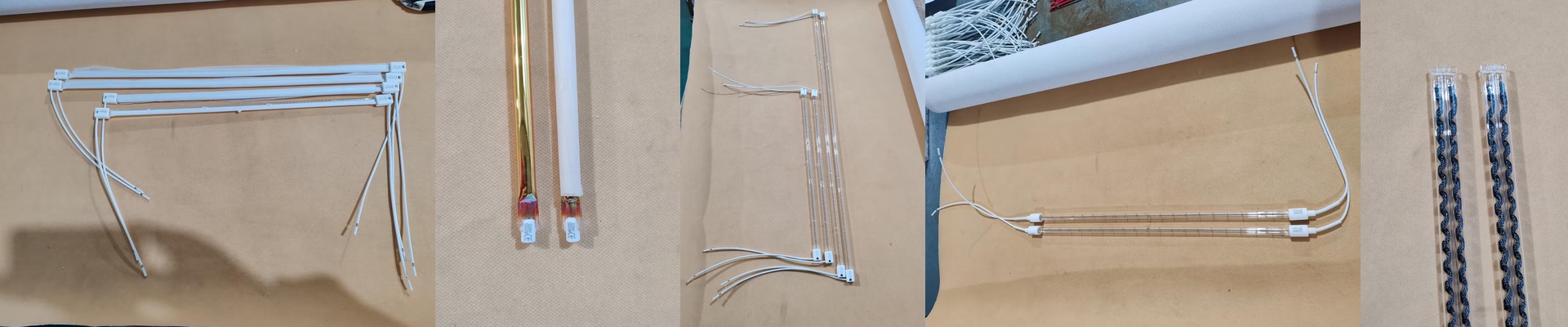
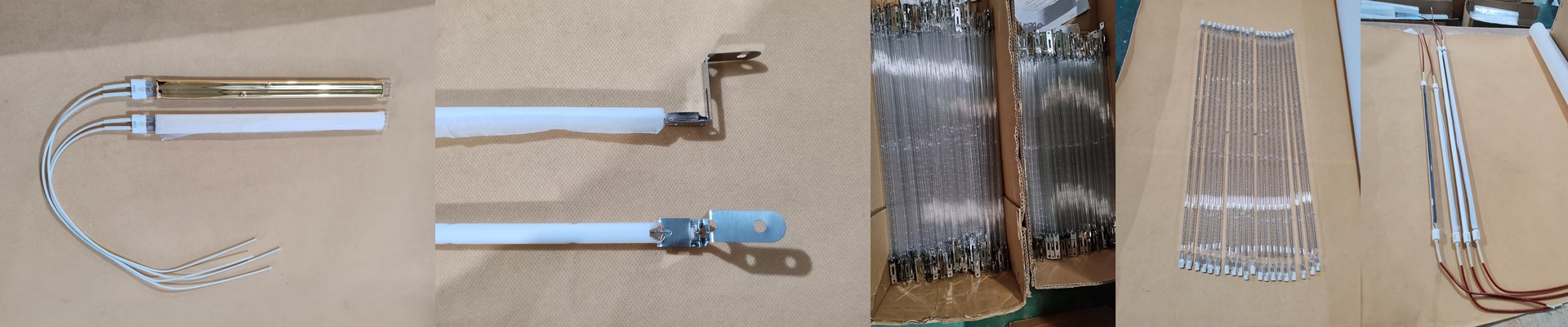
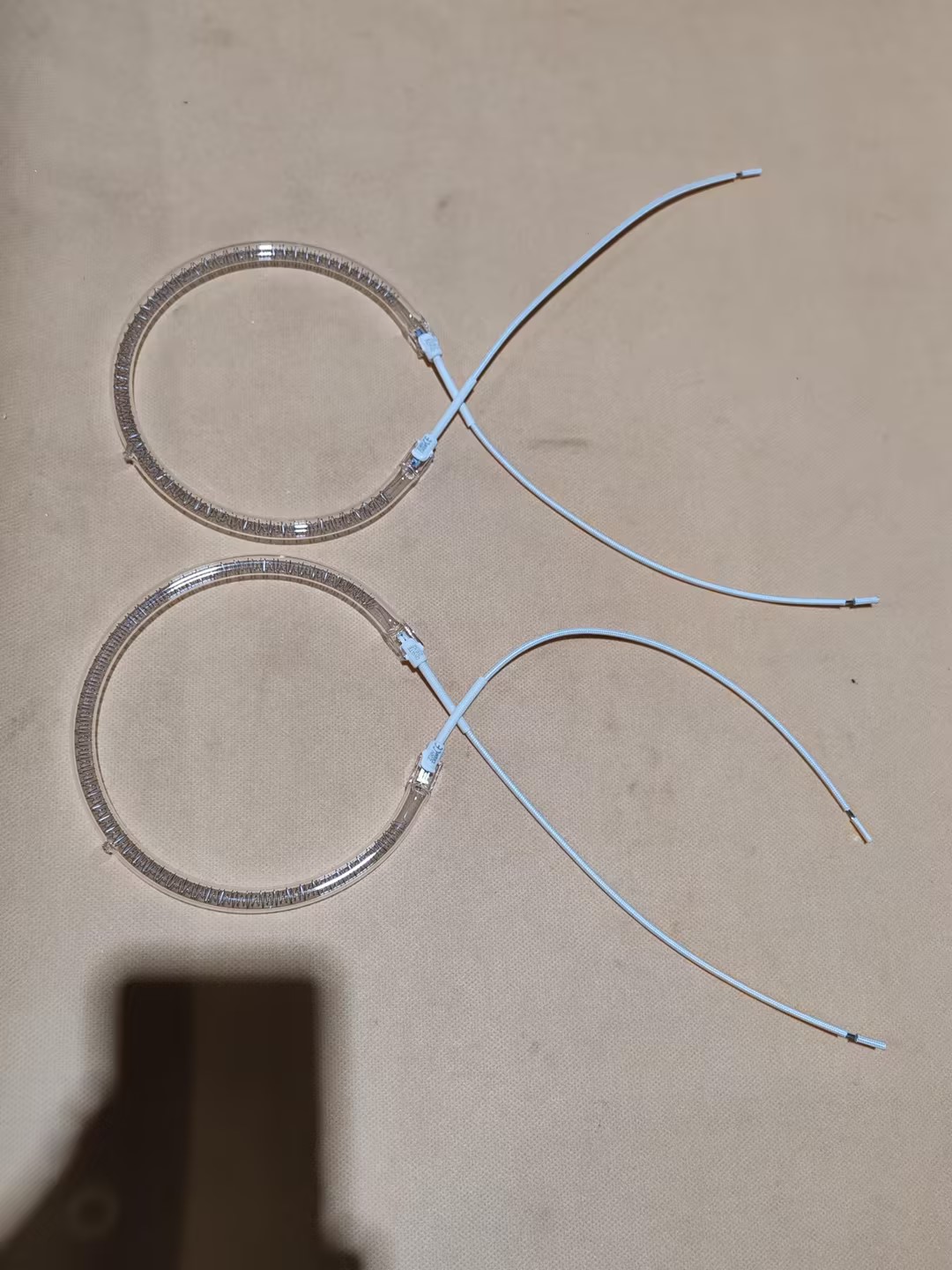
We built this 600mm halogen heat lamp—220V, 350W—for one place: the heart of industrial ovens and process heating setups. It slips right in as a direct-fit element, and it’s all about delivering tight, focused infrared heat where space is tight and performance has to stay rock-solid.
Power, voltage, and size—without the guesswork
The 350W rating isn’t random. It gives you serious heat density without forcing your wiring and terminals to work overtime. Run it at 220V and the current stays reasonable, so sizing conductors and switchgear stays straightforward—no over-engineering needed. And the 600mm length? That gives you a long emitter, spreading heat evenly along a line instead of piling it up in one hot spot. That length-to-power balance is a practical sweet spot. You get enough coverage for oven chambers and conveyor zones, but it’s still compact enough to drop into standard fixtures. Halogen elements heat fast, so recovery after door cycles or batch loading is quick. The temperature comes back fast—so your process doesn’t have to wait.
What’s inside: the halogen core and quartz build
At the center is a halogen filament sealed inside a quartz envelope. The halogen cycle helps keep the filament stable by putting evaporated material back where it belongs. The payoff is output that stays consistent over time and a cleaner burn. Quartz handles high heat without flinching, and it keeps its shape when the oven cycles from hot to cold—again and again. We pair that with a rugged end cap and terminal setup, sized for industrial connections. It’s built to take vibration and thermal cycling, so it stays put when the oven is running hard.
Real-world use: oven duty that just works
In ovens, this lamp delivers direct infrared heat that zeroes in on surfaces and parts fast. That means less preheat time and more repeatable runs. In many oven designs it’s a drop-in replacement—wiring is straightforward, and the thermal behavior is predictable. Here’s the trade-off, plain and simple: high heat density means you need to manage airflow and shielding inside the oven so nearby components don’t get overheated. Plan your mounting clearances, and make sure the chamber can move the heat out. When it’s spec’d right, you get stable, controllable heat—and the kind of uptime you can count on.