Halogen Heating Lamp for 3D Printers: The Real Deal on Power, Heat, and Getting It Installed
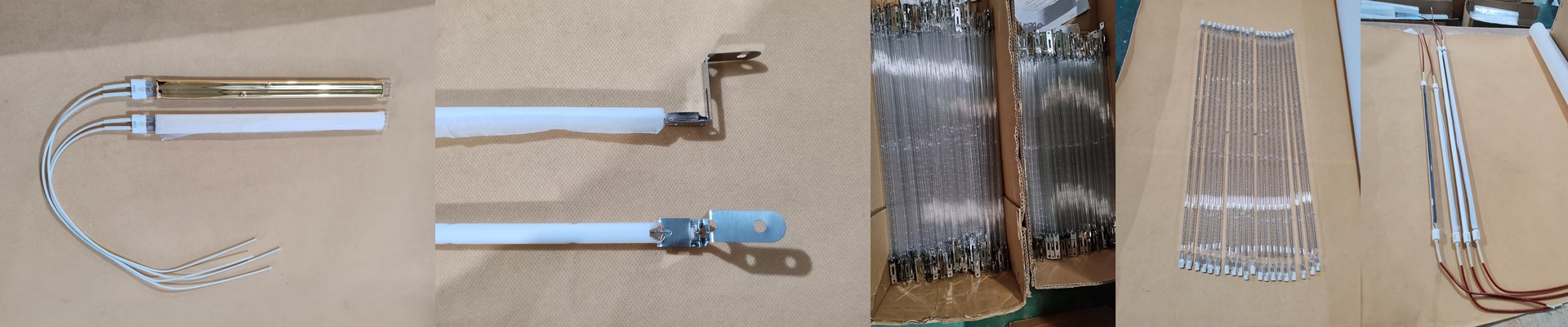
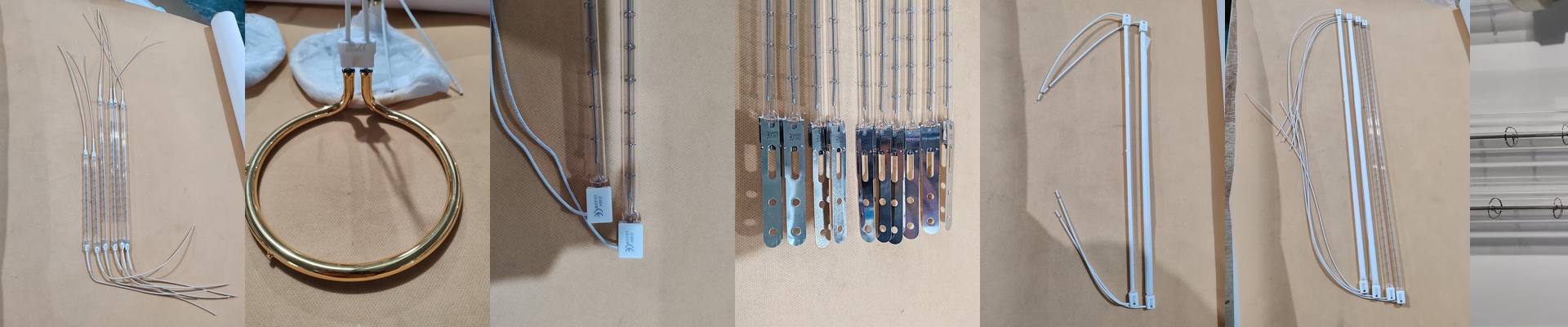
We built this halogen heating lamp to be a straight-up, drop-in heat source for 3D printer hot ends and heated chambers. It was designed for one thing: delivering consistent heat in tight spaces—the kind of spots where airflow is scarce and you’re constantly running rapid heat cycles.
Let’s Talk Power, Voltage, and Size
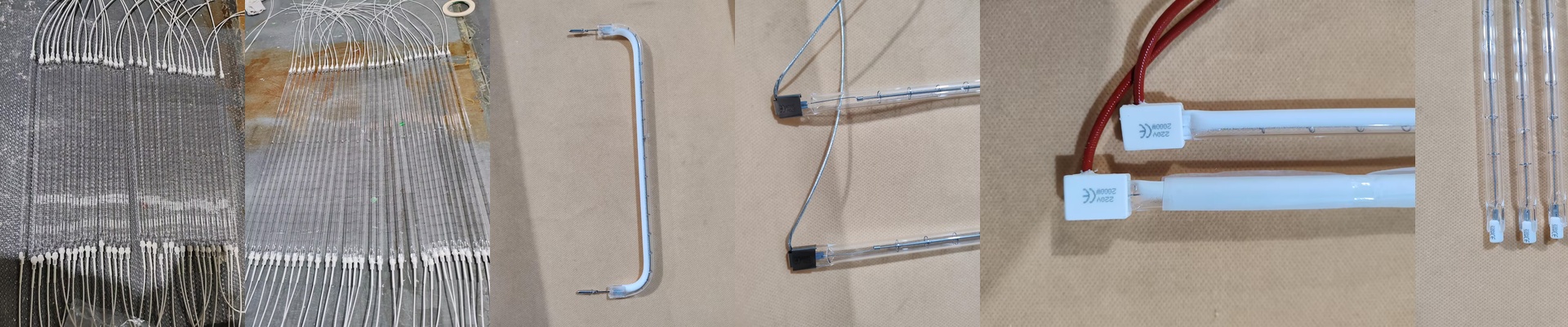
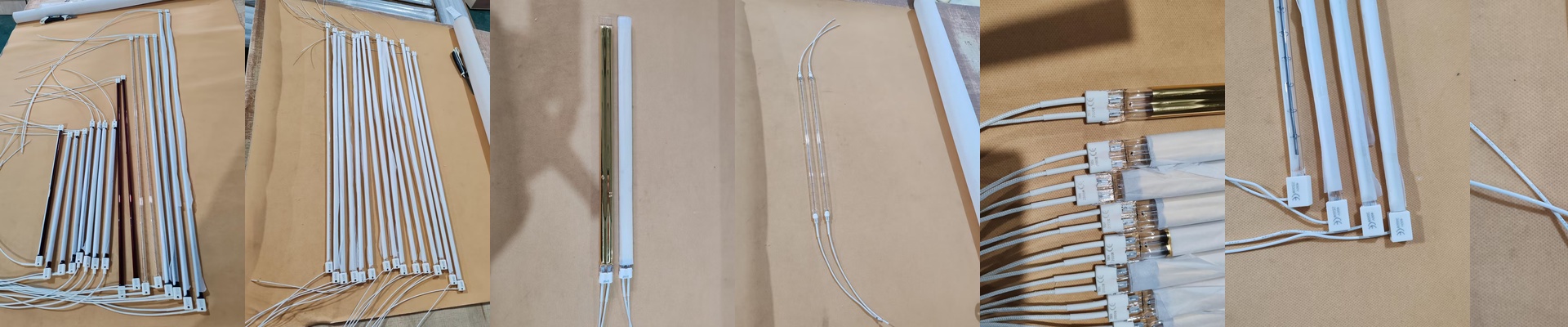
This thing is rated at 400V and 2500W, which means it packs a serious punch into a small package. The 300mm quartz tube focuses all that energy right where you need it—the print zone—so you’re not wasting power heating empty air. That 400V rating isn’t random. It keeps the current lower on the wiring, which is good. But it also means you need machine-side controls and isolation rated for that voltage. And if you’re running it at full 2500W, things get hot—fast. So plan ahead with proper heatsinking and airflow.
What’s Inside: Halogen, Quartz, and a Smart Base
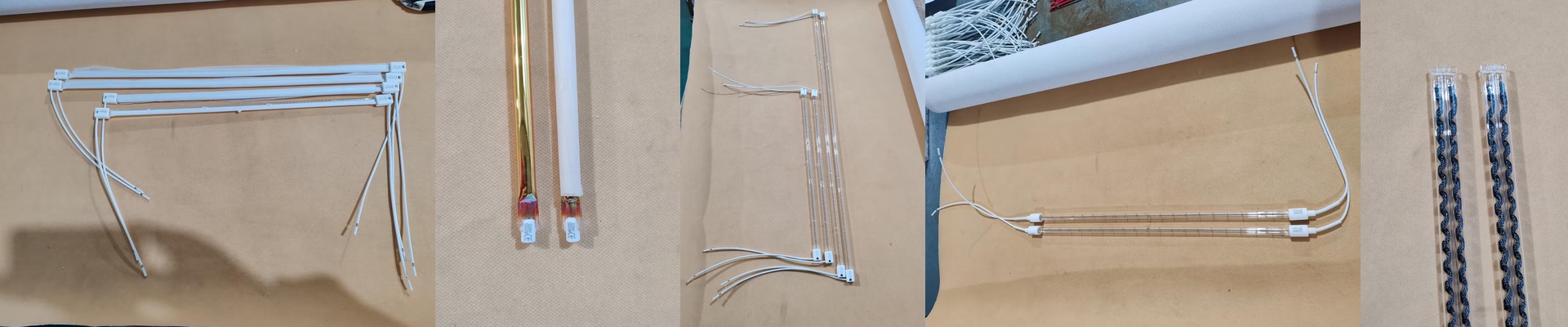
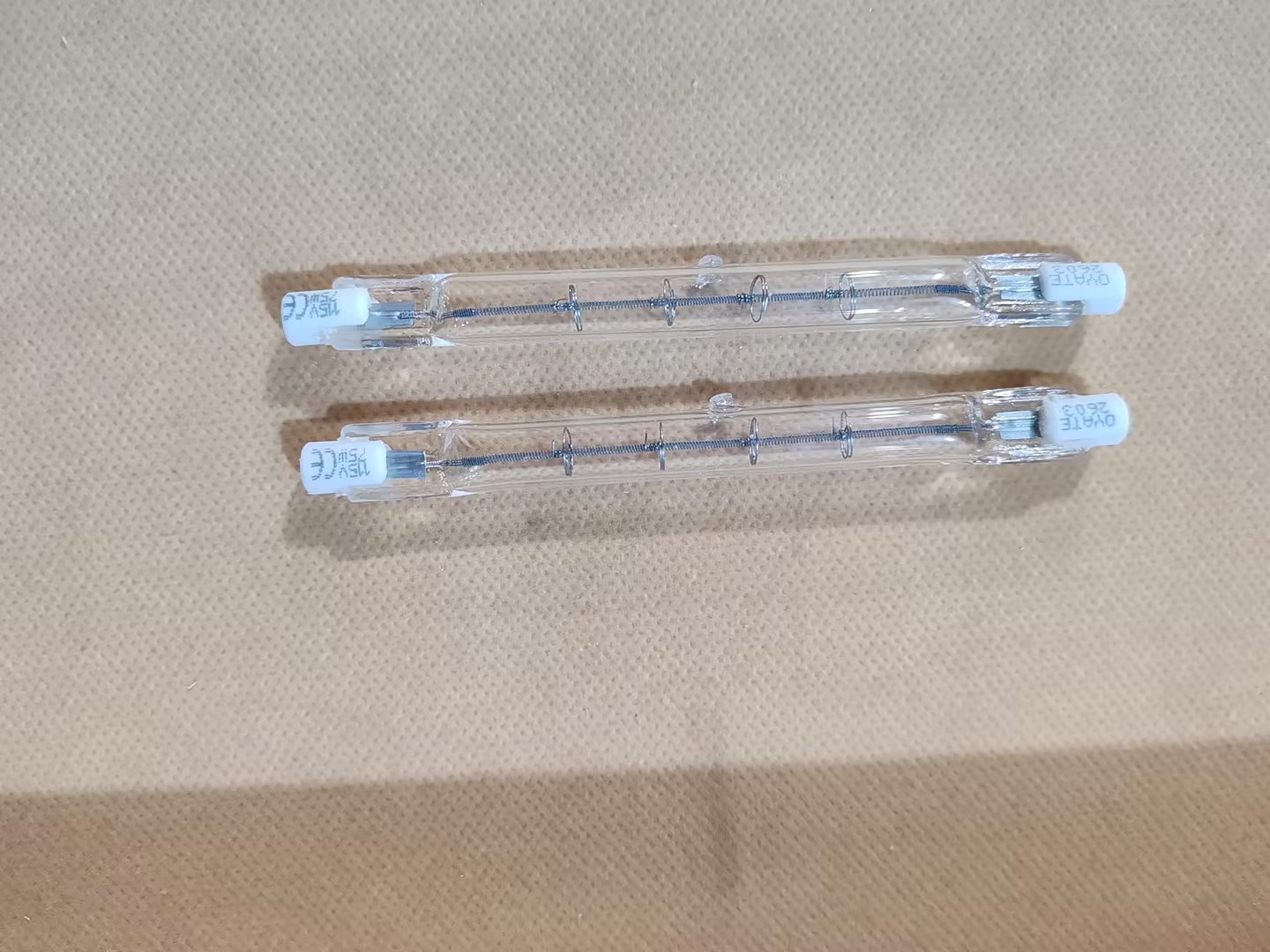
At the heart of it is a shortwave halogen element inside a quartz envelope. Why? Because it responds instantly and keeps output steady, even when the system is constantly cycling on and off. The halogen cycle itself helps keep the filament temperature stable, which means more predictable heat during those PID adjustments. The tube has a reflective coating that pushes infrared energy forward, cutting down on wasted side heat and making sure more of it hits the target. And the R7s base? It gives you a secure, low-resistance connection and makes this lamp a simple, plug-and-play replacement in standard sockets.
Why It Works So Well for 3D Printers
In the 3D printing world, this lamp shines at heating the nozzle block and keeping your chamber warm for materials that need an enclosed environment. The fast response time means you spend less time waiting around for warm-up, and the focused infrared output gives you more control over your hot end temperature. It’s compact—just 300mm long—so it fits into tight builds. But it demands respect. Give it room to breathe, and make sure your printer’s cooling setup can keep up. **Here’s the reality check:**2500W is no joke. This lamp throws down serious heat density. Your power supply, relay contacts, and cooling strategy all have to be up to the task. Treat it like industrial equipment, and it’ll run reliably, day after day.