Introduction
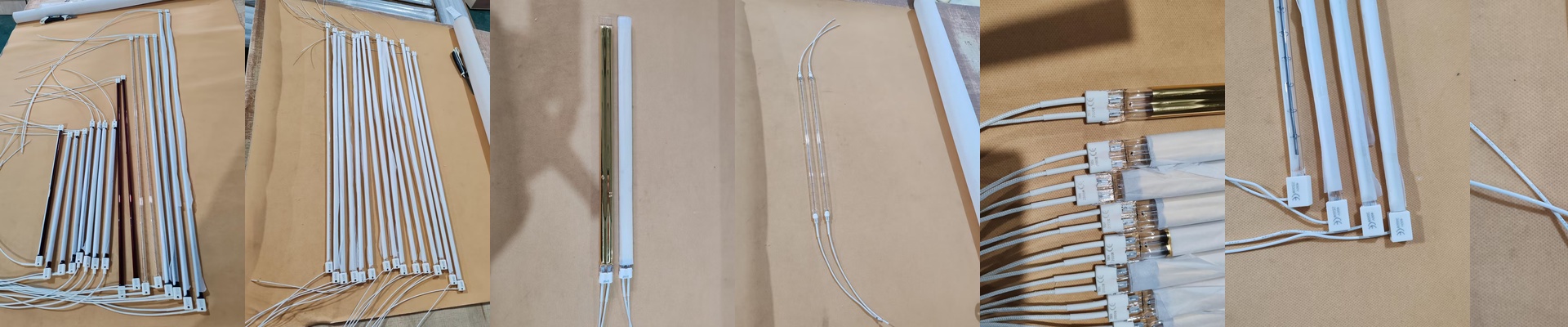
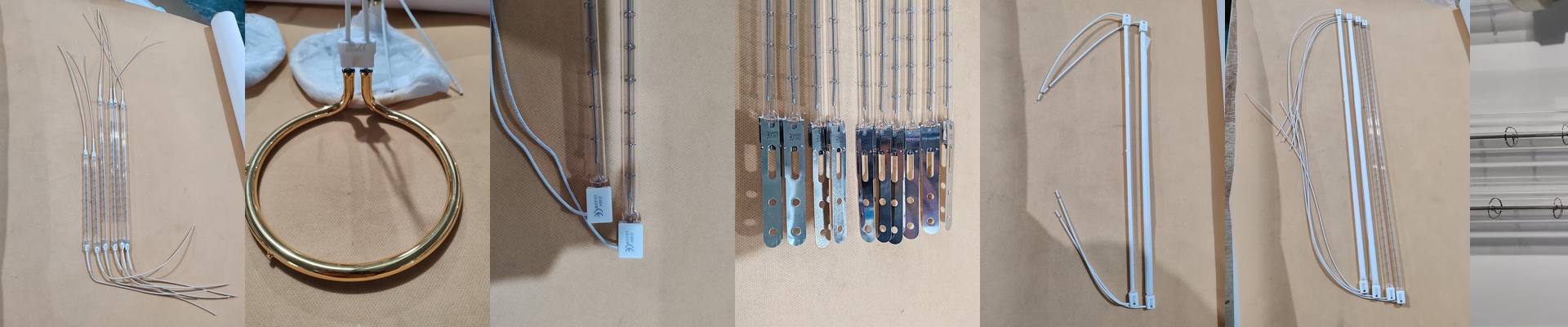
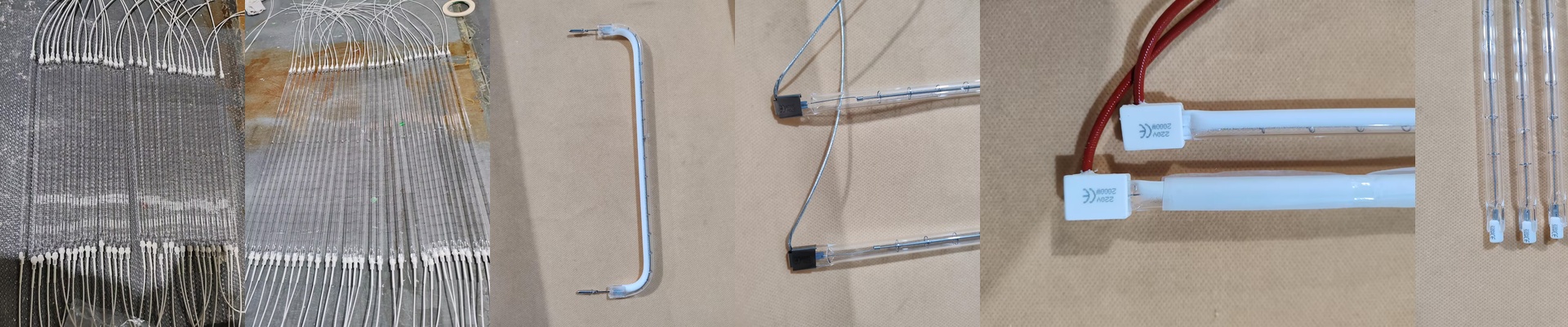
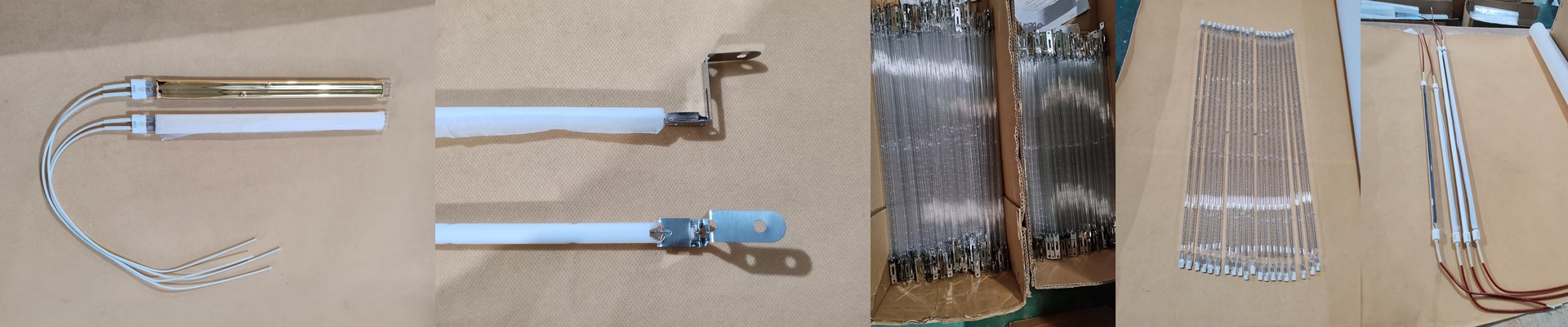
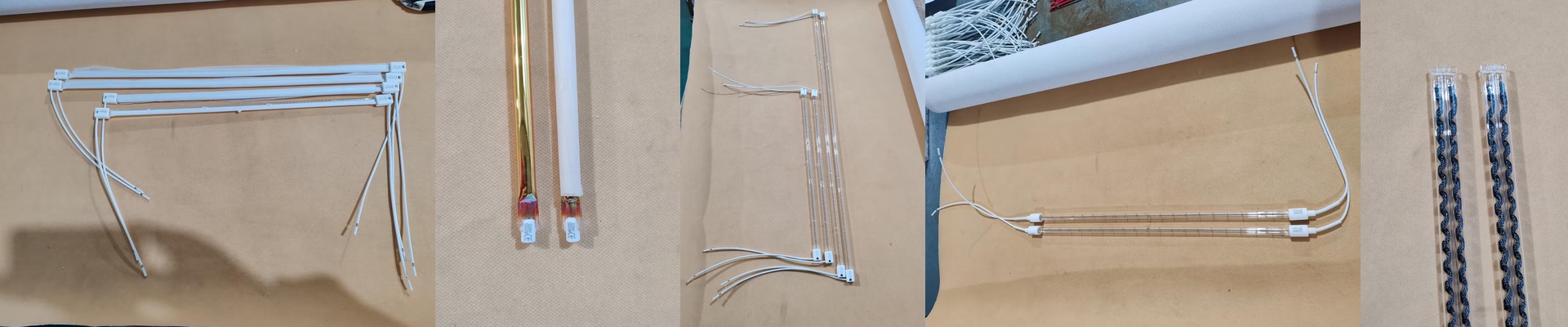
We built thelampara halogenafor one reason: to give you a compact powerhouse of heat. It’s the kind of tool you rely on when you need to get industrial jobs done—fast. Think heating, drying, or forming—right where you need it. At its heart, it’s a simple setup: a tough quartz tube, packed with halogen gas, and an R7s connector. It’s all about making it easy to wire up serious heat, even in those ridiculously tight spots.
What Makes It Tick
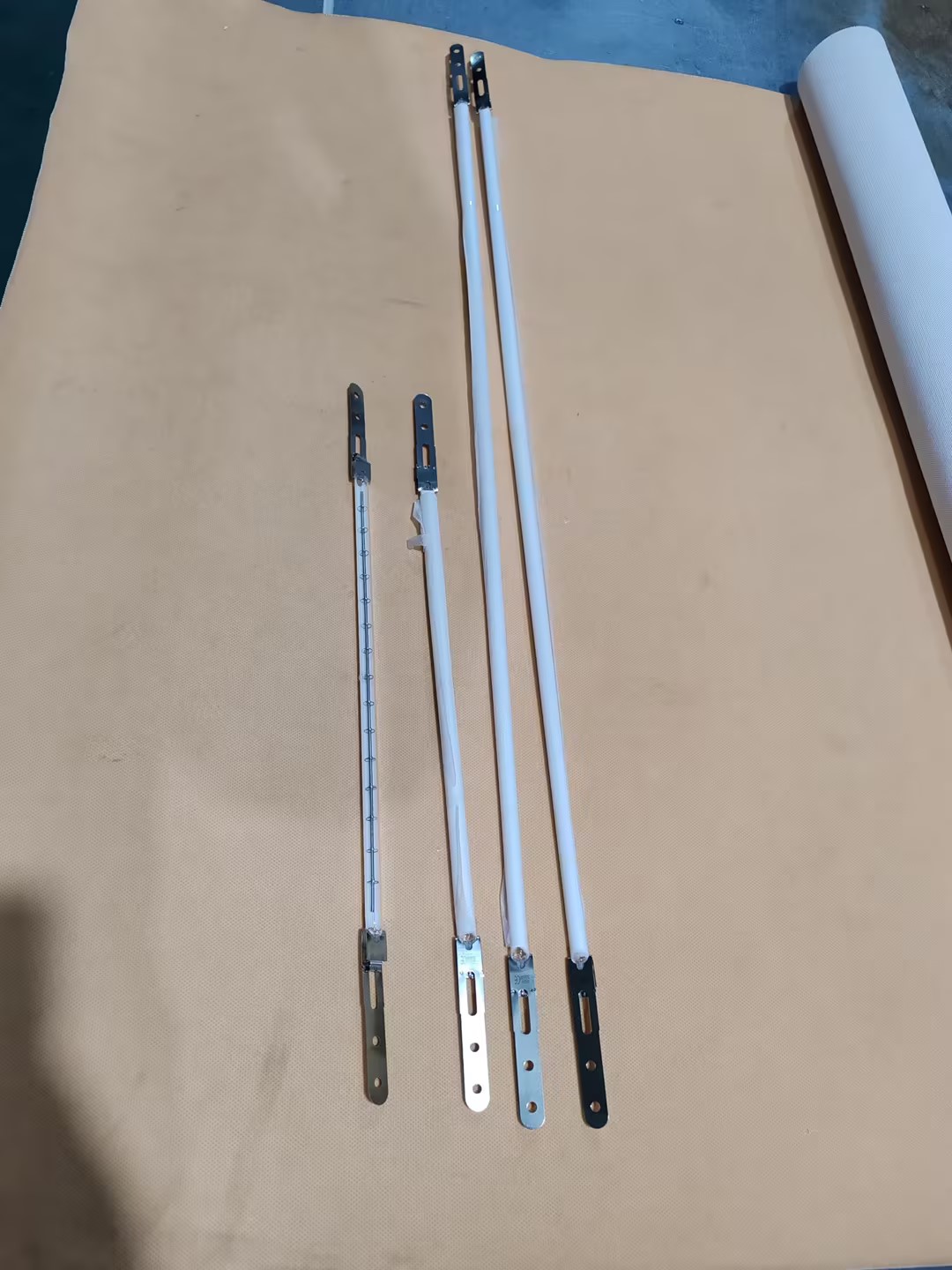
Here’s the thing about these halogen heating lamps—they don’t mess around. The filament runs hot, and that means you get intense infrared heat, almost instantly. We’re talking industrial-grade power, with wattages that deliver the heat density your process needs. You can match it to your control gear, usually running on 230V or 400V. And the length? We keep it practical. A 300mm tube, for example, gives you a small footprint but still covers the exact area you need to heat.
Built to Last
The quartz envelope is the real hero here. It takes the shock of heating up fast and doesn’t flinch when you flip the switch on and off, again and again. And that halogen cycle? It’s a clever bit of engineering that helps keep the inside of the tube clean. It basically returns evaporated filament back to where it belongs, so the output stays strong over time. Then there’s the R7s double-ended connector. It’s a solid, standard mount. You just drop it in, line up the pins, and lock it down. This thing is built to survive the daily grind in a busy machine shop.
Where It Shines
This is your go-to when you need heat that’s focused and fast. We’re talking about heating plastics, sealing, curing, or drying a specific spot. The concentrated infrared beam hits the target hard and fast. But with that kind of intensity, you have to respect the heat. Make sure you’ve got proper cooling and thermal management around the lamp. You’ll get a much quicker warm-up than with traditional resistance heaters, but you’ll need to plan for the electrical and thermal load in your setup.