Long-Life Halogen Heaters: The Specs, the Science, and How They Hold Up on the Floor
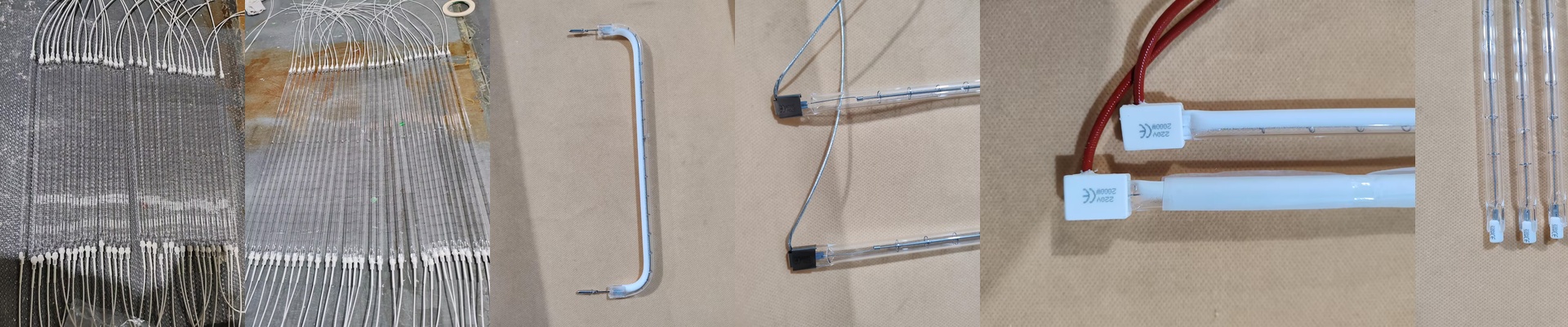
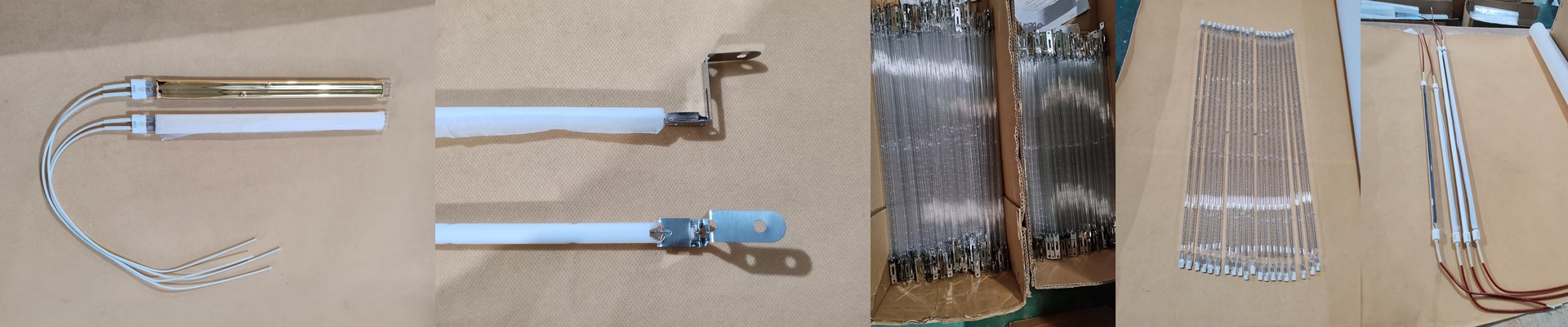
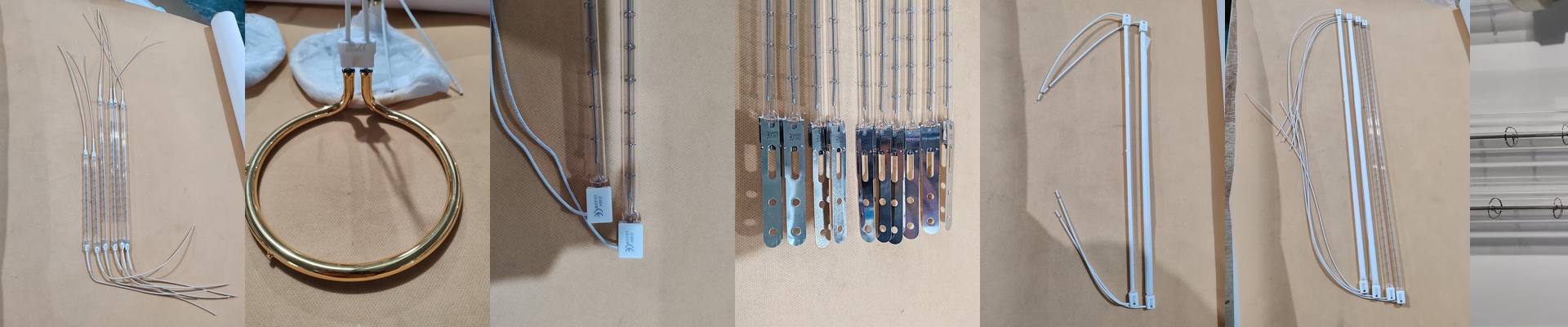
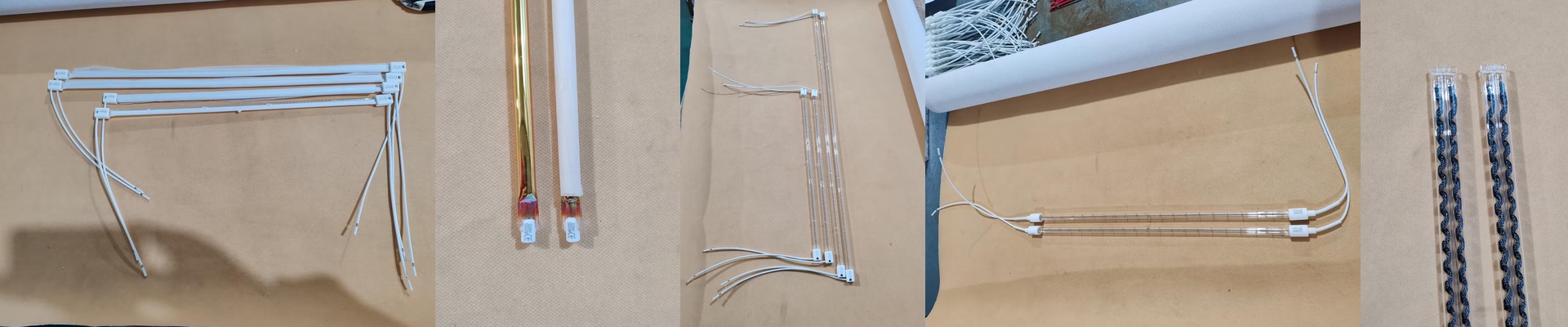
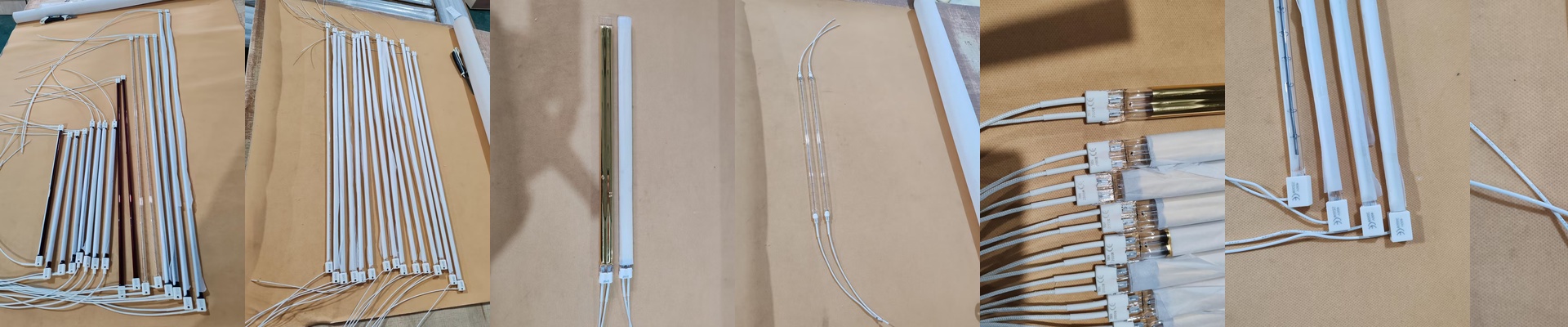
We build halogen heaters for the places where stopping just isn’t an option. Industrial heating. 24/7 lines. The kind of work where uptime isn’t a metric—it’s your paycheck. These are quartz-tube, halogen-filled infrared emitters, built to deliver steady heat and repeatable temperature control, day after day.
Power, Voltage, Size: What Actually Matters on the Machine
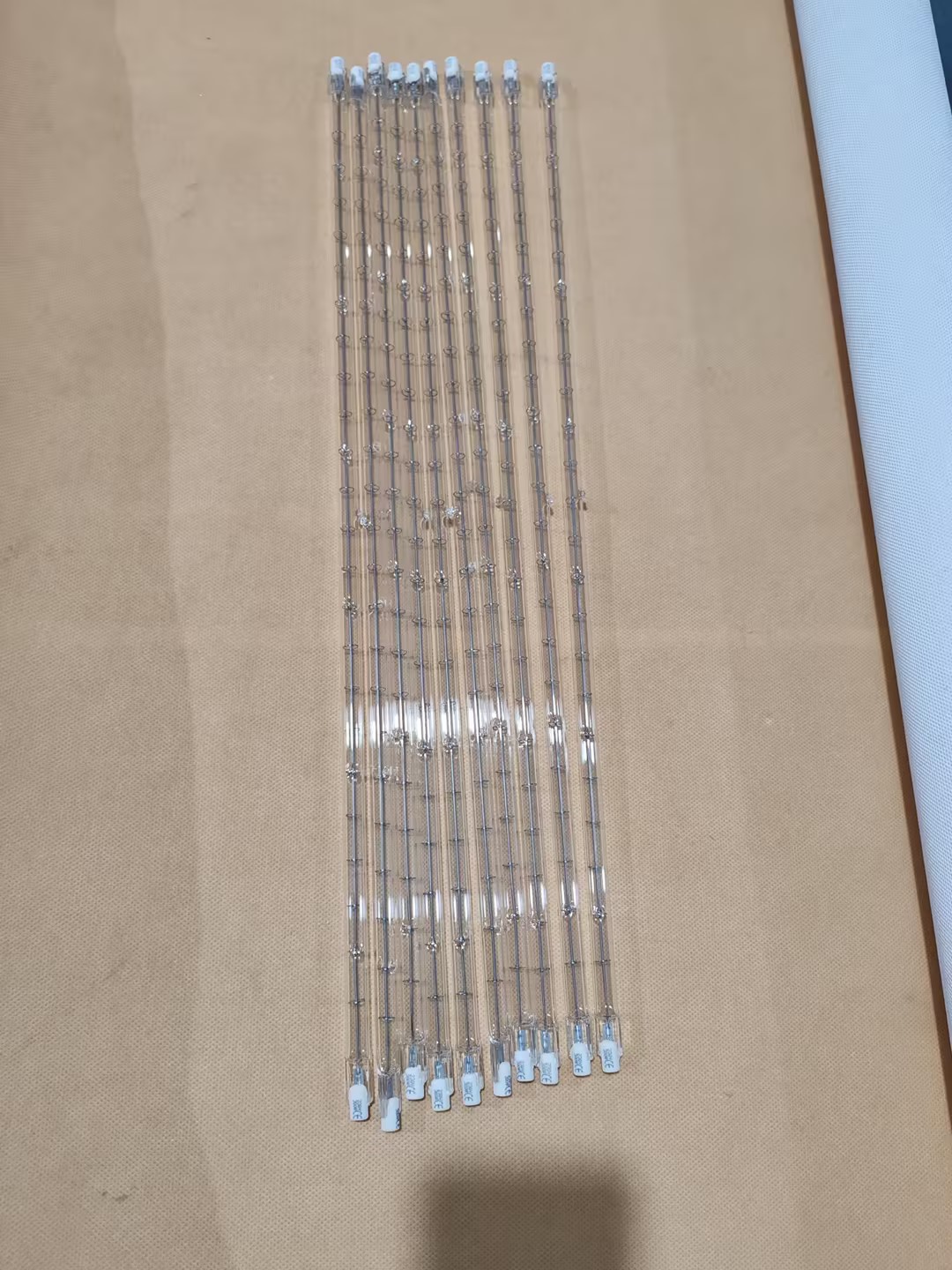
When we size a halogen heater, we’re looking at wattage, voltage, and length. Those three tell you how much heat you can pack into a space, and how cleanly it fits into your machine. Take a common setup: a 300mm tube, 2500W, at 400V. That voltage choice matters. It lets you run higher wattage without forcing too much current through the wiring. Less voltage drop. A more stable element temperature. And the 300mm length? It gives you a tight heating zone that’s easy to stack or stage—perfect when you’re working inside narrow thermal windows.
Built to Take the Heat: Quartz, Halogen Chemistry, and a Smart Connection
The quartz envelope is there for one reason: it handles serious heat and doesn’t panic when things heat up fast. It’s tough. It’s steady. Inside, the halogen cycle does a quiet, clever job. It helps keep the filament cleaner by pulling evaporated tungsten back onto the hot spot. That’s what supports long life—real running hours, not just a nice line on a brochure. And the R7s connector? Practical engineering. It gives you rigid, two-contact support at both ends, so the tube sits straight and stays aligned inside the reflector. No wobble. No drift.
On the Job: Fast, Controlled, and Built for Hard Use
Here’s what you feel when these heaters are doing their job: they respond quickly. Infrared heat comes on fast, so you can get the line moving again when it starts up—or when you switch products mid-run. That long-life design translates into fewer burnouts. Fewer emergency change-outs. Less downtime. Less headache. Now, the trade-off: the output is intense. That’s the point. So you have to plan for it. Make sure your machine has enough airflow, or use water-cooled mounting, to keep the surrounding parts from cooking. Keep the heat where you want it, and the whole system stays calm—even when the work is anything but.