Getting Your Paint to Cure Right: The Truth About Shortwave IR
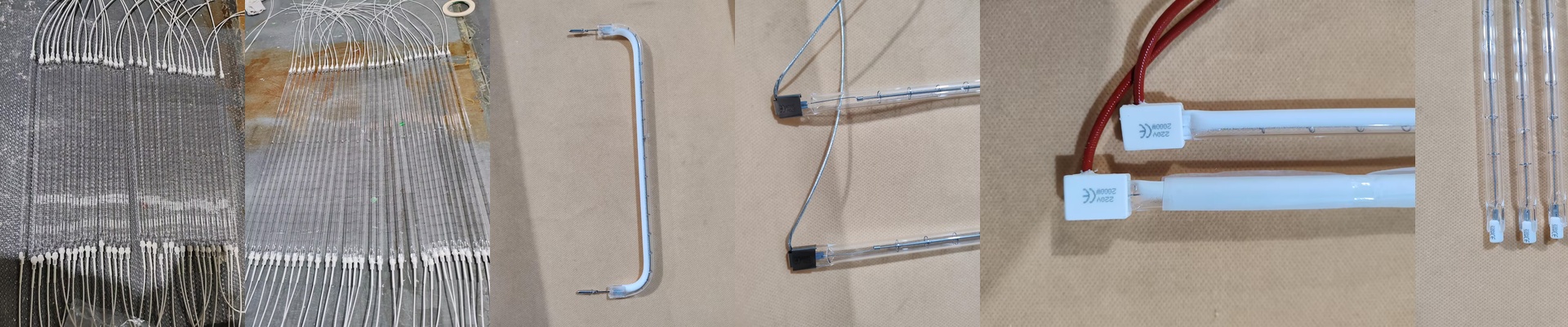
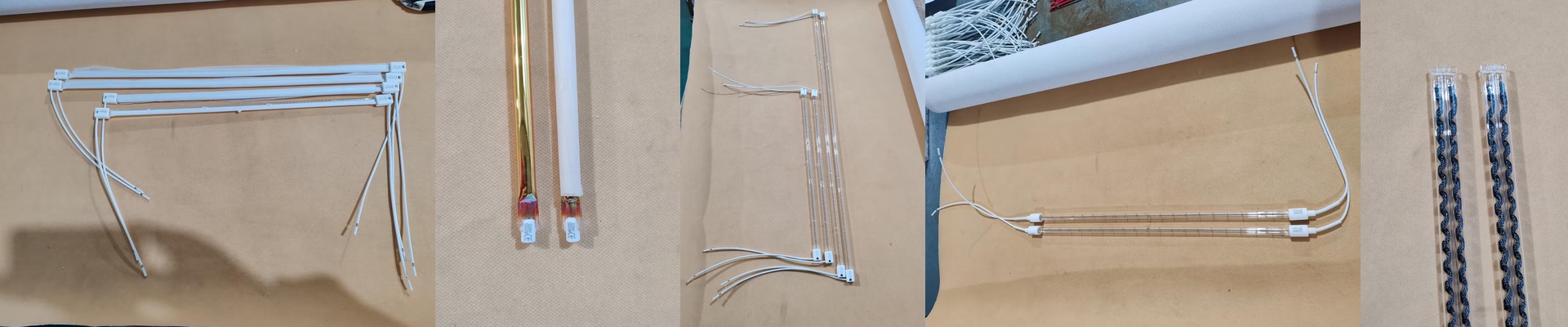
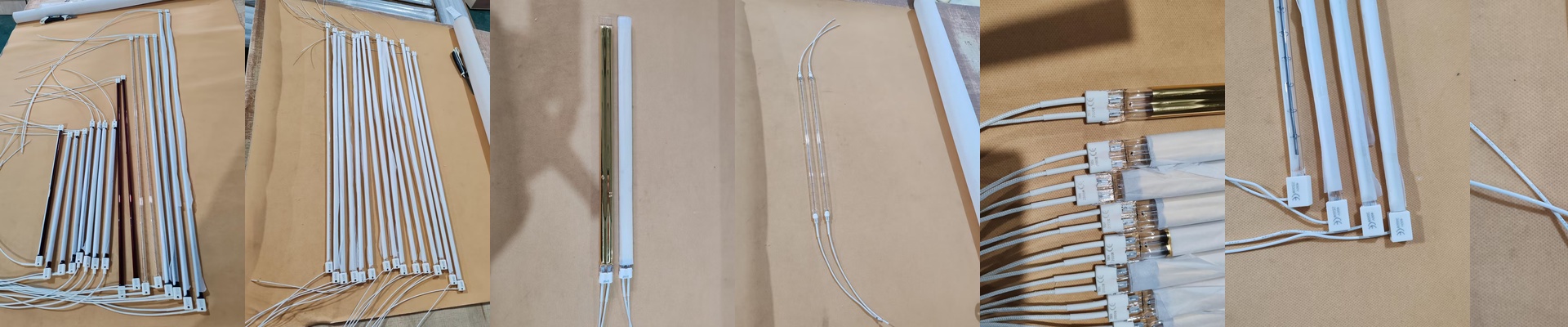
Listen, these aren’t your run-of-the-mill heat lamps. We build these halogen elements specifically for the grind of automotive paint curing and grill setups. The goal here is simple: get the heat deep into those paint layers to trigger the chemical cross-linking without accidentally frying the metal underneath.
The Guts of the Machine
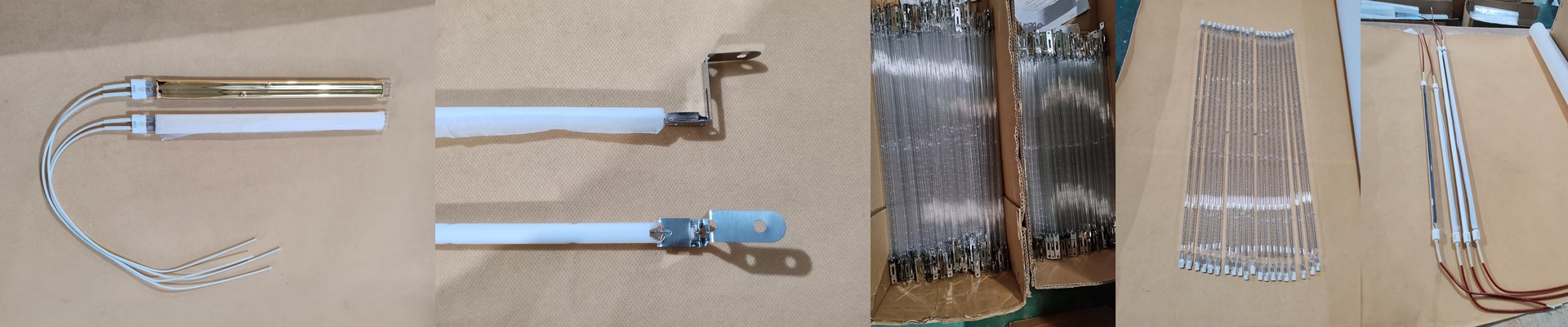
Inside each tube, there’s a tungsten filament wrapped in quartz. We pump in a halogen gas mix so the filament doesn’t just evaporate and die. Because of that, we can push these lamps way harder than a standard IR tube. You get a massive amount of heat packed into every millimeter. But a word of caution—this stuff is intense. If your conveyor belt is dragging or moving too slow, you’re going to scorch that clear coat.Keep an eye on your speed.
Making it Work in Your Shop
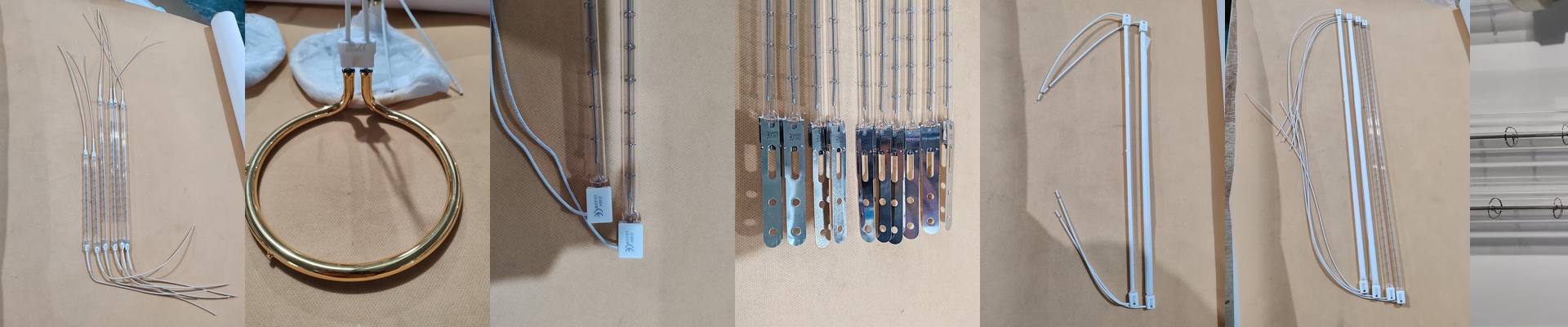
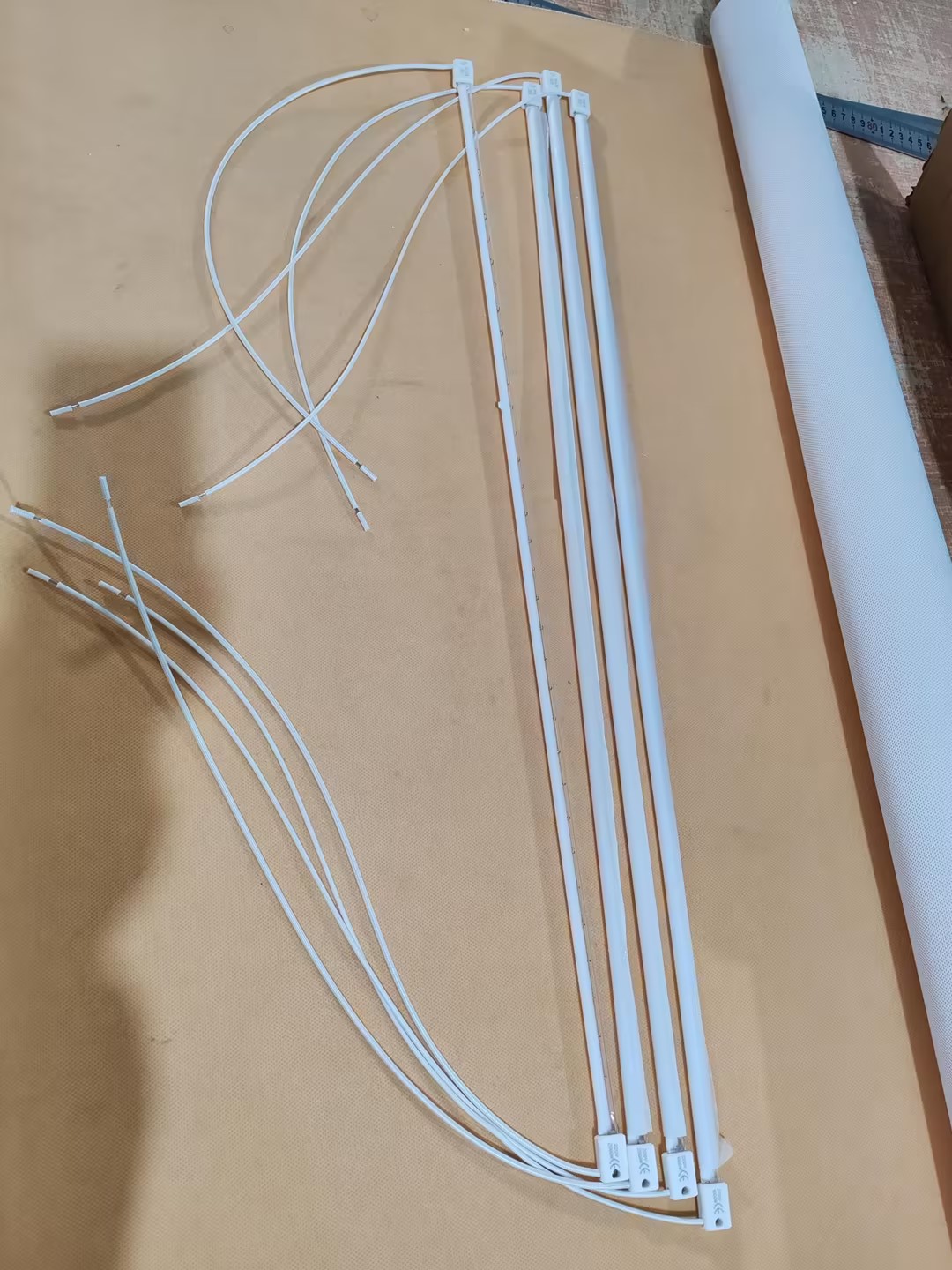
We stuck with quartz glass because it doesn’t block the radiation; it just lets it fly right through. Plus, the halogen cycle keeps the inside of the lamp from turning black, so your heat stays consistent over time. When it comes to plugging them in, we use R7s or similar snap-in connectors. It’s a huge time-saver. You can just pop them into most industrial grills and get back to work without spending your afternoon soldering custom wires.
The Trade-off
In a real-world paint booth, these lamps are a lifesaver. They cut curing time from hours down to a few minutes because the heat hits the paint directly instead of just warming up the air in the room. But here’s the catch: shortwave IR has a very tight “sweet spot.” If your lamp is off by even a couple of centimeters, your temperature drops off a cliff. You’ve got to make sure your racking is spot on. If the distance isn’t precise, you won’t get that smooth, uniform finish across the whole panel.