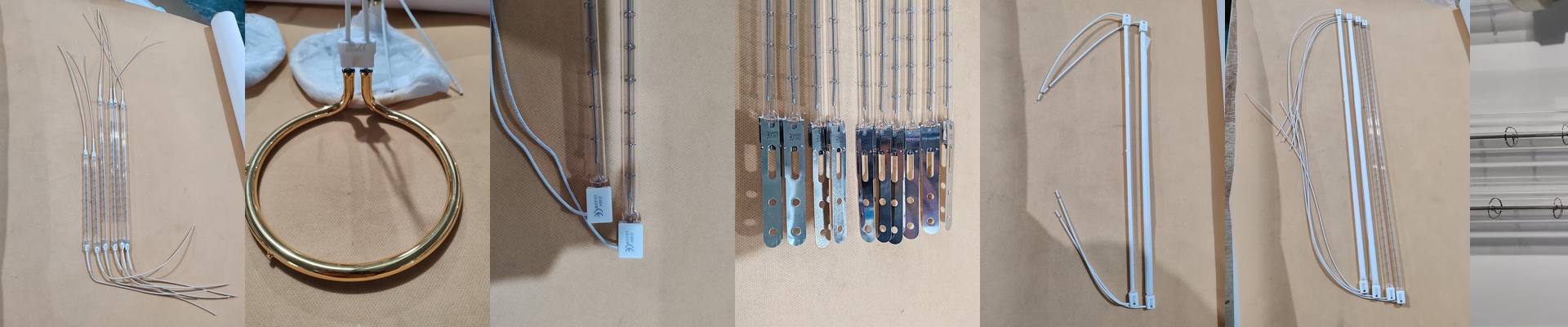
Osram E1 Halogen Lamp: Packing Serious Heat for the Factory Floor
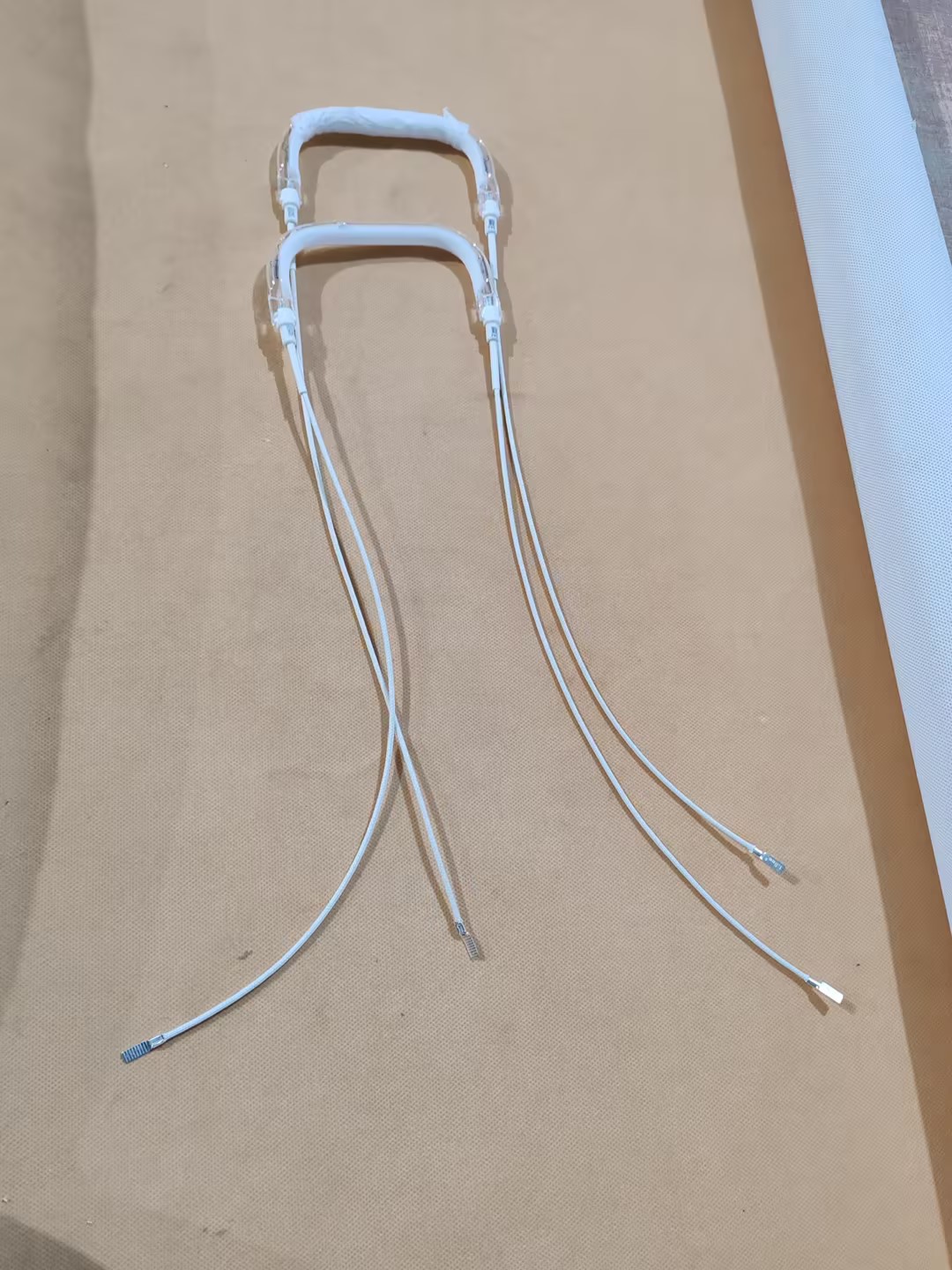
Here’s the thing about industrial heating: sometimes you need a lot of power in a ridiculously small space. That’s exactly where the Osram E1 halogen lamp comes in. We built this thing for engineers who are tired of wrestling with bulky heaters that just don’t fit. It’s compact, it’s tough, and it delivers steady, reliable heat—even when you’re working with a machine footprint that feels more like a shoebox than a warehouse.
Power, Voltage, and Size: All in the Details
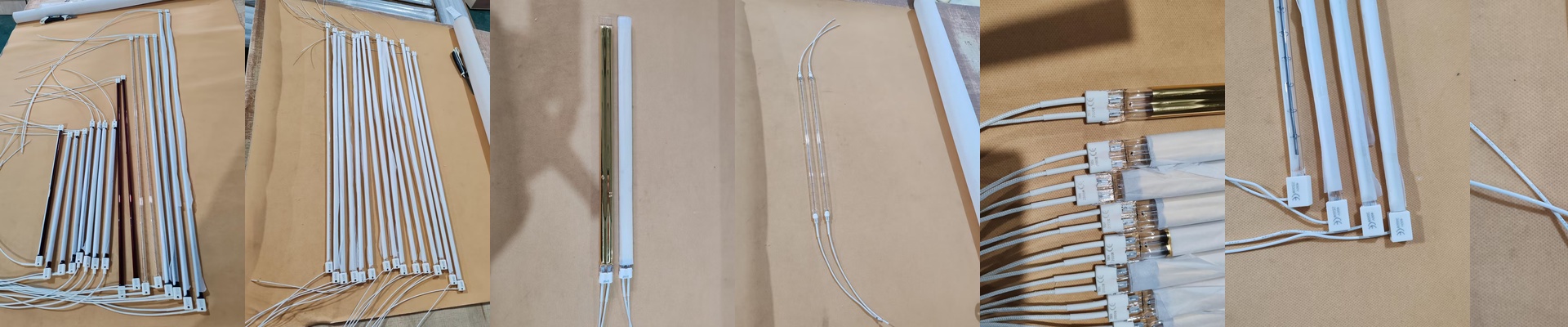
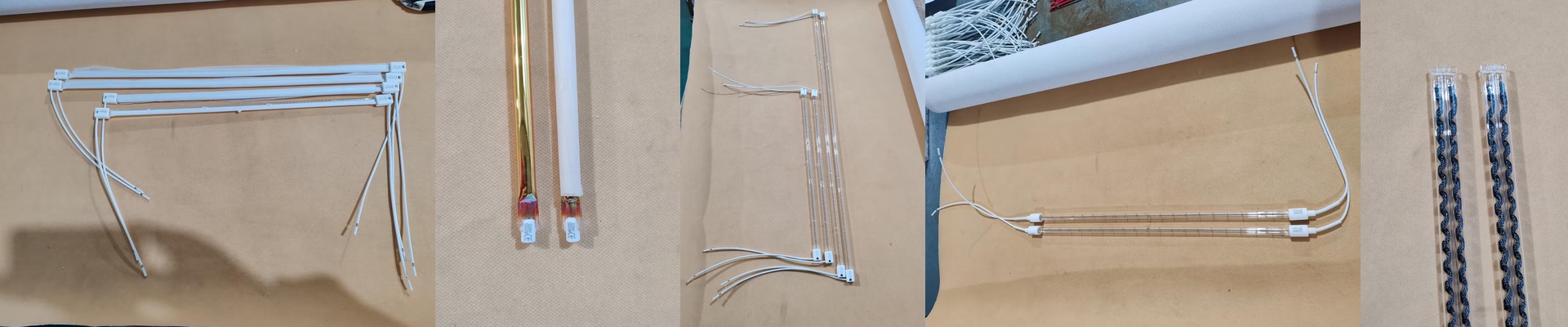
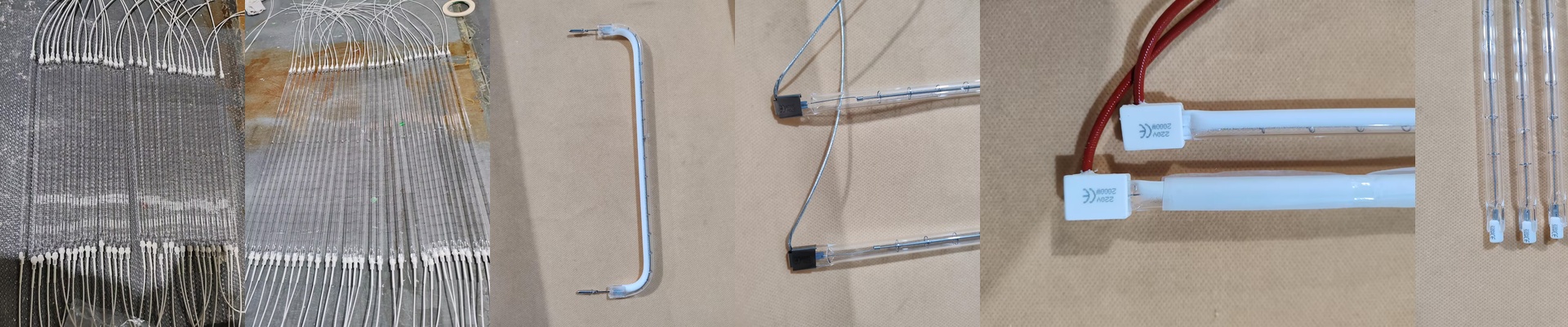
Let’s get down to brass tacks. The E1 is all about packing a punch in a small package. It can crank out up to 2500W of heat, and you’ve got your pick of lengths—300mm or 500mm. The “E1” just refers to that classic tubular shape with the standard end caps, the kind you see on industrial quartz heating tubes. Now, the voltage setup is smart. If you go with the 400V option, you pull less current. That means your wiring and contactors stay cooler and safer. But here’s the catch: all that heat concentrated in a short tube is powerful. So you need to make sure your equipment is ready for it—reflected heat and rising ambient temperatures are real things to plan for.
What It’s Made Of: The Inner Workings
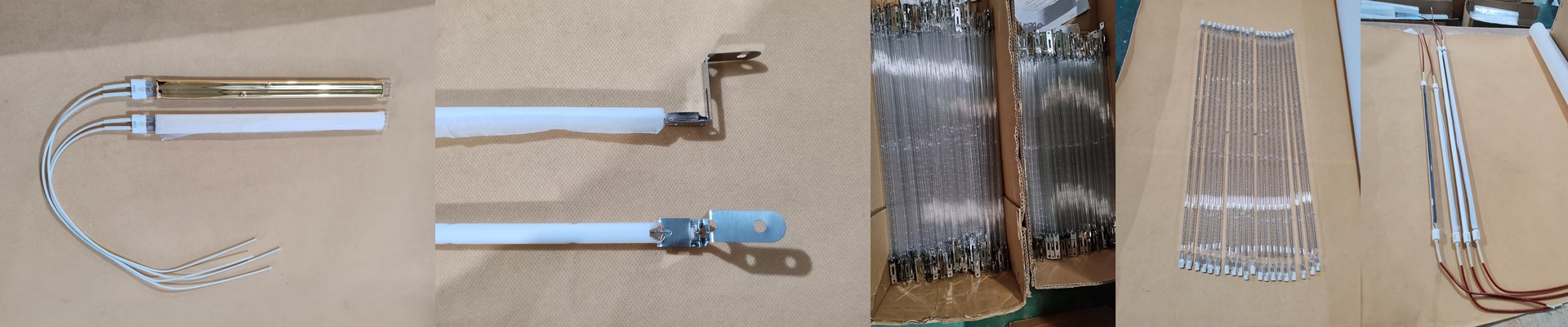
The body of this lamp is pure quartz. Why? Because it can handle the shock of firing up fast and can take the extreme heat without blinking. Inside, the halogen cycle is doing its quiet, clever work. It keeps the inner wall clean by sending evaporated filament material right back to where it belongs. The result? You get consistent output over the lamp’s life, and you avoid that annoying blackening that kills standard bulbs early. And the R7s end fittings? They’re the industry standard for a reason. They give you a solid, two-point connection at each end, so the current flows clean and the installation is a breeze. These end caps are built to survive the constant vibration and temperature swings of a running machine.
Where It Shines: Heat, Right Where You Need It
This lamp shines when you need heat fast, in a tight spot, and with total reliability. Think plastic heating, sealing, drying, or pre-heat stations. Because the infrared output is so focused, you can heat a specific zone in no time. That means shorter cycle times and a smoother workflow. Plus, it’s designed to be a direct replacement for what you already have. So you can upgrade your performance without tearing apart your whole machine. Just remember—with that kind of heat density, you need to plan your thermal management. Make sure your fixtures, reflectors, and airflow are up to the task.