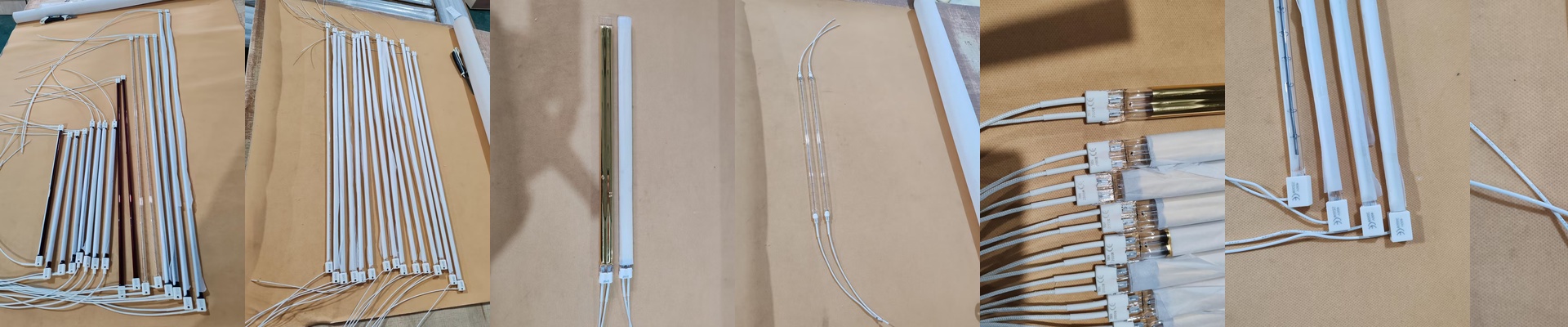
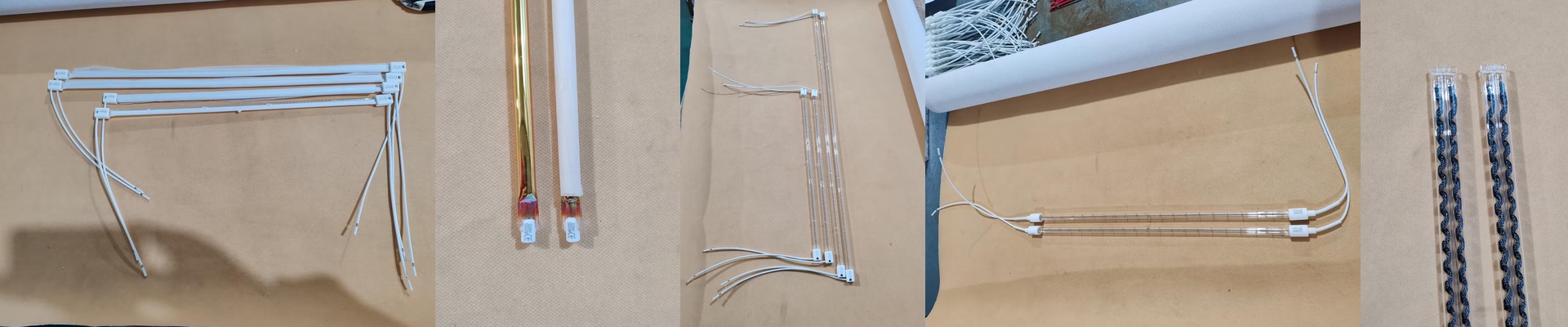
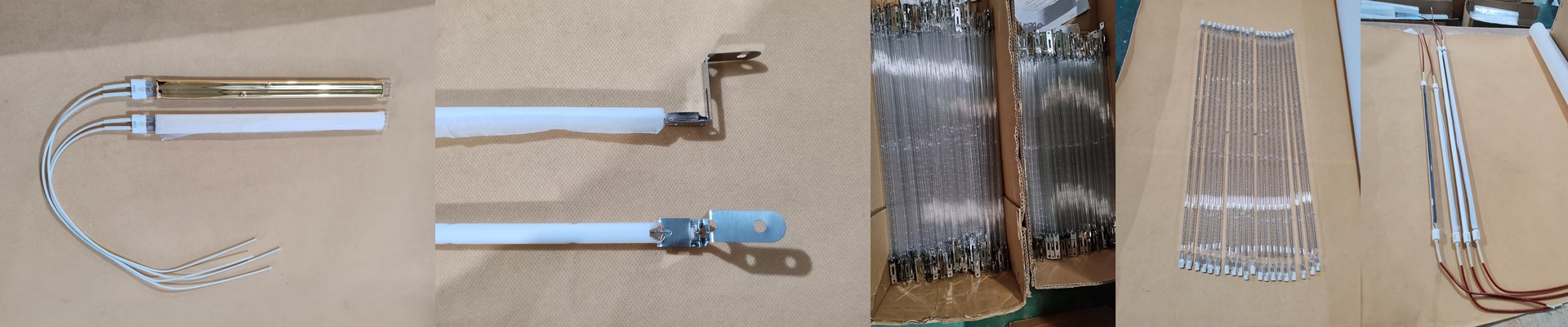
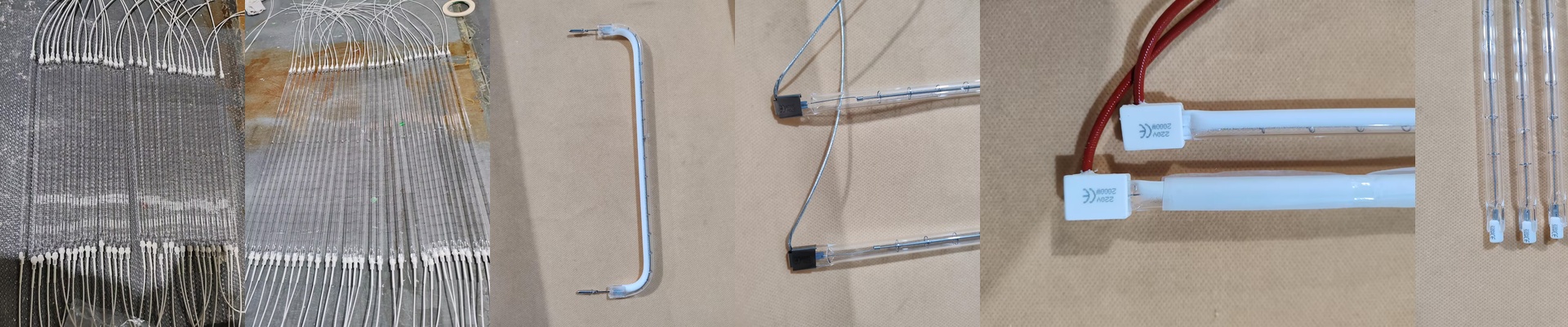
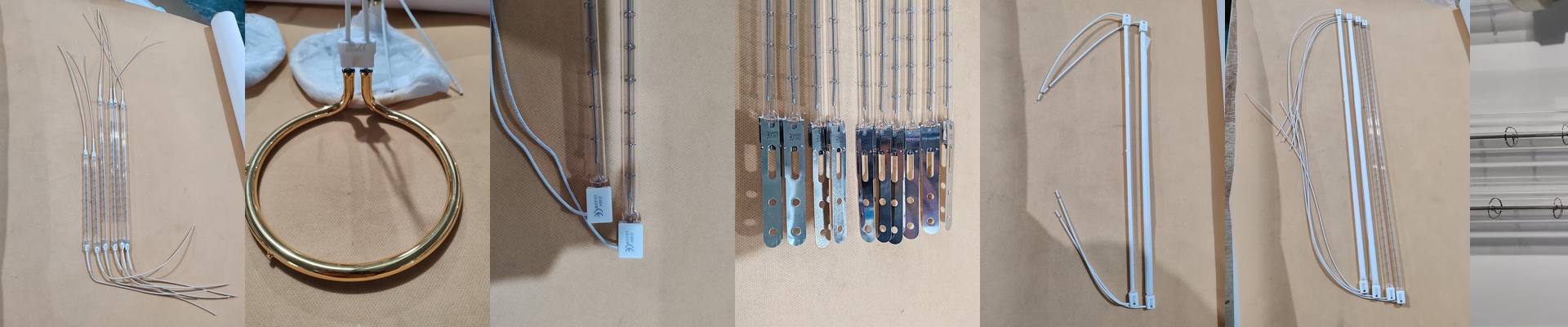
Let’s Talk About the 3000W Shortwave Halogen Heater
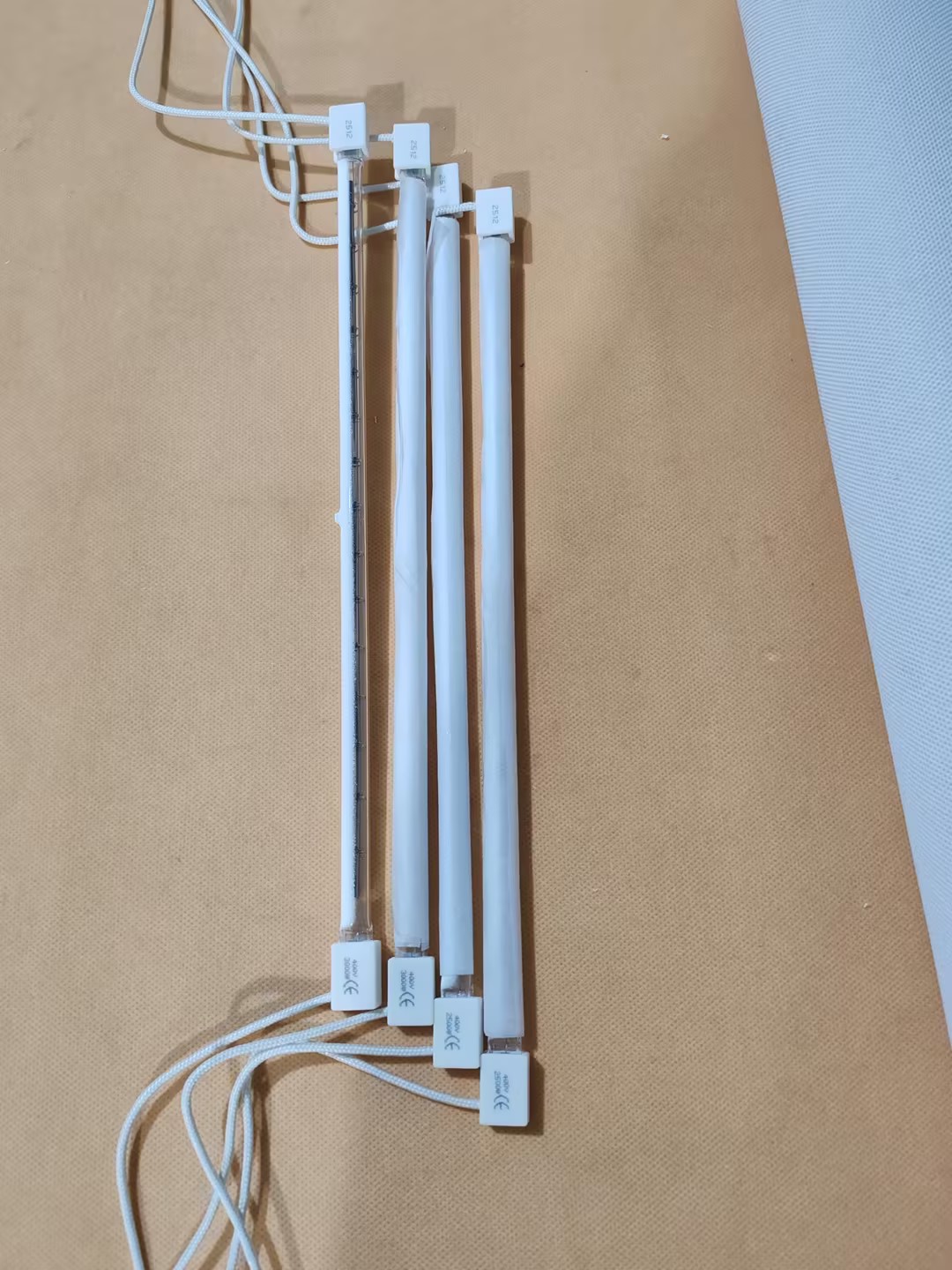
If you’ve ever waited around for an industrial oven to finally get up to temp, you know how frustrating that dead time is. That’s exactly why we built these 1000mm shortwave infrared (SWIR) lamps. They’re designed for when you need heatright now. With 3000W packed into a one-meter tube, you aren’t waiting for a housing to warm up. You just flip the switch and the surface flashes to temperature. It’s fast. Really fast.
Why the “Shortwave” part matters
Here is the thing: shortwave radiation doesn’t just sit on the surface; it punches through the material much faster than the medium or longwave stuff. To keep things running long-term, we use a halogen cycle. It basically keeps the tungsten filament clean so it doesn’t thin out and snap under the pressure of a heavy load. You get a ramp-up time that takes seconds, not minutes.
The build (and a warning)
We stuck with the 1000mm length because it fits right into most standard industrial ovens and PET blowing machines. No need to redesign your whole setup. We use high-purity quartz glass because, frankly, 3000W creates a lot of internal pressure and heat. It’s tough, but you have to do your part too. Keep your reflectors clean. If dust or oxidation builds up on those mirrors, your efficiency tanks and the lamp starts to overheat. It’s a simple fix, but it makes a huge difference in how long the lamp lasts.
Getting it running in the real world
When you’re wiring these in, keep a close eye on your voltage. A 3000W draw is a heavy lift for any power supply. If you get a sudden spike, you’ll fry the filament instantly. Instead of a basic on/off switch, I’d strongly suggest using a PID controller. It lets you modulate the power smoothly, which is much kinder to the hardware. These are easy drop-in replacements for most high-output SWIR systems. Just one last thing: check your cooling fans. Since these things put out an incredible amount of heat, you need to keep the air moving around the ends of the lamp. If you don’t, you’re looking at melted connectors or a warped housing—and nobody wants that.