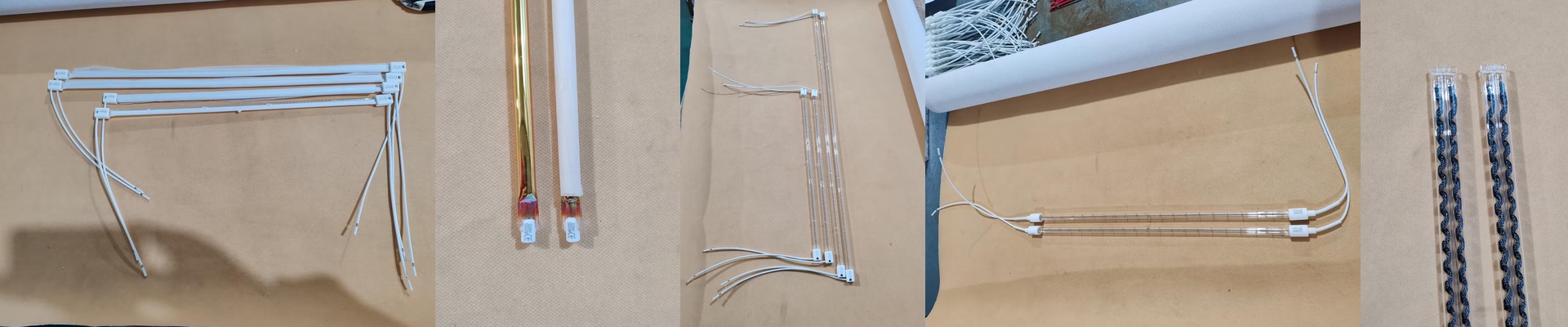
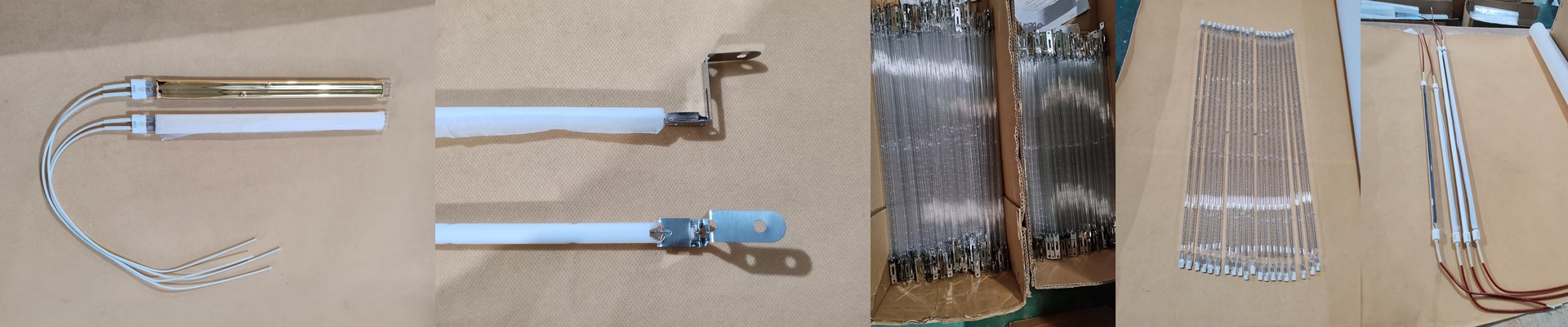
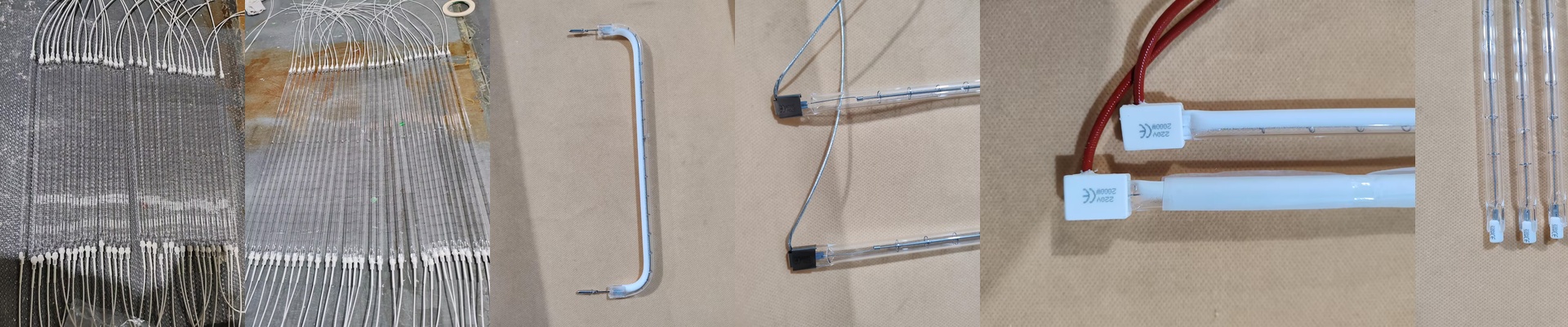
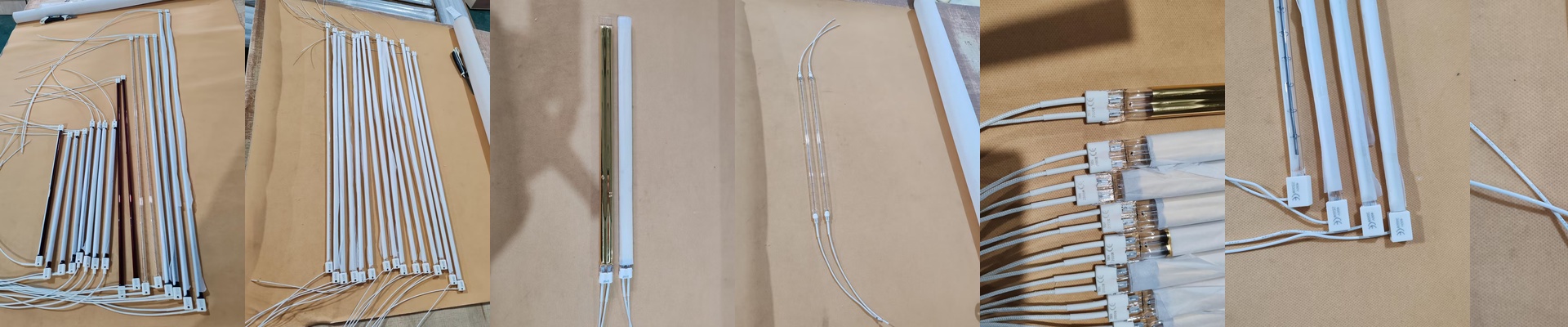
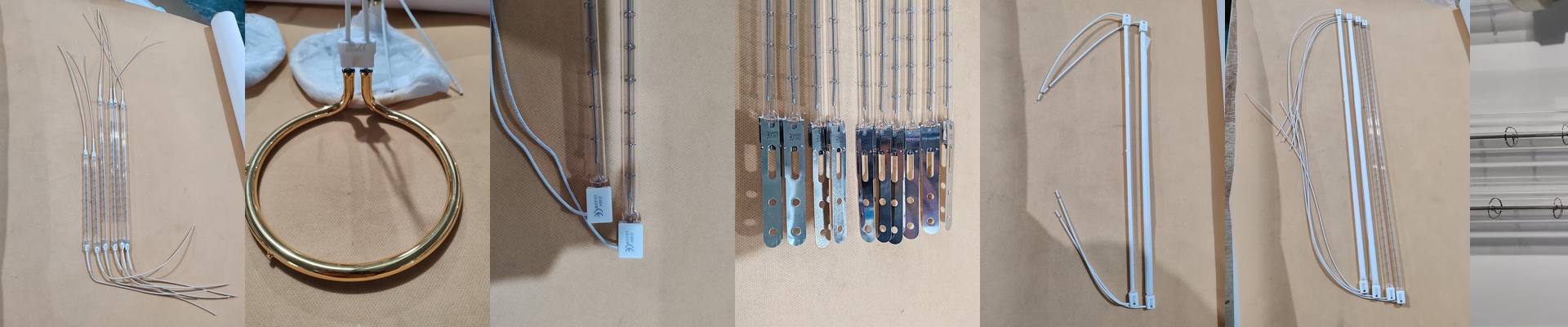
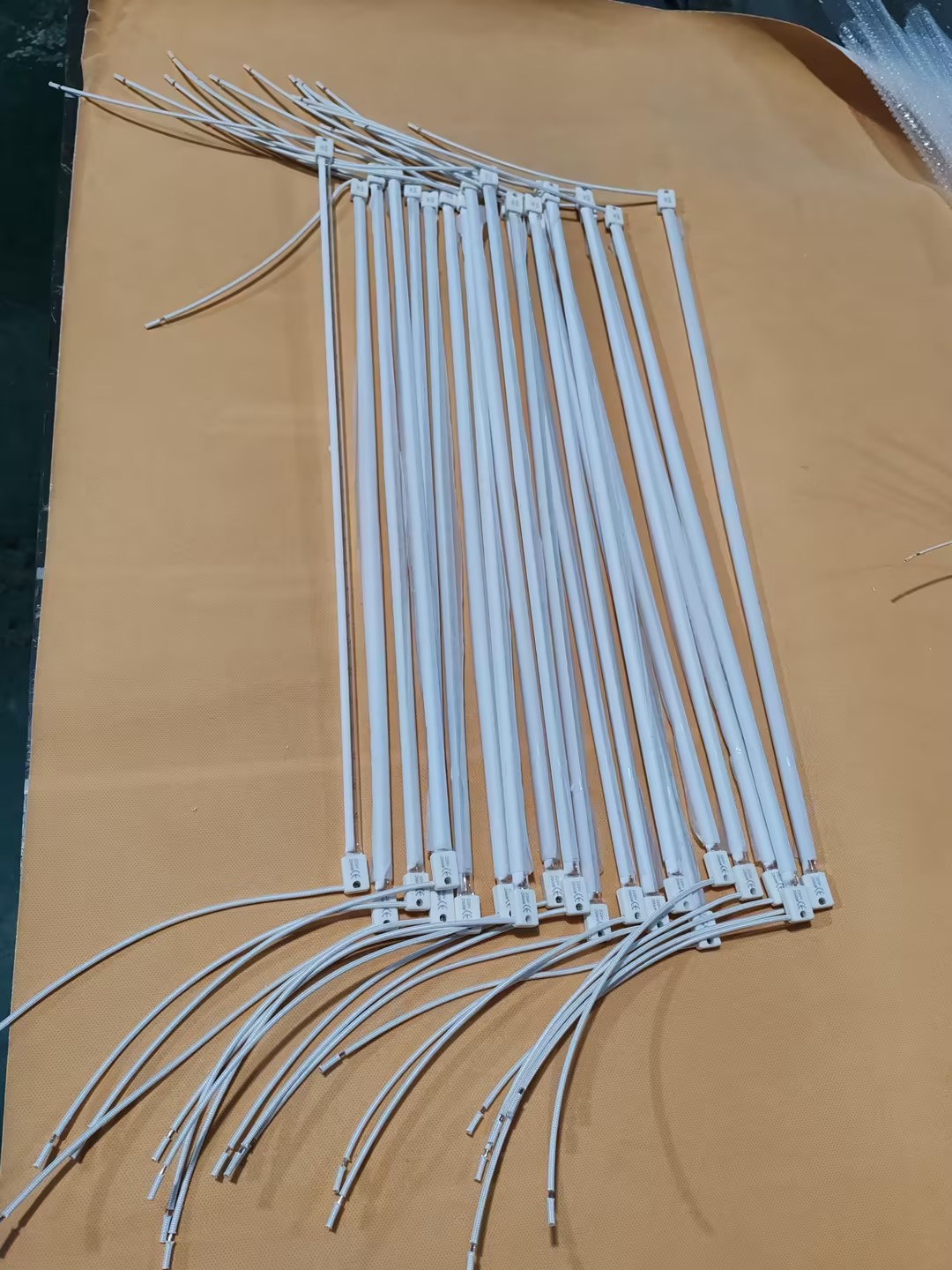
Let’s talk about these 20.25" 1600W Halogen Lamps
If you’re dealing with heavy thermal loads, you need something that doesn’t just “warm things up,” but actually hits hard. That’s where these 20.25-inch lamps come in. They pull 1600W at 240VAC, which basically means they pump out an intense amount of shortwave infrared radiation across the entire length of the tube.
The Power Side of Things
Pushing 1600W through a slim quartz tube is no joke. It’s a lot of energy in a small space. To make your life easier, we use the R7S base. I love these because they’re a simple drop-in. You don’t have to wrestle with a mess of wires; you just slide the lamp into the socket, lock it down, and you’re good to go. One heads-up on the electrical side: since these run on 240V, check your controllers. You’ve got to make sure they can handle that initial inrush current. If your power supply isn’t ready for that first surge, you’re going to end up burning out your contactors. And nobody wants to deal with that on a Tuesday morning.
A Quick Word on Quartz and Halogen
Here’s the secret sauce: the halogen cycle. It stops the tungsten filament from evaporating and gunking up the inside of the glass. This keeps the tube clear and ensures you actually get that 1600W output for the long haul. But be careful. The quartz is tough when it comes to heat, but it’s fragile in other ways.**Whatever you do, don’t touch the glass with your bare hands.**The oils from your skin create hot spots. It sounds minor, but those spots are exactly what cause the tube to fail way sooner than it should.
Putting Them to Work
You’ll mostly see these in PET blowing or plastic shrink tunnels. The beauty of shortwave radiation is that it doesn’t just sit on the surface; it sinks deep into the material, heating the core quickly. Just keep in mind that 1600W in a 20-inch frame creates a massive amount of radiant heat. Your housing and cooling fans need to be able to keep up. Plus, make sure you’re venting the air around those R7S sockets. If the heat just sits there, it’ll eventually eat away at your socket terminals.