Why Some Quartz Lamps Just Last Longer
Most people think a quartz tube is just a quartz tube. But if you’ve ever had a lamp burn out way sooner than it should, you know that’s not true. When we look at how our lamps stack up against the big-name brands, it really comes down to two things: the glass and the wire.
The Secret is in the Stuff
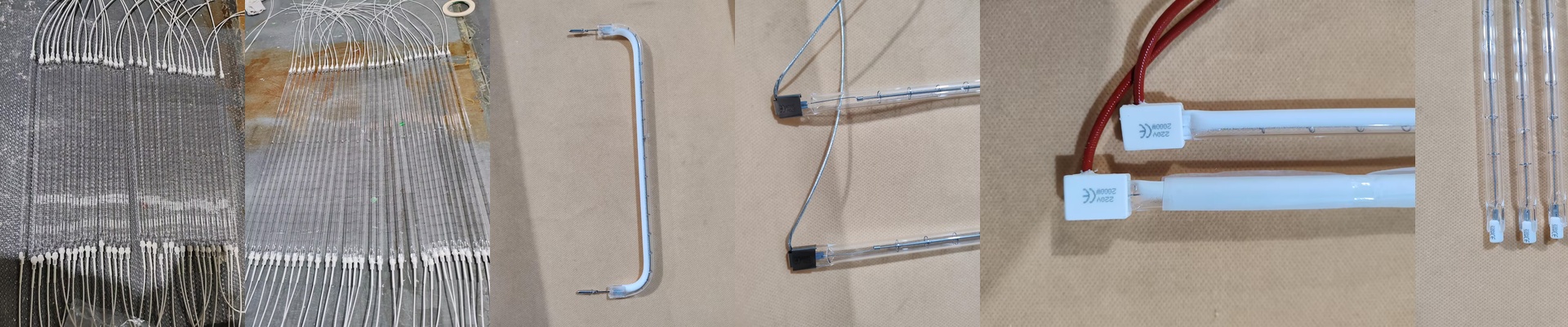
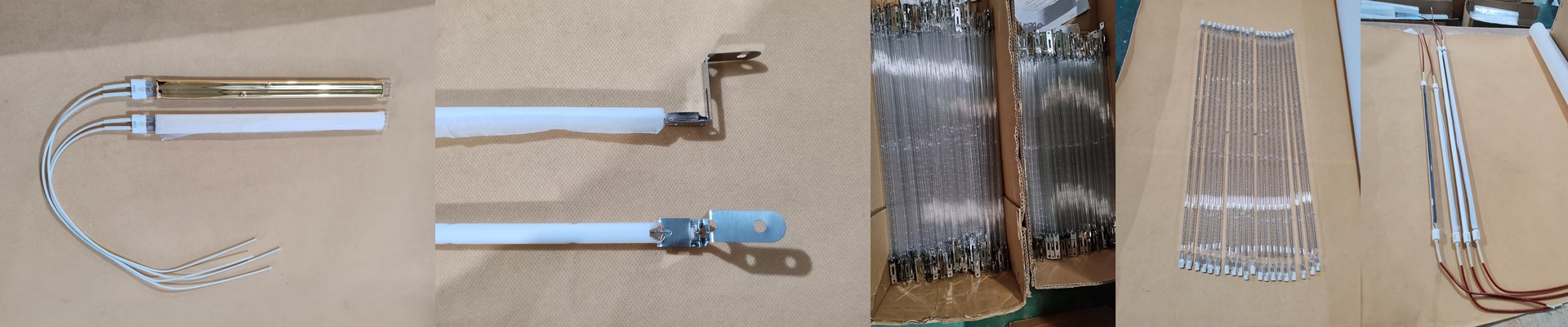
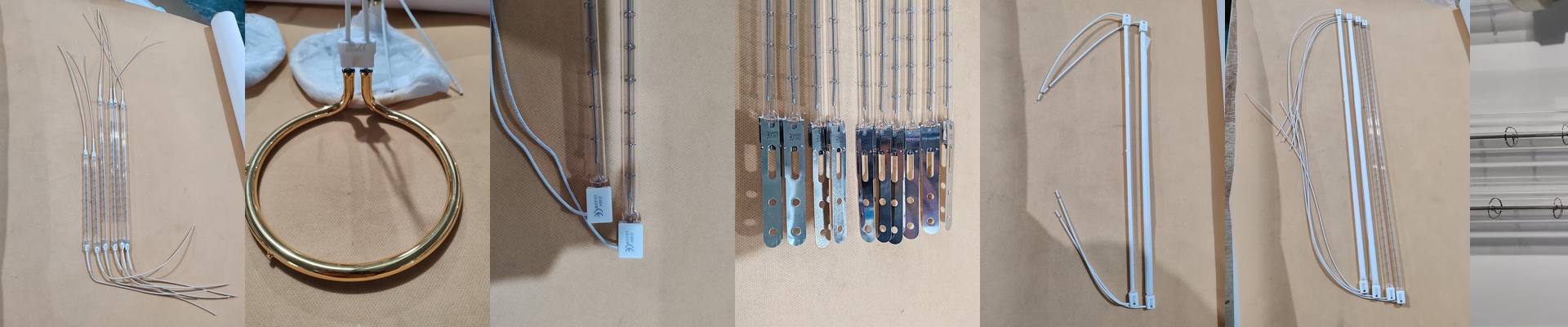
We use high-purity fused quartz. Why? Because when things get incredibly hot and then cool down over and over, cheap glass starts to warp. It gets cloudy—what the engineers call “devitrification”—and then it cracks. Not a great look. Then there’s the filament. This is where the real fight happens. We use a tungsten alloy that mimics the grain structure you find in those expensive Tier-1 brands. It stops the wire from thinning out too fast at the supports. When the filament stays thick and even, you don’t get those annoying hot spots that kill a bulb prematurely.
Keeping Things Steady
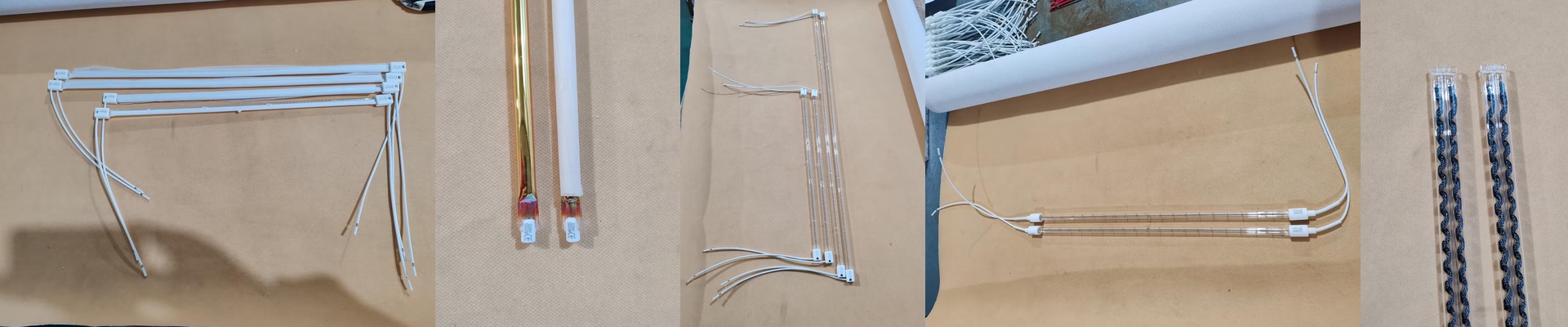
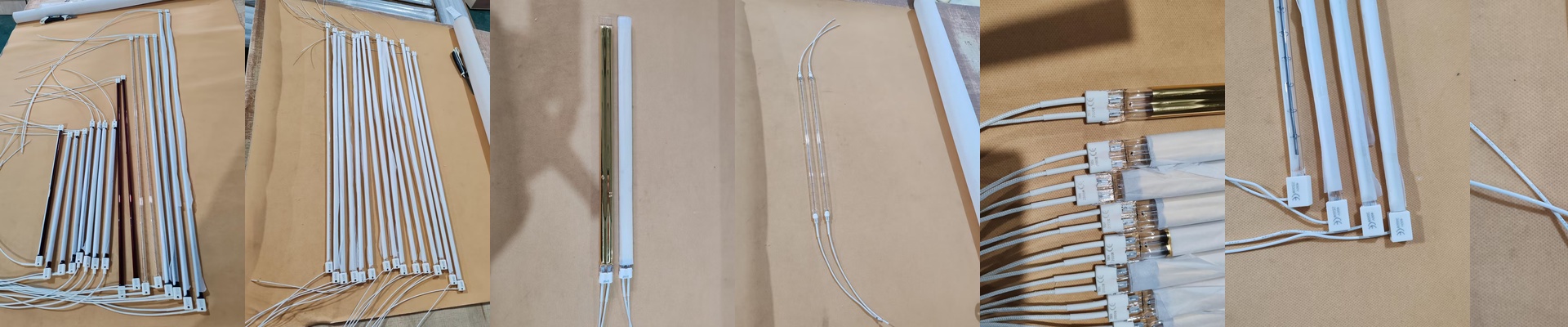
A lamp is only as good as its seal. We spend a lot of time calibrating the internal pressure and the gas fill so the filament doesn’t just evaporate into thin air. The result? Your light output stays steady for thousands of hours. You can just pop these in and forget about them. You won’t be spending your weekends fiddling with PID controllers every few weeks just to keep things level. **One quick tip:**If you’re pushing your tubes to the absolute limit with high wattage, keep an eye on your sockets. Check your wiring for oxidation so you don’t create a bottleneck.
No Fluff, Just Physics
We aren’t into fancy marketing speak. It’s simpler than that. We use the same raw material specs as the industry leaders because that’s how you get the same lifespan. If the metallurgy is right and the glass chemistry is spot on, the hours on the clock will match. You get the same performance and stability, just without paying the “big brand” tax.