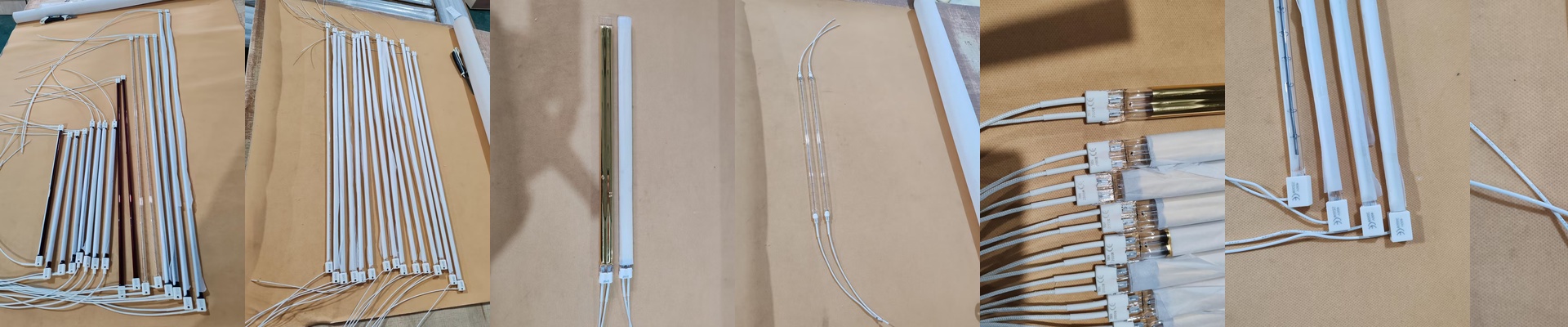
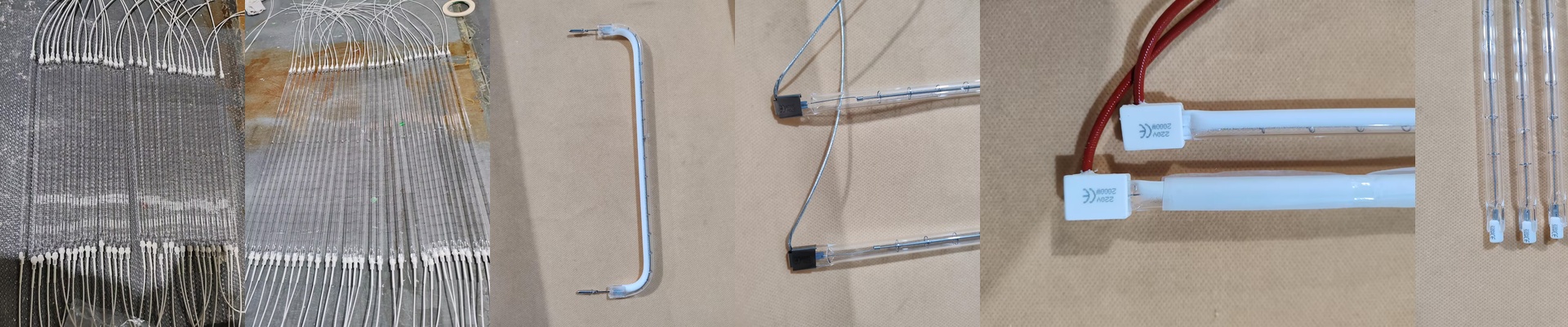
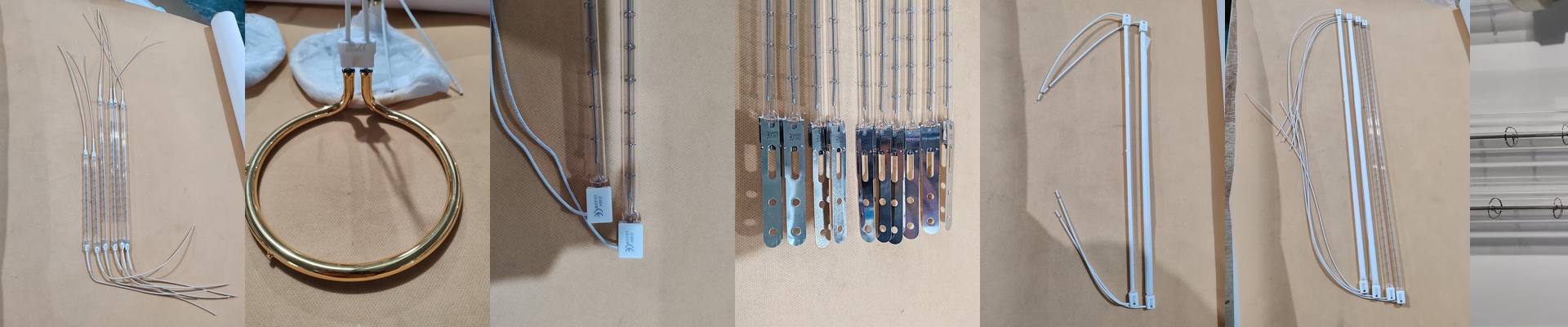
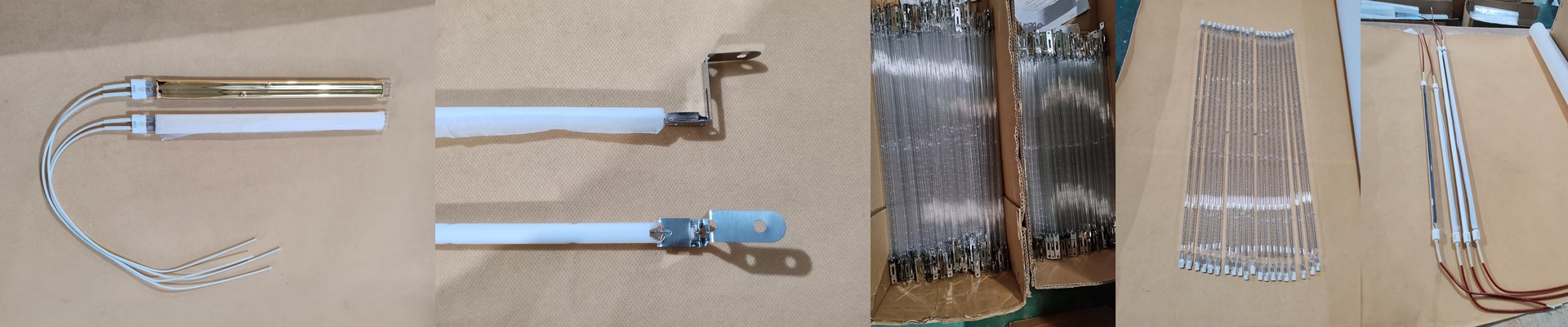
Getting a Handle on Halogen Shortwave Infrared Elements
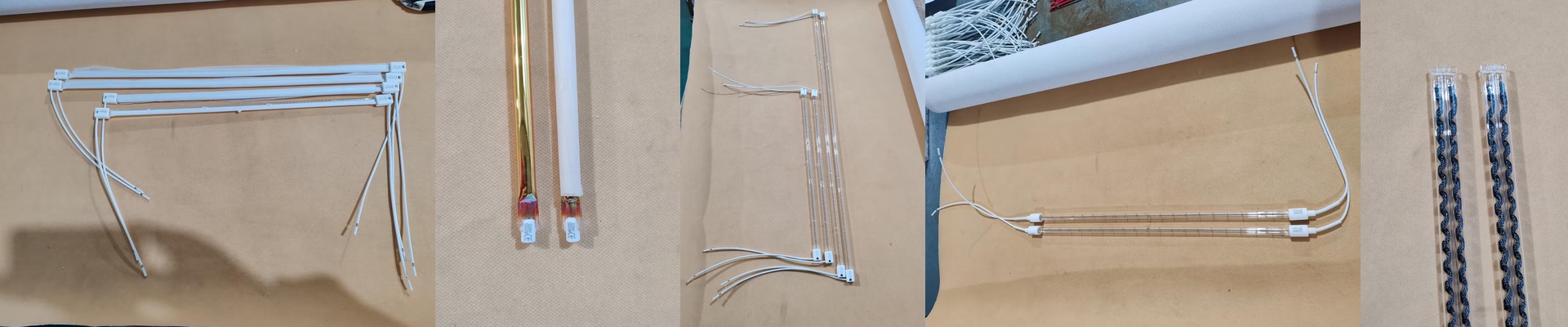
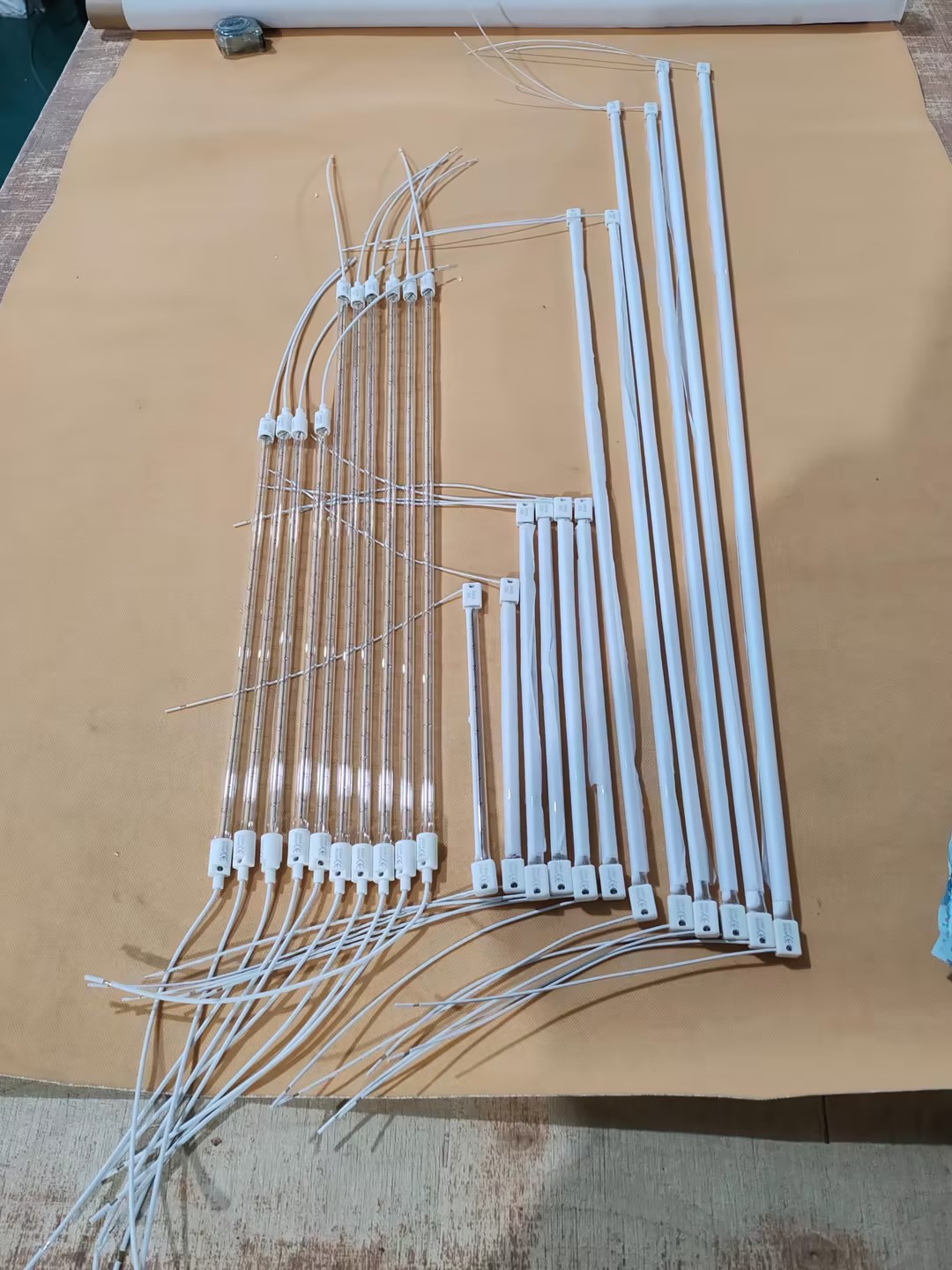
If you need to move a massive amount of heat into a material—and you need it to happen now—that’s where these halogen lamps come in. They aren’t your average lightbulbs. We build these quartz tubes specifically for those high-intensity jobs where waiting for a slow warm-up just isn’t an option. Let’s talk power. Depending on how much room you have in your machine, we can tweak the voltage and wattage. Take a 2500W tube, for example. It packs a huge amount of heat into a tiny space. But here’s the thing: you’ve got to make sure your wiring and power supply can actually handle that kind of draw. If they can’t, you’ll deal with voltage drops. Also, if you’re jumping up to a 400V system, the heat output gets intense. Really intense. You’ll want to double-check your cooling fans or heat sinks, or you might find your housing warping under the pressure. What’s inside? We use high-purity quartz glass to protect the tungsten filament. Inside, there’s a halogen gas cycle that keeps the filament from evaporating too fast, which basically means the lamp lasts longer. When it comes to plugging them in, we usually stick with R7s or Sk15 connectors. They’re simple. You can just drop them into most industrial heaters and get them wired up without having to mess around with custom soldering. Plus, some of our tubes have a special coating. This shifts the emission spectrum so the heat sinks deeper into your material instead of just scorching the top layer. The reality of using them. These elements are the real workhorses for things like PET blowing and plastic curing lines. They hit the right temperature in seconds. But there’s a catch. Quartz is brittle. It’s fragile. If your machine vibrates too much, or if a tech accidentally bumps a tube during a midnight maintenance shift, it’s going to crack. To stop that from happening, I always suggest using vibration-dampening mounts. It keeps the mechanical stress down and stops your tubes from burning out before their time.