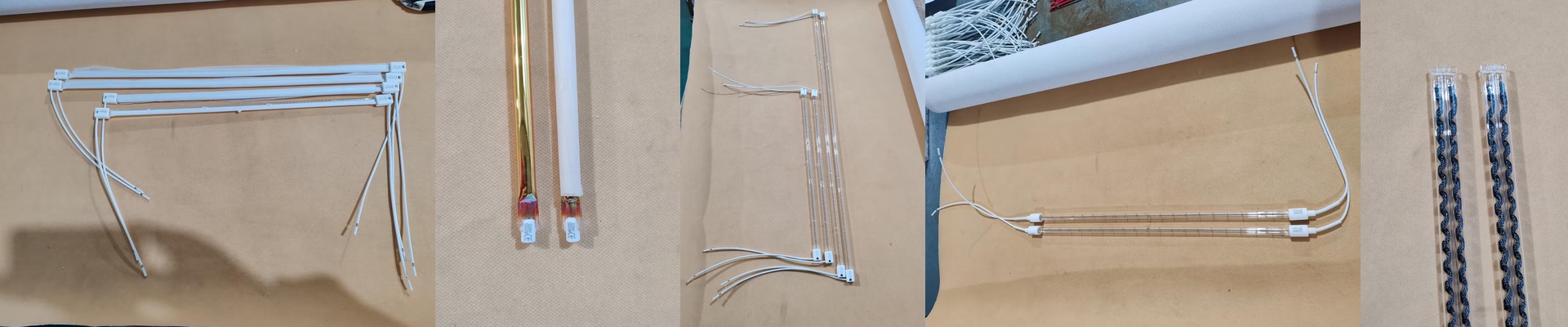
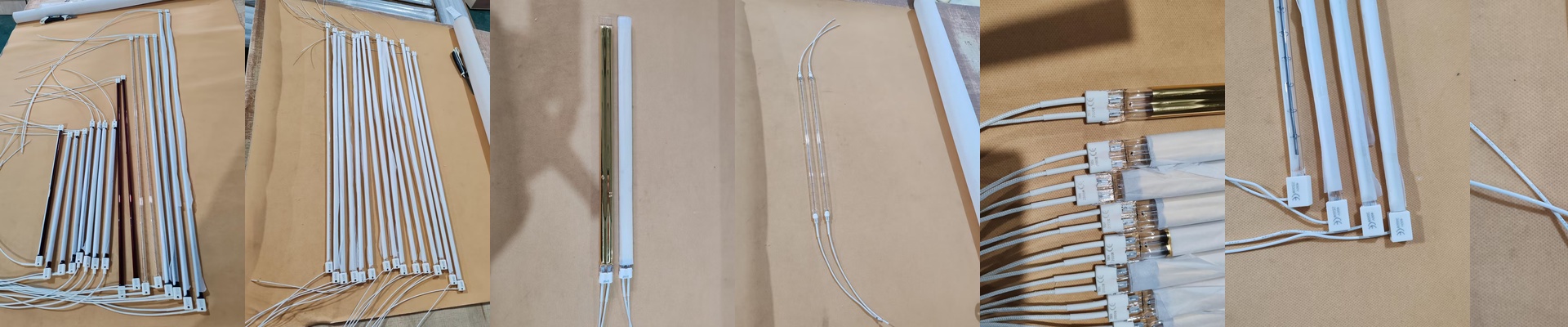
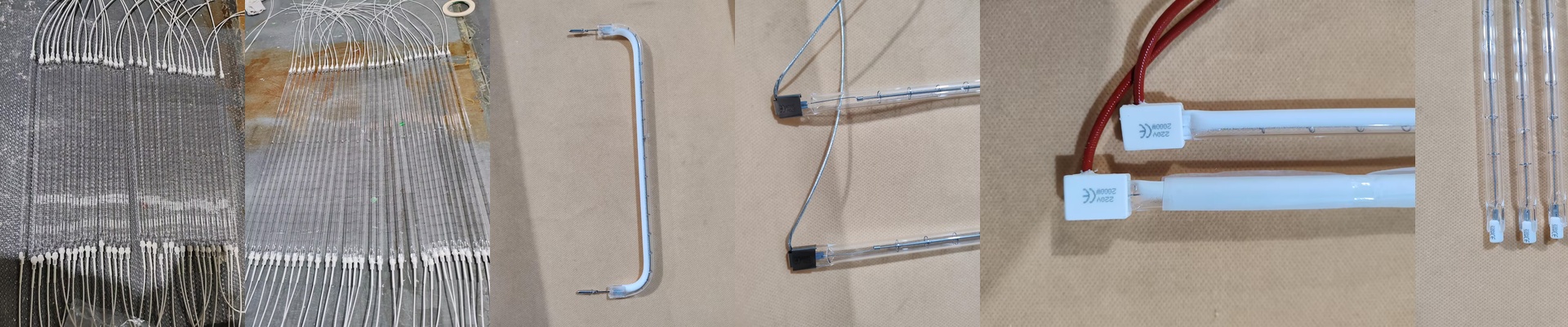
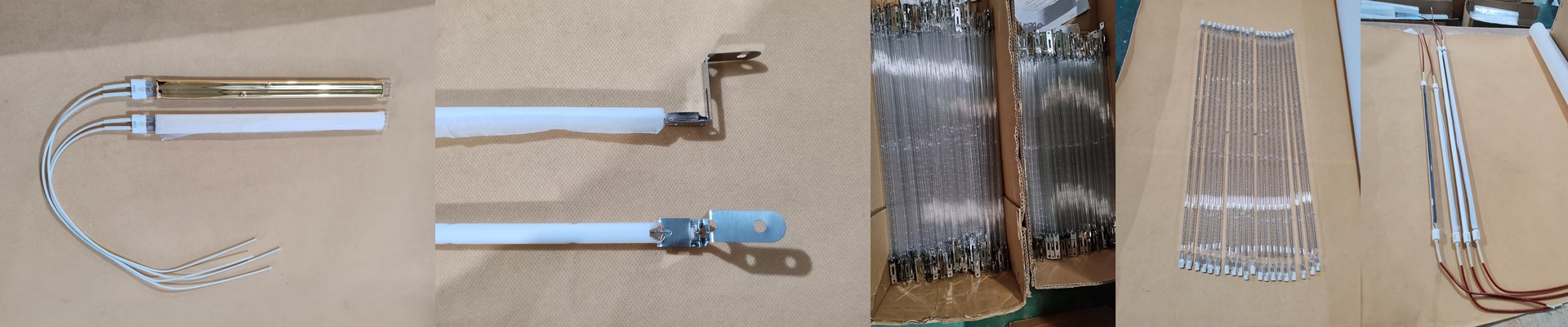
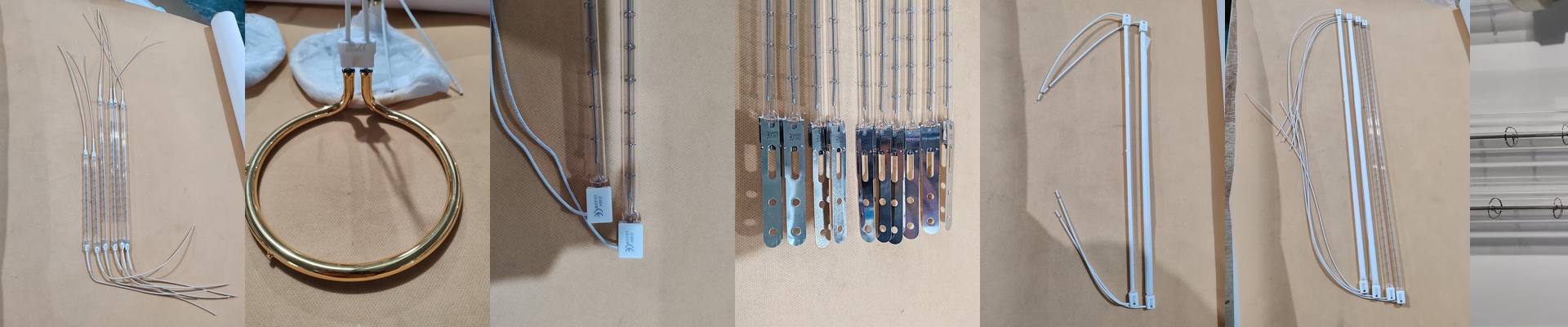
Stop Guessing with Your Quartz Heaters
We run a quartz heater factory in China, and if there’s one thing we’ve noticed, it’s that most buyers are fed up. They’re tired of looking at glossy data sheets that look amazing on a screen but fall apart the second they hit the shop floor. It’s frustrating. You buy based on a brochure, plug it in, and… it just doesn’t work the way they promised. That’s why we’re doing things differently. No more sales pitches. We just want you totest them before you buy them. We’ll send you the tubes, you pop them right into your actual production line, and you run them side-by-side with whatever you’re using now. See for yourself if they actually hold up.
The Real-World Test
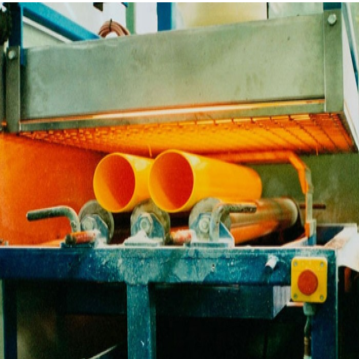
Testing a heater in a sterile lab is easy. But putting one into a PET blowing machine or a curing oven? That’s where things get messy. We care about three things: how fast they heat up, if the temperature stays steady, and how much power they’re actually pulling. When you drop our lamps into your current setup, you’ll see the difference in your cycle times immediately. If our tubes aren’t hitting your target temp faster or keeping a tighter grip on the heat than your current ones, then they aren’t the right fit. Simple as that.
Let’s Be Honest About the Engineering
Here’s the thing: cranking up the heat density isn’t always the win people think it is. If you try to squeeze 2500W into a tiny tube just to speed up your line, you’re playing a dangerous game. One voltage spike and you’ve burnt out your filament. We build our heaters to handle those kinds of swings, but you still need to make sure your power supplies can take the load. We aren’t going to tell you our lamps last forever—that’s a lie. We’ll just make sure they last for the exact number of operational hours your specific workload demands.
No Risk, No Headache
We’ll take the hit on the initial samples. Just wire them up, run a standard shift, and check your sensors. You get the real data from your own machines before you ever have to worry about a bulk order. It’s a straightforward way to see if our hardware actually does what you need it to do. No guesswork, no corporate fluff. Just heat.