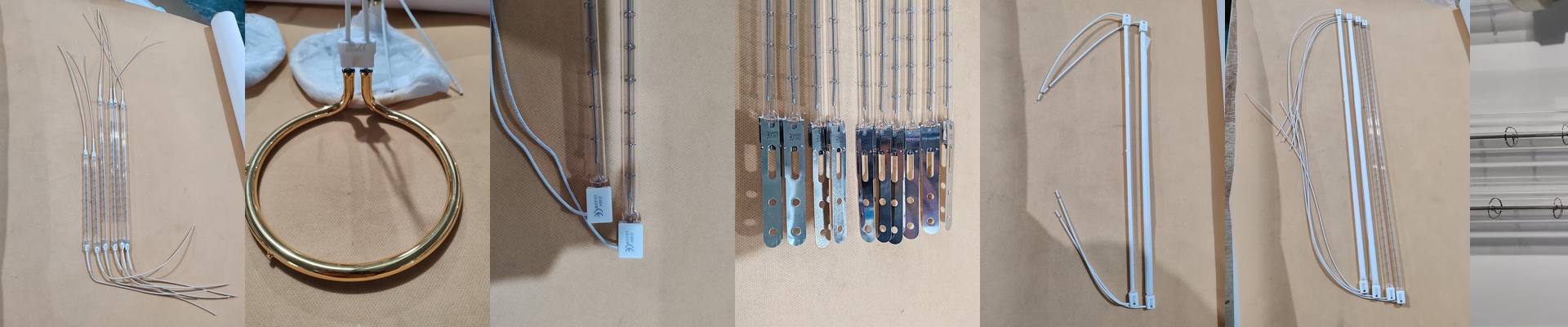
Halogen Heater Rod: The Tiny Powerhouse Behind the Heat
Picture this: you need heat, and you need it fast. Not a slow, gradual warm-up. Right now. That’s where a halogen heater rod comes in. It’s a compact, no-nonsense infrared emitter, built for those spots on industrial machines where you need intense, focused heat in a heartbeat.
What’s Under the Hood?
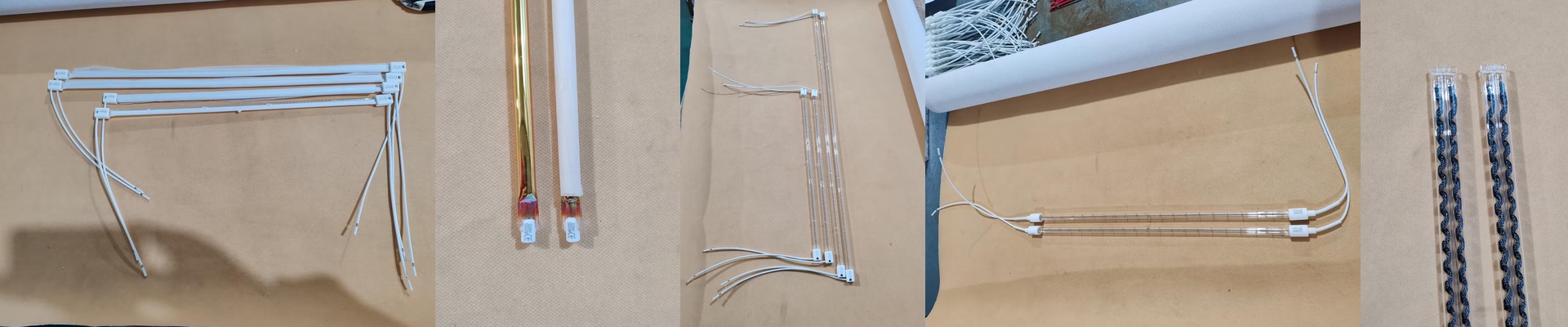
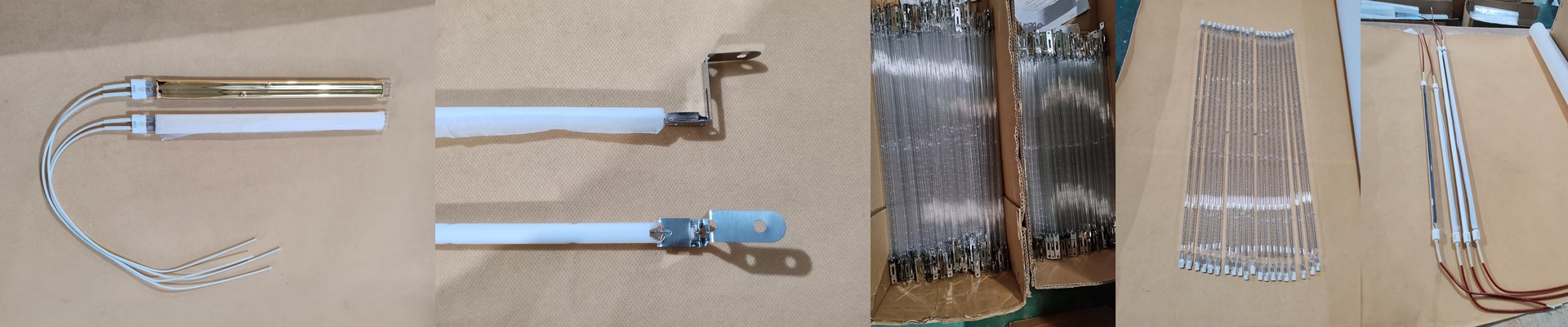
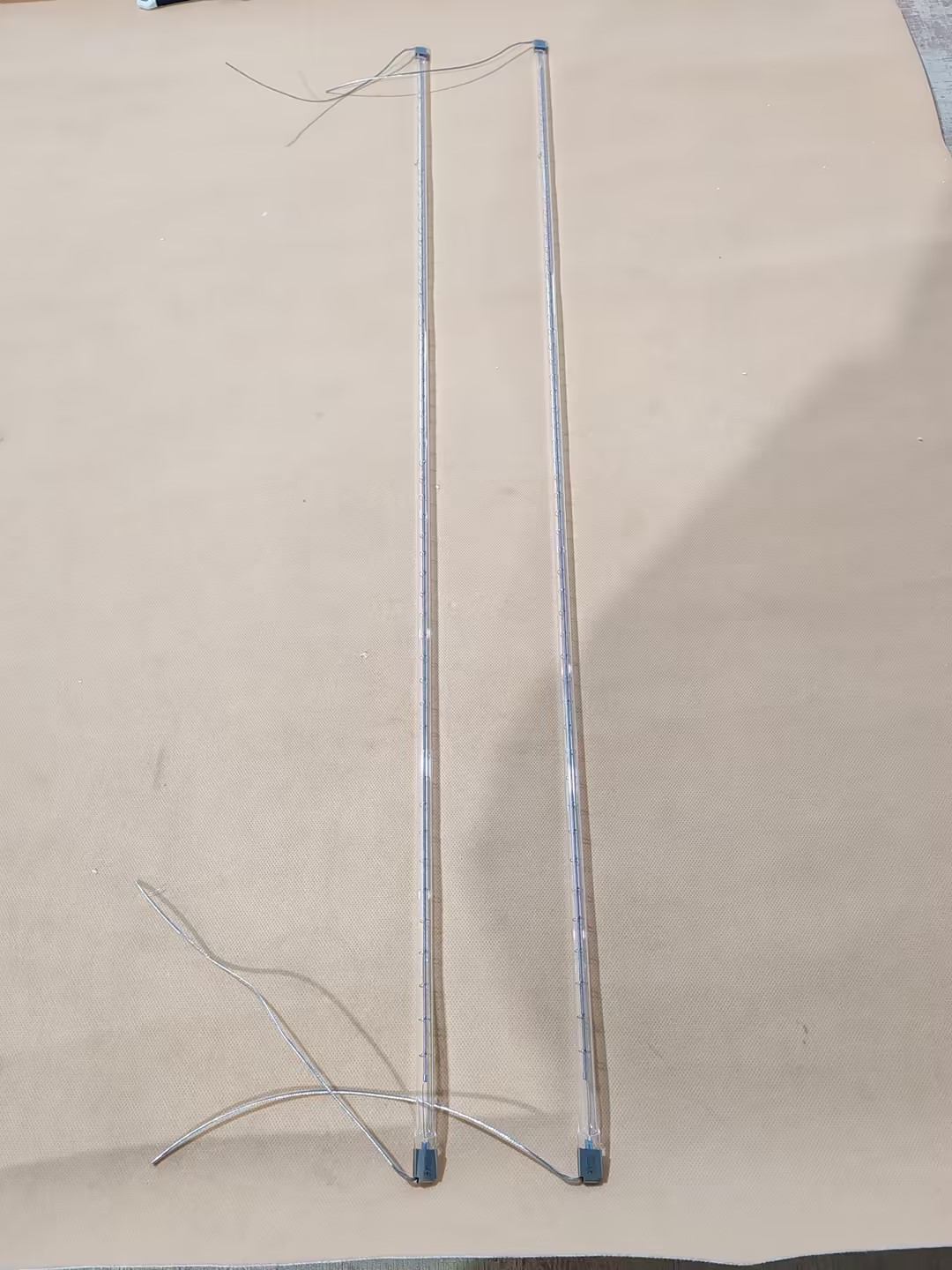
Here’s the thing—we design these rods to be predictable. You know exactly what you’re getting. A typical model packs 2500W of power at 400V. That’s a serious punch of heat density, all wrapped up in a tidy, 300mm package. It concentrates that energy right where you need it, so you don’t end up roasting the parts sitting next door. But with that kind of power, you’ve got to make sure your machine’s power supply is up to the task, and that you’ve got enough cooling in the enclosure. And that 400V rating? It’s a smart move. It keeps the current lower for the same power, which means you don’t need bulky wiring and you can avoid putting too much stress on your connections.
Built to Last
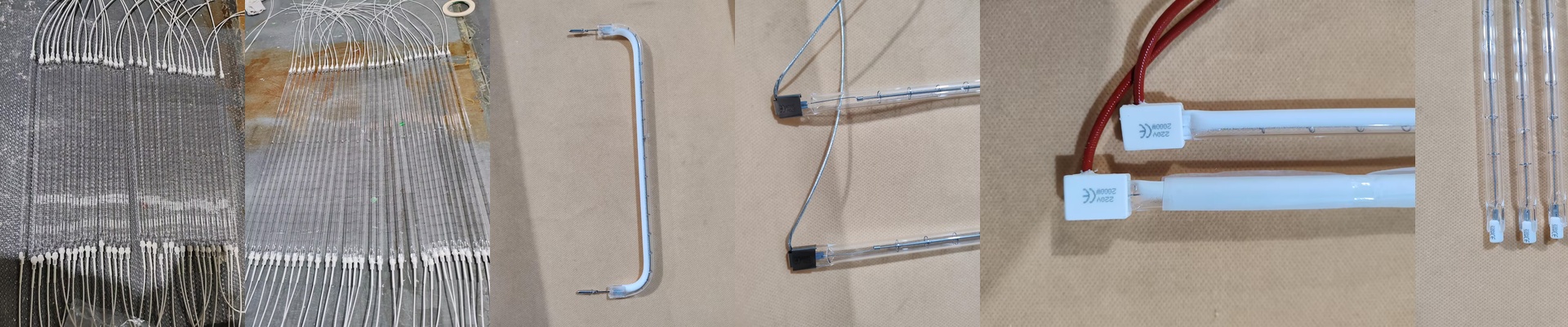
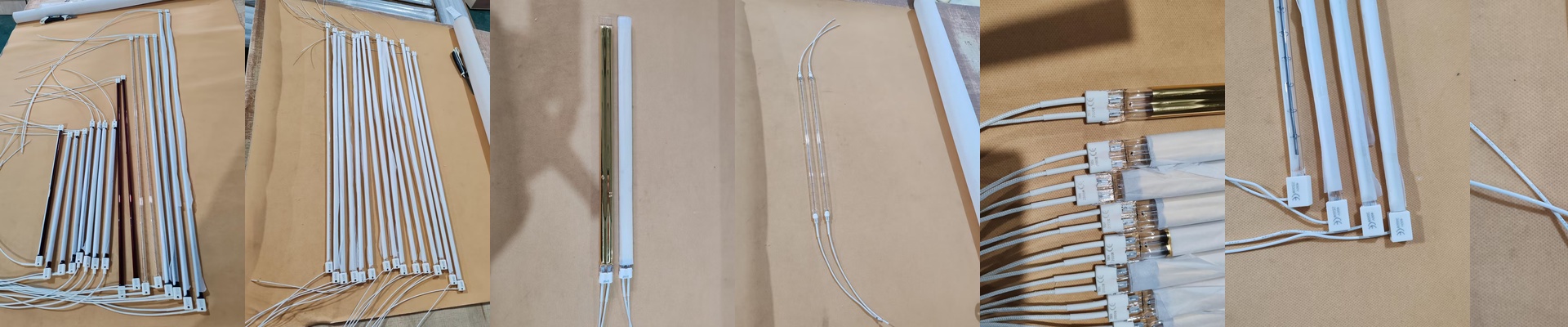
At the core, you’ve got a quartz envelope, filled with halogen gas. That gas works a neat little trick—the halogen cycle—which keeps the filament clean and stable. So the heat output stays consistent over time, without dimming or blackening. Many versions also have a reflective coating to focus the infrared energy forward. It’s like a spotlight for heat, making sure more of it gets absorbed right where you want it. For the wiring, we use tough end caps, like the R7s or Sk15 types. They’re built to handle high temperatures and give you a solid, reliable connection that won’t quit, even when your machine is shaking and the temperature is constantly changing.
Where It Shines (and Why It Works)
You’ll find these rods hard at work in places like PET blowing, plastic forming, and packaging lines. Anywhere you need focused heat, fast. The compact size is a huge win, slipping into tight spots inside machines that bigger heaters just can’t reach. And because it heats up almost instantly, it helps you cut down on cycle times. Now, that power does come with a trade-off. It generates a lot of heat in a small space. So you’ve got to treat the surrounding area right—good insulation and proper cooling are a must to keep everything else from overheating. When you do, you get a heating element that just works. It’s dependable, it’s easy to swap in when it’s time for maintenance, and it keeps your whole process running smoothly.