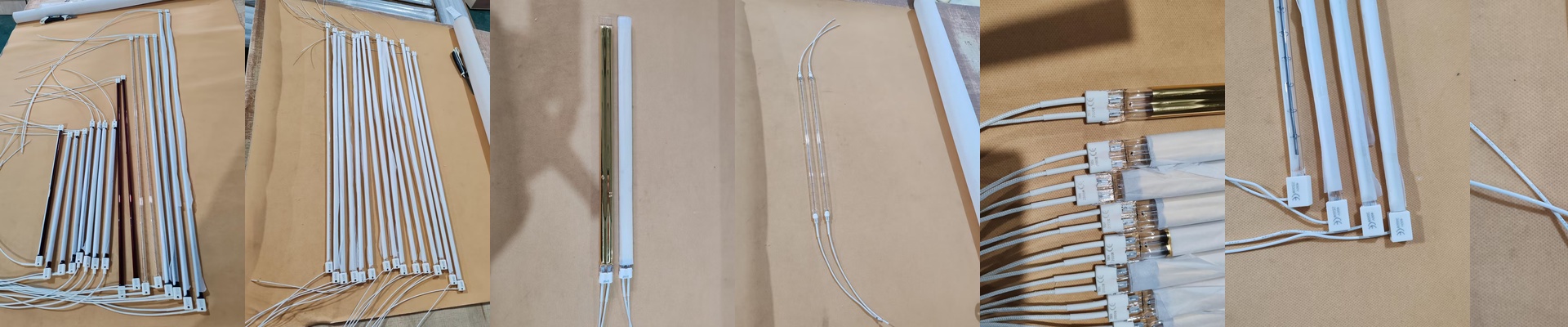
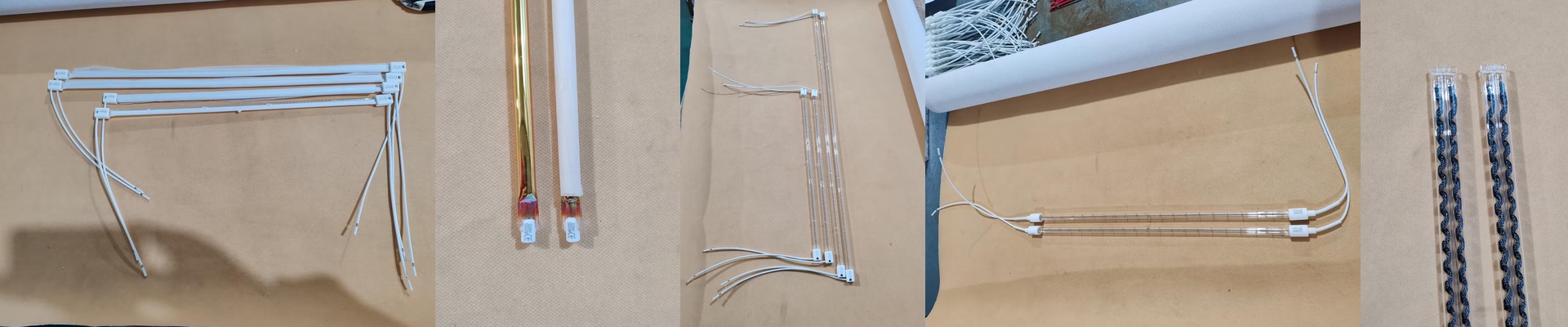
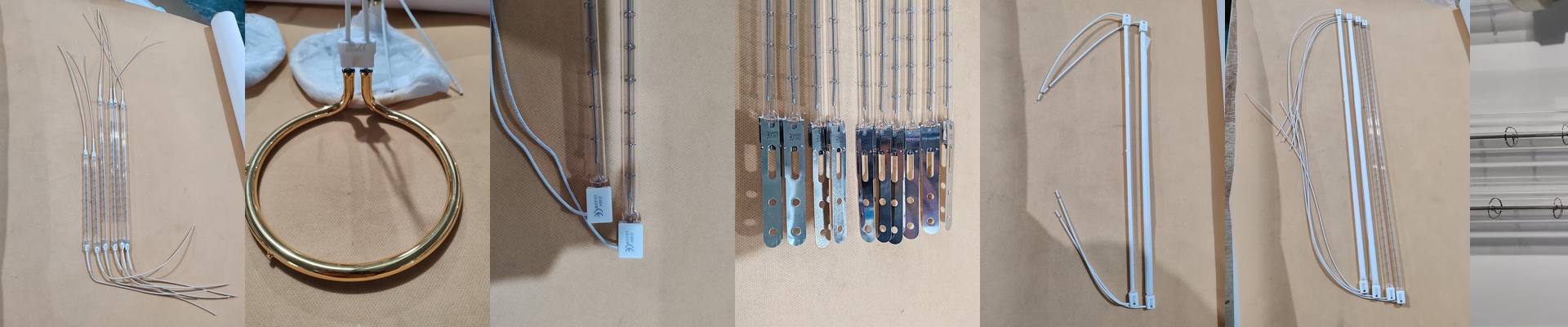
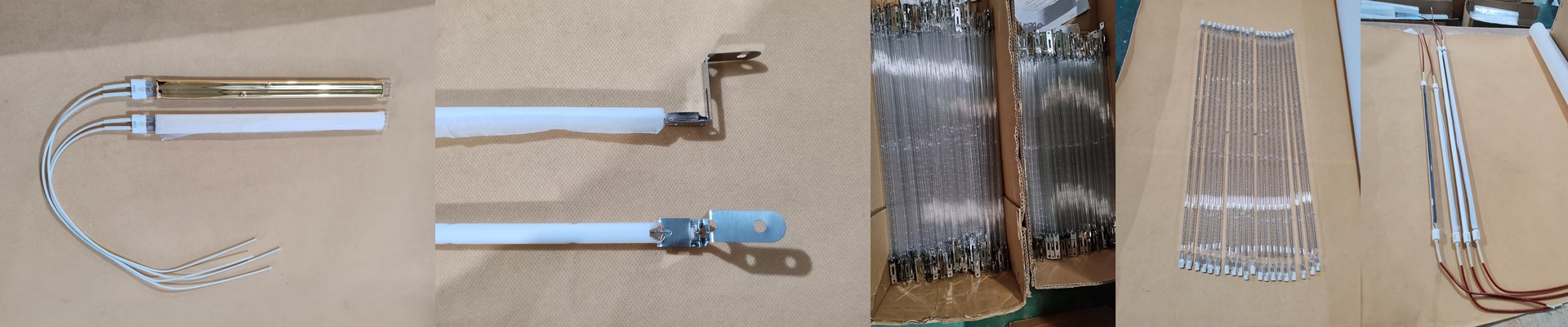
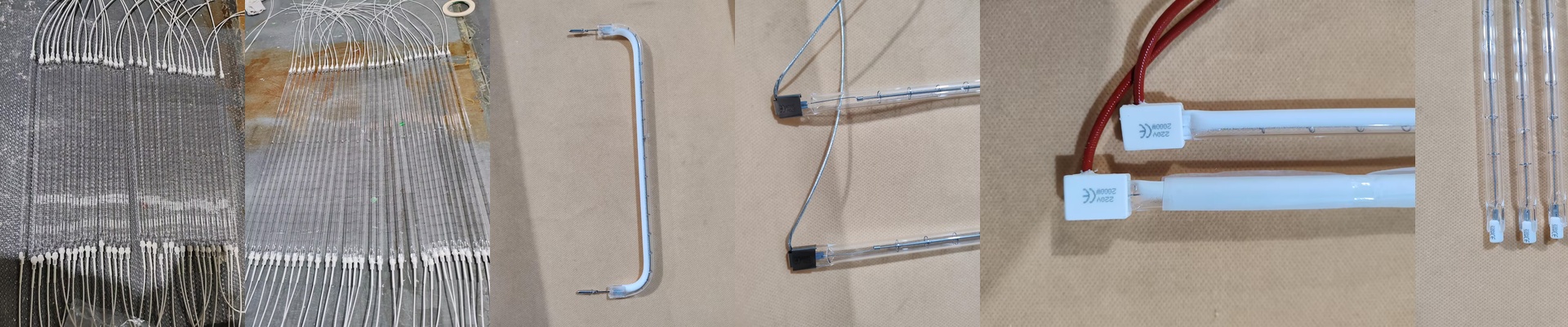
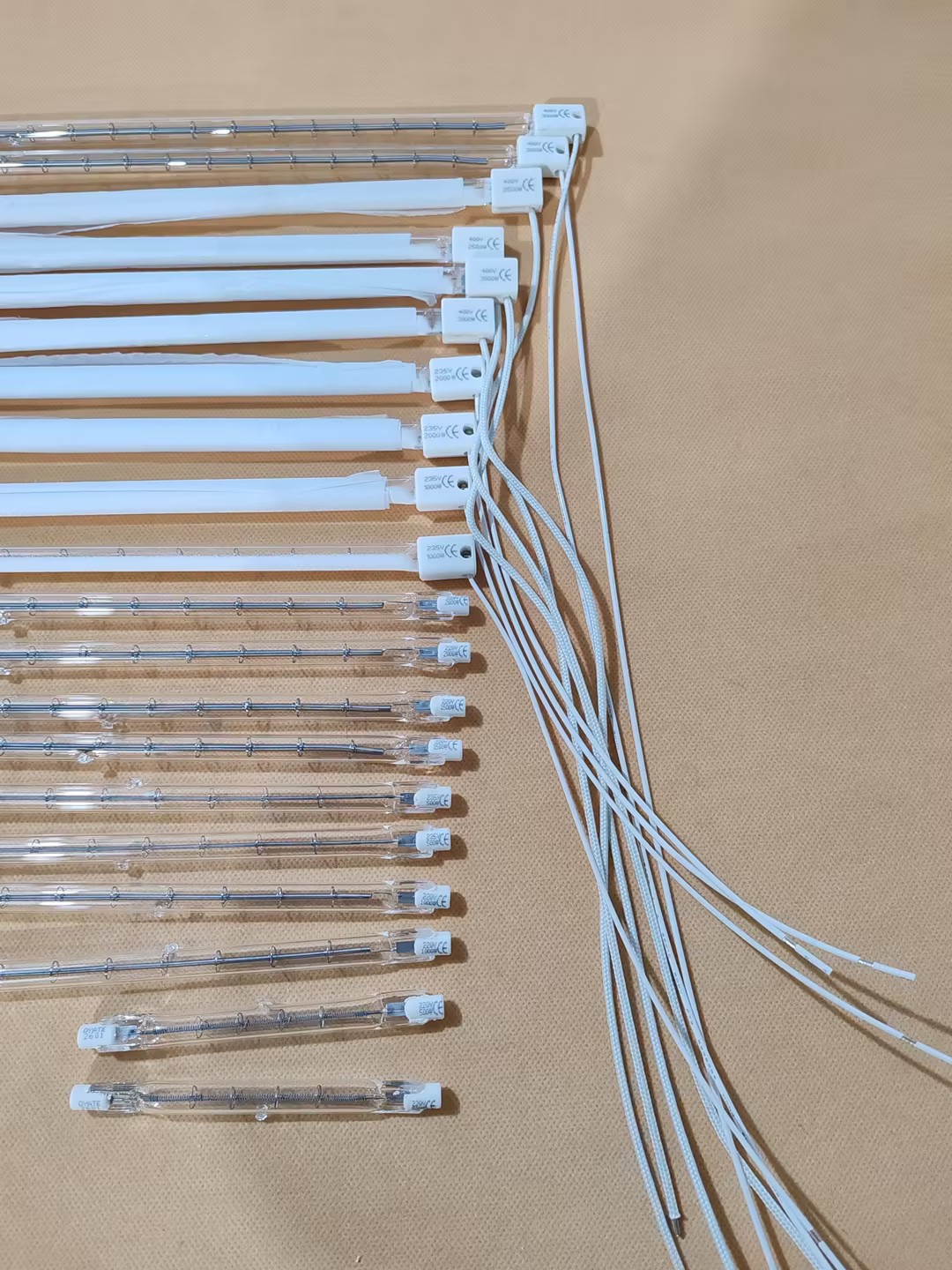
Getting to the Heart of It: Power, Size, and Control
Here’s the thing about this 635mm halogen lamp. We spec’d it at 800W for a reason. It’s about giving you the kind of focused, industrial-strength heat you need, without tripping over your own control gear. That 635mm active length? It gives you a thermal profile you can actually count on. That means you can match the heat zone perfectly to the part you’re working on. It keeps things compact on the machine, and keeps wasted heat from bleeding onto other components. And that 800W rating is a sweet spot. It’s a practical balance that gives you fast warm-up and steady, reliable operation. You get that rapid temperature ramp-up, which is huge for keeping your cycle times tight. Plus, the load stays comfortably within the limits of standard 800W sockets and wiring. You can count on consistent power from one lamp to the next, which is exactly what you need when you’re running a multi-station setup.
The Build: Halogen Quartz and a R7s Base
At the core of it all is the halogen-filled quartz envelope. The halogen chemistry is what keeps the filament stable. It regenerates the tungsten, which prevents blackening and keeps the output steady over the lamp’s entire life. Quartz is tough. It can handle the high temperatures and won’t crack under the stress of repeated on/off cycles. Then there’s the R7s base. It’s the right fit for a linear halogen lamp. It gives you a solid electrical connection and holds the lamp firmly in place. It makes swapping out the lamp a simple, straightforward job. We built the joints to handle high-temperature duty, so you know it’s going to stay reliable, even when it’s running continuously.
Why It Works: Focused Heat and Quick Swaps
This 635mm, 800W halogen lamp is your go-to for localized, high-intensity heat. Think plastics heating and forming, sealing bars, or small ovens. You get precise control over the hot zone, and the R7s interface means maintenance is a breeze. Now, a heads-up. Running 800W in a compact quartz envelope means it gets hot. Your fixture needs to offer proper ventilation and thermal clearance to protect nearby wiring and sensors. But when it’s set up right, you get consistent heat, predictable cycles, and very little downtime.