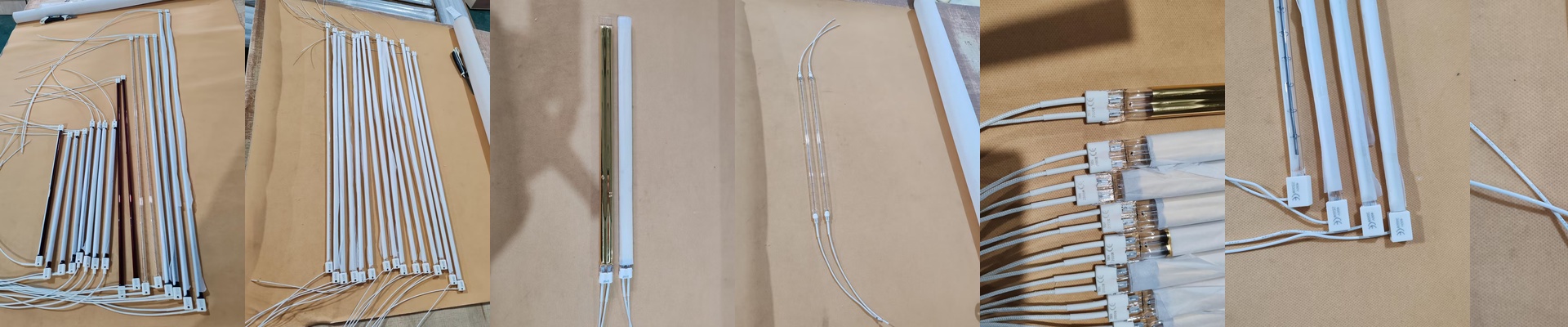
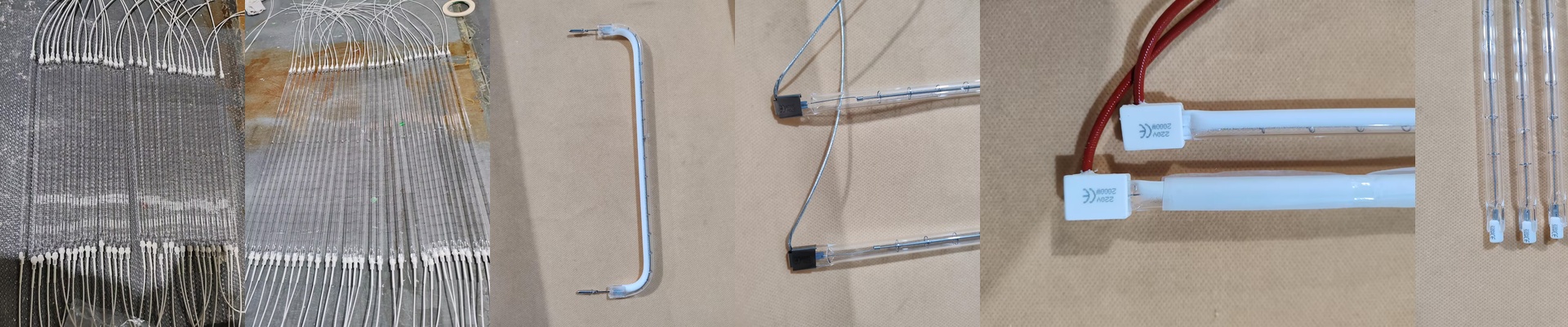
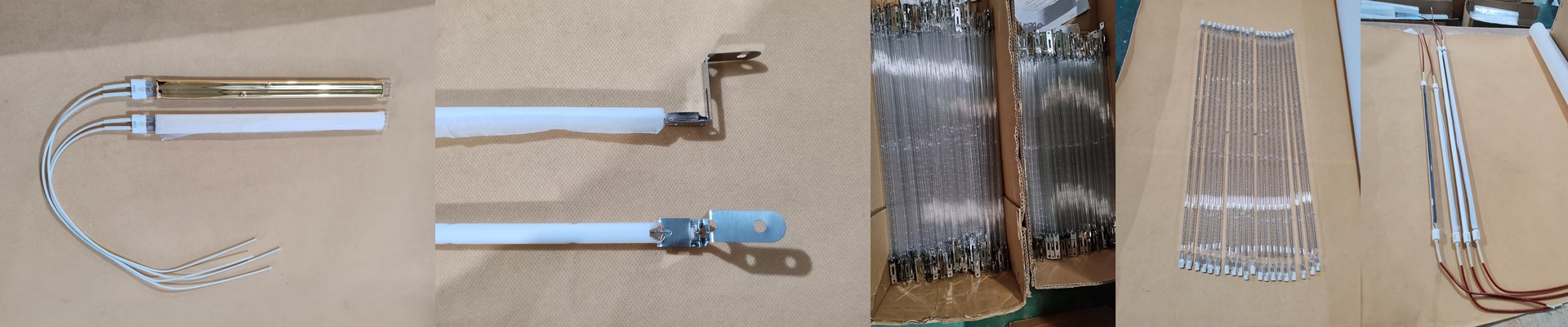
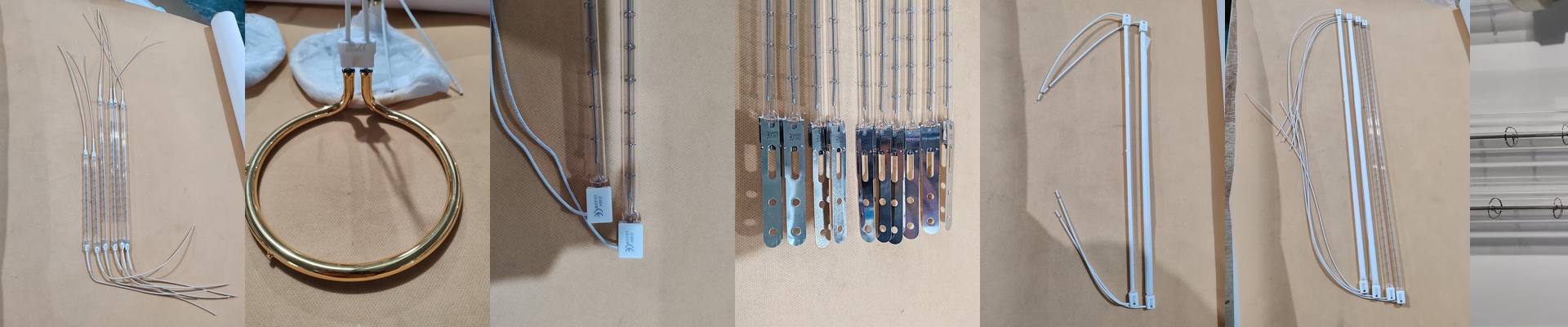
Let’s Talk Halogen Heating Tubes
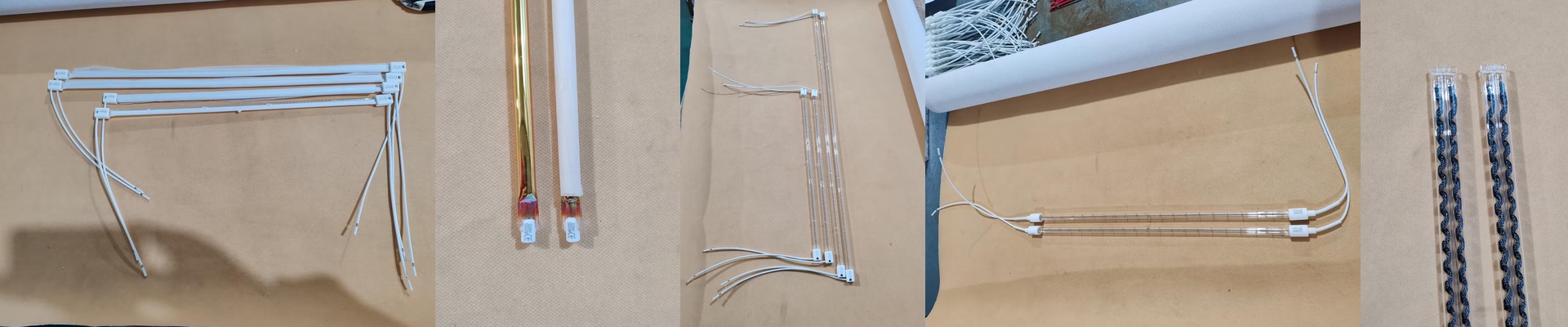
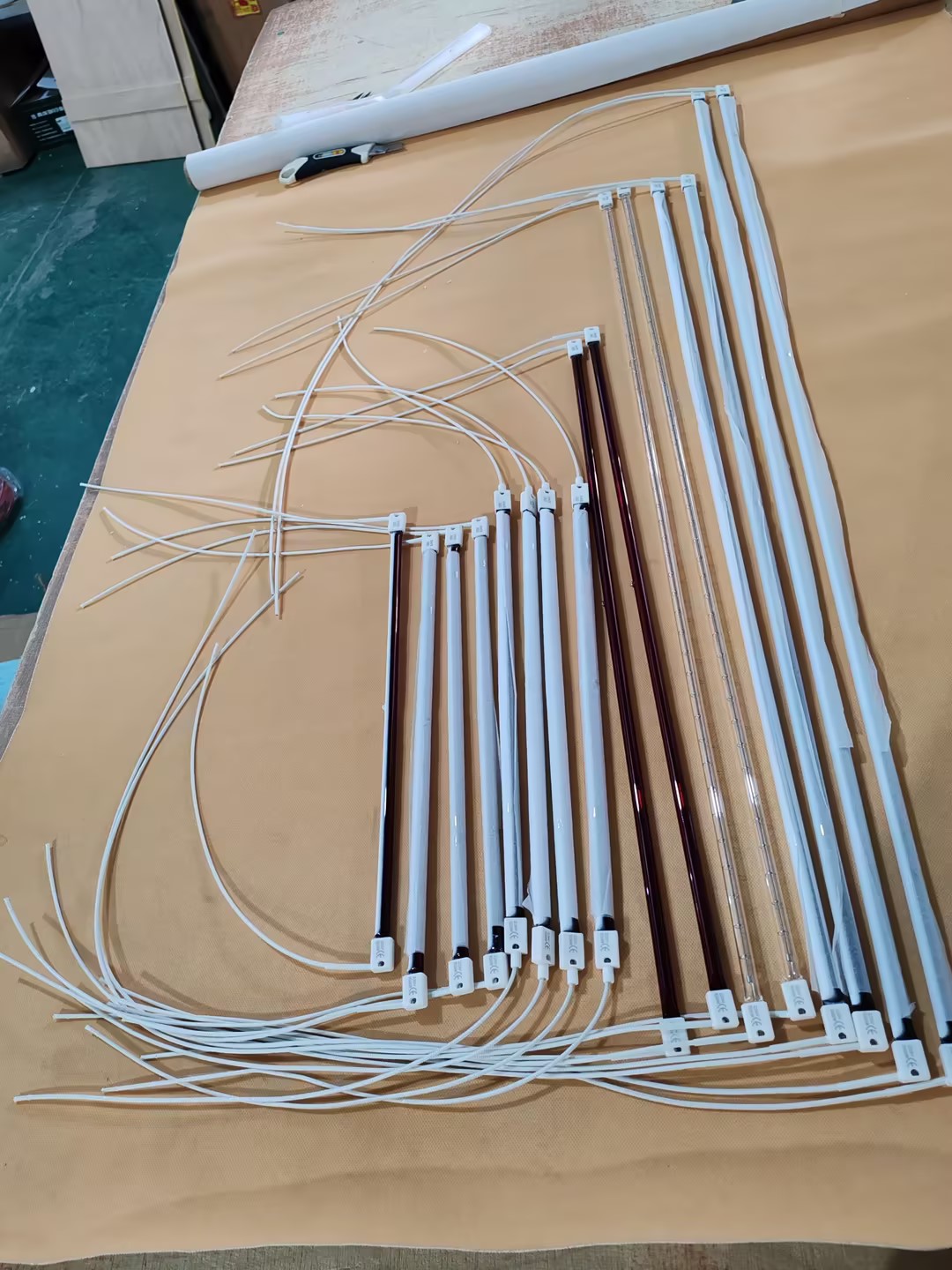
Ever wonder why some heaters just feel different? Here’s the secret: we pack a quartz envelope with a specific halogen gas mix. This keeps the tungsten filament from burning out too fast, even when it’s running screaming hot. The real magic is in the shortwave infrared (SWIR) emission. Instead of wasting time heating up the air around your part, the heat just dives right into the material. It’s direct. It’s efficient. Getting the power right When you’re picking a tube, you’ve got to look at the voltage and wattage. If you cram a ton of wattage into a short tube, you get an insane amount of heat density. That’s exactly what you want for things like PET blowing or rapid curing. You need to hit that glass transition temperature now, not in five minutes. Just a heads-up: make sure your power supply actually matches the tube’s voltage. If you don’t, you’ll fry the filament, and that’s a headache nobody needs. The build stuff We use high-purity quartz glass because, frankly, anything else would shatter under the thermal shock. Some of our tubes have special coatings to tweak the heat spectrum or just keep the surface clean. As for the plugs, we stick with standard R7s or Sk15 connectors. They’re simple. They slide right in. Most importantly, they create a tight fit so you don’t get any nasty arcing at the terminals when the current kicks in. The trade-offs (because nothing is perfect) The best part? The response time. These things are instant. You can flick them on and off rapidly without that annoying lag you get with ceramic heaters. But there’s a catch. All that energy puts a lot of pressure on your reflectors. If your reflectors are dirty or pitted, you’re basically throwing heat away into the frame of your machine. And please, watch your airflow. Putting a 2500W tube in a tight spot is like putting a space heater in a closet—if you don’t move the air, you’re going to bake your wiring.