Stop Overbuying Your IR Lamps
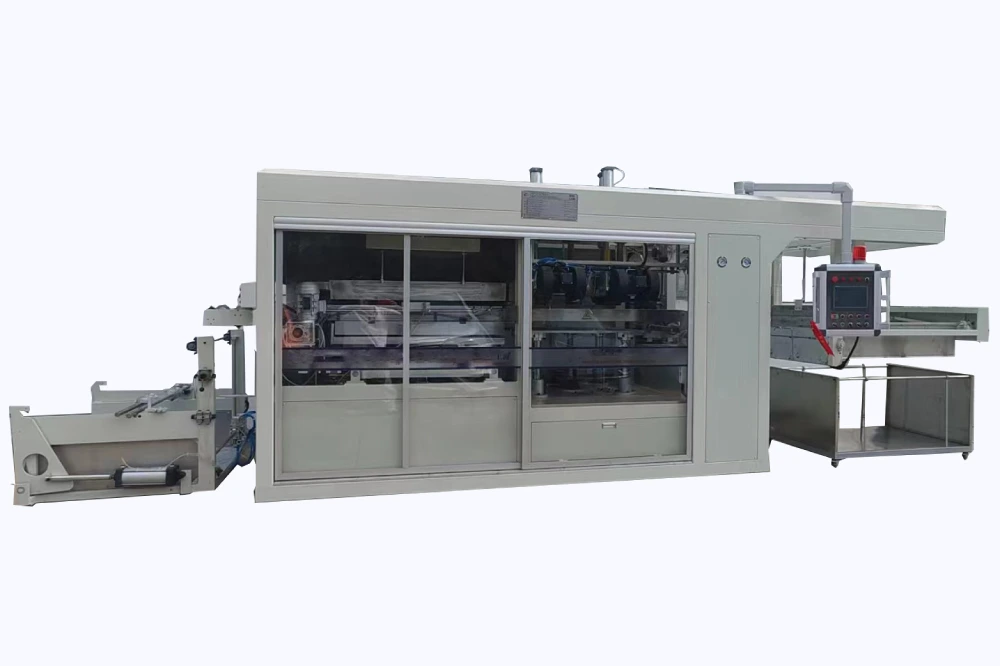
If you’re running PET blowing or vacuum forming lines, you know the drill. You need that infrared heat to be spot on, or your softening points are all over the place. Then a lamp pops. Your whole line grinds to a halt. Most plant managers panic and buy way too many spares just to make sure they aren’t sitting idle. But let’s be honest: storing hundreds of fragile quartz tubes is a nightmare. They break. They take up space. And they tie up cash that could be used elsewhere. That’s why we do tiered pricing. It lets you keep enough on hand for emergencies without feeling like you’re gambling your budget on a warehouse full of glass.
Let’s talk about the tubes
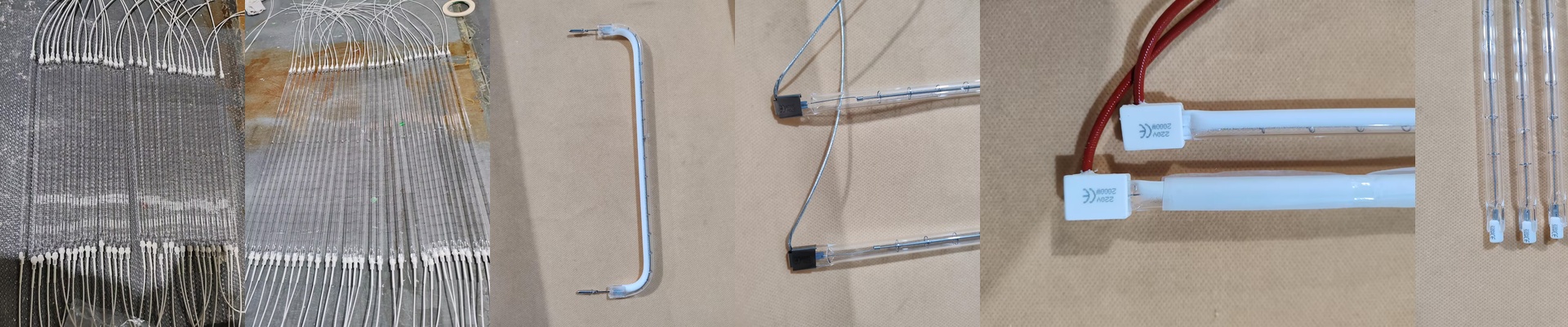
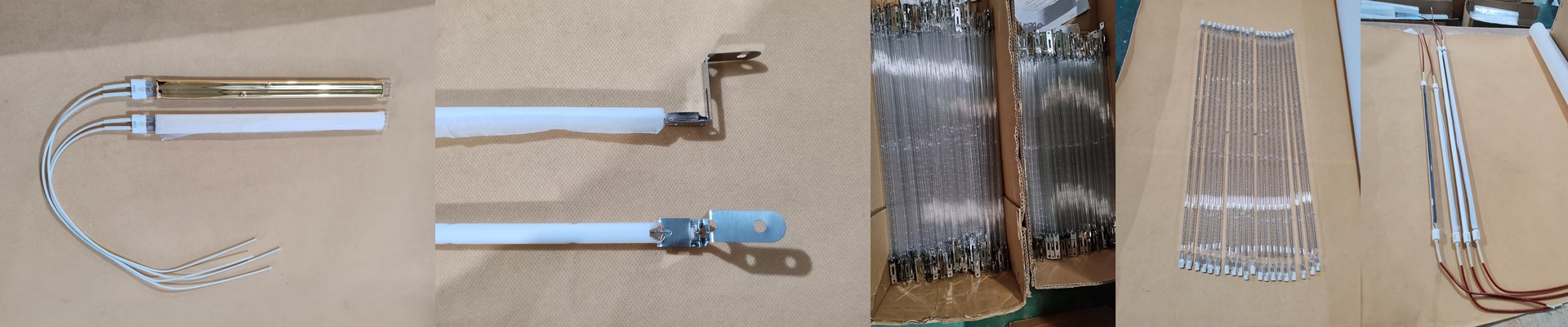
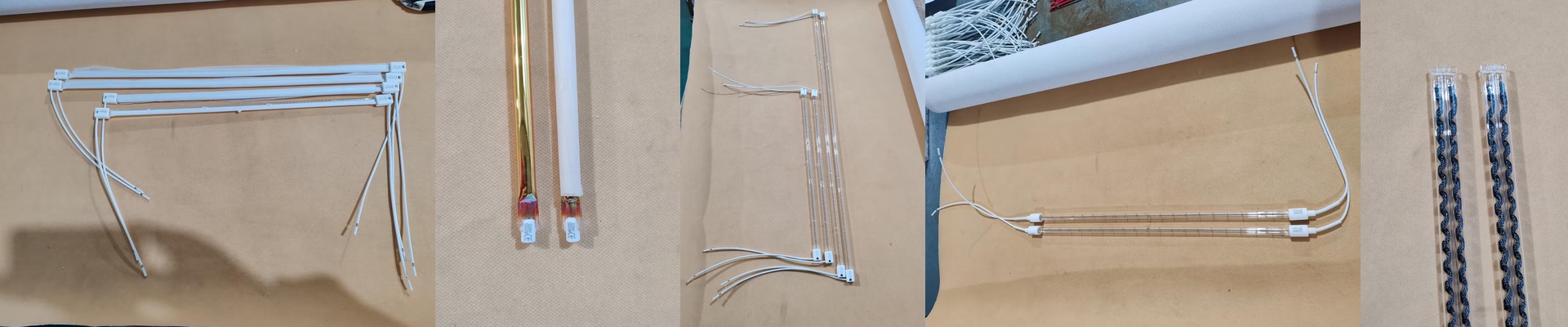
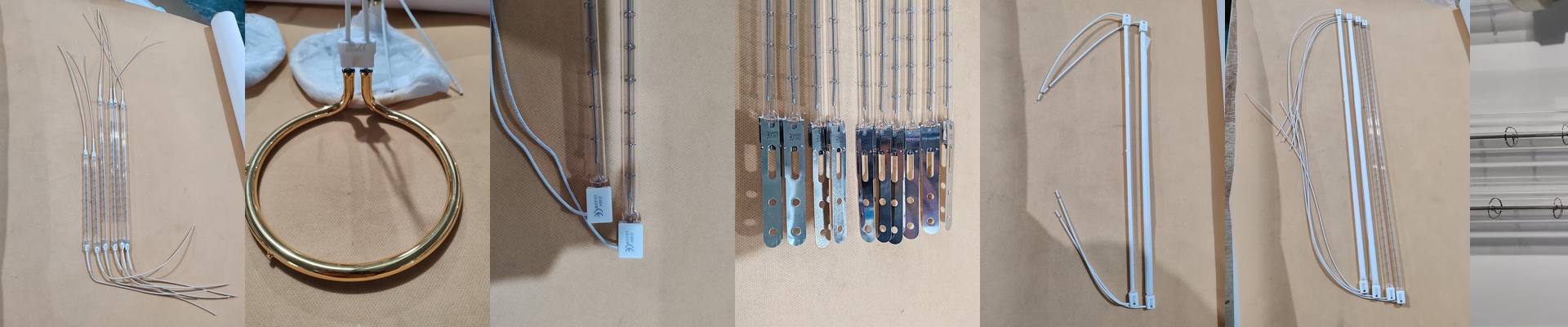
These things are built for serious heat. We usually go with quartz glass because it doesn’t freak out when the temperature swings. Depending on your setup, you’re probably using either halogen-filled or clear quartz. Halogen is the powerhouse—it runs hotter and generally lasts longer—but it’s picky. If your voltage isn’t dialed in perfectly, they’ll burn out way too soon. And for those of you on high-output PET lines? Speed is everything. You need tubes that hit temperature in a heartbeat. **Watch your sizing.**If a tube is even a little too short for the reflector, you’ll get cold spots in your preforms. Then you’re looking at uneven walls in your bottles, and that’s a headache nobody wants.
Getting them installed
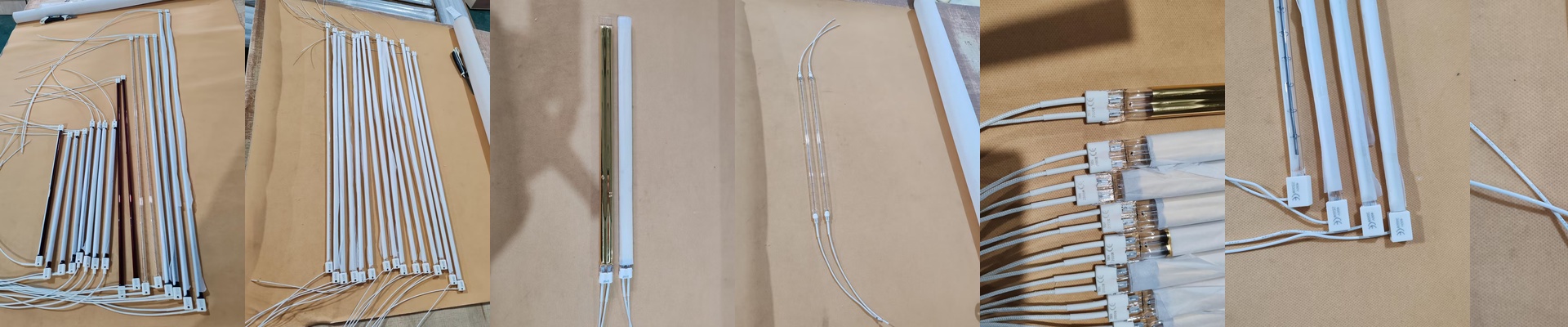
We stick to standard R7s or SK15 connectors. Why? Because they’re drop-in replacements. Your maintenance crew can swap a dead tube in minutes and get back to work. But here is a pro tip:check your wiring. These high-wattage lamps pull a lot of current. If your sockets are pitted or looking crusty from oxidation, the connection will overheat. Before you know it, you’re melting the housing. It’s a small detail, but it saves a lot of swearing later.
Power vs. Lifespan (The Big Trade-off)
It’s tempting to crank your lamps to the max to squeeze out more throughput. Sure, it works. But you’re essentially trading the life of the tube for a faster cycle. If you’re running at 110% capacity, just expect to replace them more often. It’s the cost of doing business. One last thing: keep an eye on your cooling fans. If the ends of the lamp get too hot, the quartz can actually snap right at the seal. Keep them cool, and they’ll keep running.