Stop Stressing Over Your IR Lamp Inventory
If you’re running a PET blow molding or vacuum forming line, you know the drill. A lamp burns out, and suddenly your cycle time is a mess. It’s frustrating. You want replacements ready to go on the shelf, but buying hundreds of quartz tubes is a gamble. It ties up your cash, and let’s be honest—those things are fragile. One wrong move in the warehouse and you’ve got a pile of expensive glass shards.
A Smarter Way to Buy
We handle pricing in tiers because it just makes more sense for your wallet. Instead of dropping a huge chunk of change on one massive bulk order, you can just scale your buys based on how fast you’re actually burning through them. It keeps things lean. Plus, if you decide to tweak your oven layout or switch up your resin, you aren’t stuck with a mountain of parts you can’t use.
The Nitty-Gritty on Heating Plastic
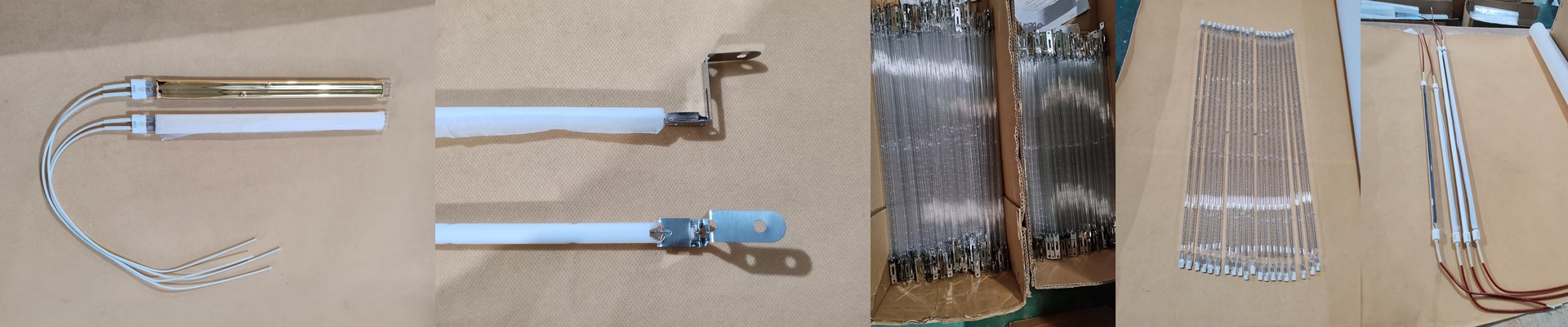
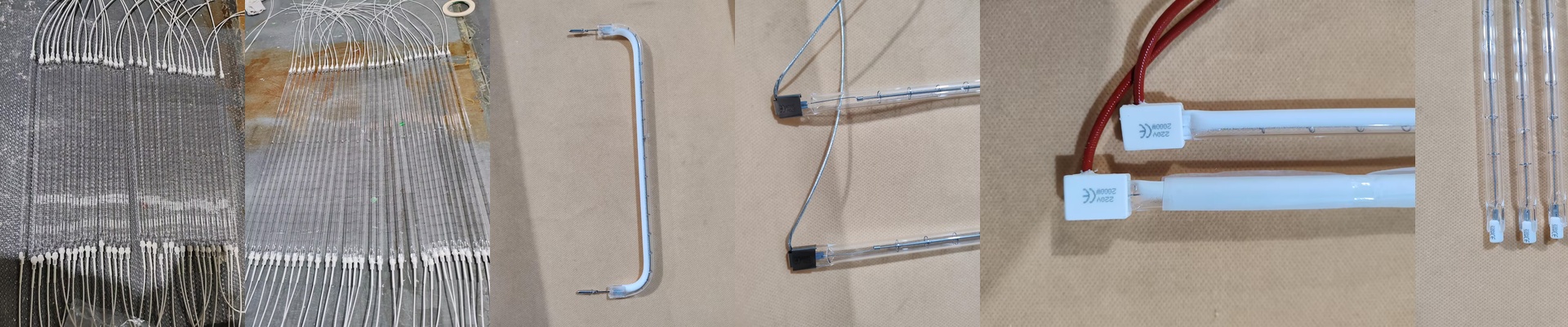
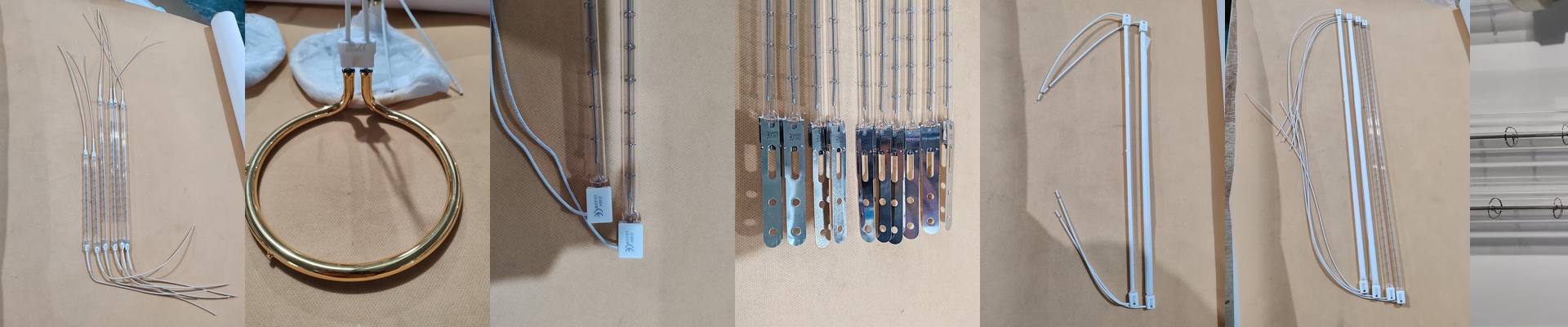
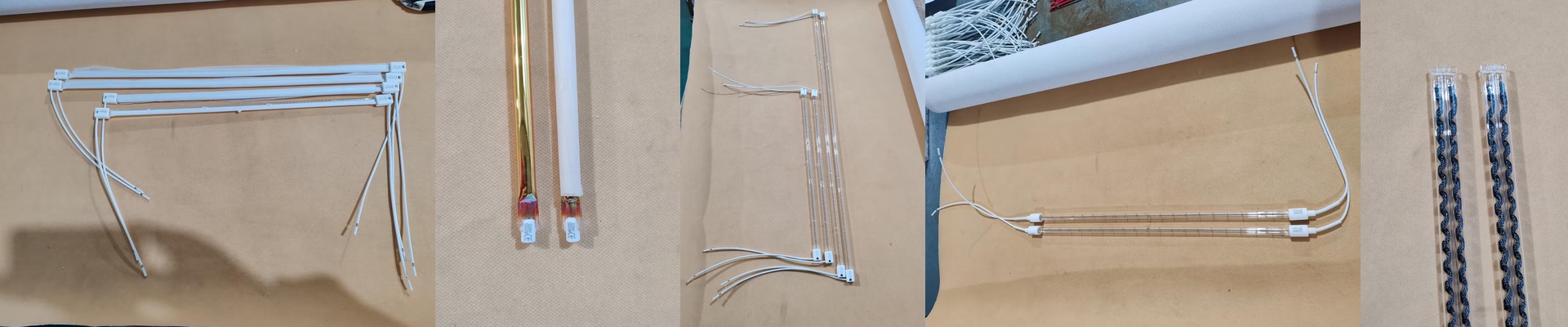
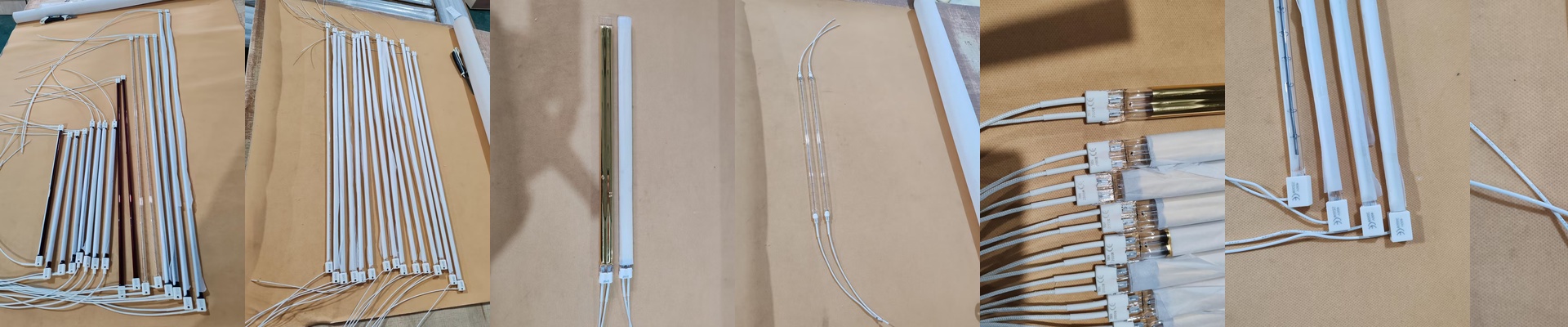
To get PET preforms ready without melting the neck, you need high-intensity shortwave IR. We build these tubes with high wattage density so the plastic hits that glass transition temperature fast. But here is the important part:your voltage has to match your transformer. If it’s off, you’re either going to have under-heated plastic or a filament that pops the second you flip the switch. To keep things simple, most of our units use standard R7s or SK15 connectors. They just slide right in.
The Balancing Act: Heat vs. Life
It’s tempting to push a lamp to its absolute limit to get the fastest heat-up times possible. But there’s a trade-off. The harder you push the wattage, the faster the filament gives up. If you feel like you’re replacing tubes way too often, try checking your oven’s airflow or dialing back the wattage a bit. It might slow things down a hair, but your lamps will last much longer. And please, don’t ignore your ventilation. If heat builds up around the sockets, those connectors will warp, and then you’ve got a much bigger problem on your hands.