Why Your Plastic Heating Is Probably Inconsistent (and How to Fix It)
When you’re picking out infrared lamps for plastic heating, most people just glance at the wattage and voltage on the datasheet and call it a day. But here’s the thing: those numbers only tell you half the story. The real magic—or the real nightmare—happens in the temperature rise curve and how evenly that heat spreads across the tube. If your PET preforms are coming out with weird cold spots or, even worse, scorched edges, your lamps just aren’t hitting the right notes.
The Truth About the Temperature Curve
We look at the temperature rise curve to figure out how quickly a lamp gets up to speed and where it finally settles. A steep curve is great for fast ramp-up times. It cuts your cycle times down, which is awesome for production. But speed can be a trap. If the lamp hits its peak too hard without any thermal mass management, you’re basically just burning your plastic. We keep a close eye on the gap between the lamp surface and your material to make sure the heat transfer stays under control.
Dealing With Those Annoying Cold Spots
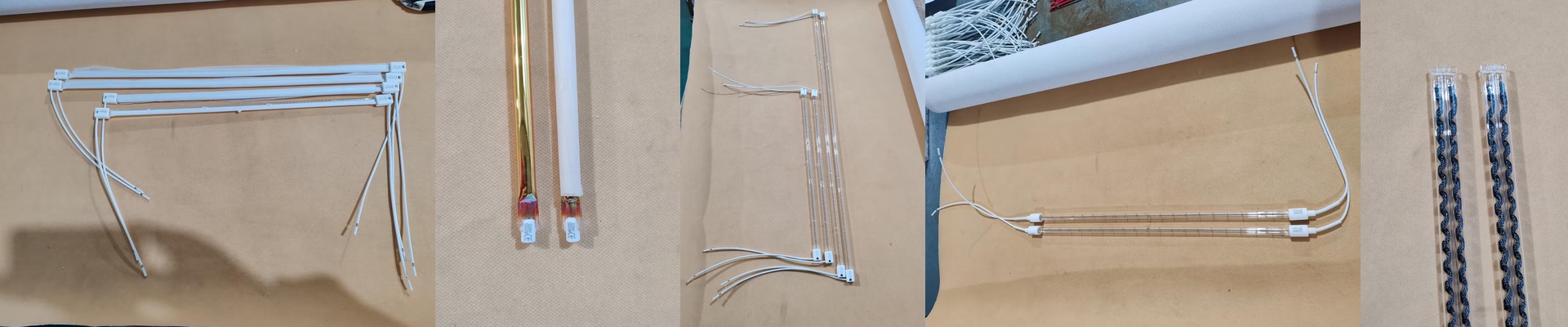
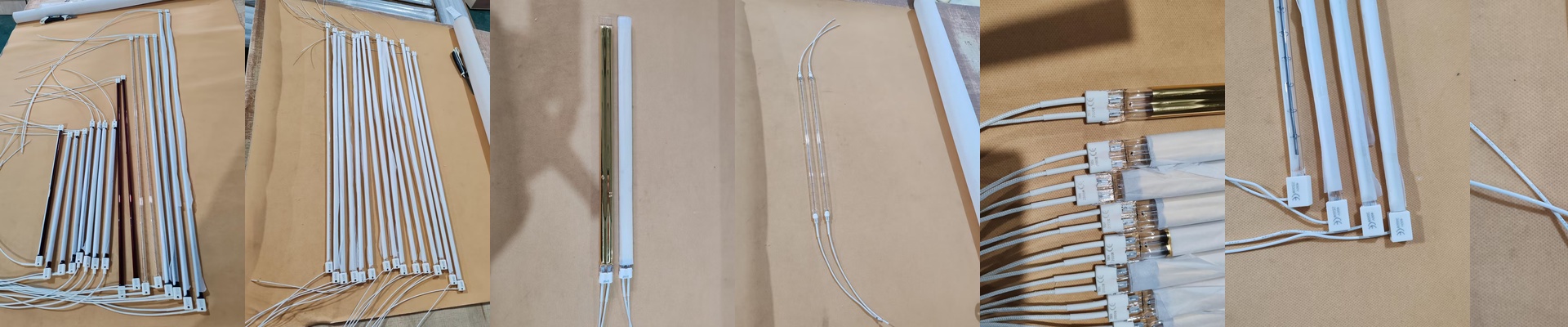
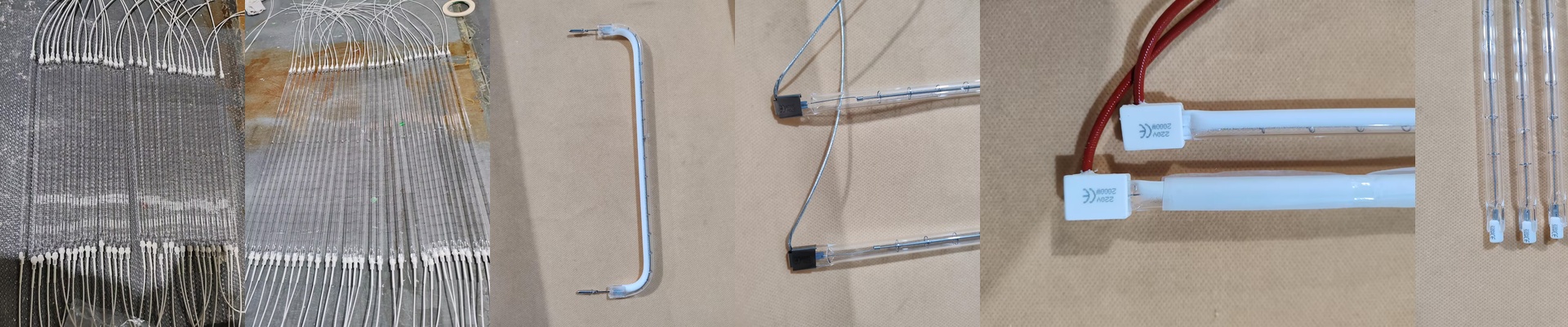
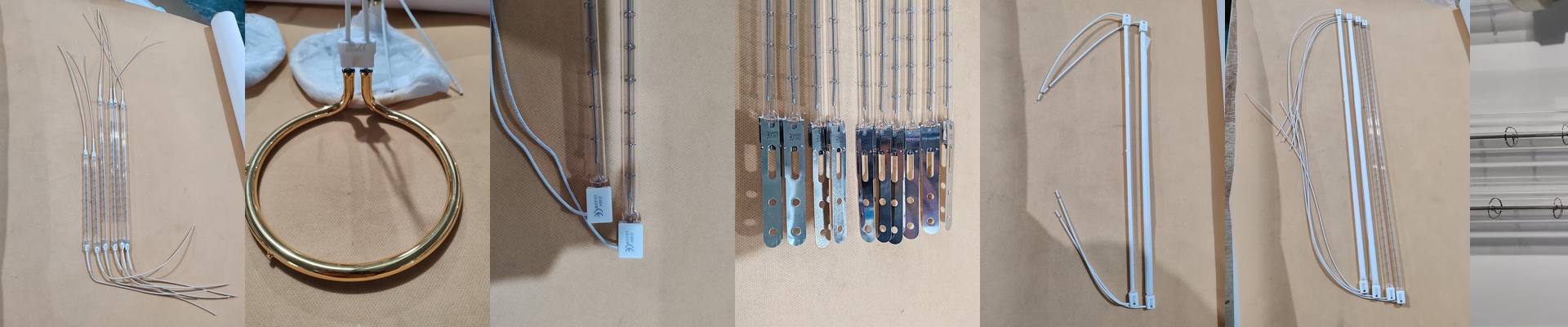
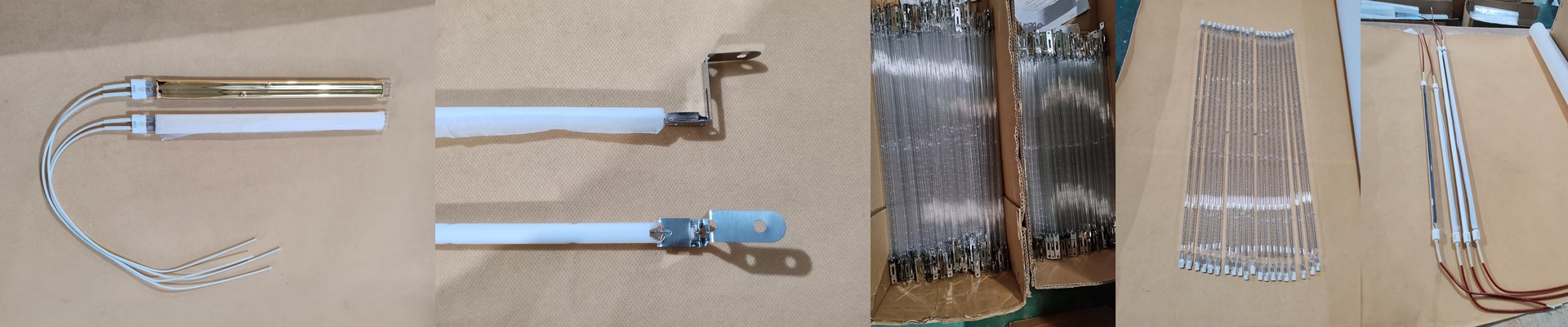
This is where generic lamps usually fall apart. You’ve probably seen it: those “cold ends” right near the connectors. It happens because the filament isn’t spread out evenly, or the quartz envelope is a bit too thick in some spots. We focus on the heat density per centimeter. When you put our lamps next to the cheap stuff, the difference is obvious once you look at the edges versus the middle. When that curve is flat, you don’t have to spend your whole day fighting with your oven’s airflow just to compensate for a bad lamp.
The Trade-off: Speed vs. Lifespan
Here is the honest truth: if you push for insane heat density to speed up your line, you’re putting a lot of stress on the filament. Sure, you’ll heat things faster. But you’re also going to be replacing those lamps a lot more often. It’s a balancing act between how much you need to produce and how often you want to deal with maintenance. If you run your tubes right at the absolute limit of the spec, expect them to burn out. It sucks. We usually suggest auditing your current temp curves to find that sweet spot—where you get the heat you need without killing your hardware.