Stop Overpaying for Imported Infrared Lamps
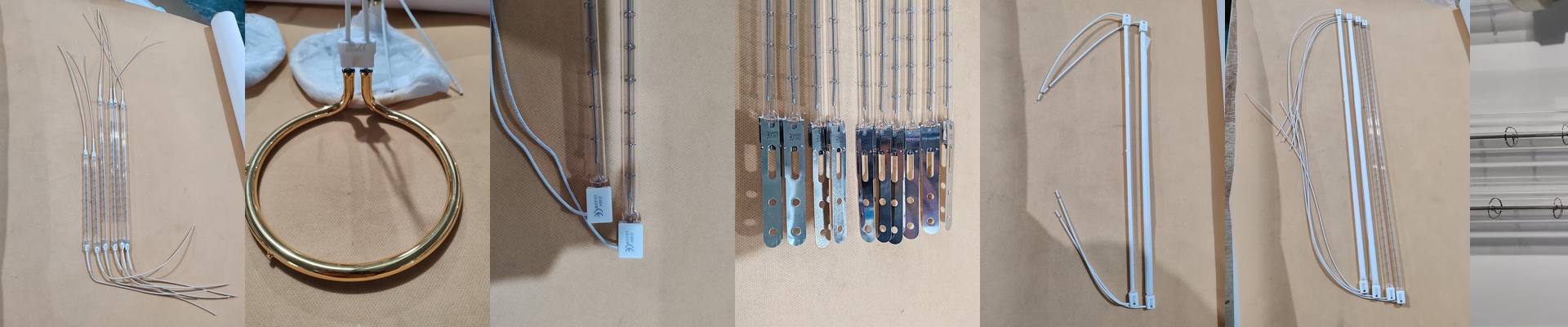
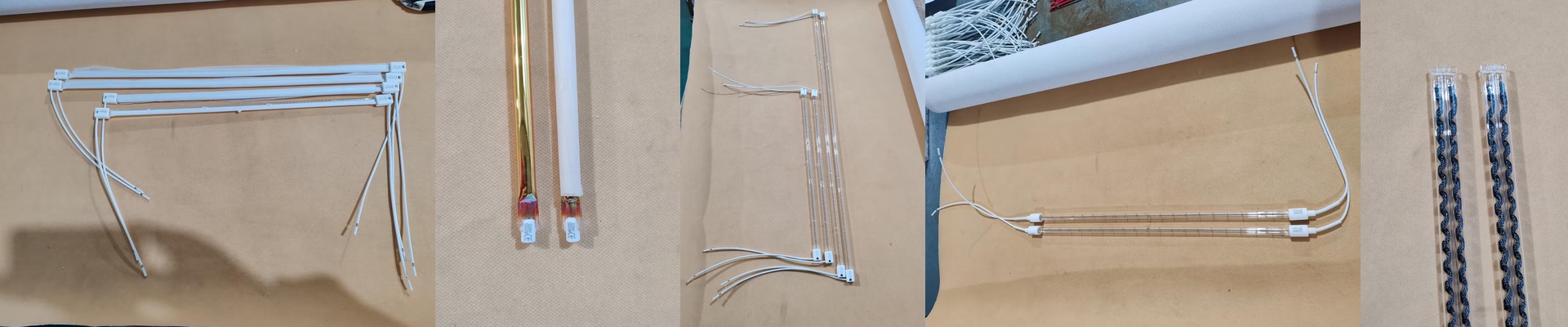
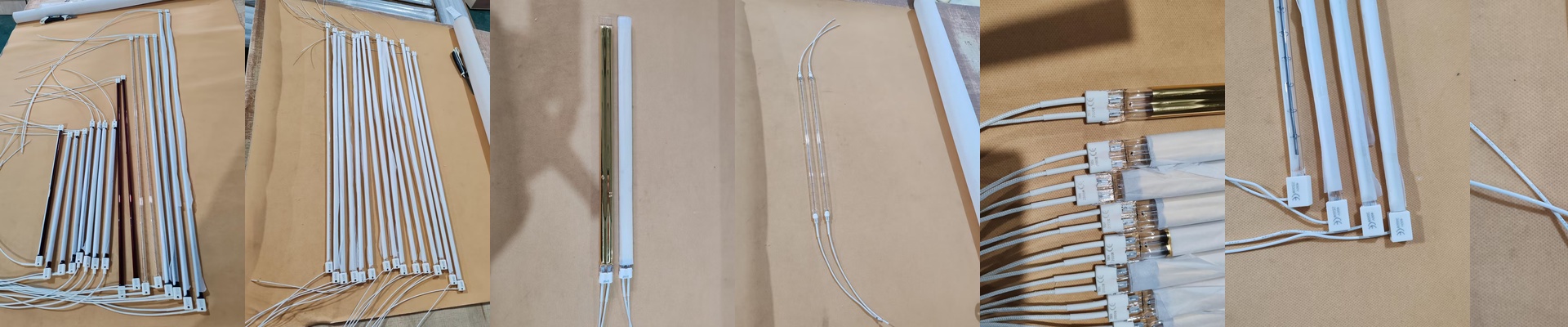
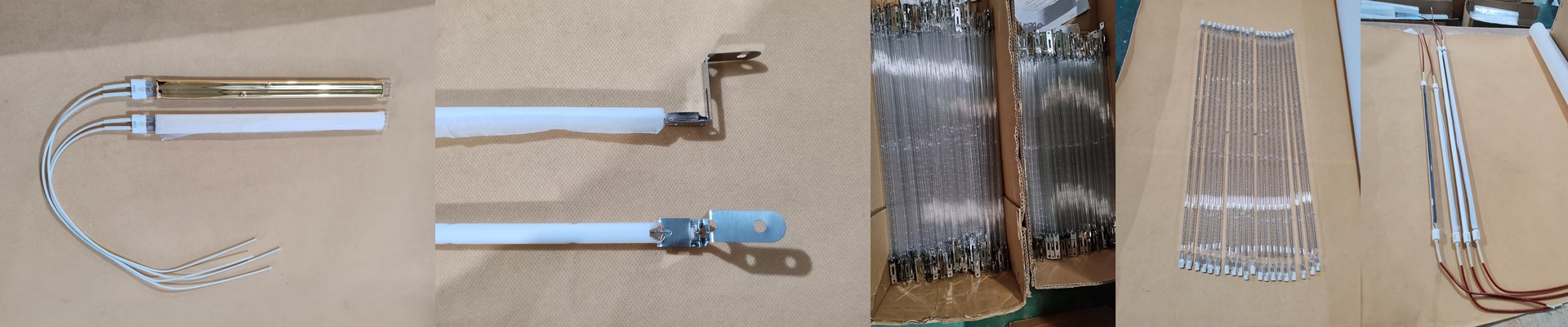
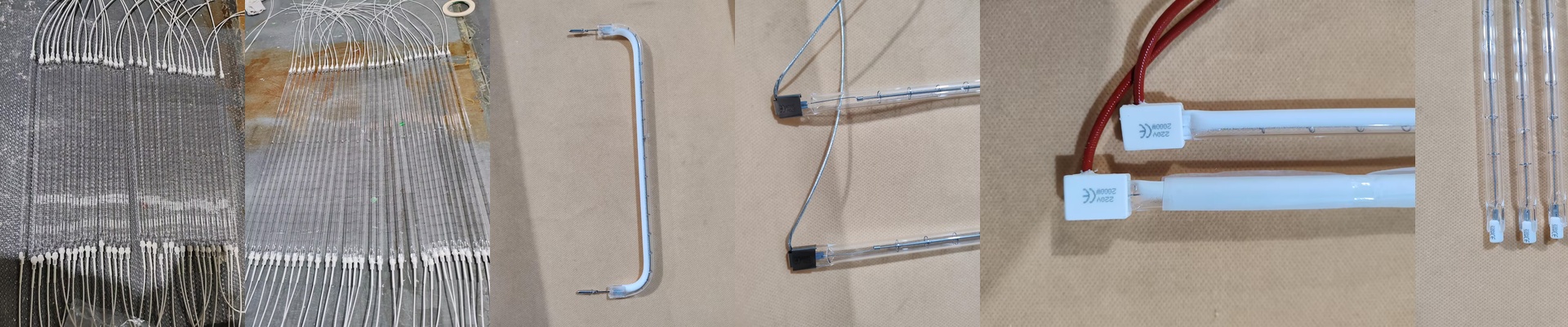
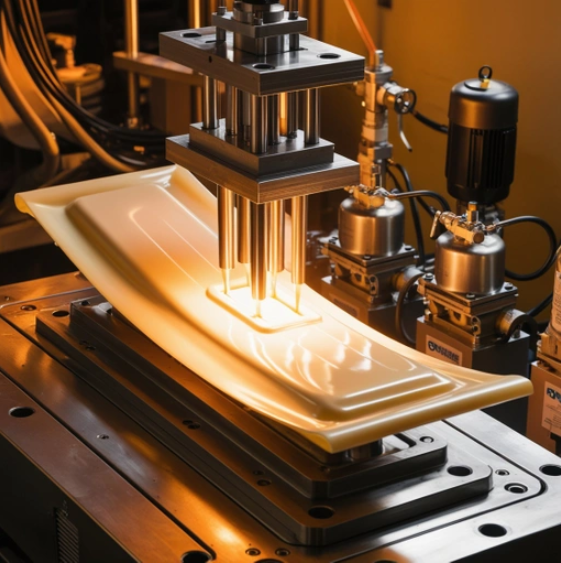
I talk to a lot of engineers who swear by high-end imported lamps. Usually, it’s because they’re worried. They’ve seen domestic alternatives flake out under a heavy, continuous load, and in a PET blowing line, that’s a nightmare. The goal is simple: you need the plastic to soften evenly. If it’s too cold, it won’t mold. Too hot? You’ve scorched your material and ruined the batch. Let’s talk about the actual physics. When you’re picking a lamp, it all comes down to voltage and wattage. If you put a high-wattage tube in a small space, you get an intense heat zone. We’ve built our tubes to hit the exact same spectral output as those big-name brands. That means the shortwave infrared penetrates the plastic exactly the same way. The energy goes straight into the polymer instead of just warming up the air around it. It’s efficient. What’s actually inside? We use high-purity quartz and halogen gas. Why? Because it stops the filament from evaporating. If that happens, your lamp gets dark and loses its punch. As for the fit, we use standard R7s or Sk15 bases. They are simple drop-in replacements. You don’t have to mess with your wiring or swap out your sockets. You just pop them in and get back to work. Plus, if you’re working with really sensitive plastics that overheat easily, we have coated versions. The coating shifts the spectrum so you don’t burn the surface. The honest truth about high-density heat. Here’s the thing: this kind of power isn’t free. These lamps pull a lot of current and get incredibly hot. If your cooling fans are clogged with dust or your heat sinks are too small, you’re going to fry your connectors. It happens. To avoid that annoying arcing, I always suggest checking your terminal tightening torque every few months. Just a quick turn of the wrench can save you a massive headache. We’ve run these side-by-side against the “gold standard” imports, and the thermal profiles are identical. You get the same cycle times and the same results, just without the “imported” price tag.