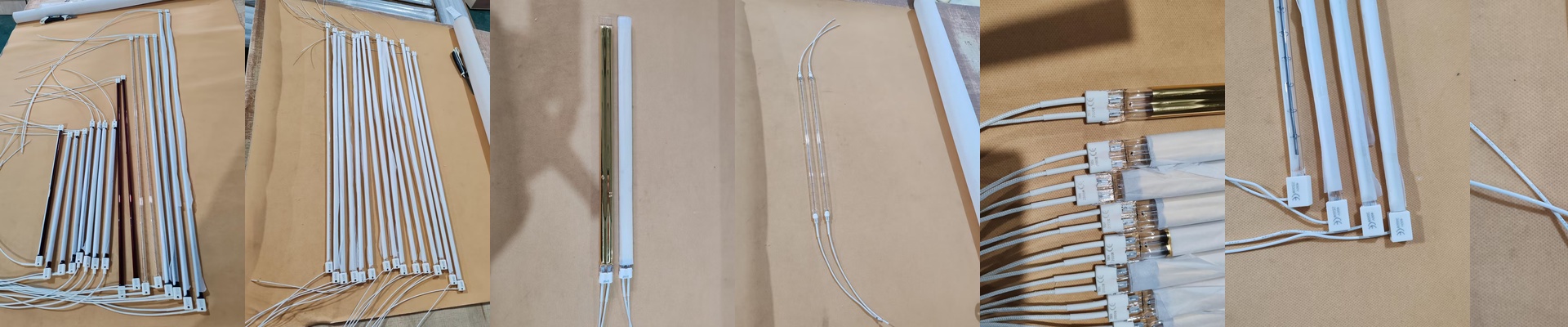
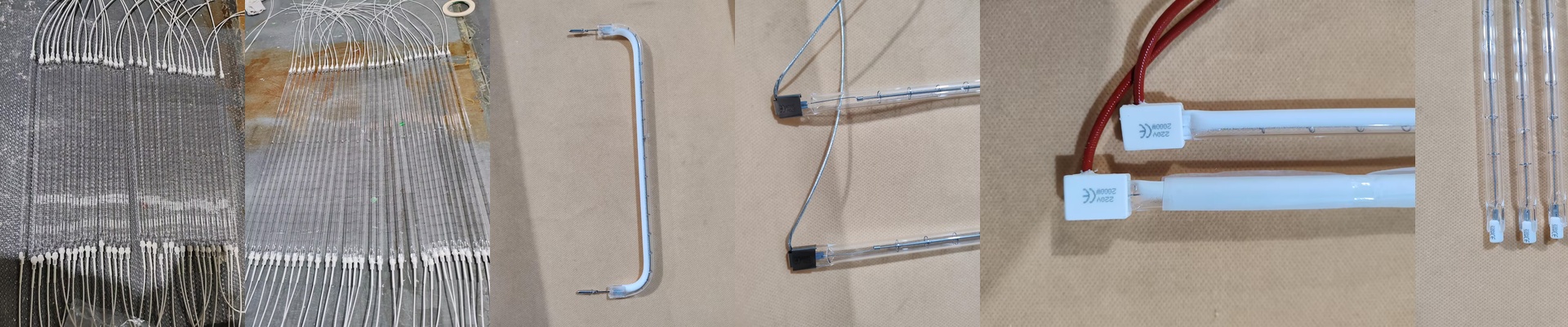
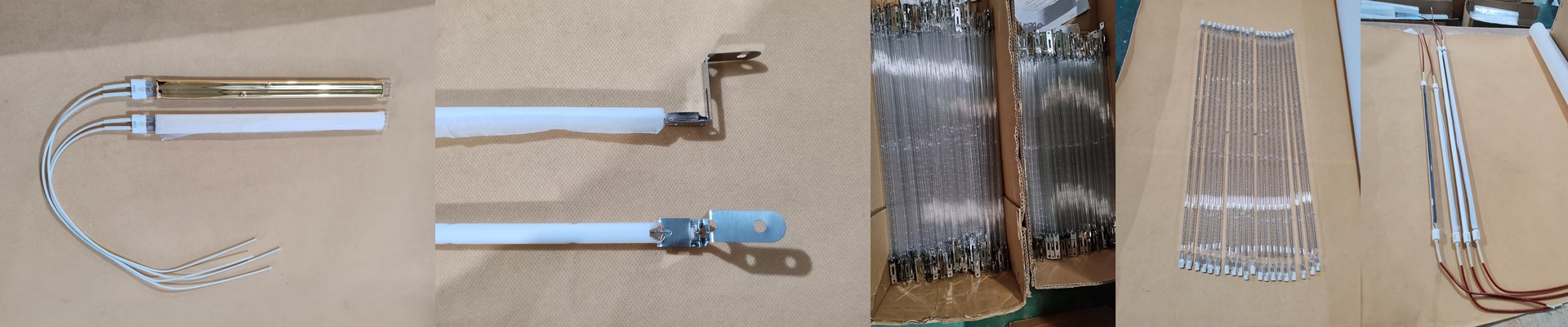
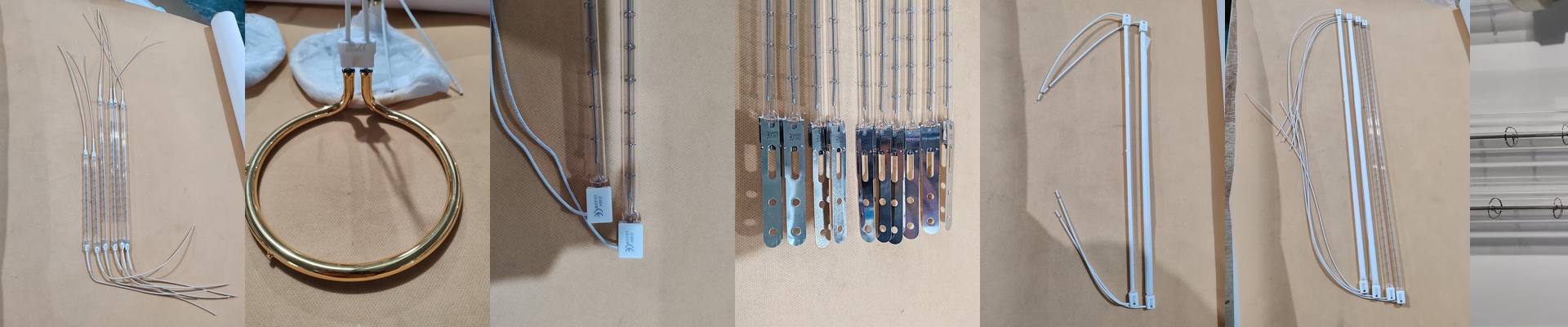
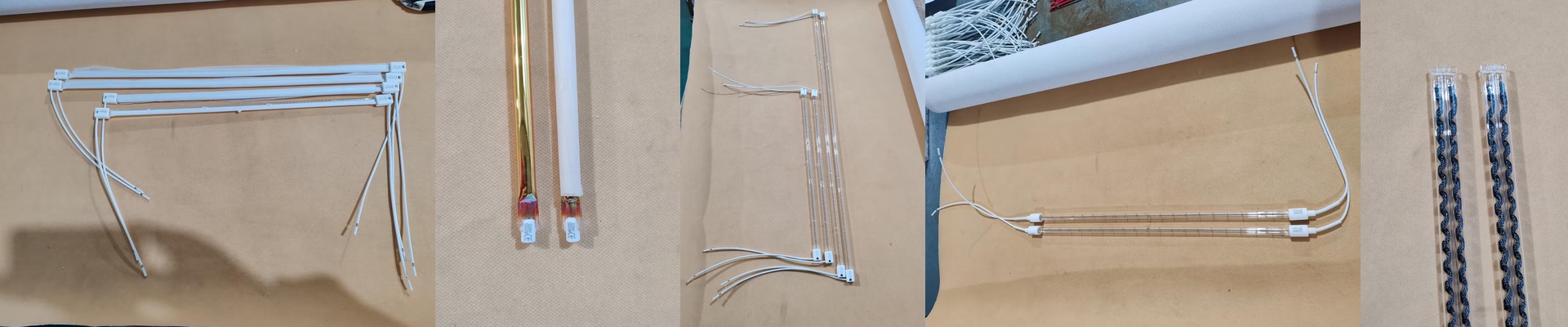
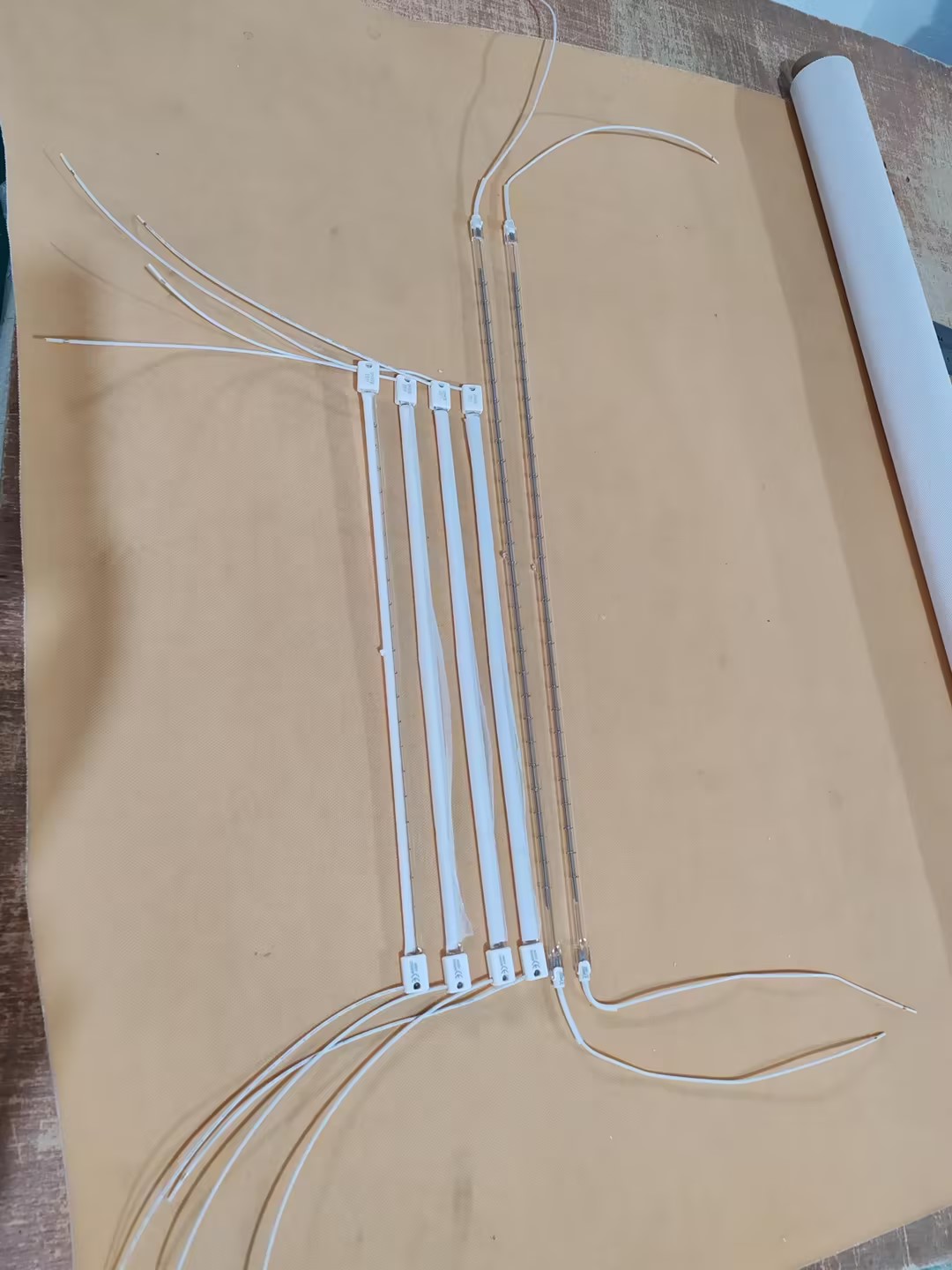
Let’s talk about the Carbon Medium Wave Golden Halogen Lamp
Here is the real deal: most lamps either hit too hard on the surface or can’t get deep enough into the material. We built these to fix that. By pairing a carbon filament with quartz and a bit of halogen gas, we’ve pushed the heat into that “sweet spot”—the medium-wave range. It means the heat actually sinks into your material instead of just searing the top layer. No more scorched surfaces. The “Golden” Secret That gold coating? It isn’t there to look fancy. It’s actually doing the heavy lifting by reflecting energy right back at your target and tightening up the wavelength. But a heads-up: because the power is so concentrated, things get hot. Fast. If you cram a high-wattage tube into a tiny housing, your equipment is going to feel the heat. Make sure your cooling fans can actually handle the temperature spike, or you’re going to have a bad time. The Nuts and Bolts We use quartz glass because it doesn’t freak out when the temperature swings wildly. Then there’s the halogen gas—it basically acts like a cleanup crew, pushing evaporated carbon back onto the filament so the lamp doesn’t just burn out on you. For the wiring, we stick with R7s or SK15 bases. They’re simple, they fit right into most industrial setups, and they stay snug even when the metal expands and shrinks from the heat. Putting Them to Work You’ll see these everywhere from PET blowing to automotive paint lines. Polymers and paints just love medium-wave IR; it’s what they absorb best. One thing to keep in mind, though: they aren’t instant. They’re way faster than those old ceramic heaters, but they still need a moment to wake up. You’ll want to build that little bit of lag into your PLC timing and conveyor speeds. And a pro tip? Give the lamp some breathing room. Finding the right distance between the lamp and your part is the only way to cure the core without melting the surface.