
Let’s Talk About Switching Your IR Lamps in Automotive Molding
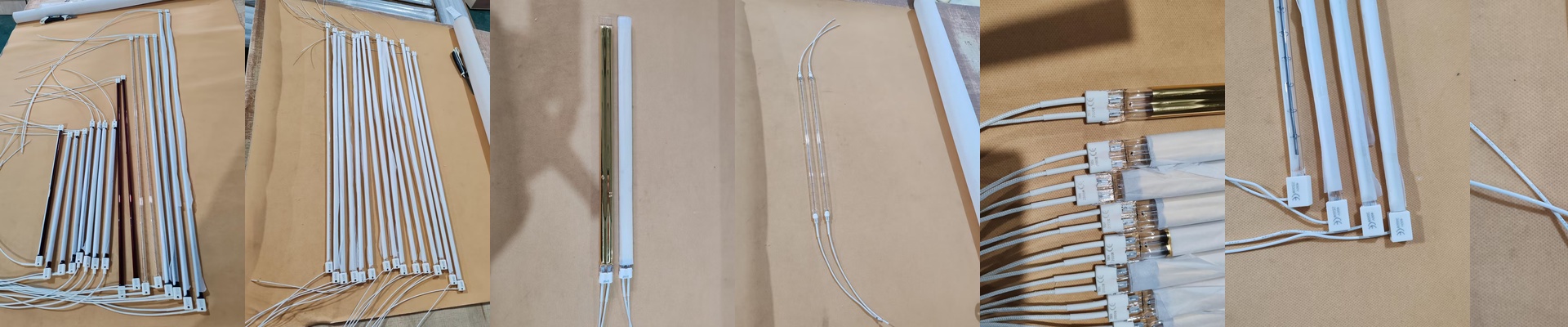
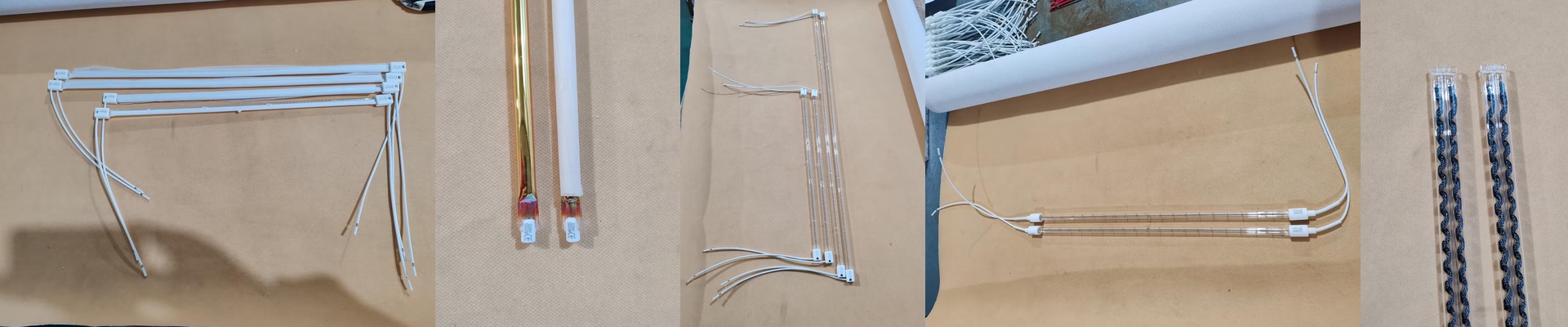
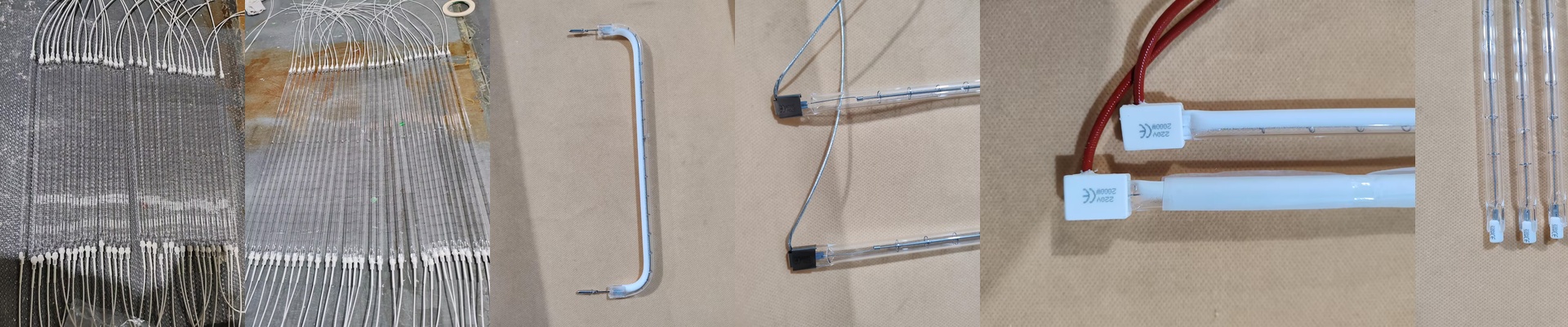
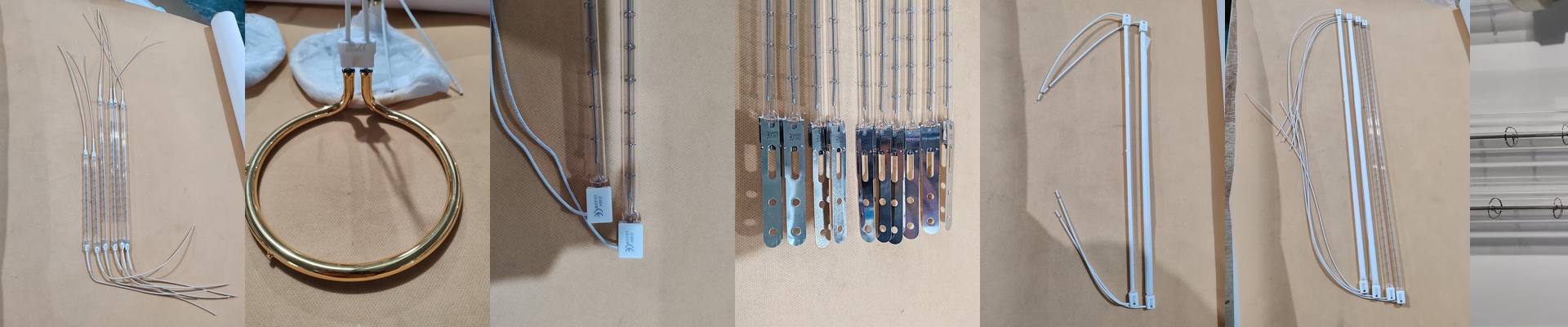
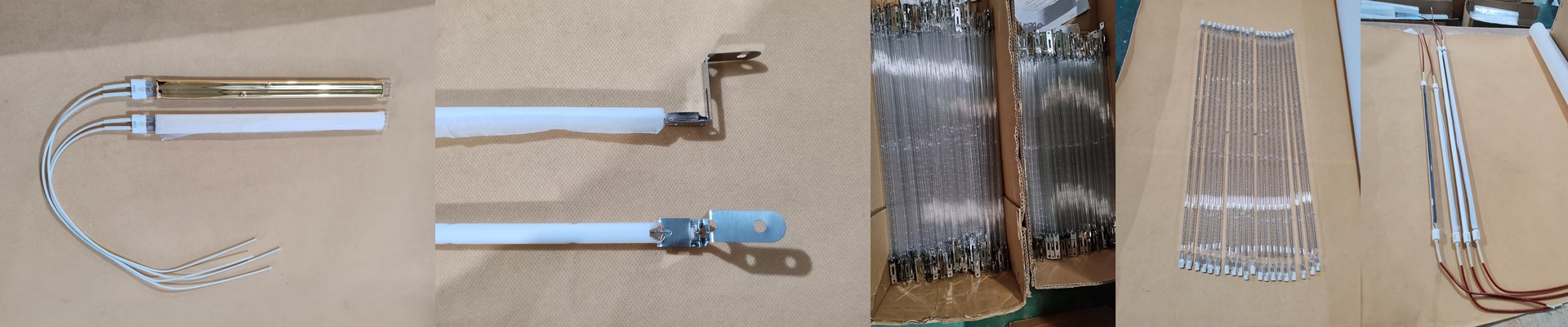
If you’re in automotive injection molding, you know the nightmare of warping and sink marks. One tiny thermal slip-up and your whole batch is scrap. For a long time, the go-to move for Tier 1 suppliers was to stick with those expensive European IR lamps. Why? Because they felt “safe.” But things are changing. We’re seeing more shops move toward domestic replacements, and honestly, the gap in quality has pretty much vanished. It’s not just about saving a few bucks. When people talk about switching to domestic lamps, they usually think “cheap.” But that’s the wrong way to look at it. It’s actually about the science of the heat. Every plastic resin has its own “sweet spot”—an absorption band where it actually takes in the heat. If the wavelength of the lamp doesn’t hit that spot, you’re just wasting energy. We spend our time obsessing over the purity of the quartz and the geometry of the tungsten filament. When those two things line up, your thermal profile stays exactly where it needs to be. No surprises. Will it actually fit? There is nothing worse than buying a part only to realize you have to rewire your entire machine to make it work. We hate that too. That’s why we stick to standard R7s or SK15 connectors. You should be able to plug them in and get back to work without messing with the electrical loom. Just a heads-up: watch your voltage. If you put a 230V lamp on a 400V circuit, you’ll hear a pop and that filament is gone instantly. On the flip side, if you under-power them, your cycle times drag, and you’re losing money every minute the machine slows down. The reality check Here is the honest truth: high-density heating is brutal on equipment. It puts a massive amount of stress on the quartz envelope. We’ve worked hard to optimize the coating so the heat spreads better, but we can’t do everything. You still have to keep your reflectors clean. If dust builds up, the heat bounces right back into the lamp. It doesn’t matter if your lamp was made in Germany or right down the street—if the reflectors are dirty, the lamp is going to die early. We’ll give you the data sheets. You run the cycle times. Once you see the numbers match up, the trust is there. Simple as that.