Stop Burning Money on Your Plastic Processing
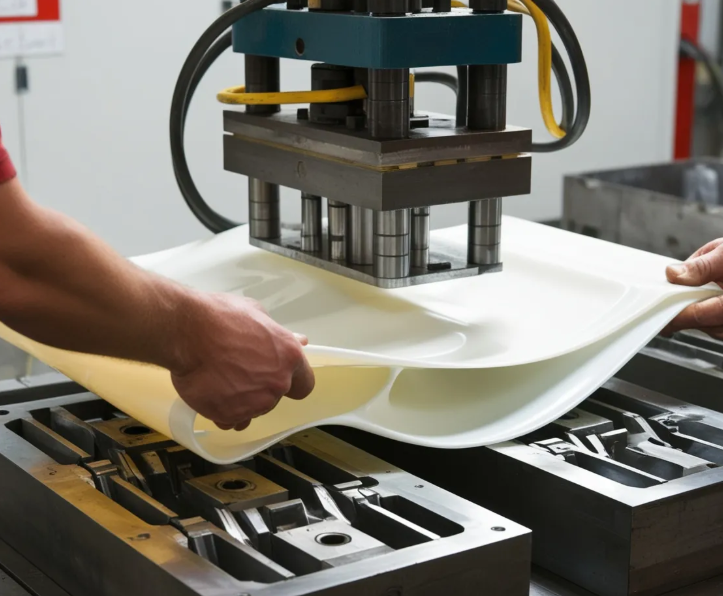
Let’s be honest: energy costs are a nightmare for margins. If you’re doing PET blowing or thermoforming, your heating elements are basically where you either save your profit or watch it vanish into thin air. I see it all the time. Shops use generic lamps that just heat up the room instead of actually pushing that energy into the preform. It’s a waste.
The trick to heat density
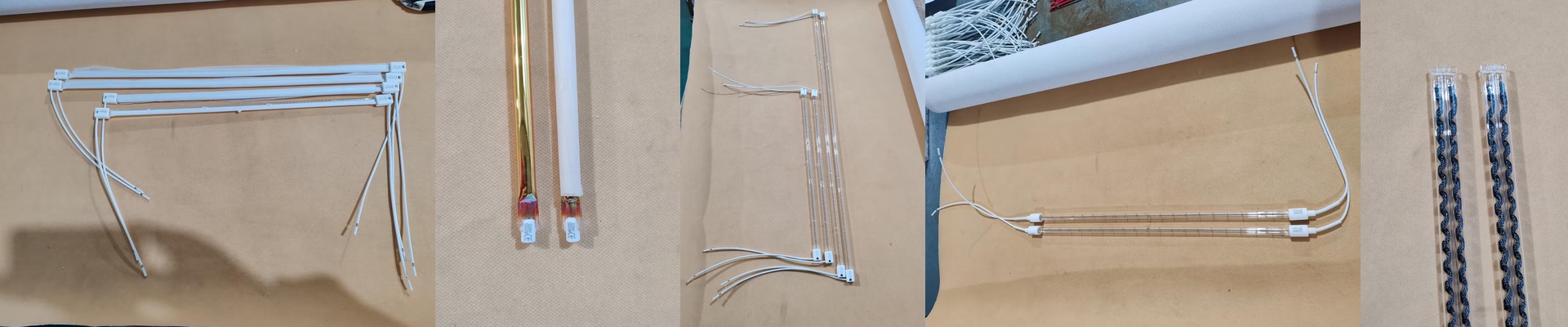
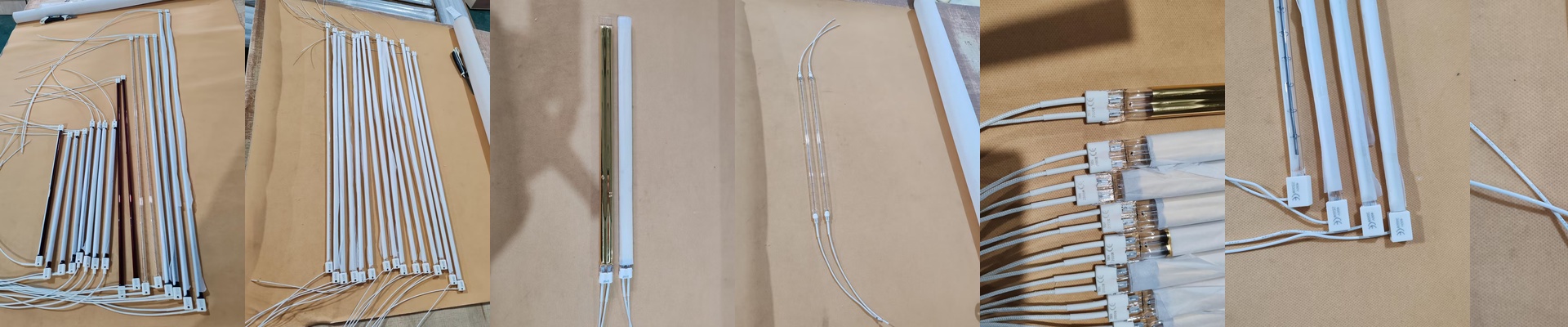
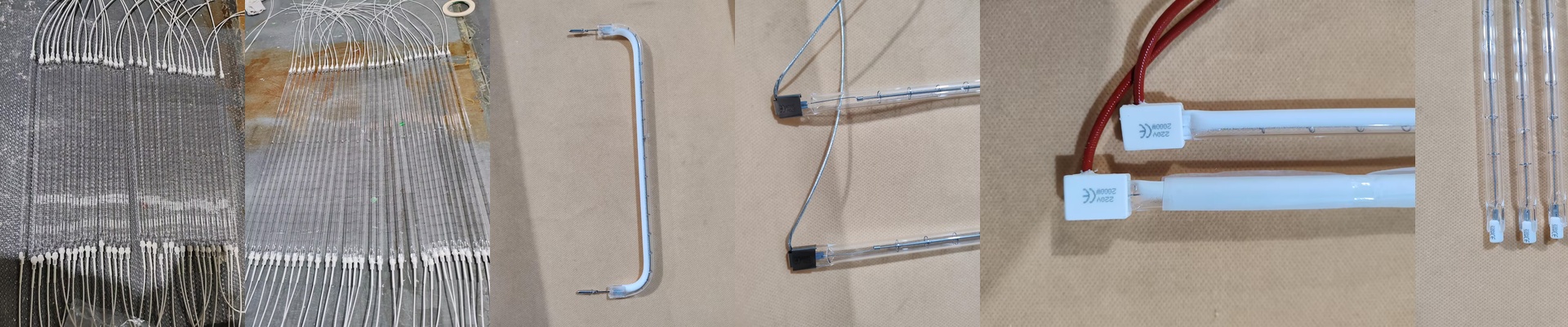
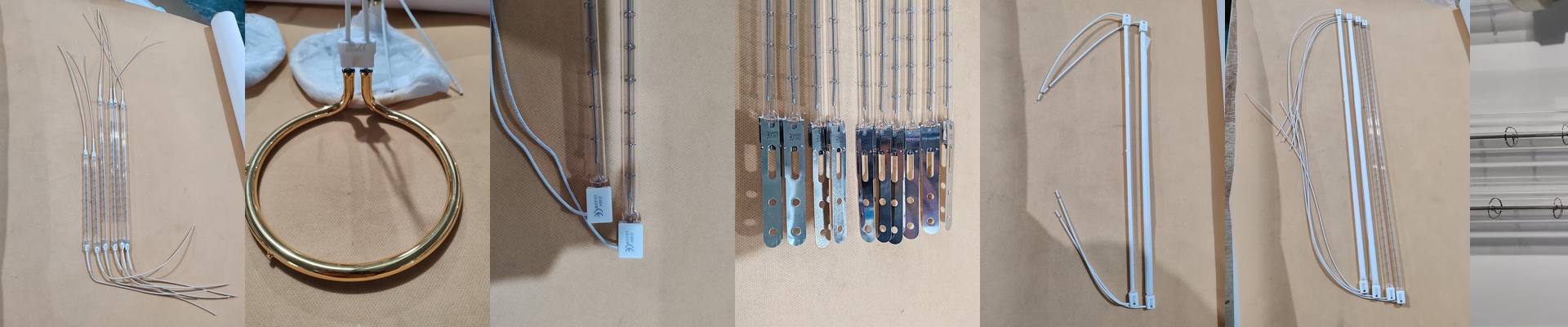
When we put together an OEM infrared lamp, we aren’t just looking for “hot.” We’re looking for a wavelength that actually matches the plastic resin you’re using. A quality shortwave or medium-wave element moves energy faster. And speed is everything. If you can shave just two seconds off a heating cycle, your throughput jumps. It adds up fast. Now, voltage and wattage are where things get tricky. Sure, a higher voltage tube gives you more heat in a smaller space. But there’s a catch. High-wattage tubes put a lot of stress on your sockets and wiring. If your electrical setup isn’t up to the task, you’ll end up overheating your terminals. Not a good look.
Making it last
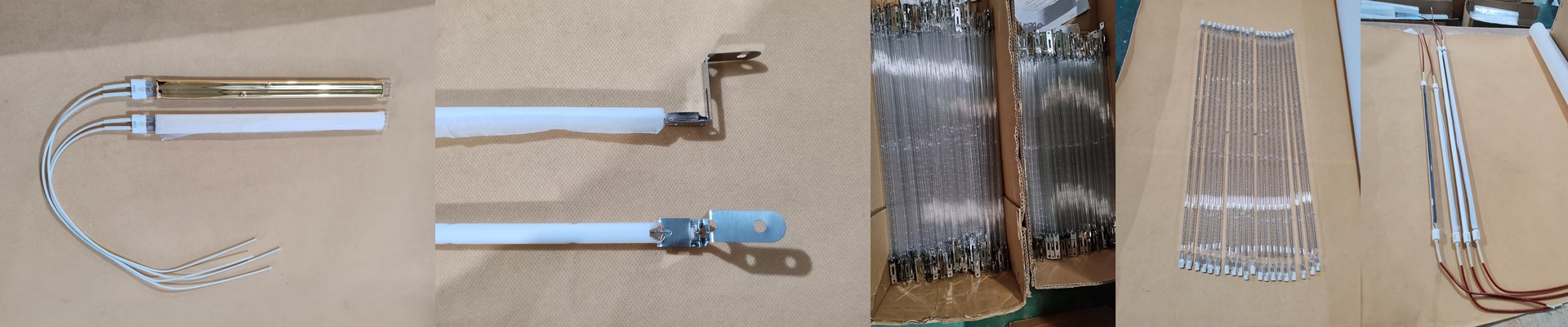
To keep filaments from burning out way too early, we use quartz glass and halogen gas fills. We also use coated tubes to reflect the heat forward. The goal is to keep the energy on the workpiece and away from the machine frame. You don’t want your equipment soaking up all the heat. Then there are the connections. We stick to things like R7s or Sk15. It’s not just about making them easy to swap. It’s about a tight fit. A loose connection creates resistance, which creates heat right at the socket. That’s exactly how you melt your wiring harnesses.
What this does for your wallet
Switching out those cheap lamps for precision OEM elements does two things. It cuts down your warm-up time and lowers the total kWh you use per unit. Plus, you get a consistent heat profile across the plastic. That means way fewer rejects in the bin. When energy prices spike, this is one of the simplest ways to keep your margins safe.