Why Cheap Heating Lamps Usually Die (And Why Ours Don’t)
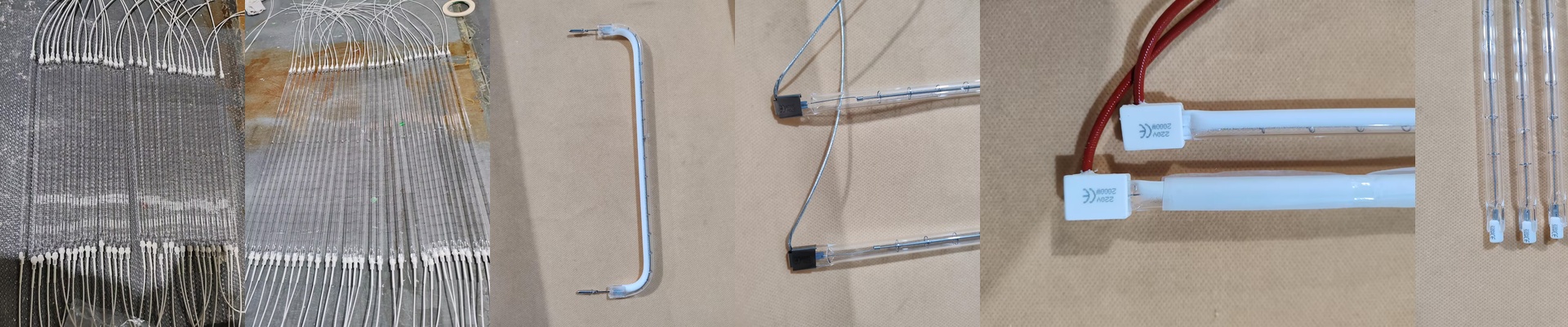
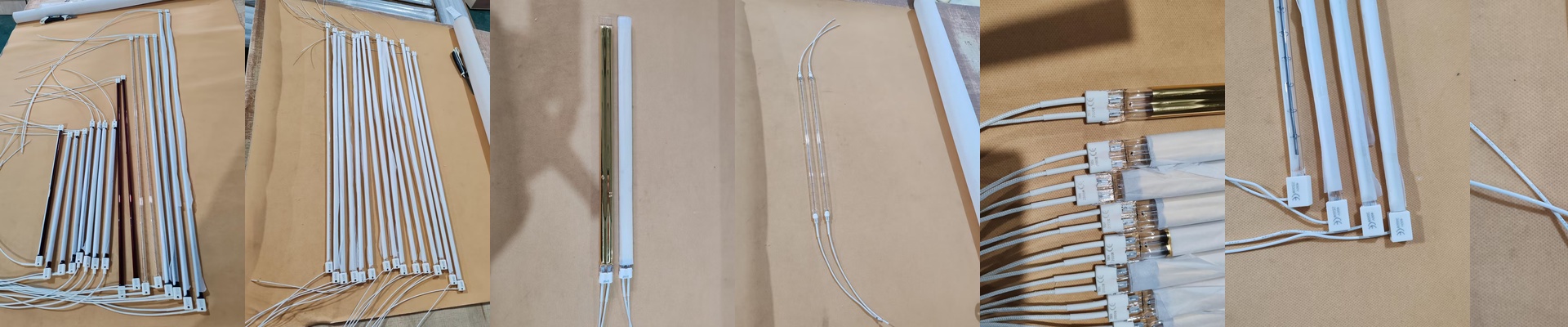
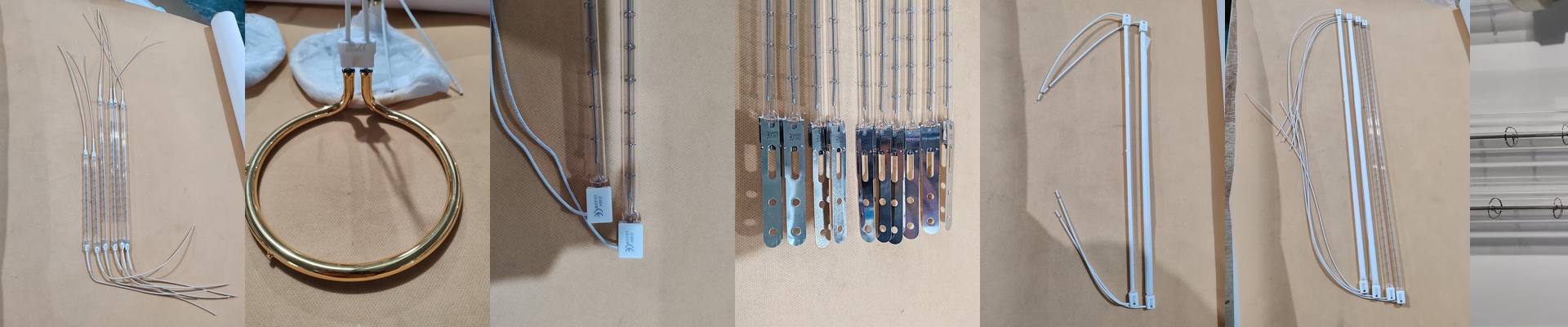
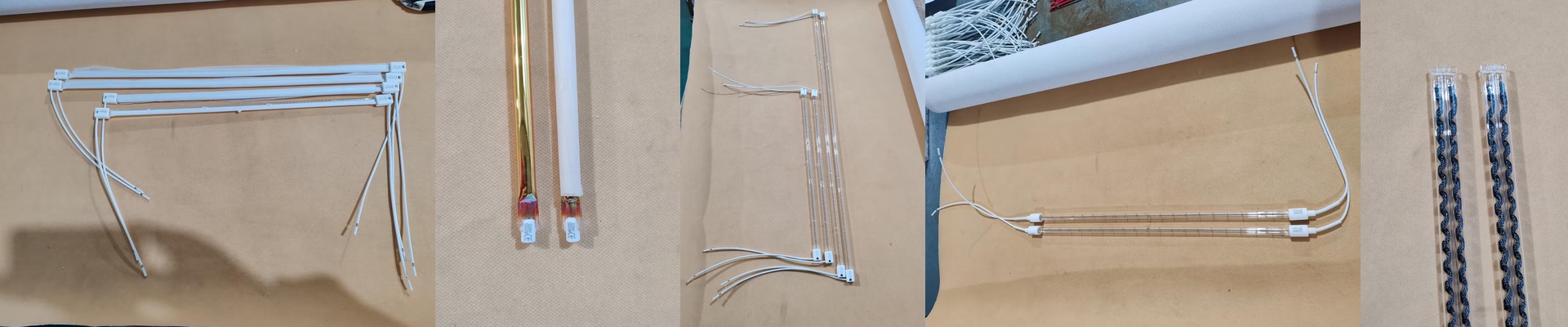
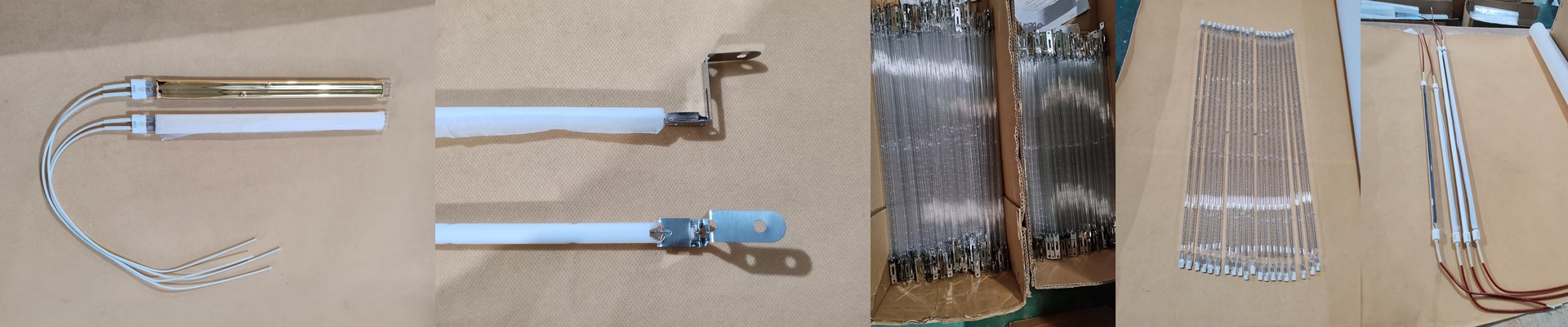
If you’ve been in the plastic heating game for a while, you’ve probably noticed a pattern. You see a price gap between two infrared lamps and immediately assume the cheaper one is going to burn out in a week. It’s a fair guess. Usually, the failure happens in one of two places: the filament or the quartz glass. Here’s the secret: we use the exact same high-purity quartz and tungsten filaments as the big-name brands. The quality is there. The price tag is just different. The stuff inside the tube It all comes down to how fast the tungsten filament evaporates. If the wire thins out too quickly, you get “hot spots.” That’s where the wire gets weak, stresses out, and eventually just snaps. To stop that, we use heavy-gauge, high-density filaments. They can handle the heat without thinning out, which means they actually last. Then there’s the glass. Cheap glass has impurities. Over time, those impurities make the tube cloud over or soften, which kills your heat transfer. We use the high-grade stuff so the glass stays clear and strong, even after thousands of cycles. Finding the sweet spot There’s always a trade-off. You can push a lamp to its absolute limit to get maximum wattage and speed up your throughput, but you’re basically trading lifespan for speed. We prefer a different approach. We calibrate our lamps for stability. Why? Because it means your temperatures won’t drift halfway through a shift. Your plastic wall thickness stays consistent, and you aren’t scrambling to replace tubes every few days. It’s just… steady. Getting them on your floor These are simple drop-in replacements. You don’t need to mess with your controllers or swap out your reflectors. They just work. You get the same hourly rating as the premium brands, but you aren’t paying a “logo tax” to get it. One quick tip: keep your cooling fans clean. It doesn’t matter how good the filament is—if the ends of the lamp overheat because of dust and grime, the tube is going to die. Keep ’em cool, and they’ll keep running.