Let’s Talk About “Cost-Effective” Heating
In the world of industrial heating, people throw the phrase “cost-effective” around a lot. But usually, that’s just a polite way of saying “cheap.” And cheap is dangerous. When you buy a bargain-bin component, it’s only a matter of time before it gives out. Then you’re staring at unplanned downtime and a mountain of scrapped PET preforms. That’s not saving money; it’s just delaying the headache. We do things differently. We don’t save money by using junk quartz or low-grade tungsten. Instead, we just cut out the fluff—the massive brand premiums and the middle-man markups that don’t actually add any value to your machine.
Where the Value Actually Lives
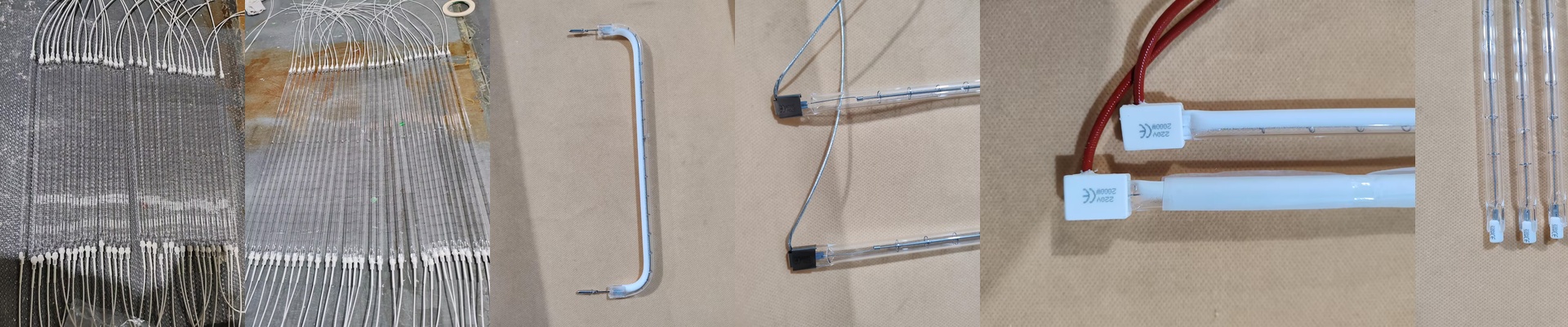
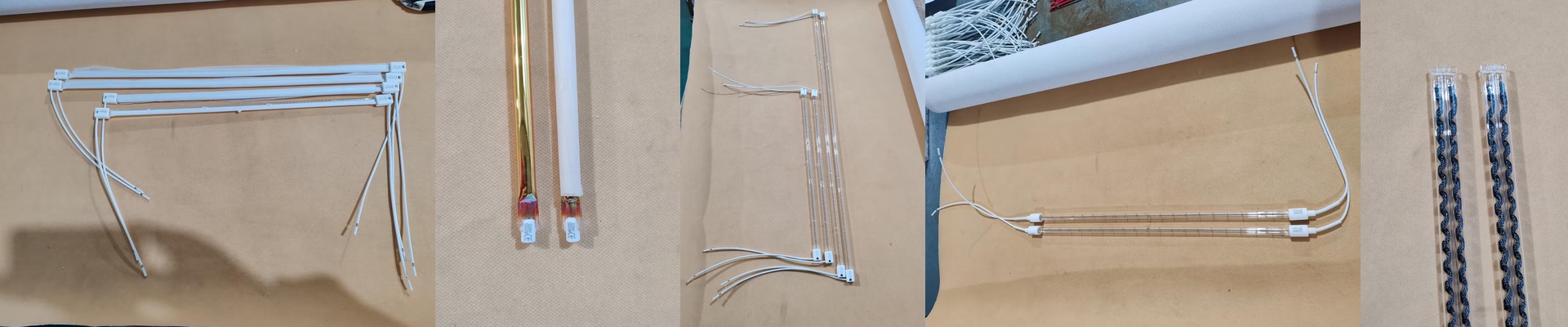
If you want a lamp to last, you have to respect the physics. Most companies cut costs by using thinner filaments or lower-grade glass. We don’t touch that stuff. We stick to the same high-purity quartz and precision-wound filaments that the “big name” brands use. The difference in price doesn’t come from the materials. It comes from the fact that we’ve streamlined how we make them. You get the same heat and the same lifespan, just without the “luxury” price tag.
A Quick Warning on Engineering
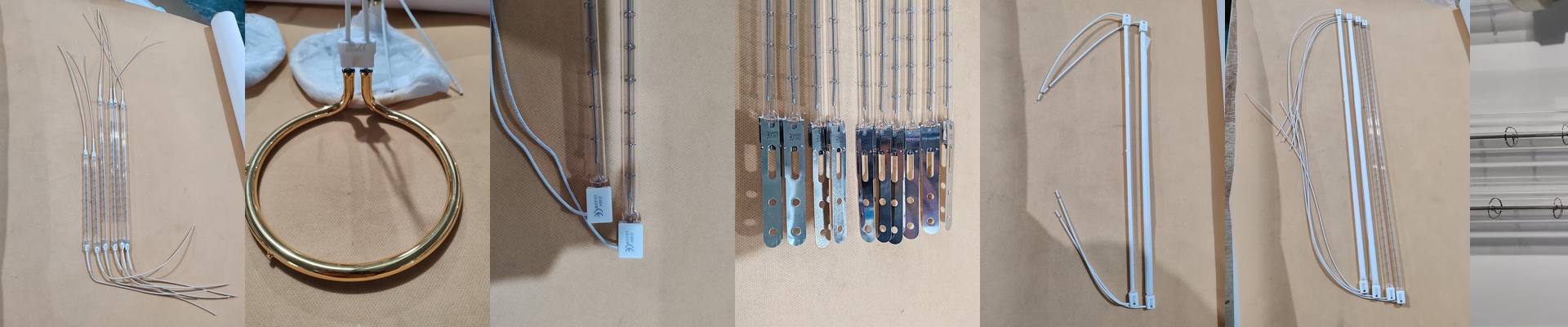
Here is the thing about fast cycle times in plastic blowing: you need high heat density. But there’s a catch. When you cram more wattage into a shorter tube, you’re putting a lot of stress on the electrodes. If you decide to spec out a high-wattage lamp to speed up your production,please check your cooling fans. If your fans can’t keep up, the lamp ends will overheat and burn out your connectors. It’s a simple fix, but it’s where a lot of people go wrong.
Just Plug and Play
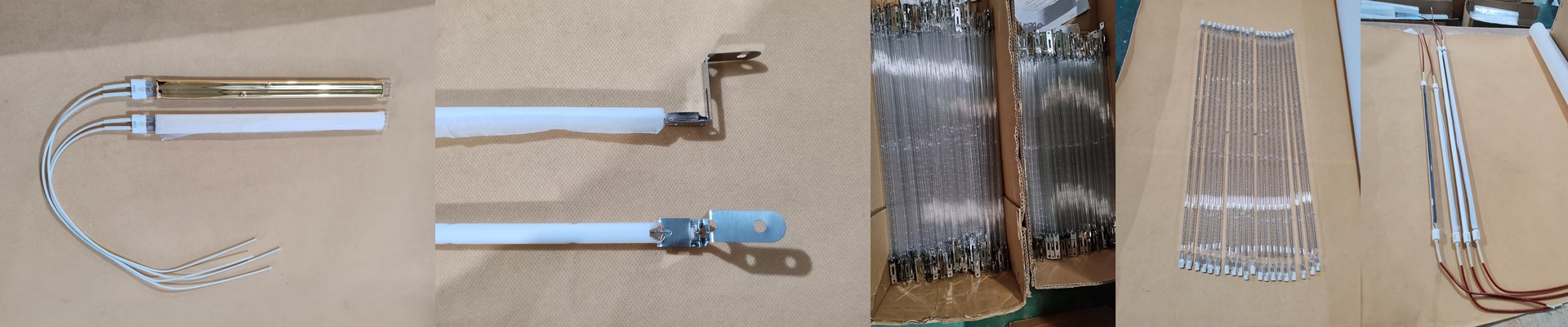
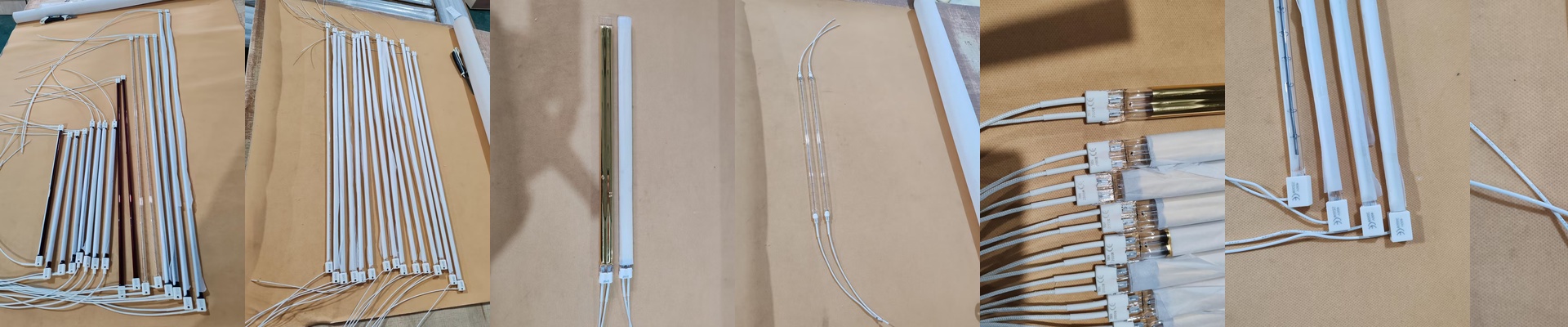
We made our lamps to be drop-in replacements. Period. Whether you’re running R7s or Sk15 connectors, the dimensions are spot on. You won’t have to spend your weekend rewiring racks or messing with your oven footprint. You get the same IR wavelength and the same heat distribution as those expensive alternatives. It just costs you less per unit. At the end of the day, you just want a lamp that hits the right temperature, holds it, and doesn’t blow out after a few hundred hours. That’s the only way to actually lower your costs without risking your entire production line.