Getting Your Industrial Heat Right: The Truth About Halogen Lamps
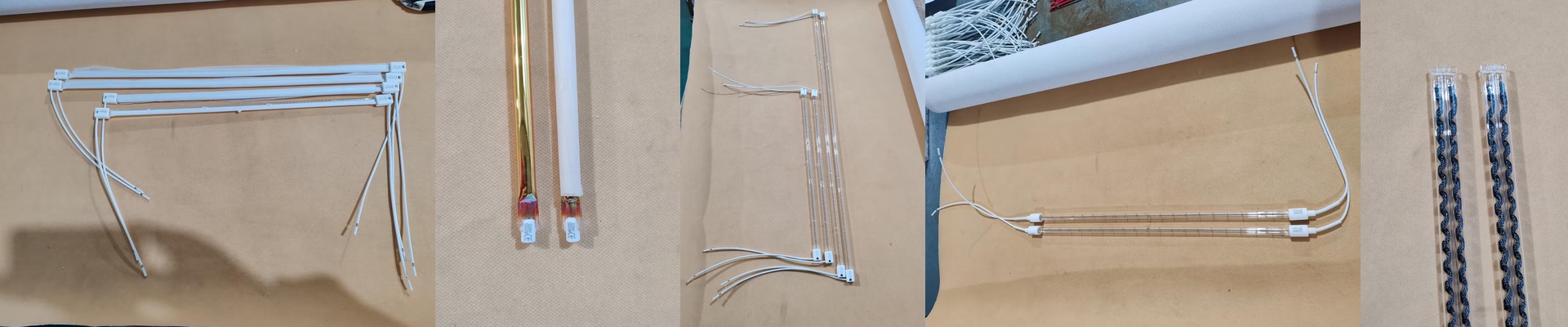
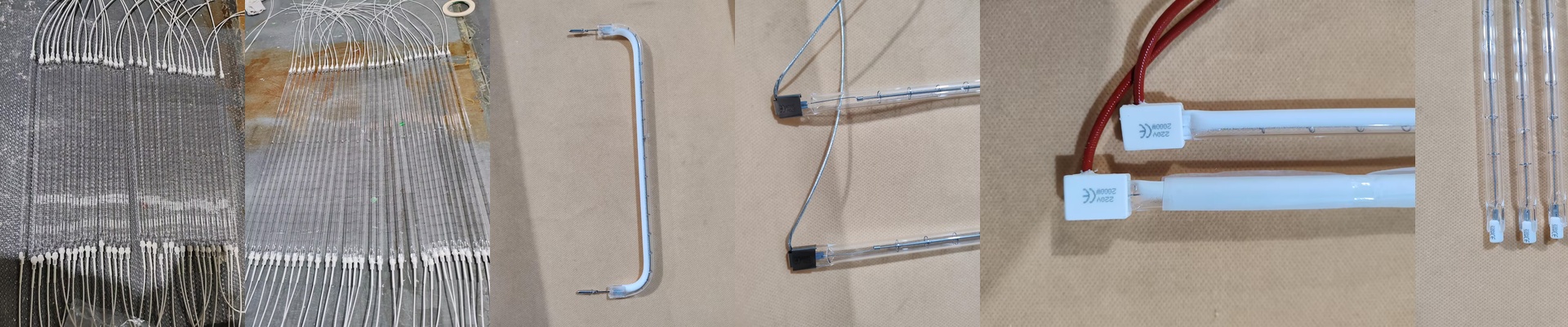
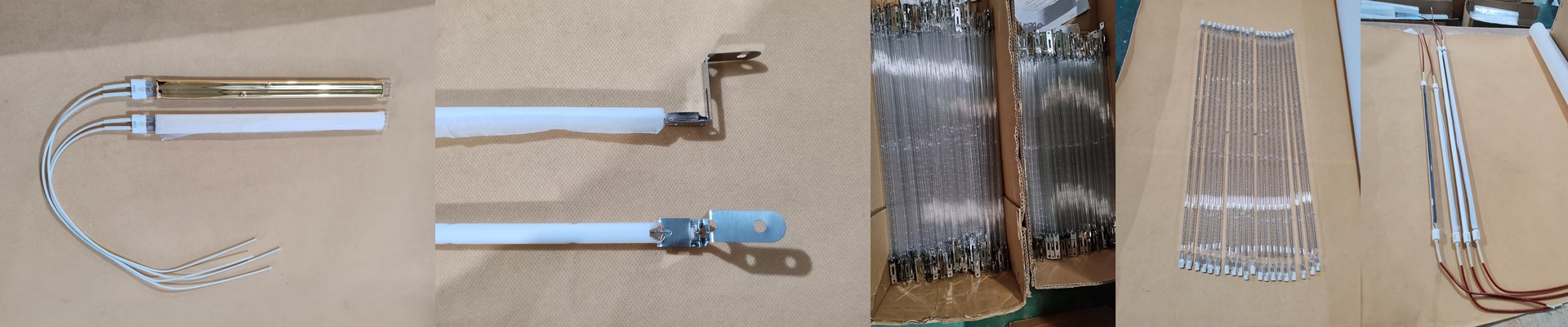
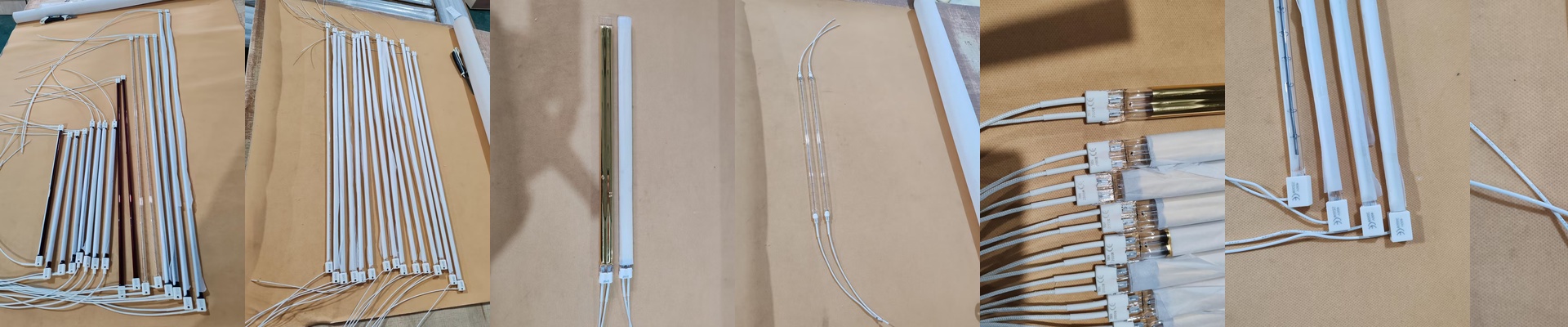
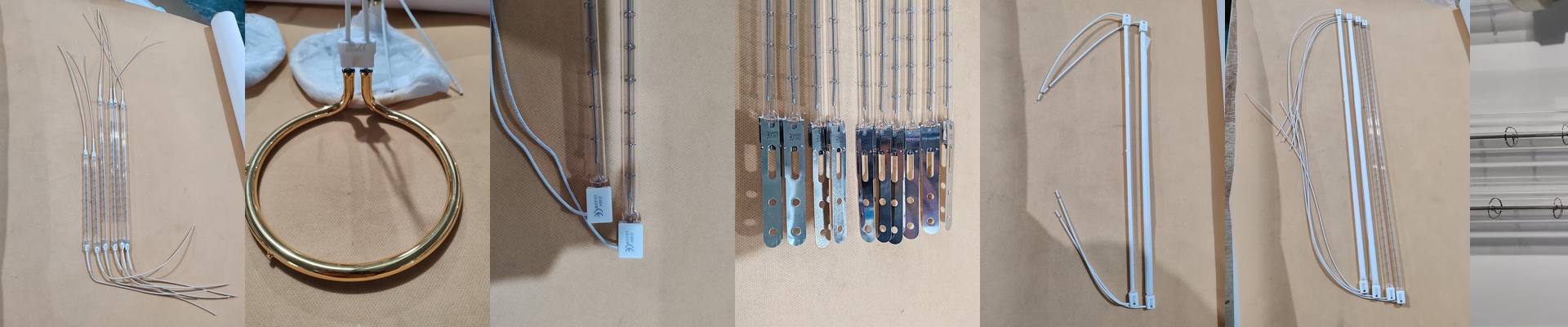
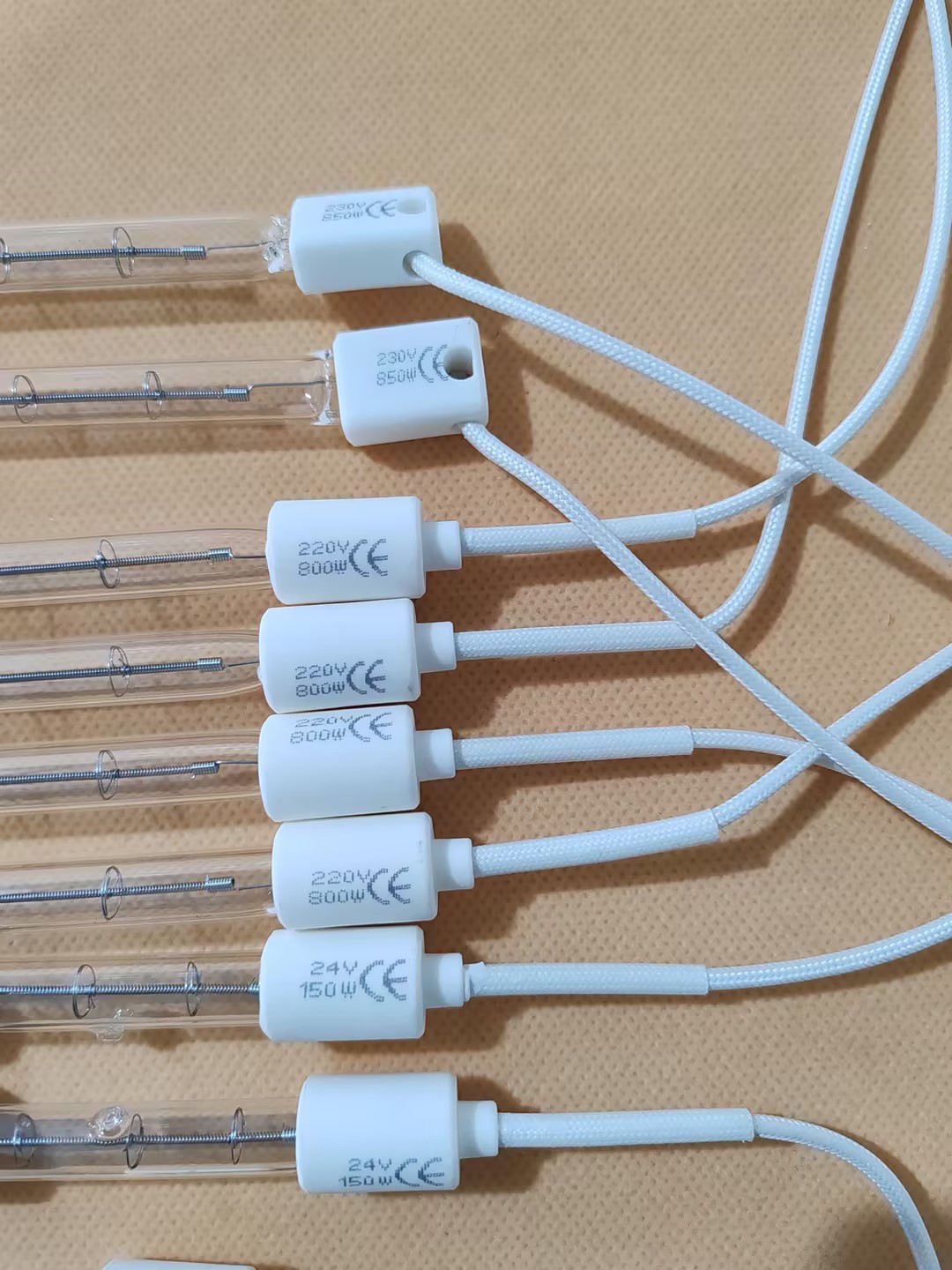
When we build these halogen lamps, we’re basically trying to pack as much radiant energy as possible into one spot. Inside, there’s a tungsten filament wrapped in high-purity quartz and filled with a halogen gas cycle. Without that gas, the filament would just evaporate and burn out way too fast. With it? You can push the lamp to temperatures that would make a standard lightbulb pop instantly. Let’s talk power. The balance between your wattage and voltage is what actually controls your heat flux. If we run a high-wattage tube at 230V or 400V, you hit your target temperature much faster. Plus, higher voltage means you can pull less current for the same amount of power. That’s a win because it means you don’t have to deal with massive, clunky cables. Just a heads-up: make sure the wattage matches the size of the part you’re heating. If you go overboard with the power on a tiny workpiece, you’re just going to scorch it. The hardware side of things We stick with quartz glass because it doesn’t crack when things get wildly hot. Whether you’re using R7s or Sk15 connectors, the fit has to be snug. If it’s loose, you’ll get an arc—and that’s a quick way to fry your socket. Some of our tubes even have special coatings. These shift the light spectrum so the heat actually “soaks” into your specific material rather than just bouncing off the surface. Making it work in your line These lamps are great for PET blowing or curing lines because they’re basically drop-in replacements. The best part? They’re instant-on. You don’t have to stand around waiting for a long warm-up cycle before you can actually start working. But here’s the catch. That intense shortwave radiation puts off a lot of ambient heat. It gets hot.Really hot. If your cooling fans and heat sinks aren’t up to the task, your temperatures will start to drift, and you’ll be fighting your settings all day. Make sure your cooling is locked in before you flip the switch.