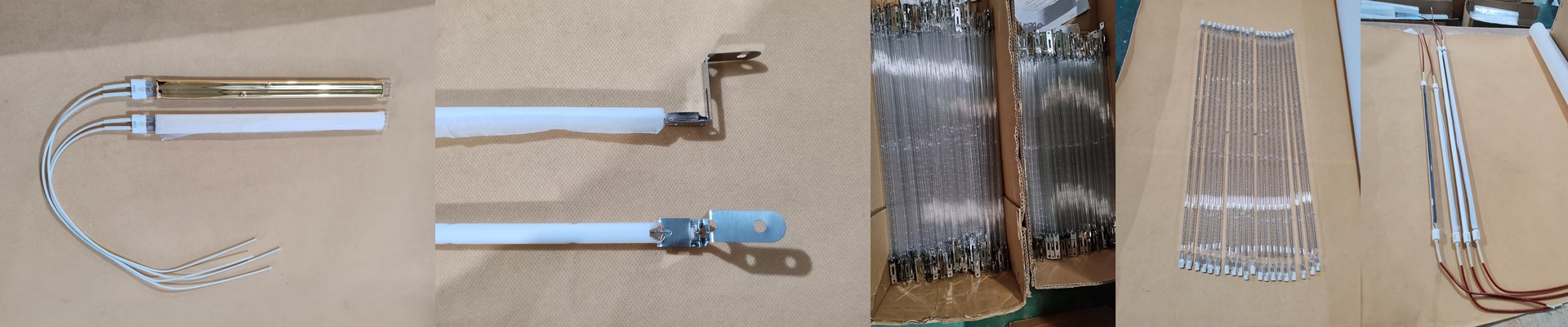
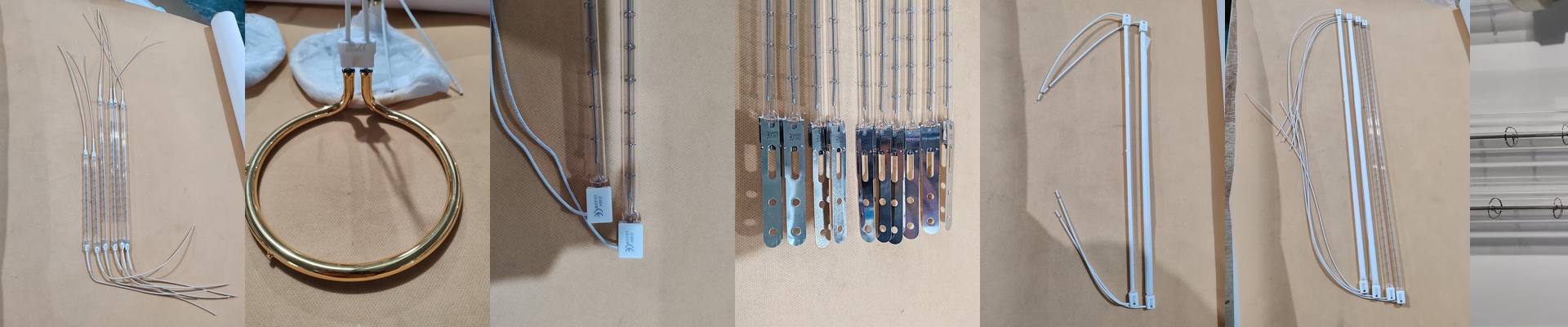
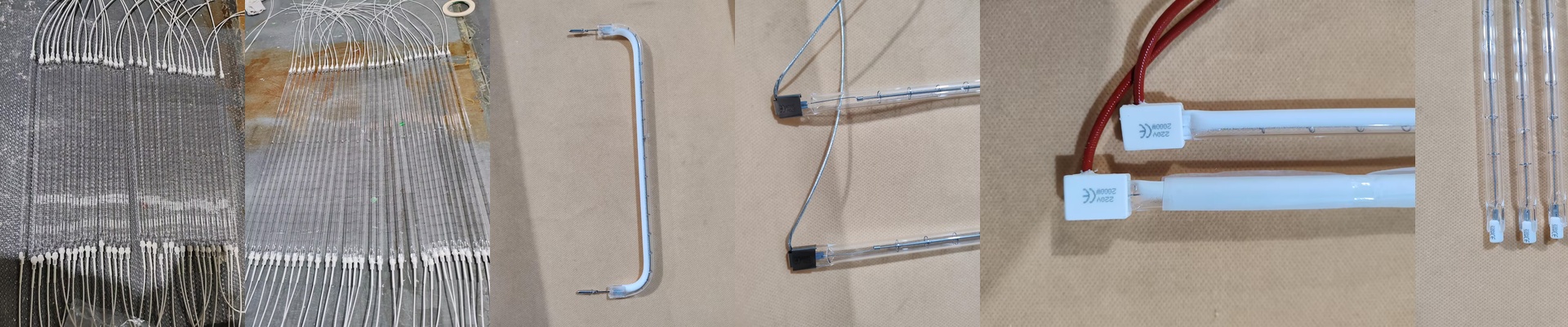
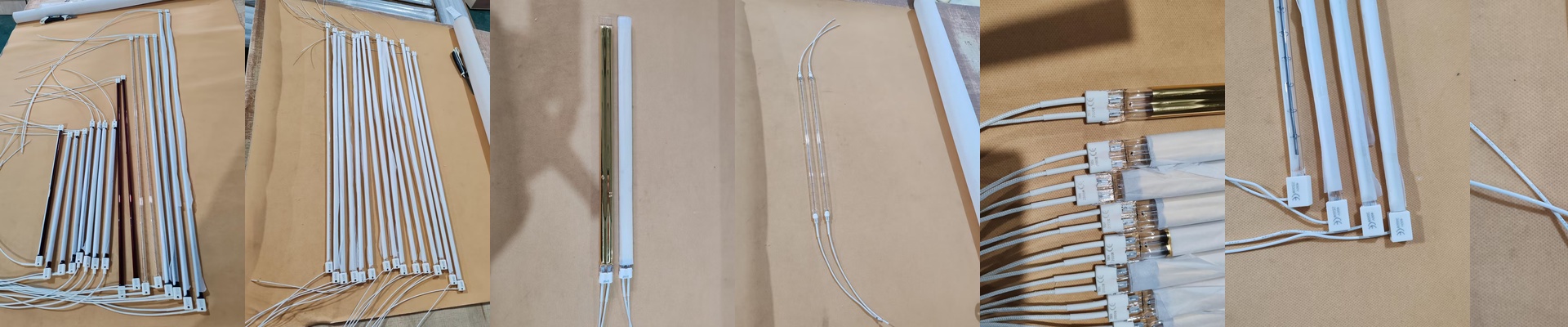
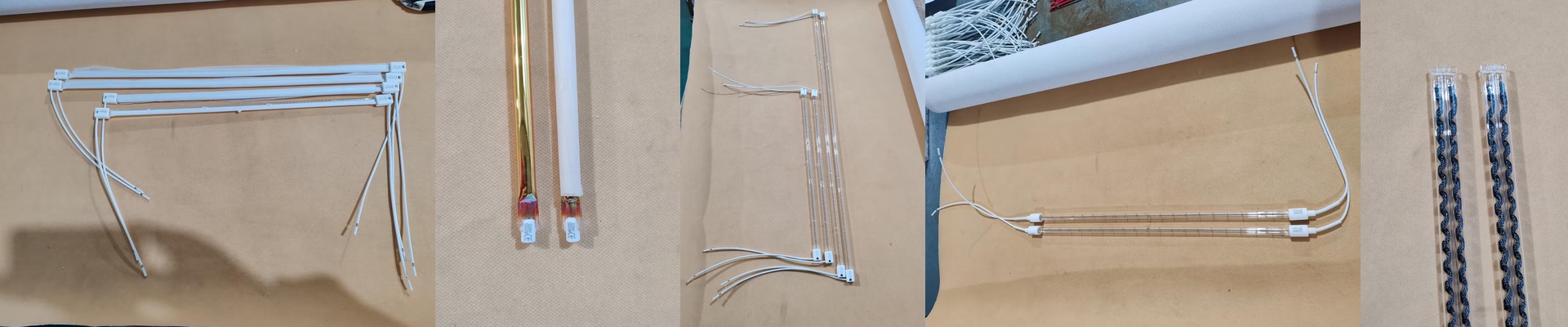
A Real-World Look at Halogen Shortwave Heat Lamps
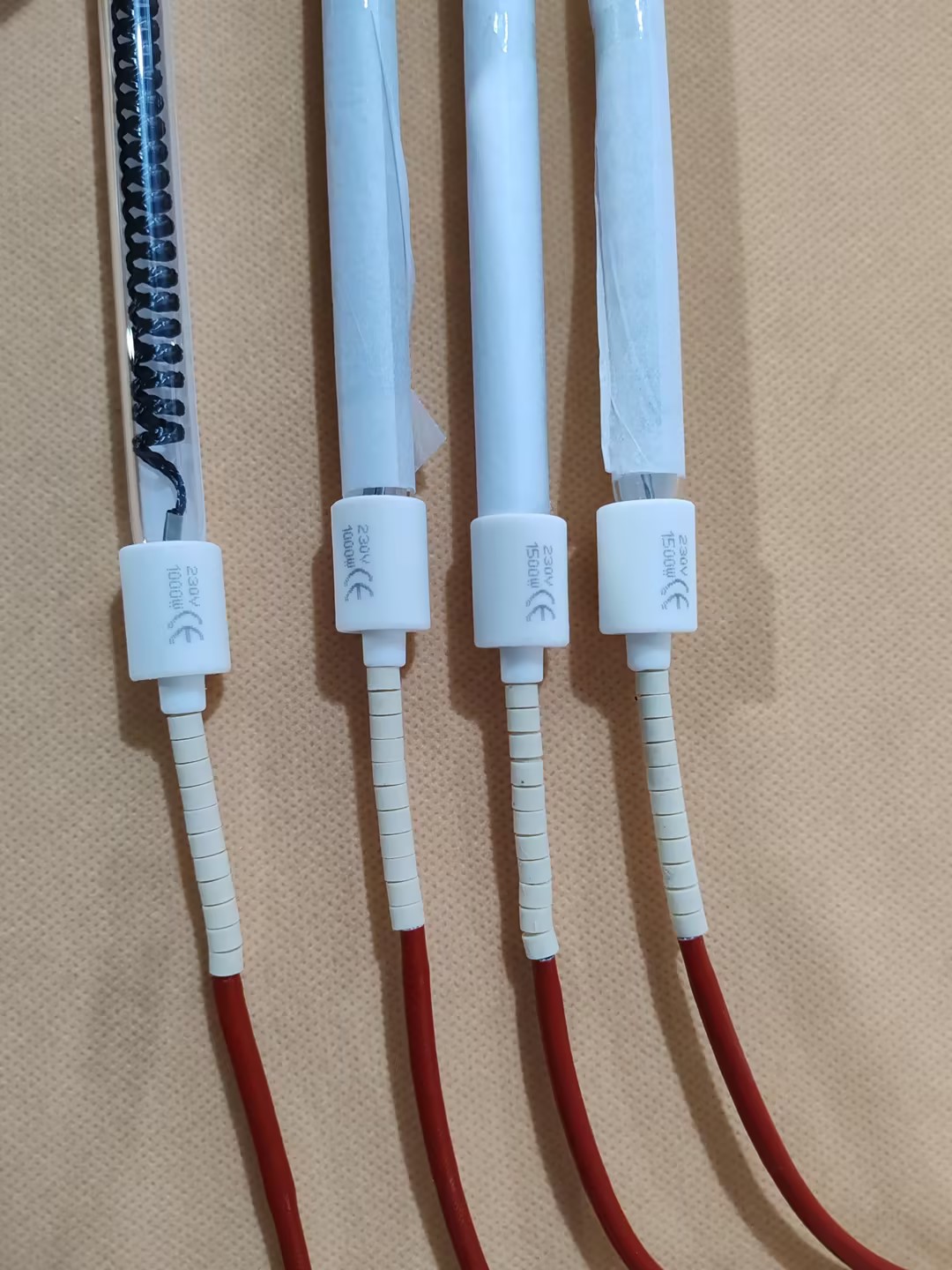
If you’ve ever worked with standard infrared lamps, you know they can be a bit sluggish. That’s where these halogen shortwave lamps come in. They use a tungsten filament tucked inside a quartz tube and pressurized with a halogen gas cycle. It sounds technical, but here is what it actually does: it stops the filament from evaporating too fast. This means we can crank the heat way up. You get this intense, concentrated burst of shortwave radiation that sinks deep into your materials almost instantly. Talking Power and Voltage When you’re picking a lamp, it really comes down to how much heat you need and how fast you need it. If you’re doing PET blowing or curing plastics, you want high-wattage tubes. They get you to that target temperature in a blink. We usually match the voltage to whatever power rails you already have in your machinery. Here’s a pro tip: using a higher voltage over a certain length keeps the current draw down. This keeps your wiring from getting dangerously hot. Just a heads-up, though—keep your power supply steady. A single voltage spike can pop a filament instantly. The Glass and the Plugs We stick with high-purity quartz for the tubes. Why? Because the stuff can take a massive thermal shock without shattering. Some of these even have special coatings to tweak the light spectrum or just give the glass an extra layer of protection. As for the plugs, we use the usual suspects like R7s or Sk15. They snap in tight, which is exactly what you want. No loose connections, no sparking—just a simple drop-in replacement for your oven. The Trade-offs (The “Gotchas”) These lamps are incredibly fast. Like, “hit the switch and it’s hot” fast. But that speed comes with a catch. Since the heat is so intense, you have to be smart about cooling the lamp ends and the chassis. If you don’t, things get meltdown-hot. Also, keep an eye on your reflectors. If they get dusty or go out of alignment, the heat bounces right back into the quartz. That creates a hot spot that’ll kill your lamp way sooner than it should. Keep the optics clean, and your lamps will actually last.