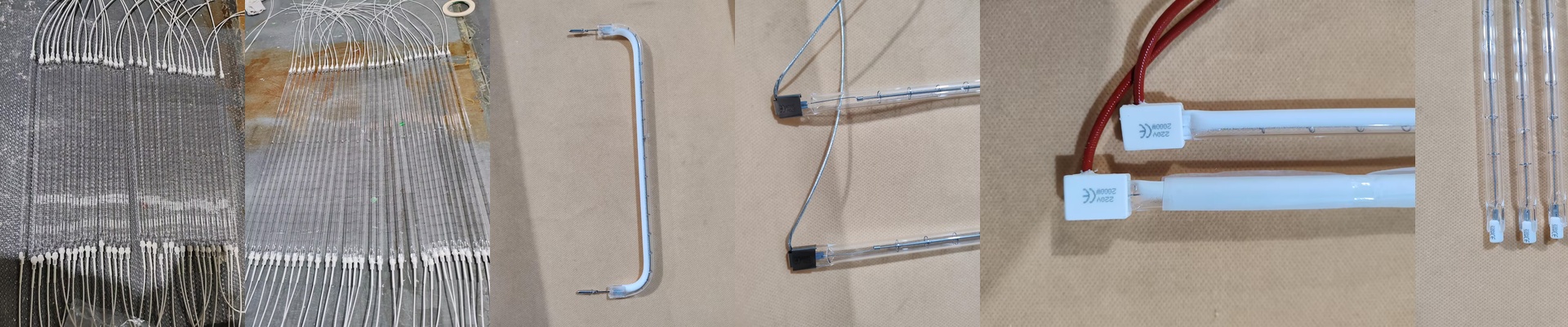
Let’s Talk Infrared Halogen Quartz Lamps
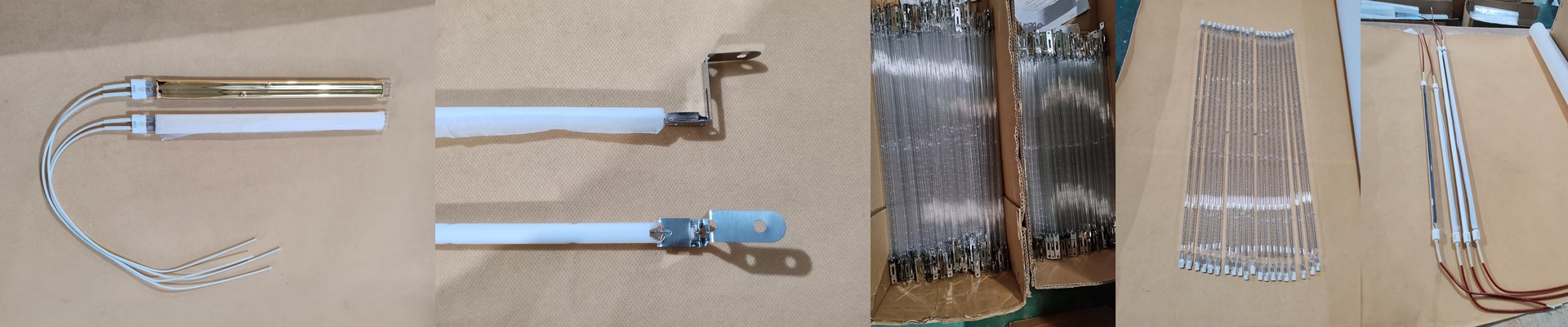
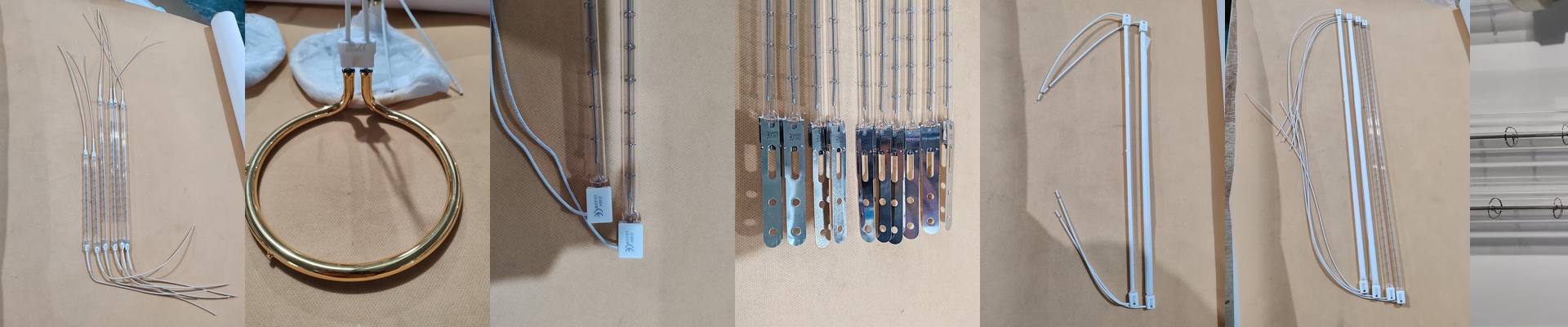
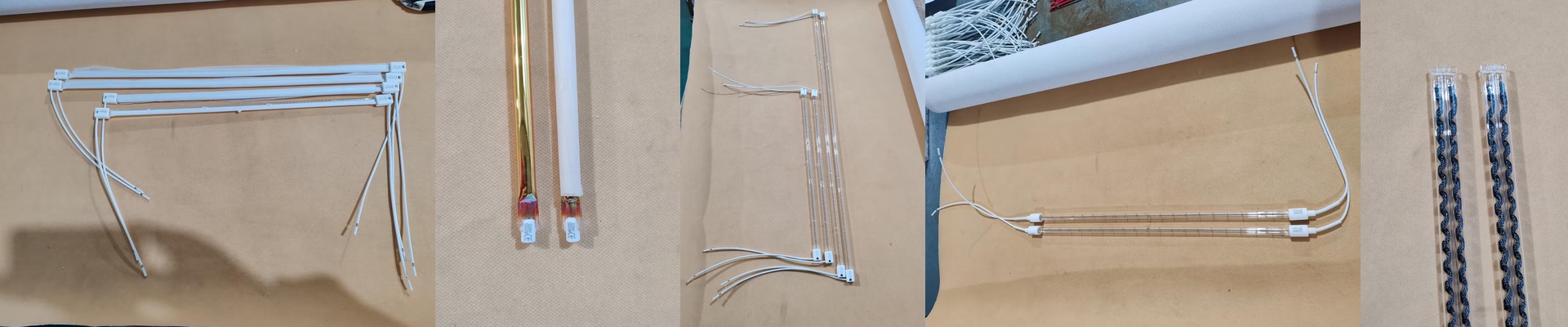
Ever wonder how we get that kind of intense, concentrated heat? It’s all about the build. We take a tungsten filament, tuck it inside a hard-fused quartz tube, and fill the whole thing with a specific halogen gas mix. Here’s the trick: that gas keeps the tungsten from evaporating too quickly. It lets the lamp run way hotter than a standard bulb, which means you get a massive blast of shortwave radiation without the tube burning out in a heartbeat.
The Power Side of Things
When you’re picking a lamp, the voltage and wattage are what really drive your heat. If you’re running high-wattage tubes—we’re talking 2000W and up—you’ve got to be spot on with your voltage. If it’s off, you’re just asking for a premature burnout. And a heads-up: these things pull a lot of current. Make sure your wiring and power supplies can actually handle the load. You don’t want your cables overheating before the lamp even gets to work. Plus, if you cram a higher voltage into a shorter tube, it gets incredibly bright. That’s exactly what you want when you need things to heat up fast.
The Build and the Basics
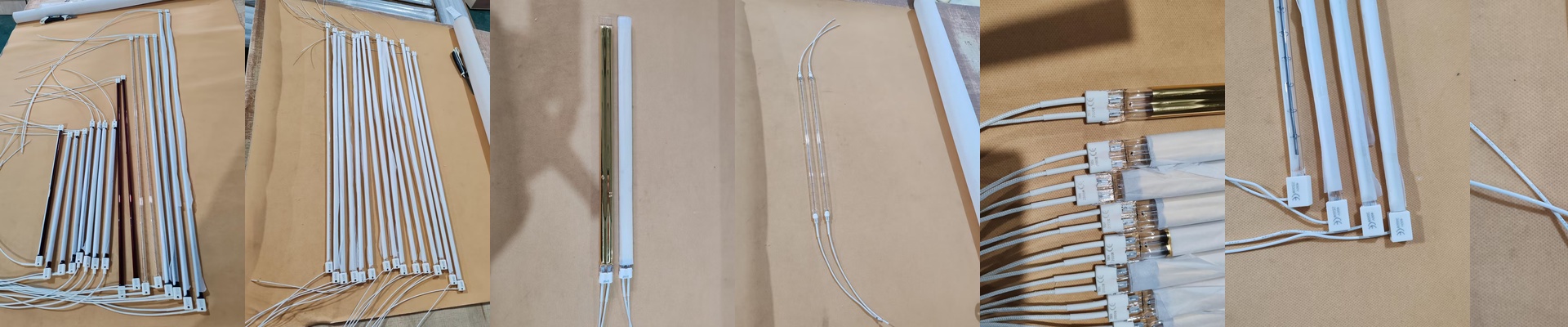
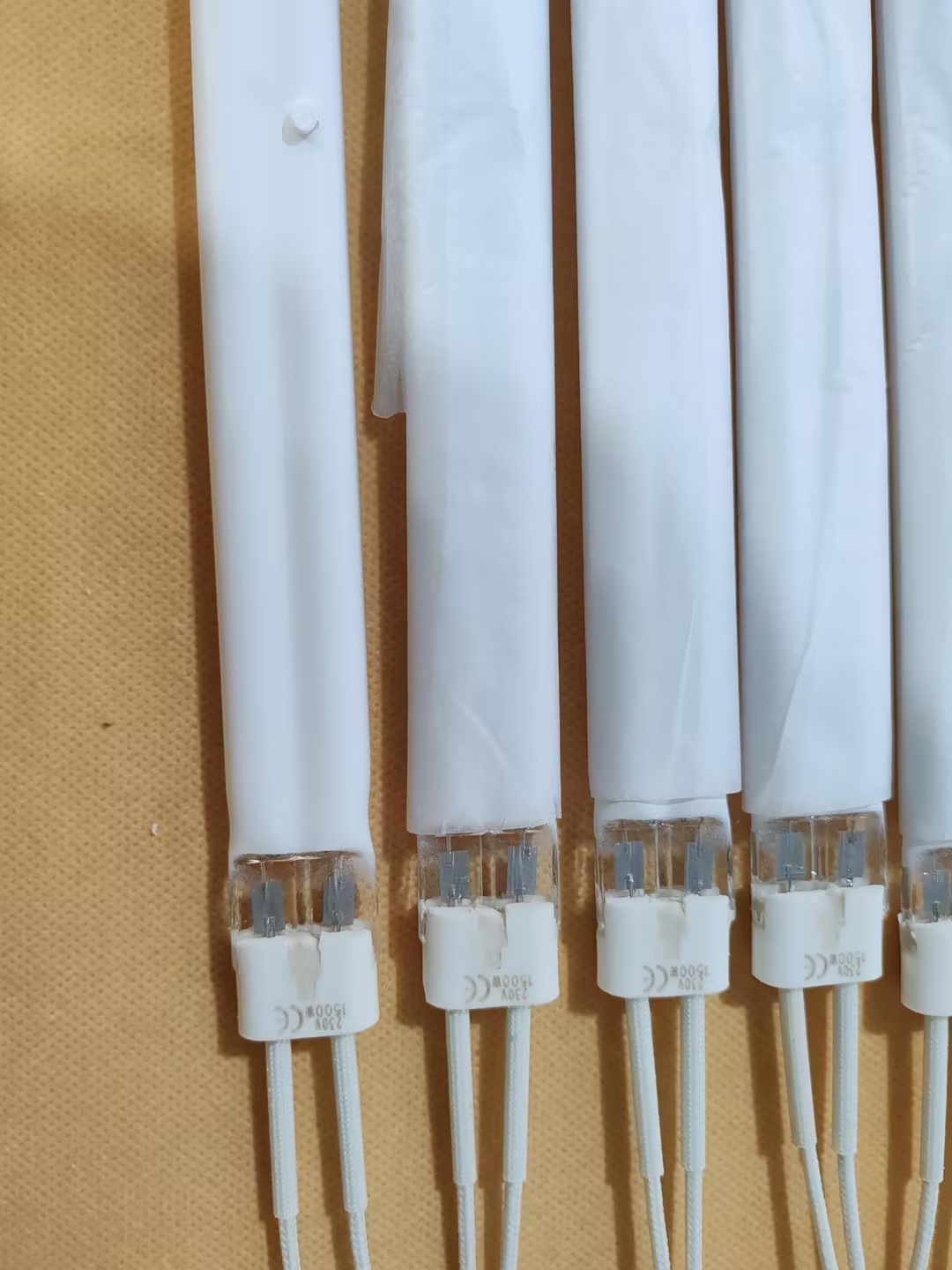
The quartz envelope is the real hero here. It lets the shortwave IR radiation pass right through without soaking it up. Now, depending on what you’re actually heating, we can coat the glass to tweak the emission spectrum. As for plugging them in, we stick with R7s or Sk15 bases. They’re basic, reliable, and fit right into most industrial heaters. They keep the electrical connection tight, so you don’t have to worry about arcing when the machine starts vibrating or the metal expands from the heat.
Making it Work in the Real World
These lamps are a dream for PET blowing or curing lines. There’s no waiting around for a “warm-up” period. You flip the switch, and you have heat. Now. But there’s a catch. The heat density is aggressive. If you put a 2500W tube in a tight spot, you better have your cooling fans dialed in. If there isn’t enough airflow around the ends of the quartz, the seals will give way and the lamp will just pop. It’s a balancing act. You want the heat, but you have to give the machine room to breathe so the whole system stays stable.