Do you actually need those overpriced name-brand quartz heaters?
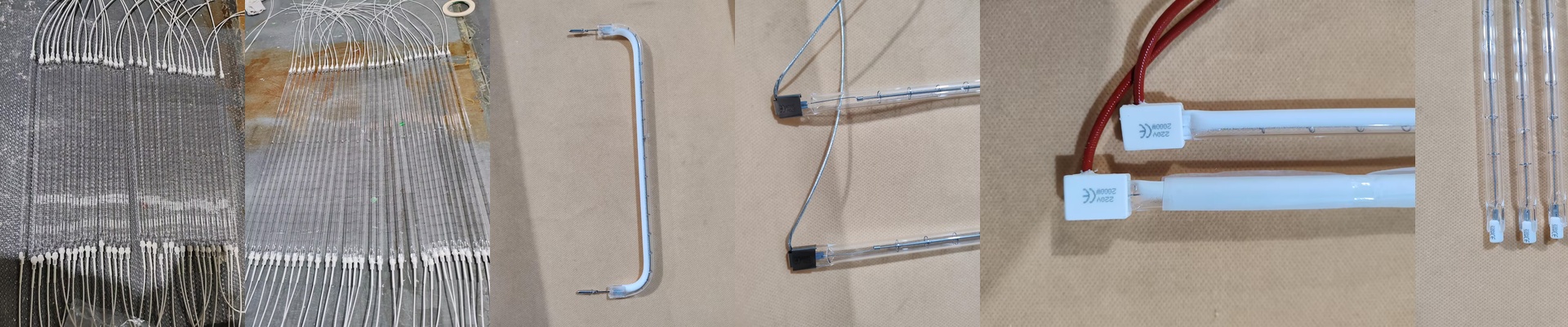
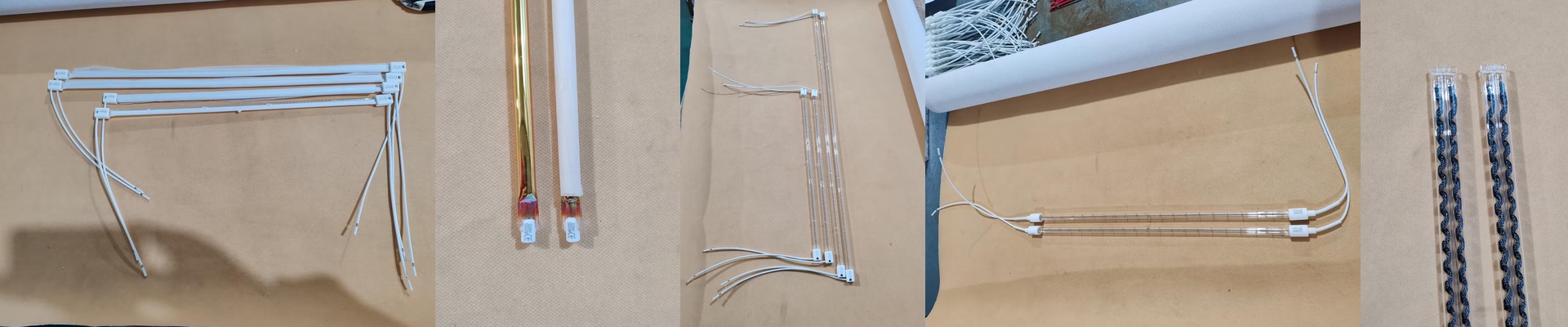
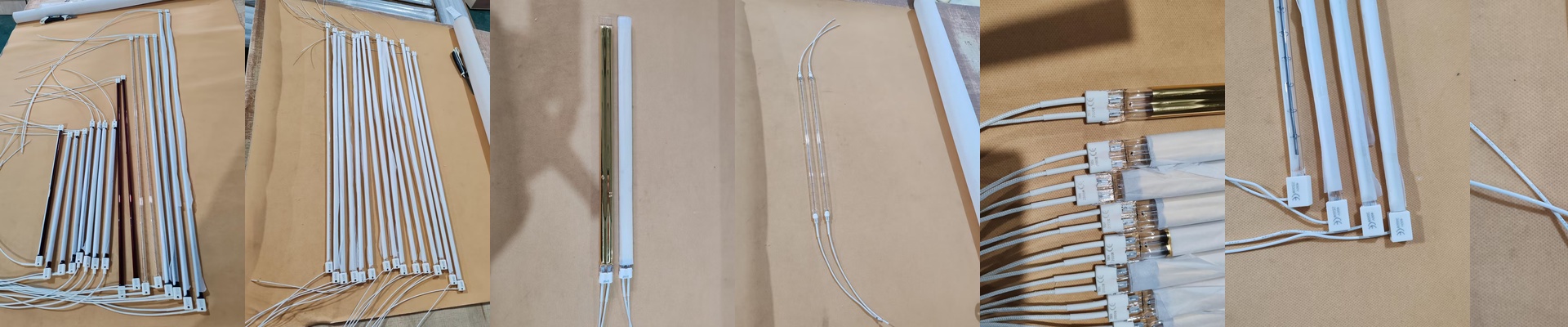
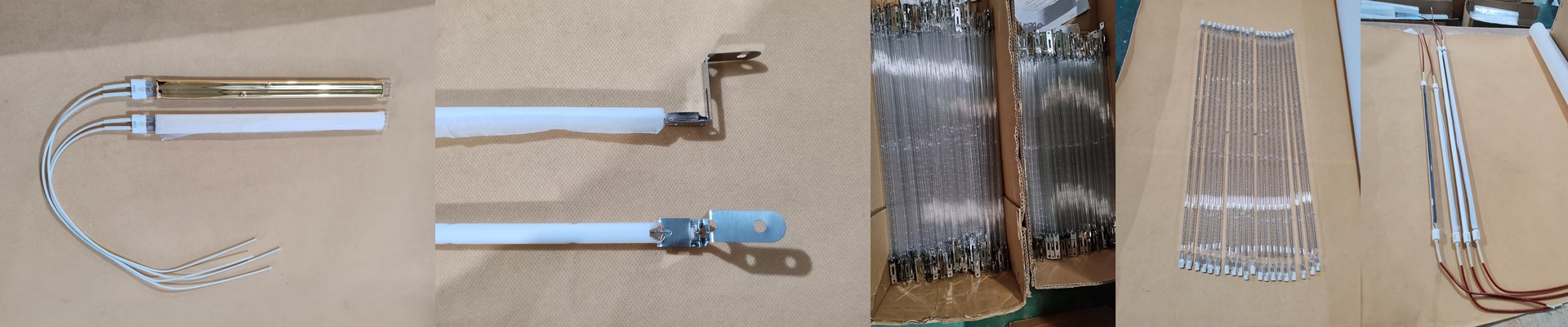
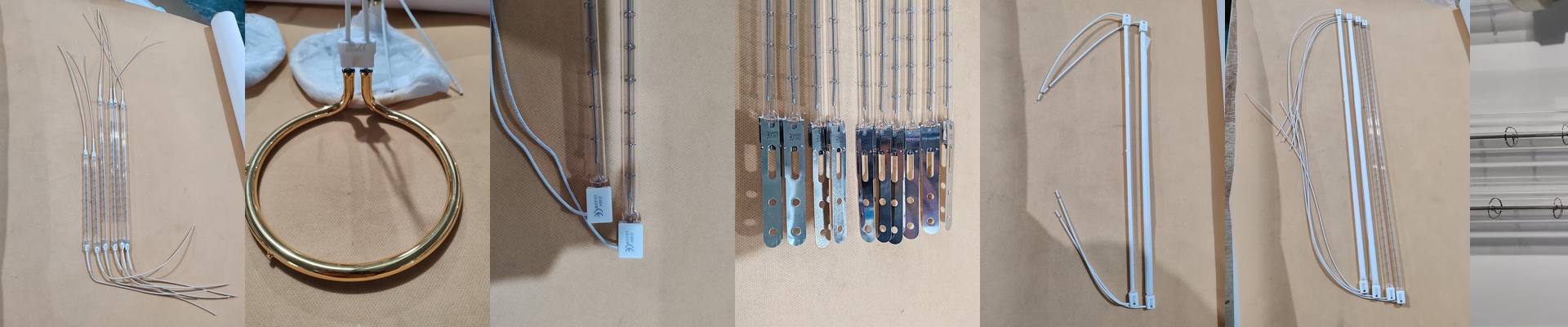
I get this question from engineers all the time: “Can a Chinese-made quartz lamp actually do the job of a high-end European or American brand in my PET blowing machine?” They’re worried about whether it’s a true “drop-in” replacement or if they’re risking their production line. Here’s the truth: it all comes down to two things. The tungsten filament and how pure the quartz glass is. That’s it. Let’s talk power. We build our lamps to mirror the exact voltage and wattage of the big names. If your machine calls for 400V high-voltage tubes, we wind the filament specifically so the heat per centimeter is identical. Why does that matter? Because nobody wants “cold spots” in their oven. That’s a nightmare for consistency. Just a heads-up: if you’re pushing massive heat in a short tube, your cooling fans need to keep up. If the ambient temp spikes too high, you’ll burn through your filaments way faster than you should. The materials part. We use high-purity fused quartz. This keeps the tubes from cracking when the temperature swings wildly—no thermal shock. For PET work, we often add a special coating. It basically tweaks the infrared spectrum so the plastic absorbs the heat more efficiently. And for the connectors? We stick with R7s or Sk15. They’re the industry standard for a reason. They click in tight, they stay put, and they won’t rattle loose while your machines are screaming along at full speed. The bottom line on performance. In PET blowing, you need heat that is fast and uniform. Our lamps are halogen-filled, which keeps the internal pressure stable. This lets the filament run hotter without the tungsten evaporating too quickly. Translation: the lamps last longer. They fit the same brackets. They plug into the same controllers. The heat output is the same. The only real difference you’ll notice is the price tag, because you aren’t paying for a fancy logo.