Swapping European Quartz Heaters for Chinese OEM
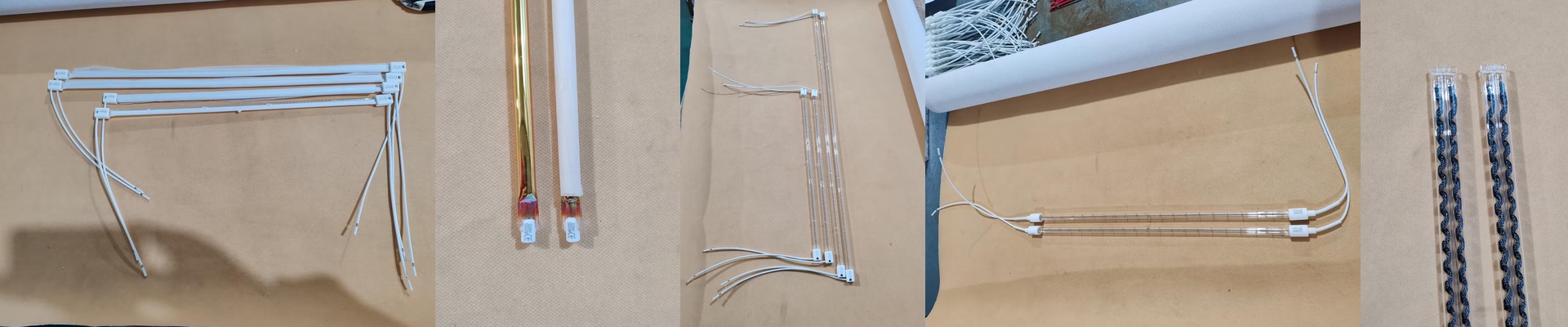
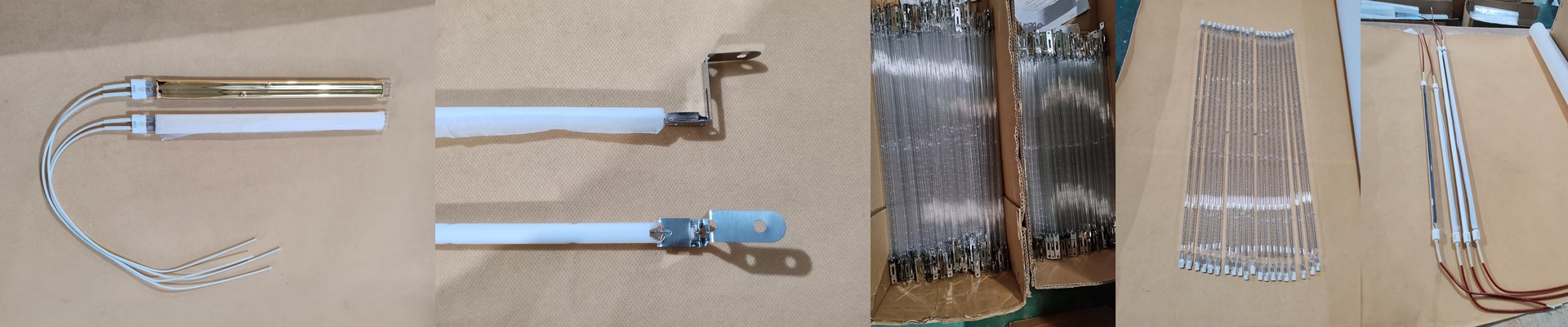
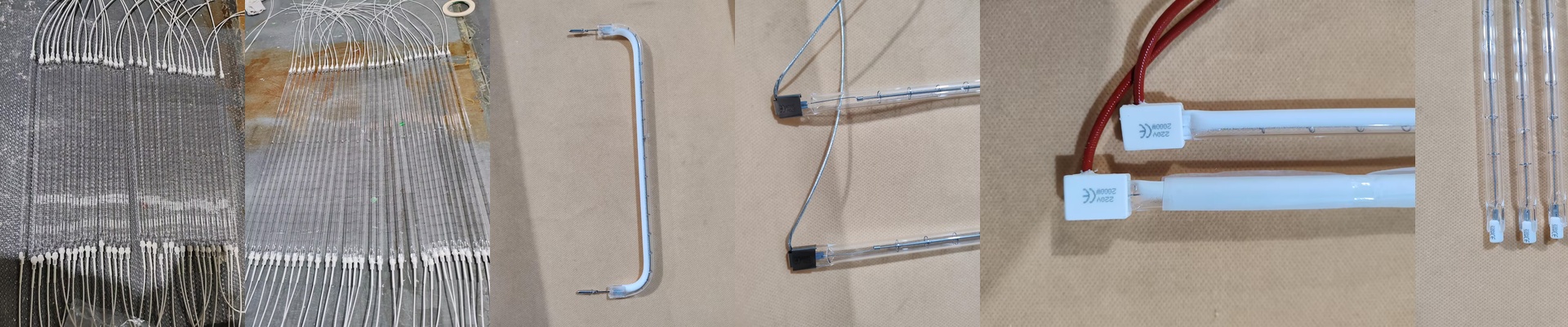
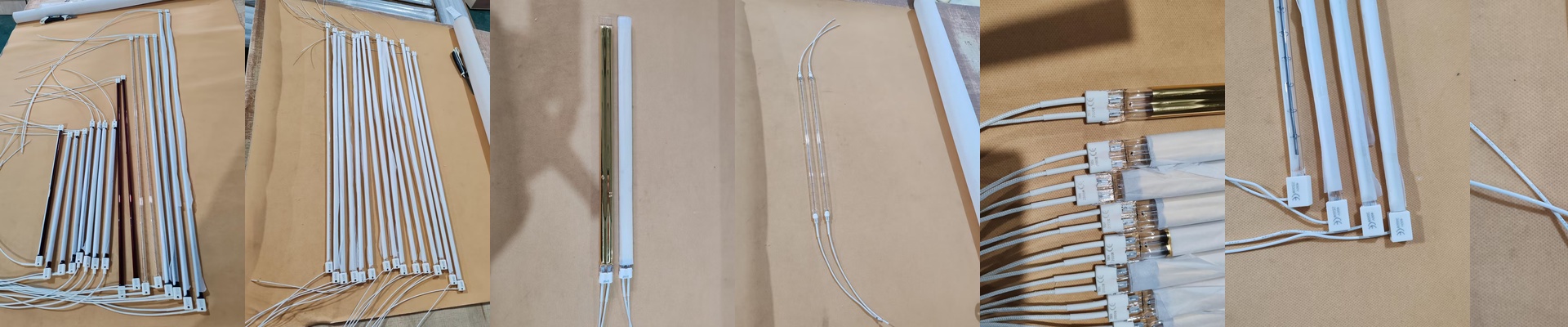
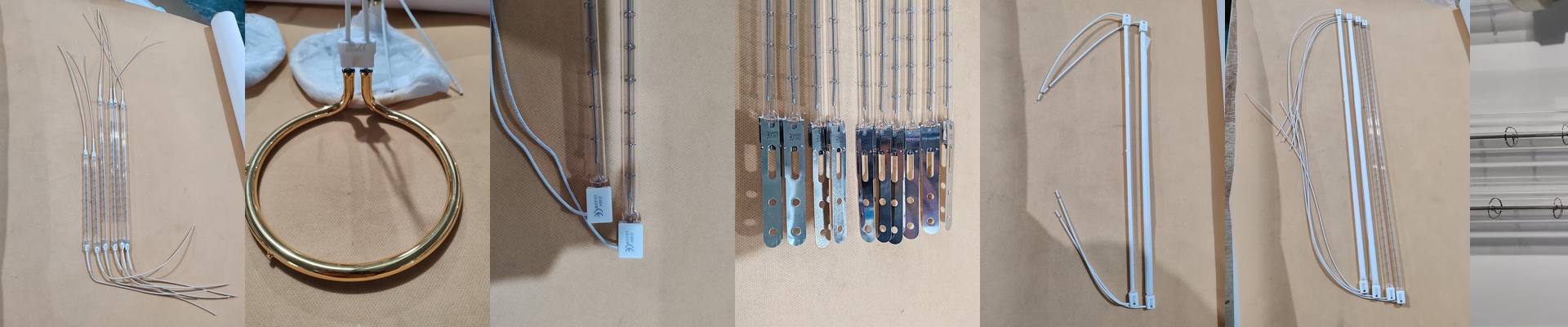
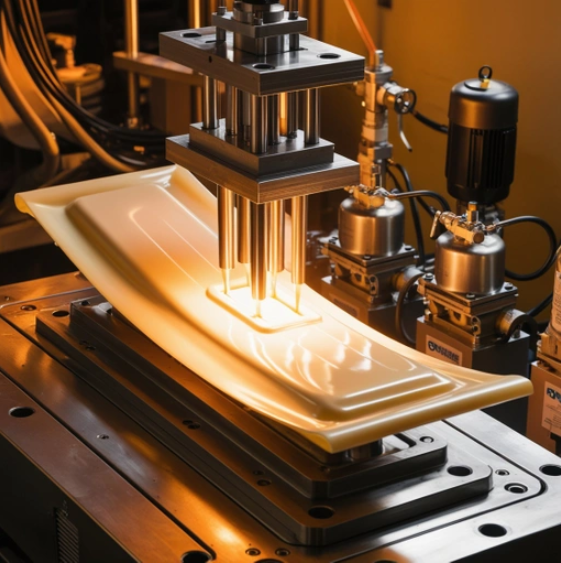
Lately, I’ve noticed a lot of automotive injection molding shops moving away from those pricey European infrared lamps. They’re switching over to Chinese OEM quartz heaters instead. Now, let’s be clear: this isn’t some race to the bottom to find the cheapest part possible. It’s more about common sense. You want the same physics and the same heat, but you don’t want to wait three weeks for a replacement part to ship while your line is sitting idle. Getting the specs right When we’re looking for a drop-in replacement, the first thing we obsess over is the wattage-to-length ratio. If you cram too much power into a tube that’s too short, you’re just asking for the filament to burn out early. Then there’s the voltage. Whether you’re running 230V or 400V, it has to be exact. If you mess with the voltage without tweaking your transformer, you’re looking at a bad day—either you’ll blow the controller or you’ll end up with weird, uneven heating zones across your mold. The nitty-gritty on materials We stick with high-purity quartz glass. Why? Because it lets the IR transmission through without fighting it. In the automotive world, short-wave radiation is the way to go. It punches deeper into the plastic and does it faster. For the connections, we usually go with R7s or Sk15. They’re the gold standard for a reason. You can swap them out quickly during a line change without having to break out a soldering iron. Some of you might need a gold or ceramic coating to bounce that heat back toward the part. It makes the whole thing more efficient, but it’s a bit finicky. You have to handle those tubes like they’re made of eggshells. One little scratch on the coating creates a hot spot, and before you know it, your quartz has cracked. The one catch High-wattage heaters are beasts. They give you that massive heat density that keeps your cycle times fast. But here’s the thing: that heat doesn’t just go into the plastic. It puts a huge load on your cooling fans. If your machine’s cooling system can’t keep up with the ambient temperature rise, your electronics are going to start sweating. We provide the heat. Just make sure you’ve got the airflow to handle it.