Getting a Handle on Halogen Shortwave IR Lamps
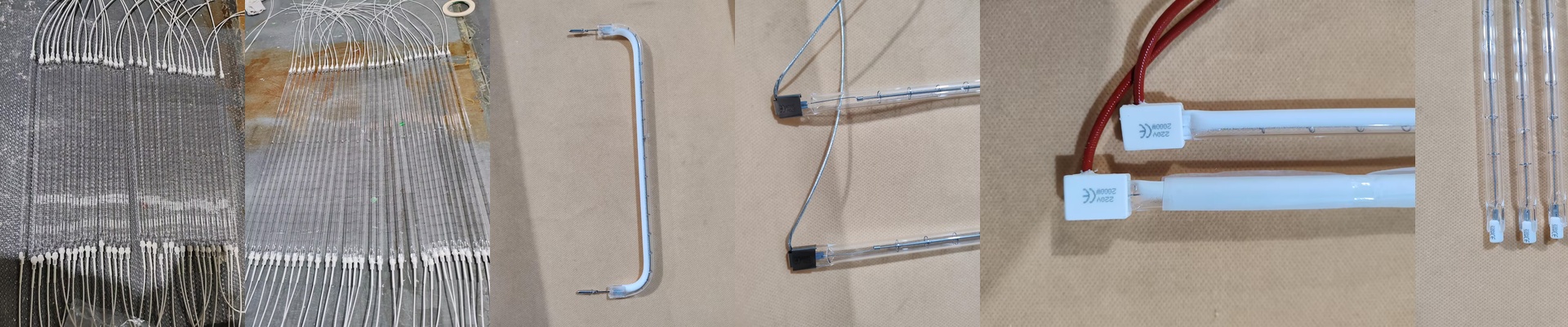
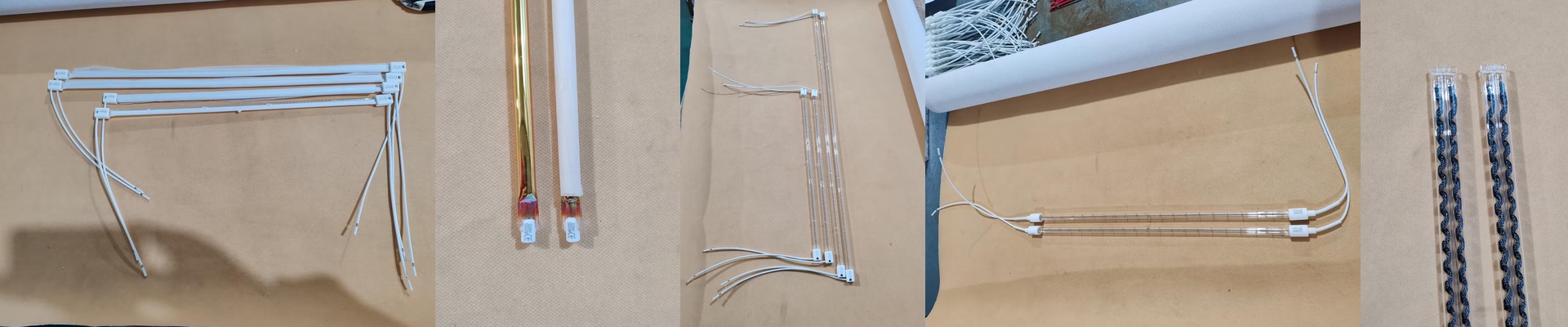
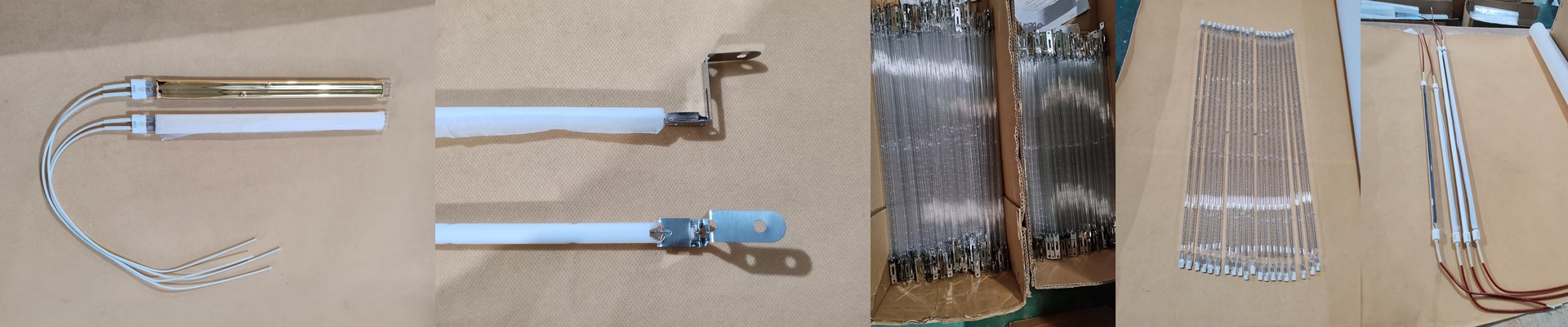
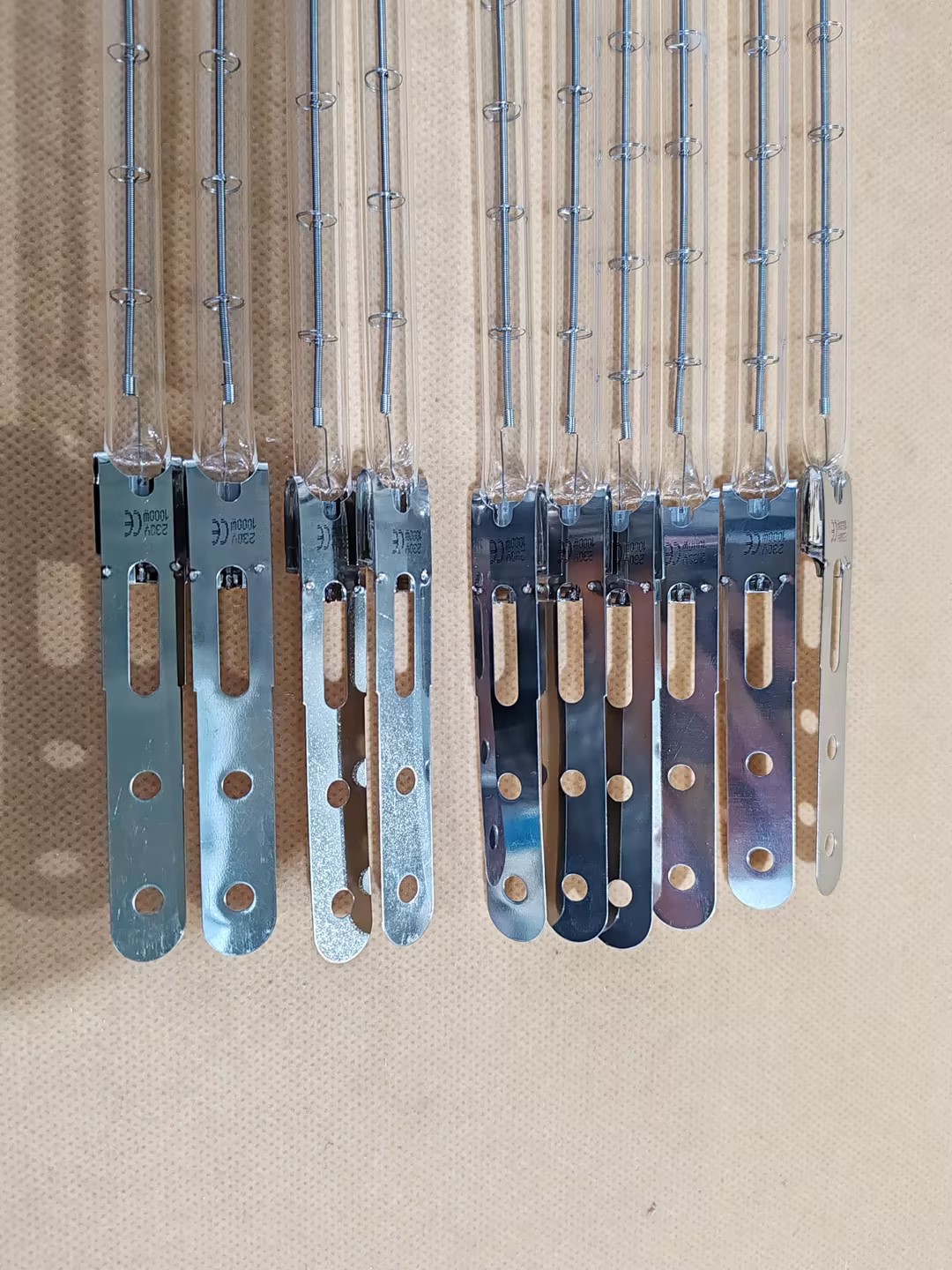
Here is the deal with halogen infrared lamps: you’ve got a tungsten filament tucked inside a quartz tube, all pressurized with a halogen gas mix. Why bother with the gas? Because it lets us crank the heat way higher than a normal bulb without the tungsten evaporating and turning your glass black. The result is a concentrated blast of shortwave radiation that punches right through materials. It doesn’t just sit on the surface; it gets in there.
The Balance of Power
When we’re picking a lamp, it all comes down to how much heat you actually need hitting the target. If you cram a lot of wattage into a short tube, you get a massive power density. That’s what you want when you’re running fast cycles and don’t have time to waste. If you’re working with high-voltage setups, just make sure your power supplies and the lamp’s resistance are playing nice together. Higher voltage keeps the current down for the same wattage, which means your wiring isn’t under as much stress. But here is the catch: all that heat is hard on your reflectors. If they’re dirty or pitted, you’re basically throwing energy away.Keep them clean, or you’re wasting money.
Quartz and Connections
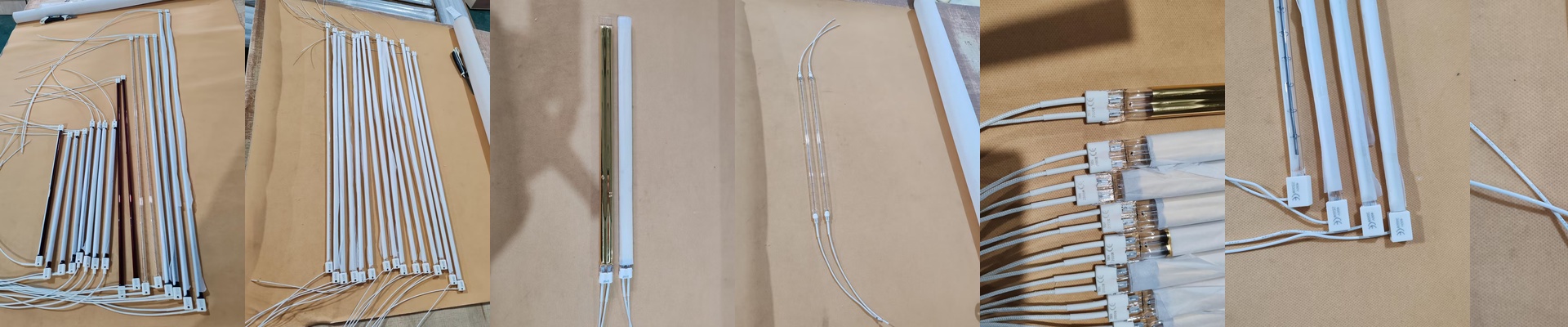
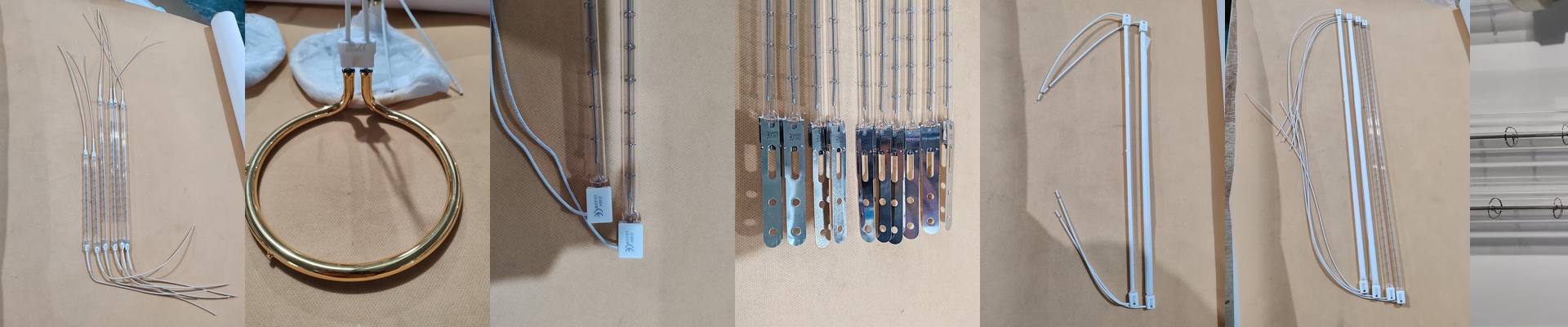
We use quartz glass because it can take a beating. It handles extreme thermal shock without cracking. To keep things simple, we stick to standard connectors like R7s or SK15. It makes them easy to swap out in most industrial ovens without a headache. Some of these lamps even come with special coatings. We use those when we need to “tune” the heat to hit specific spots in plastics or coatings. It’s all about targeting the right absorption band.
Real-World Use (and the Risks)
You’ll see these things everywhere—PET blowing, curing paint, drying lines. The shortwave output is nearly instant. It’s fast. Really fast. But that speed is a double-edged sword. If your conveyor belt slows down or the lamp is sitting too close to the product, you’ll scorch the surface in a heartbeat. It’s a balancing act. You have to dial in the distance and the speed just right so you get the heat you need without burning your product to a crisp.