Can swapping your oven elements actually slash your power bill by 20%?
If you’ve spent any time walking a plastic processing floor, you know the drill. You’ve got these massive, aging ovens that feel like they’re trying to heat the entire warehouse instead of just the parts. They’re usually the biggest power hogs in the building. People ask me all the time: “Can I just swap in some quartz infrared lamps and actually see a 20% drop in my energy bill?” The short answer? Yes. But there’s a catch.
Why it actually works
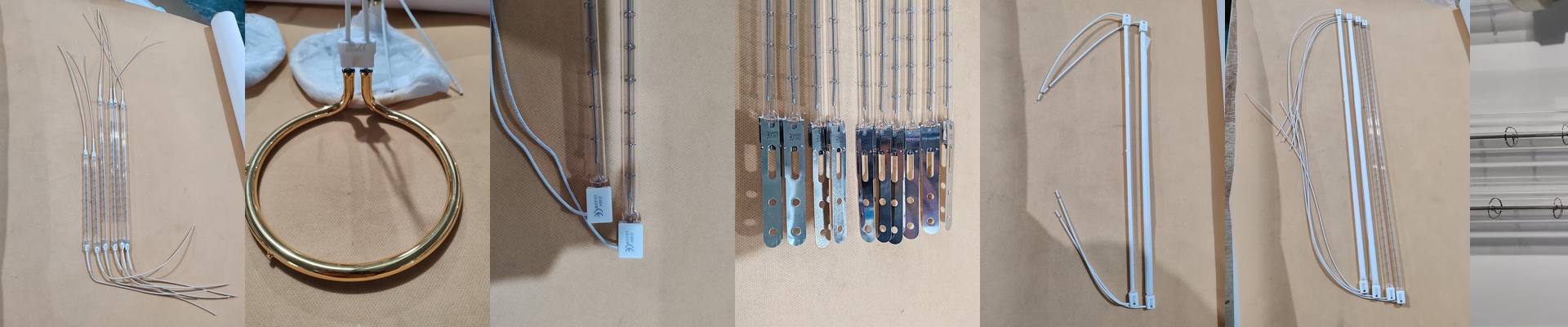
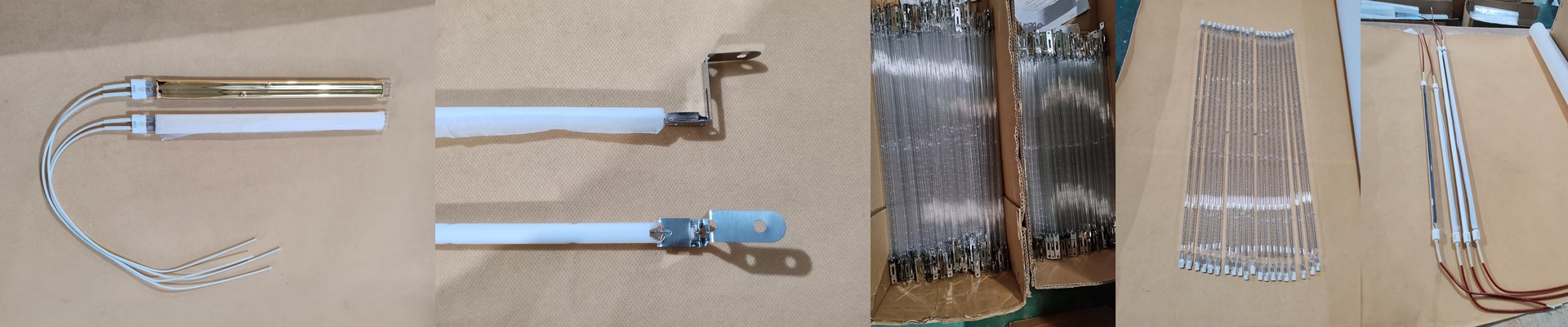
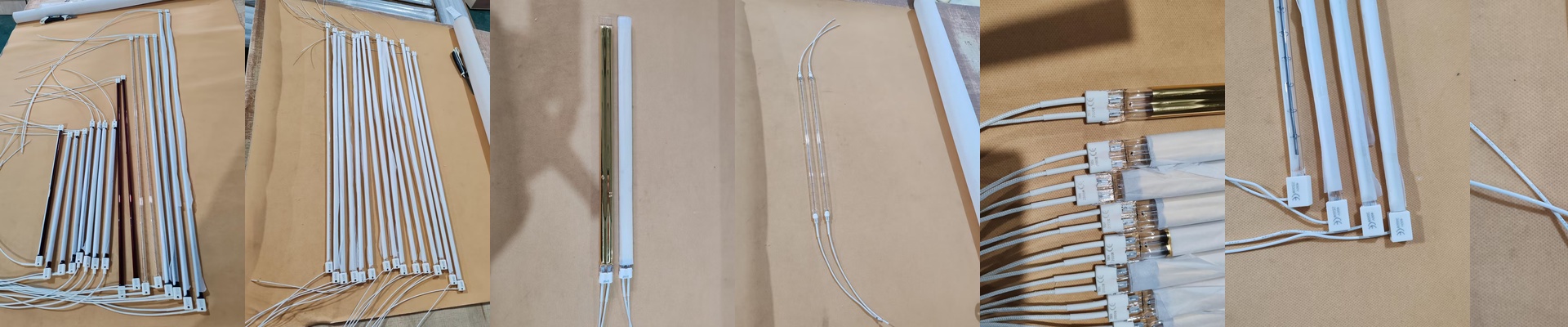
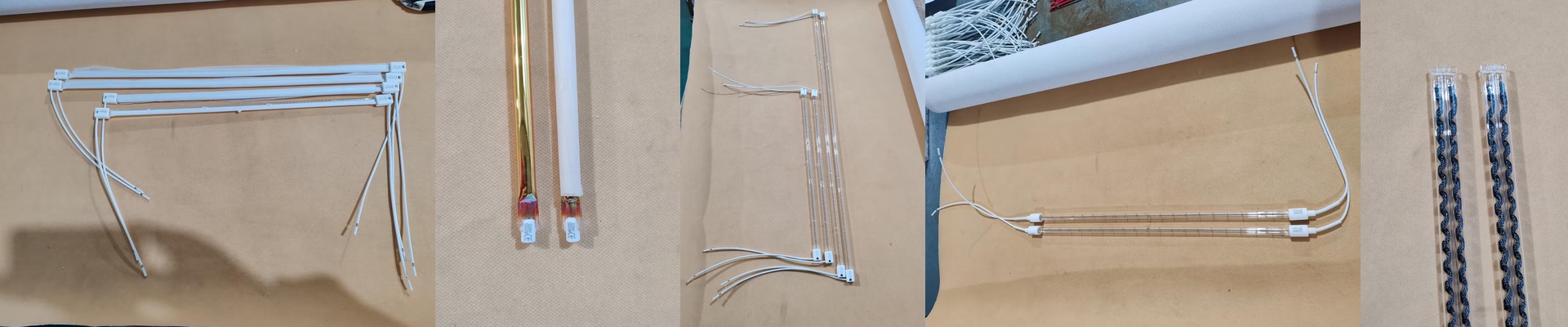
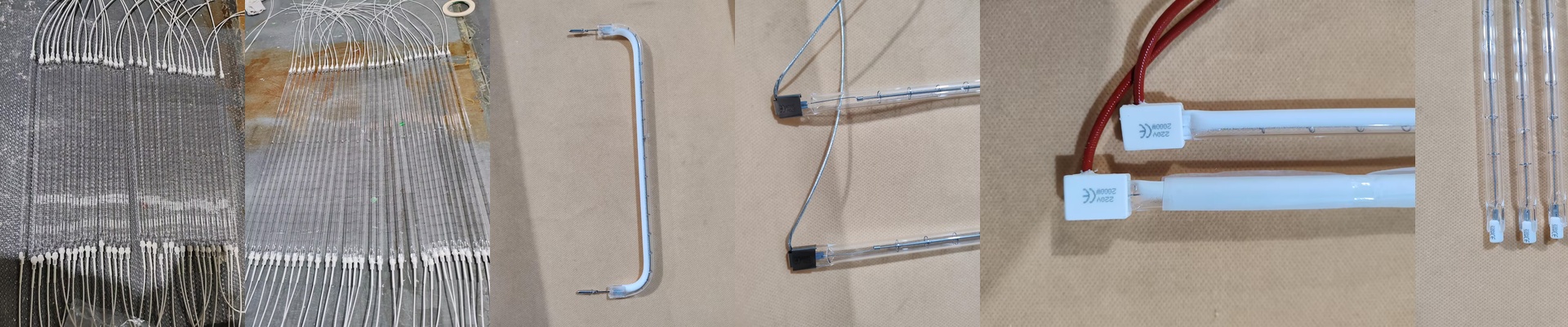
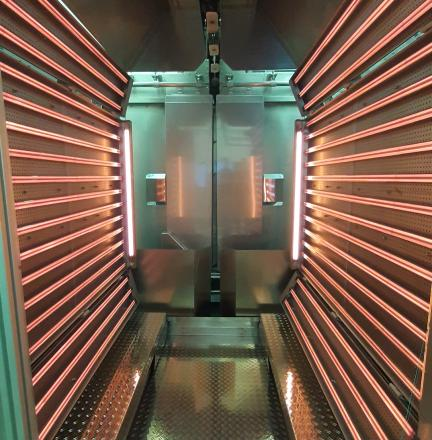
Here is the thing about old resistive heaters: they’re slow. They spend all their time warming up the air, which then warms up the part. It’s an indirect process that leaks heat through the oven walls like a sieve. Quartz infrared lamps play by different rules. They send radiation straight into the plastic. You aren’t wasting energy heating the air inside the box; you’re putting the heat exactly where it needs to go. It’s faster. Much faster. And that means your oven doesn’t have to run nearly as hard.
Where people mess up
You can’t just buy the same wattage and call it a day. That’s a rookie mistake. You have to make sure the waveband of the lamp matches the plastic you’re using. If you get the wavelength wrong, the heat just bounces off the surface. You’ll be paying for power that’s literally reflecting away from your product. And then there’s the control side of things. I’ve seen engineers install these high-density tubes but keep their ancient mechanical relays. Big mistake. Quartz reacts instantly, and those old relays can’t keep up. You’ll end up with wild temperature swings, overshooting your target, and wasting all those energy savings you just fought for. You need PID controllers and SSRs to keep things smooth.
The bottom line on the money
If you’re looking for a “green” upgrade that doesn’t involve tearing your entire facility apart, this is it. You don’t have to scrap the oven frame; you just swap the guts. Because the upfront cost is so low compared to buying a whole new tunnel, the ROI usually hits fast. Plus, it’s a great way to tap into those green finance incentives without a massive capital project. Just a heads-up: since you’re hitting the parts with more concentrated heat, your cooling zones have to be up to the task. If they can’t handle the faster throughput, you’re going to end up with warped parts. And that’s a headache nobody wants.