Can swapping out your heating elements actually cut your power bill by 20%?
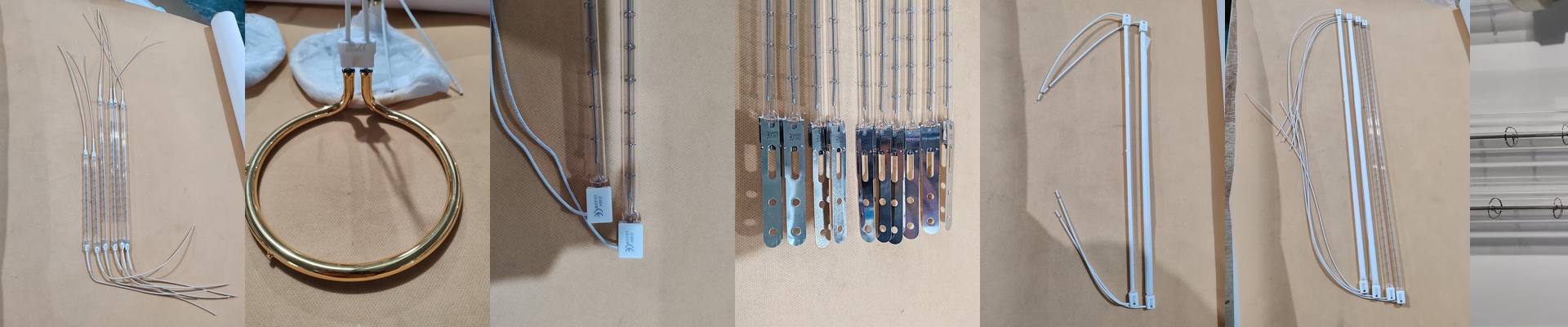
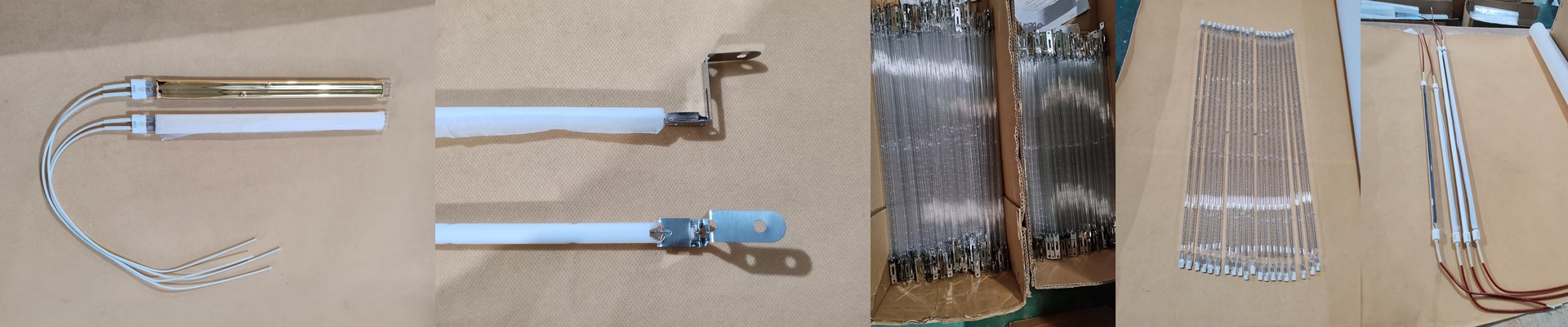
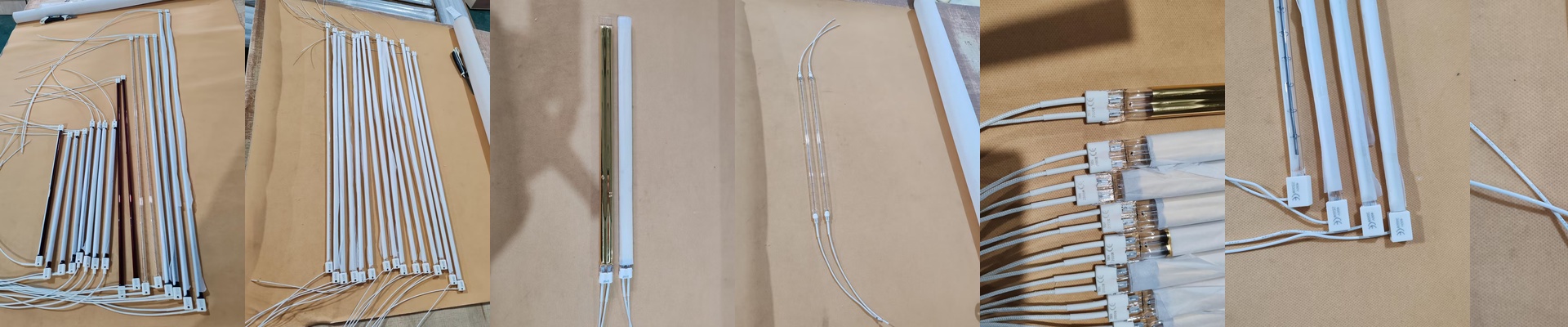
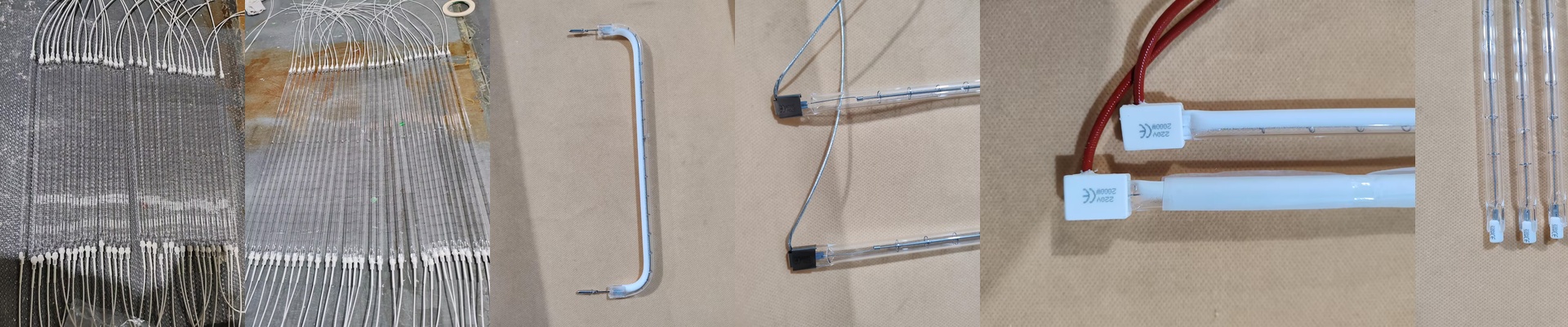
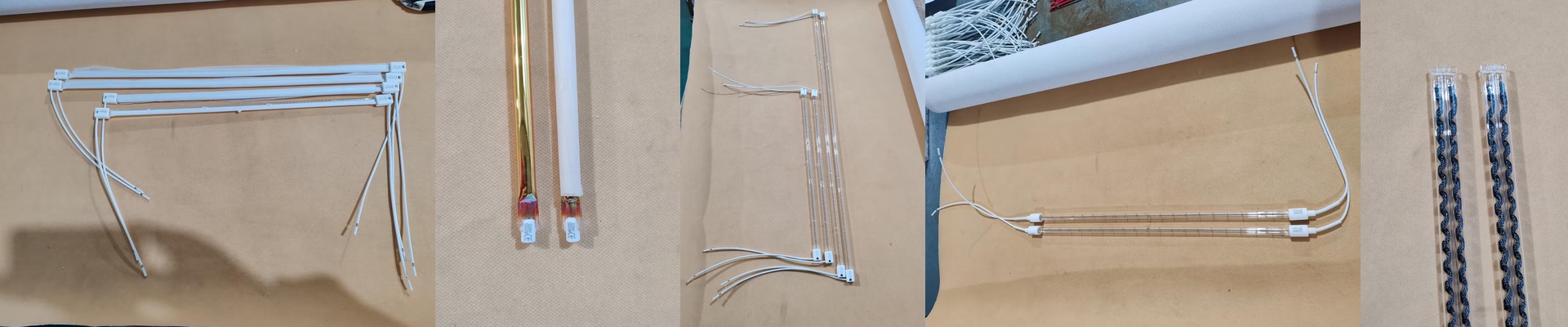
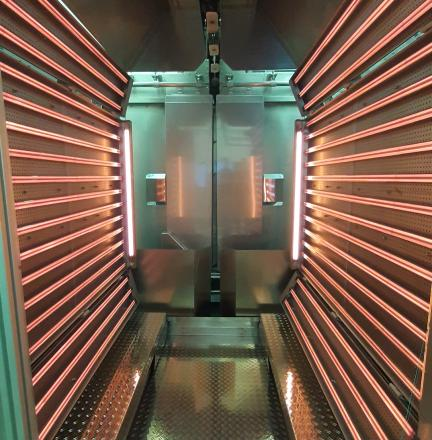
If you’re running old plastic drying tunnels, you probably know the feeling. They’re loud, they’re hot, and they feel like they’re just bleeding money into the air. A lot of people ask me if just popping in some new infrared (IR) lamps can actually hit that 20% energy-saving mark. The short answer? Yes. But it’s not magic—it’s about how the heat actually moves. The secret is in the quartz. Most old setups use resistive heaters. These things are clumsy. They heat up the air around them first, and then the air (hopefully) heats your plastic. It’s a slow process, and a ton of that energy just vanishes into the tunnel walls. We swap those out for high-purity quartz heaters. Instead of warming up the whole room, these go straight for the plastic. It’s radiation, not convection. You get a much faster warm-up time, and you stop paying to heat the walls of your factory. Now, there’s a catch. You can’t just “plug and play” without thinking. These quartz lamps pack a punch. Because they’re so much more efficient and powerful, they put a different kind of stress on your electrical system. Before you make the switch, take a look at your wiring and contactors. If you jump from a weak old coil to a high-output lamp, you don’t want to find out the hard way that your wires can’t handle the current. It’s a quick check, but it’s the difference between a win and a blown fuse. The best part? You don’t have to tear everything down. Replacing the elements is easily the cheapest way to bring an old line into the modern age. You keep the tunnel; you just change the “engine.” Because the savings show up so clearly on your kWh meter, this is usually the kind of project that qualifies for green finance or energy subsidies. Basically, the government or your bank might help you pay for it because the ROI is so obvious. If you’re working with PET or PVC, this is where you’ll see the biggest difference. Just a heads-up: these quartz heaters react fast. You’ll need to tweak your PID controllers. If you leave the old settings, you’ll probably overshoot your temperature and end up with a mess. Tweak the settings, swap the lamps, and watch the power bill drop. Simple as that.