Dealing with Inrush Current in Halogen Heaters
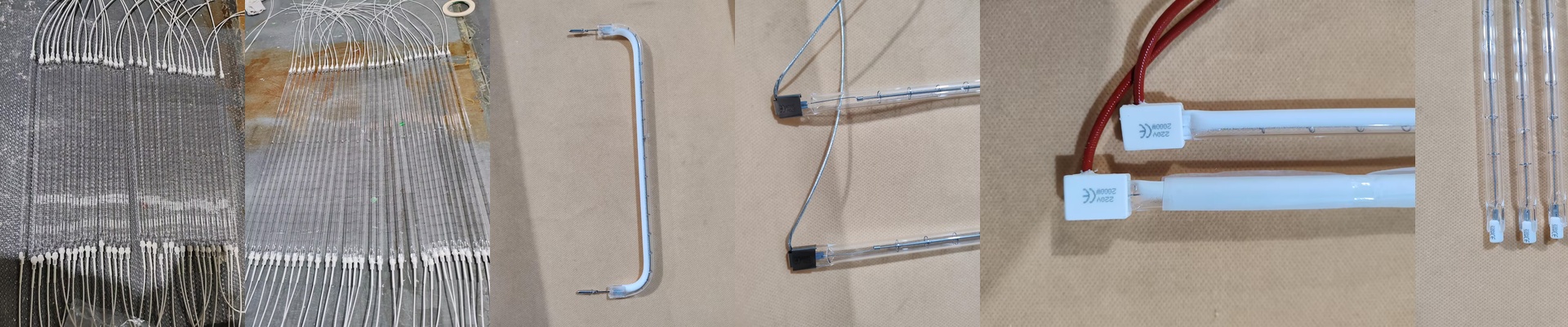
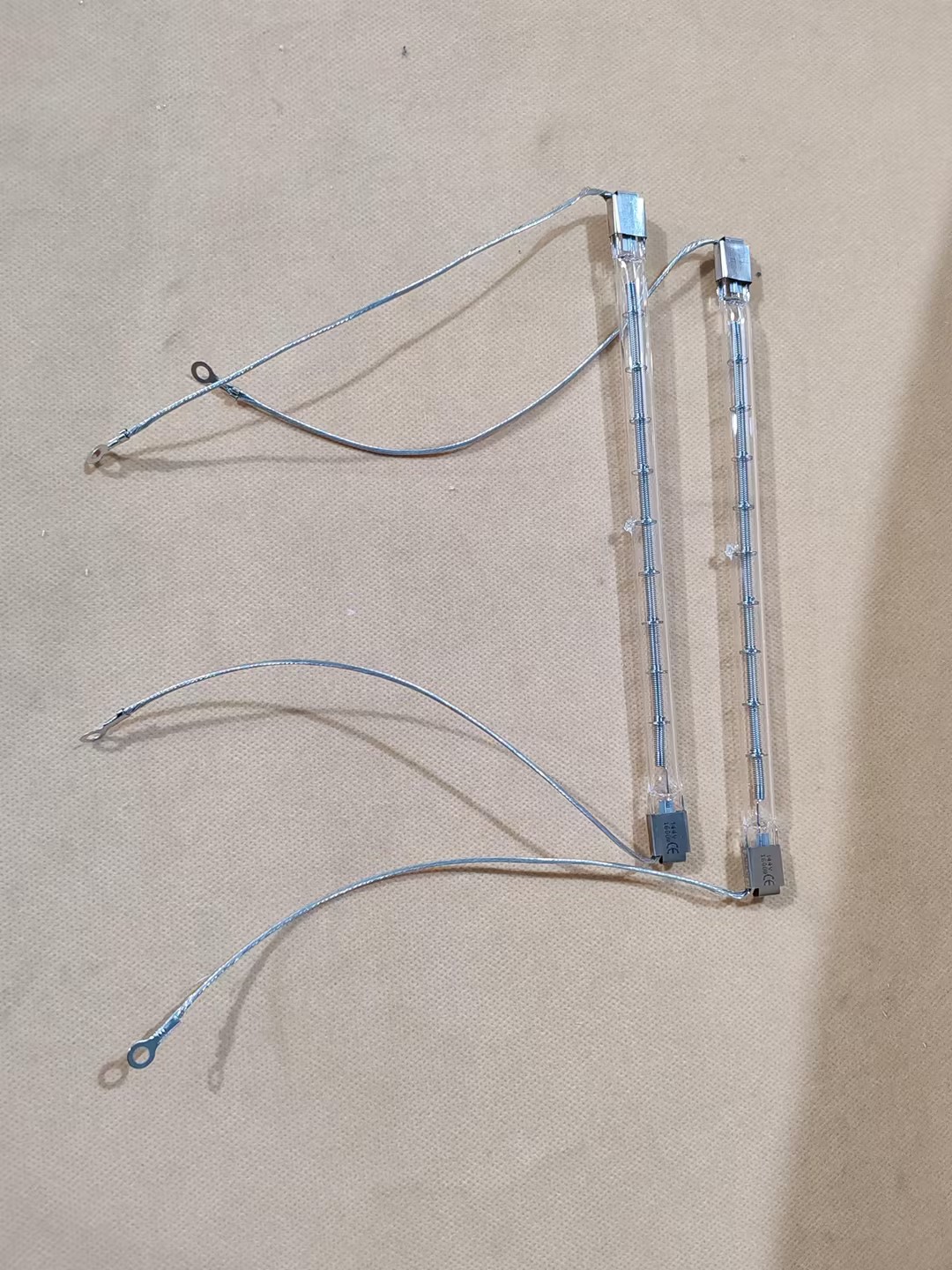
Here is the problem with halogen lamps: that tungsten filament is a bit of a nightmare when you first turn it on. See, when the filament is cold, it barely puts up any fight against the electricity. The second you flip the switch, you get this massive spike of current—the “inrush.” If you haven’t set up your circuit to handle it, you’re looking at tripped breakers or, worse, fried wiring. Not a great way to start the day. Enter the start capacitor. Think of the capacitor as a buffer. By wiring one in parallel or using a starter circuit, you stop that initial surge from slamming into the system. It’s not just about the wires, though. It’s about the lamp itself. Without this buffer, the tungsten expands way too fast. That thermal shock is what kills your bulbs prematurely. With a capacitor, the heat ramps up steadily. Your lamps actually last. Now, when you’re picking your parts, pay attention to the voltage. If you’re working with a high-voltage industrial setup, don’t cut it close. Go for capacitors rated at least 1.5x your operating voltage. If you don’t, you risk a dielectric breakdown, and then you’re back to square one. Most of us pair these with inductors to create a simple LC filter. There is a trade-off here, though. Big capacitors make for a smoother start, but they take up a lot of room. You’ll find yourself playing a game of Tetris in your control panel, trying to balance the need for current suppression against the actual physical space you have left in the cabinet. A quick tip on installation… Capacitors absolutely hate heat. If you mount them right next to the lamp housing, the electrolyte inside will dry out and the whole thing will just quit. Put them in a ventilated spot or throw up a heat shield. And keep an eye on them. If your lamps start flickering or your breakers are tripping more than usual, your capacitor values have probably drifted. It happens. Usually, the fastest way to get the line moving again is just to pop in a fresh replacement.