Let’s Talk Halogen Infrared Tubes
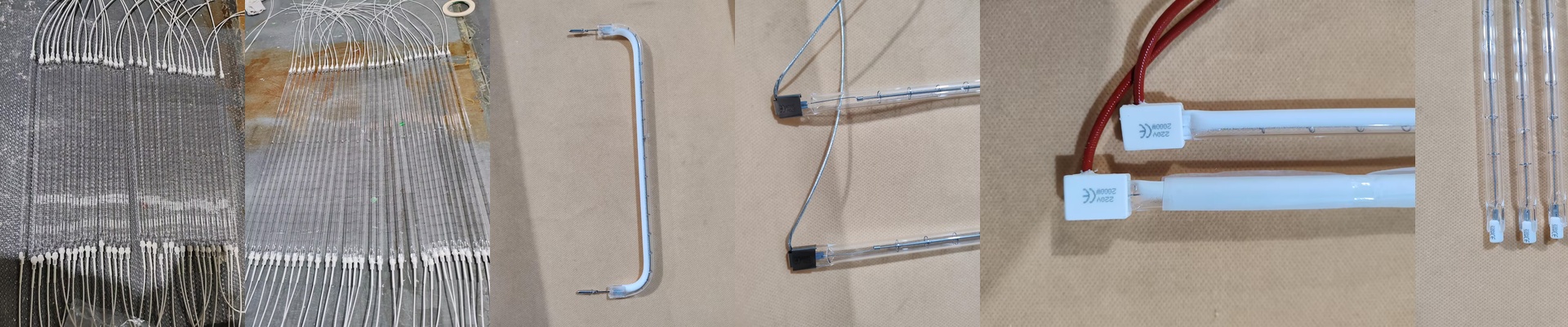
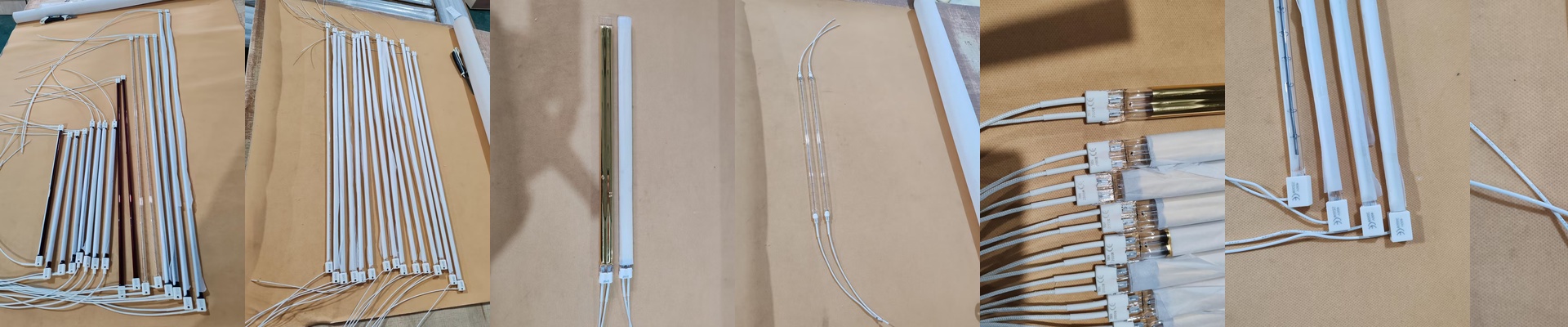
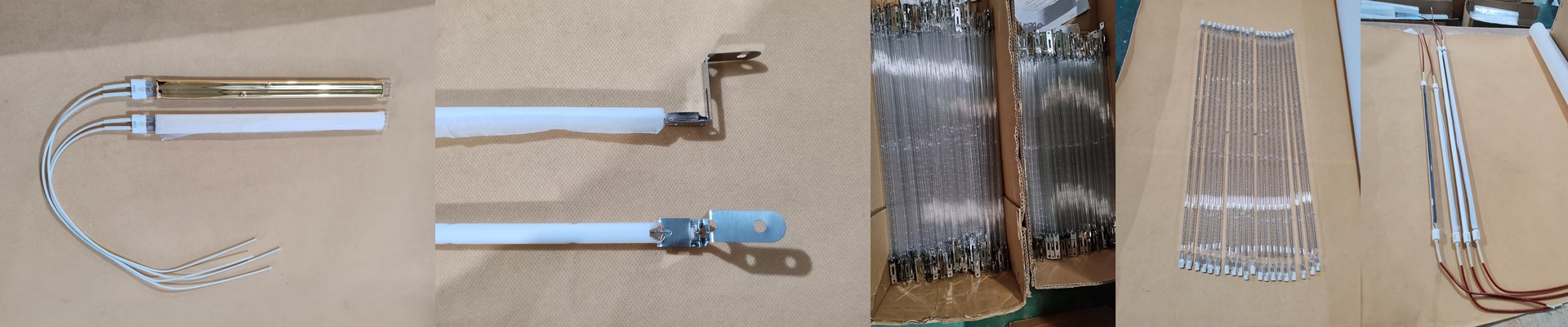
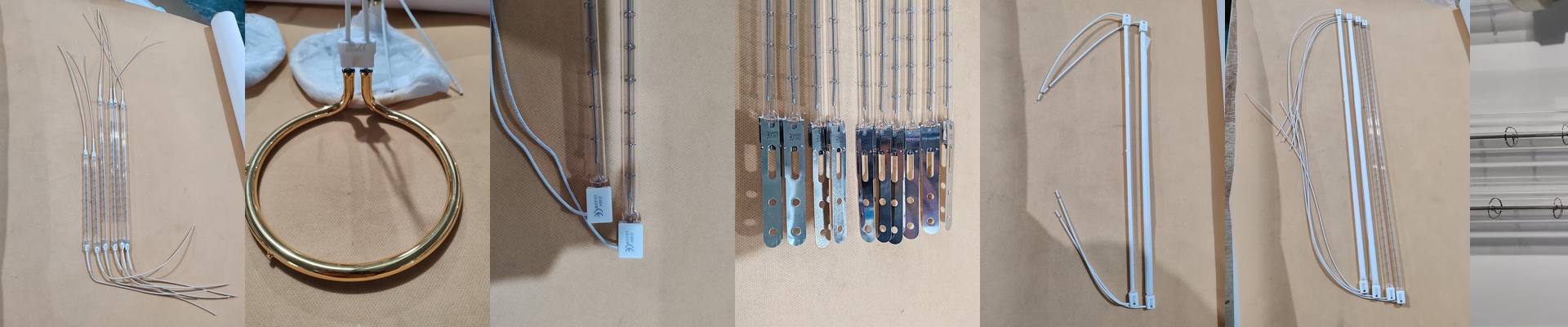
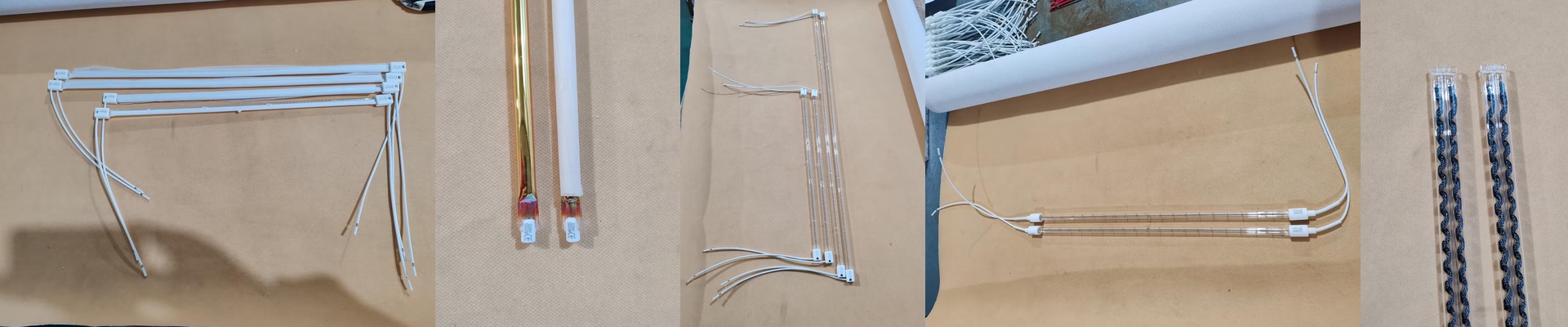
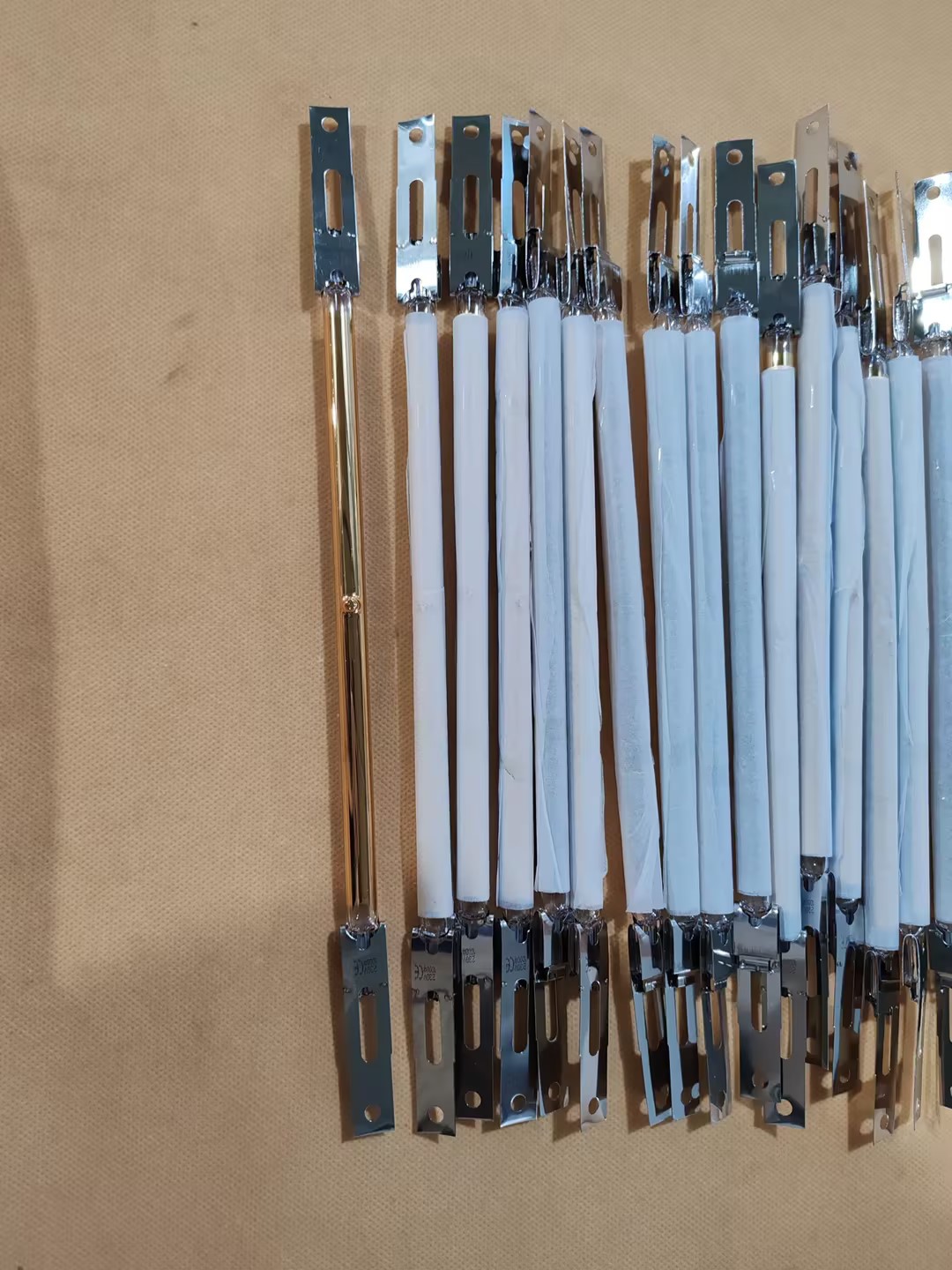
Ever wonder why some heaters hit you with an instant wall of heat while others take forever to warm up? That’s the magic of halogen IR tubes. Basically, we take a tungsten filament, tuck it inside a high-purity quartz tube, and pump in a halogen gas mix. The gas does the heavy lifting here—it stops the filament from evaporating too fast. This means we can crank up the heat to crazy levels without the tube just burning itself out. The balance of power When you’re picking a tube, it all comes down to the relationship between voltage and wattage. If you cram a lot of wattage into a short tube, you get an intense hit of heat. It’s aggressive. It’s fast. And if your process needs a sudden thermal shock, that’s exactly what you want. Most of these run on 230V or 400V. If you go with the higher voltage, you don’t have to worry as much about the current draw, which lets you use thinner wiring. It just makes the whole setup a bit cleaner. Fit, finish, and a few warnings We use standard connectors—think R7s or Sk15—so you can just pop these into your machines without a headache. The quartz glass is the secret sauce; it doesn’t expand much when it gets hot and lets the IR energy fly right through. Some of our tubes have special coatings. These are great if you need to tweak the heat spectrum or if you’re worried about chemical splashes ruining the glass. But here is the thing:watch your measurements. If the tube is even a tiny bit too long for the housing, it puts pressure on the seals. That’s a shortcut to a premature failure, and nobody wants to be replacing tubes every other week. Real-world use (and the catch) You’ll see these all over the place in PET bottle blowing and plastic curing. They’re the gold standard because they heat the surface of the material almost the second you turn them on. But there’s a trade-off. That massive burst of short-wave energy creates a pretty harsh thermal gradient. If your cooling system isn’t up to the task, all that ambient heat can soak into your machine. Before you know it, you’re dealing with warped frames or fried sensors. My advice? Get your wiring right and keep those reflectors sparkling clean. That’s how you keep the heat moving where it belongs.